







Introduction:Jamaica Blue Mountain coffee is often misunderstood as a representative of heavy and bitter flavors. However, by mastering the correct brewing method, it can showcase a refined balance of dark chocolate, nuts, and caramel. This article takes Blue Mountain No. 1 as an example to deeply analyze the terroir conditions, grading system, and washed processing characteristics, and provides practical pour over parameters, including grind size, water temperature control, and three-stage pouring techniques, to help coffee enthusiasts avoid over-extraction bitterness and brew a mellow and rounded Blue Mountain flavor.
Blue Mountain coffee has always been regarded as the pinnacle of the coffee world, but is it really as bitter and intense as the outside impression? In fact, as long as the correct brewing method is mastered, Blue Mountain No. 1 can display charming layers of dark chocolate, nuts, and caramel, rather than being dominated by a single bitter note. This article takes a No. 1 coffee bean from the Jamaica Blue Mountain growing region as an example, detailing its terroir environment, grading system, and processing method features, and offers practical and tested pour over suggestions, including grind size, water temperature, coffee-to-water ratio, and specific pouring techniques, to help you brew a top-tier Blue Mountain with balanced flavors and smooth mouthfeel.
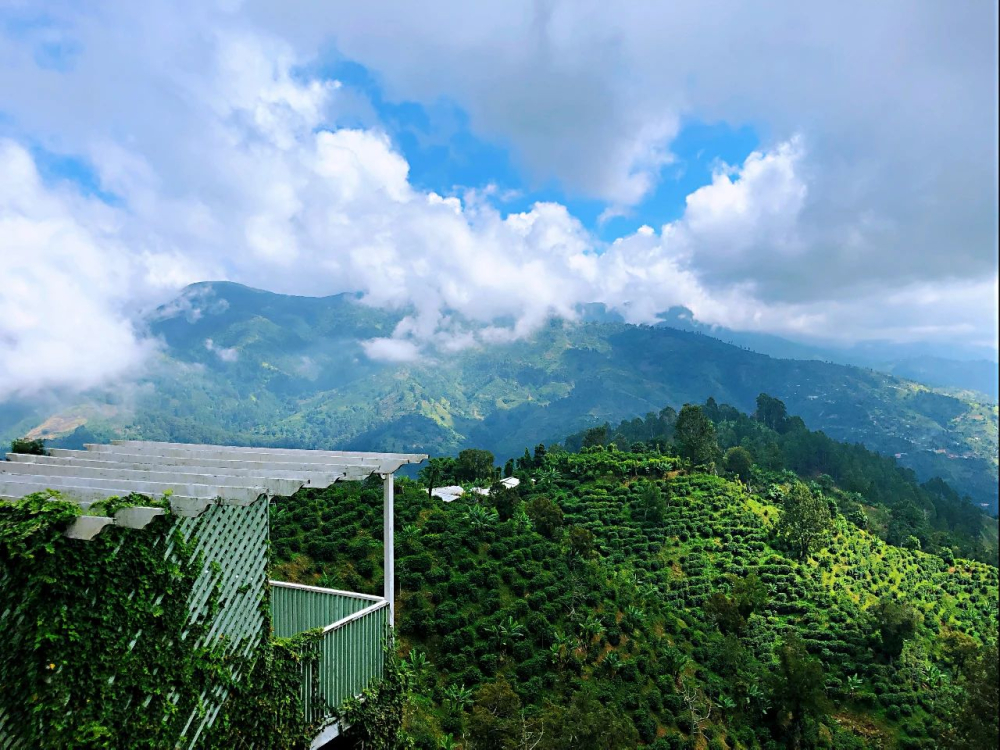
 The uniqueness of Jamaica Blue Mountain coffee first stems from its exceptional geographical environment. The Blue Mountain region is located in the eastern part of Jamaica, surrounded by towering mountains, forming an ecosystem with a unique microclimate. The temperature here remains mild year-round, and the mountain is often shrouded in clouds and mist, effectively reducing the chance of coffee trees being directly exposed to intense sunlight. The area experiences two main rainy seasons each year, occurring from May to June and September to November, with abundant rainfall. Coupled with the steep slope terrain, the drainage is excellent, allowing Blue Mountain coffee trees to grow healthily without the need for additional irrigation. According to the strict regulations of the Jamaica Coffee Industry Board (CIB), only Arabica coffee planted at altitudes above 910 meters qualifies to be called "Jamaica Blue Mountain coffee"; those grown at lower altitudes are classified as Jamaica High Mountain coffee or Jamaica Prime coffee. The high altitude of the Blue Mountain region not only increases the difficulty of planting and harvesting but also results in its rare yield and relatively higher market value.
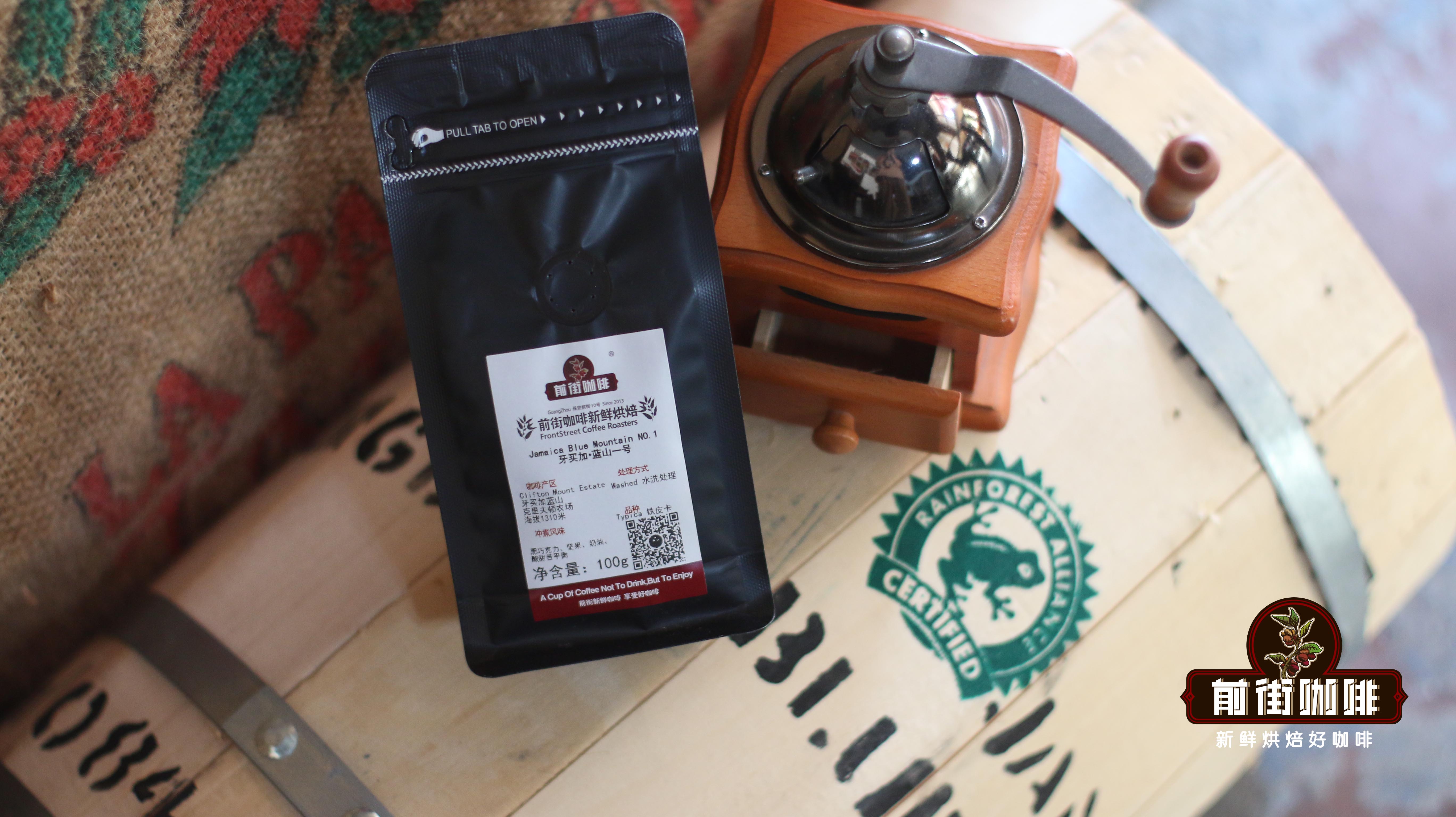
In terms of processing methods, Blue Mountain coffee mostly uses the washed process, a traditional technique that effectively removes unripe or defective coffee cherries, significantly improving the cleanliness and flavor purity of the final beans. During the washed process, the pulp is removed during the fermentation stage, making the aroma of Blue Mountain coffee clearer and brighter, and the flavor profile more defined. For this reason, many roasters and coffee enthusiasts believe that the washed method best showcases the potential of Blue Mountain beans, and the example introduced in this article is also a washed-process Blue Mountain No. 1.
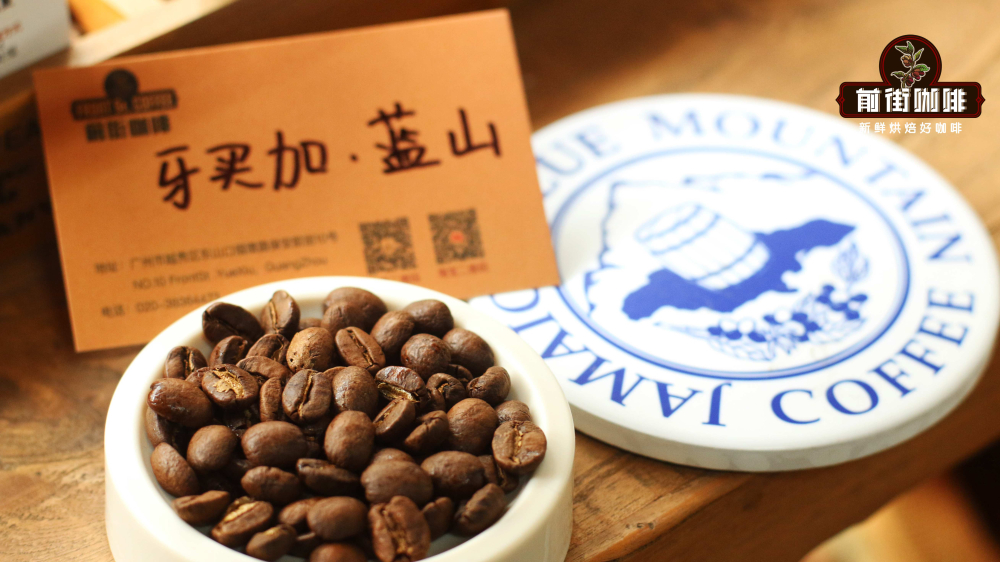
Jamaica Blue Mountain coffee is graded according to multiple rigorous standards, mainly divided into Blue Mountain No. 1, No. 2, No. 3, and the extremely rare Blue Mountain Peaberry. Among them, Blue Mountain No. 1 is the highest grade, with green bean specifications requiring a size of 17 mesh or above, a moisture content of about 10 to 12.5%, not only the lowest defect rate, but also the most outstanding cupping performance, with an excellent balance of acidity, sweetness, bitterness, body, and aroma. It is worth mentioning that, because Jamaica deeply understands the importance of "terroir flavor," their evaluation of Blue Mountain green beans covers multiple aspects such as bean size, defect ratio, color uniformity, as well as the dry fragrance, wet aroma, acidity, flavor, body, and cleanliness after roasting. The Blue Mountain No. 1 green beans used locally are uniformly plump in particle size, with a bright blue-green color. After cupping, their dry fragrance carries notes of nuts, melon, and chocolate, while hot water infusion releases a complex aroma of oolong tea, caramel, honey, and dark chocolate; when sipped, one can perceive layers of rich dark chocolate, roasted hazelnuts, cream, and brown sugar, with an overall mellow and clean mouthfeel, a long-lasting aftertaste, and a natural sweetness.
To fully showcase the mellow and rounded characteristics of Blue Mountain No. 1, it is recommended to use a Kono filter. The rib design of the Kono filter only extends halfway up the height of the filter, and this structure allows the filter paper to adhere tightly to the cup wall after wetting, effectively reducing airflow exchange inside the filter and thus extending the water absorption time of the coffee grounds, making the extraction more even and enhancing the expression of a mellow mouthfeel. Since Blue Mountain No. 1 is a medium-dark roast, its internal bean structure is relatively fluffy and has good water absorption, so it is recommended to use a medium-fine grind with a 20-mesh standard sieve passing rate of about 75%, with water temperature controlled at 88°C, and a 1:15 coffee-to-water ratio(for example, 15 grams of coffee grounds to 225 milliliters of water) for a three-stage pour, with a total extraction time of about 2 minutes.
 In practice, it is recommended to start with 30 grams of water for a 30-second bloom to activate the coffee grounds; then, in the first stage, pour water in small circles until reaching 125 grams, then stop pouring. When the liquid surface is about to expose the coffee bed, proceed to the second stage and slowly pour until reaching 225 grams to complete the extraction. This method ensures even release of coffee flavors and avoids localized over-extraction.
The brewed Blue Mountain No. 1 exhibits a flavor profile dominated by rich dark chocolate, nuts, and caramel, with a creamy-smooth mouthfeel, a mellow body, and a sweet aftertaste, delivering an overall very balanced performance. However, many users report experiencing excessive bitterness when brewing at home, which is usually related to the following common mistakes: first,grinding too finecan lead to prolonged extraction time, releasing excessive bitter-tasting high molecular substances, and it is recommended to moderately adjust the grind coarser; second,water temperature too high(especially exceeding 93°C) can easily cause burnt bitterness. For medium-dark roasted Blue Mountain No. 1, it is recommended to control the water temperature between 86 and 89°C ; finally, if the pouring water flow is too strong or stirring is excessive, it can also release unnecessary impurities, so it is advised to maintain a stable water flow and use a steady pouring rhythm for extraction.
The above content is compiled by CoffeeHunters, a coffee news website.


