







Introduction:Golden Mandheling is renowned for its rich spice and dark chocolate notes, making it a favorite among many coffee enthusiasts. This article delves into how to extract a bold single-origin (SOE) Golden Mandheling using a moka pot, and provides a comprehensive overview of its origin in Sumatra, the traditional wet-hulling process, as well as the stringent G1-grade selection standards by PWN, guiding you from bean to flavor to fully grasp the essence of this classic specialty coffee.
If you’re a fan of bold flavors, then Mandheling is definitely a coffee variety you can’t miss. Its unique herbal and spicy aroma, paired with a robust dark chocolate finish, always leaves a deep impression. But have you ever thought that this classic Indonesian bean could also be brewed with a moka pot to bring out the layered profile of a single-origin (SOE)? The answer is yes, and the result is surprisingly excellent.
This article will guide you step-by-step on how to correctly brew a rich Golden Mandheling SOE using a moka pot, and will detail the origin of these beans—Sumatra Island—as well as its representative wet-hulling process and the strict grading system of PWN, helping you fully understand this highly acclaimed specialty coffee from bean to flavor.
Coffee drinkers who enjoy bold flavors have likely already encountered Mandheling. Its distinctive herbal and spice scent, along with its intense dark chocolate aftertaste, is always unforgettable. So, can this classic bean be used to make an SOE coffee with a moka pot? The answer is: absolutely!
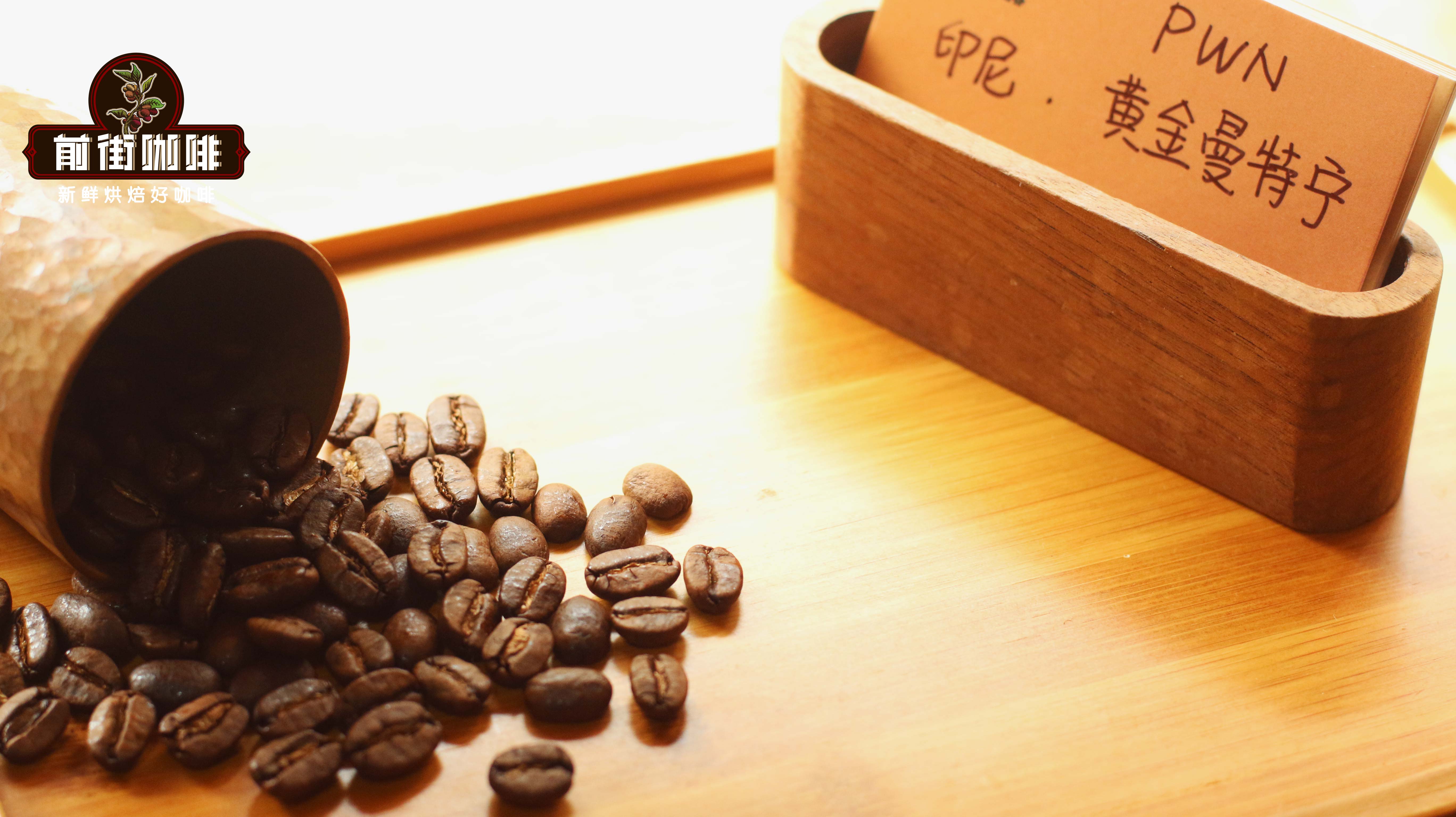
If you want to experience the most authentic Mandheling flavor, it’s recommended to choose Golden Mandheling from PWN. This bean is typically medium-dark roasted, showcasing a rich profile of spices, cedar, nuts, caramel, and unsweetened chocolate. Due to its relatively loose bean structure, using a moka pot allows hot water to more easily penetrate the core of the beans, releasing trapped CO₂ and thereby extracting more lush coffee oils, resulting in a smoother and richer overall mouthfeel.
Brewing espresso-level coffee with a moka pot is actually not complicated; you just need to master a few key steps and parameters. First, you’ll need to prepare the following tools: 1. Moka pot 2. Gas stove or induction cooker 3. Freshly roasted coffee beans 4. Suitable grinder.
It is recommended to use 19–20 grams of Golden Mandheling coffee beans, ground to a coarseness close to fine salt—slightly finer than typical pour over beans but slightly coarser than espresso beans. This is the golden grind size for moka pot extraction.
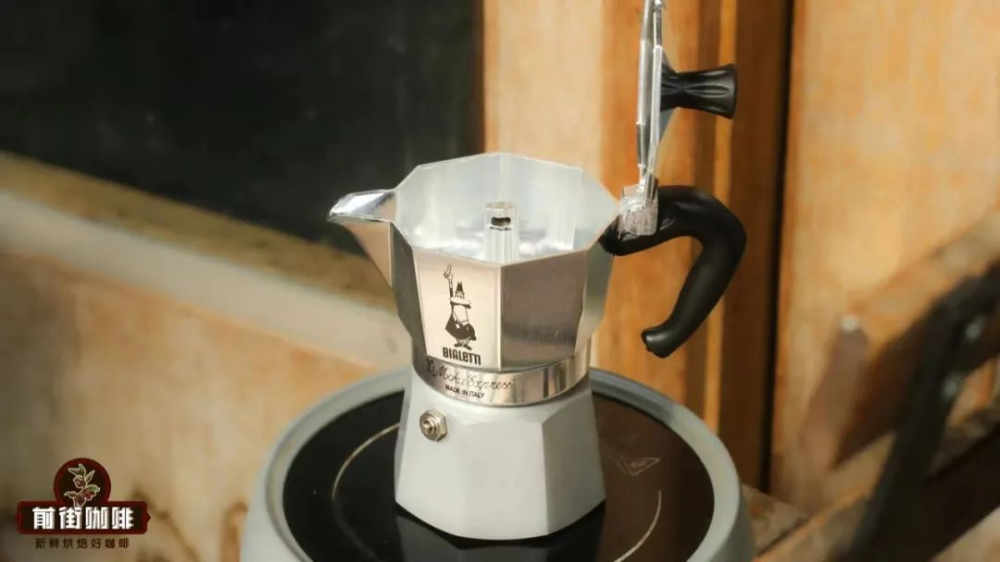
[Moka Pot Brewing Steps]
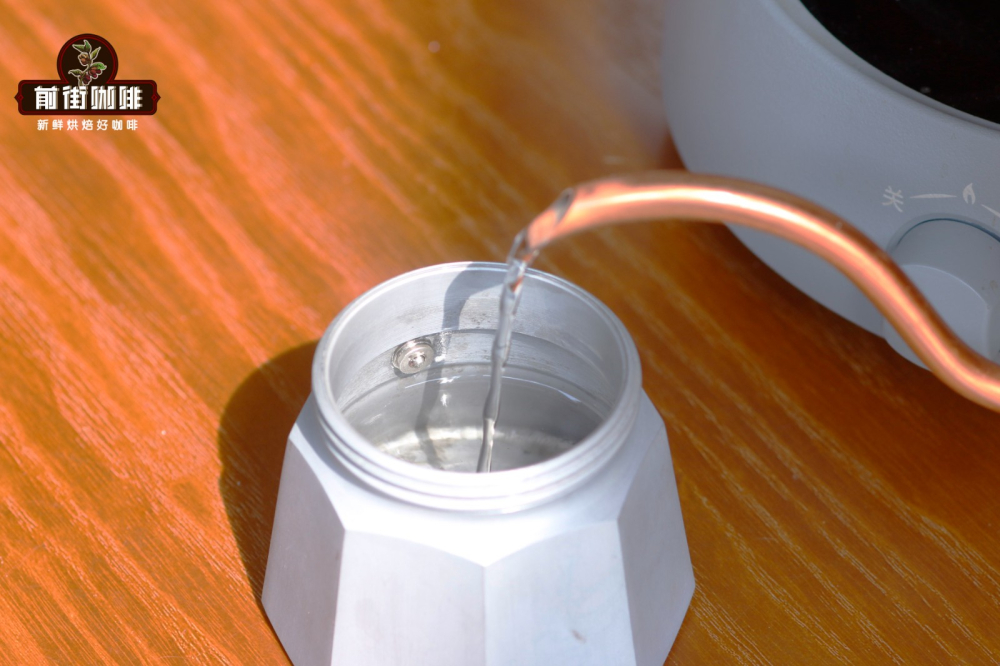
(1) First, add an appropriate amount of cold water to the lower chamber of the moka pot. It is recommended that the water level does not exceed the safety valve.
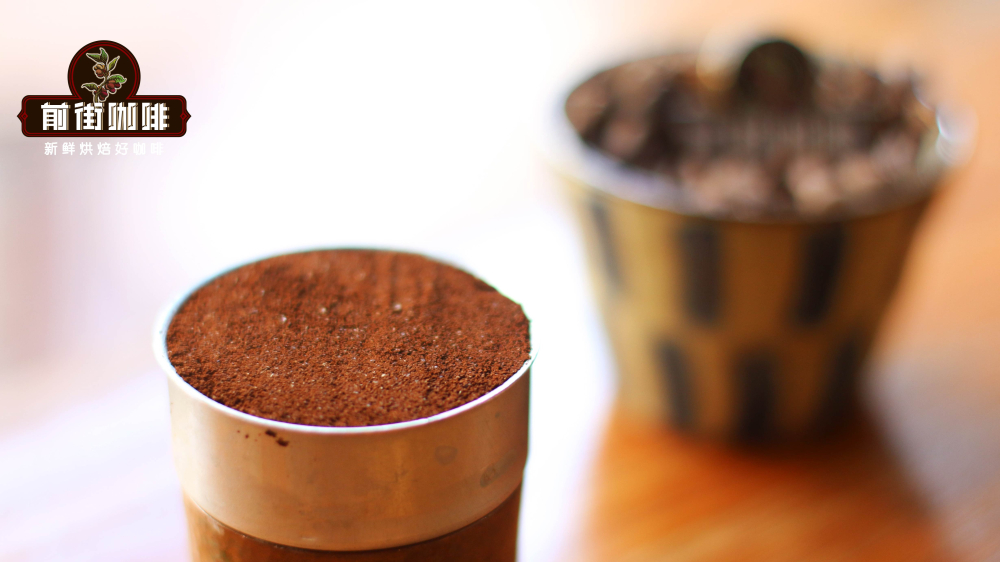
(2) Next, pour the ground coffee into the filter basket of the upper chamber, filling it to about nine-tenths full, then gently tamp the surface flat with your hand or a spoon to ensure the coffee grounds are evenly distributed and compact.
(3) Screw the upper and lower chambers together tightly to ensure a good seal, preventing leaks or insufficient pressure during heating.
(4) Place the moka pot on a gas stove or induction cooker and heat over medium heat. When you hear a distinct hissing sound, it means the pressure is starting to build—then reduce to low heat to allow the coffee liquid to flow out steadily.
(5) When the sound gradually becomes a faint “popping” noise, it indicates that extraction is nearing completion, and you should turn off the heat immediately to avoid over-extraction. At this point, you’ll have a cup of Mandheling SOE with rich aroma and abundant crema. If you prefer black coffee, you can adjust it to Americano by adding water to taste; for a latte, adding about 100 grams of fresh milk is also a great option.
Golden Mandheling mainly originates from Sumatra Island in Indonesia. This island is not only the largest in Indonesia but also one of the world’s well-known high-quality Arabica coffee regions. The island features volcanic terrain and lakes, among which Lake Tawar in the Gayo highlands of northern Aceh and Lake Toba in the Sidikalang region of central Sumatra are the most famous.
Low-altitude areas in Sumatra mostly grow Robusta, while high-altitude regions are dominated by Arabica—though the proportion is not high, it represents the country’s specialty coffee. Particularly in the Gayo Mountains of Aceh, at altitudes between 900 and 1600 meters, the cool climate and significant day-night temperature variations are very suitable for cultivating old-tree varieties with distinctive flavors.
The well-known green bean trader PWN (Pwani Coffee Company) has long been deeply involved in this area. Not only does it strictly manage the cultivation and processing stages, but it also conducts multiple screenings before export to ensure that every batch of coffee beans meets specialty grade standards. This is also a key reason why Golden Mandheling stands out.
When talking about Sumatran coffee, one cannot overlook its most representative “wet-hulling process.” Due to the region’s consistently hot and humid climate, frequent typhoons, and limited water resources, traditional sun-drying and washed processing methods are not easy to implement. As a result, the locals have developed this unique process that takes only about four days.
The wet-hulling process generally involves: a short initial water fermentation, then allowing the beans to reach a semi-dried state, followed by using a special machine to remove the parchment layer, and finally completing the final drying. This processing method gives the coffee rich and earthy flavors such as herbs, soil, and spices. However, due to friction during hulling, the beans can easily become deformed, and even exhibit the so-called “elephant foot” appearance, thus requiring manual sorting afterward to remove beans with poor appearance.
PWN maintains extremely strict quality control over Golden Mandheling. They first use machinery to sieve out beans larger than 18 mesh, then perform at least three rounds of manual sorting to ensure that no more than 3 defective beans are found in every 300-gram sample of green beans, achieving Indonesia’s highest green bean grade—G1.
The Golden Mandheling that undergoes such rigorous selection not only has a plump and uniform appearance, but also demonstrates a high level of purity and clear layering in cupping after roasting. Its flavor profile is not only rich and bold, but also excels in sweetness and aftertaste, making it a classic choice in the eyes of many professional baristas and enthusiasts.
The above content is compiled by CoffeeHunters, a coffee news website.


