








Introduction:Tanzanian Kilimanjaro coffee, when roasted to a medium-light level, showcases delicate fruit acidity and honey-like sweetness. This article delves into the characteristics of the Bourbon variety, the washed processing method, and the microclimate of the volcanic growing region. It also provides professional roasting profiles and V60 pour over parameters, while comparing it with Kenyan beans to help you master the brewing techniques of this premium African coffee.
The volcanic highlands of Mount Kilimanjaro in northern Tanzania nurture one of Africa’s most distinctive specialty coffees. Dominated by the Bourbon variety, these beans, after undergoing washed processing, exhibit unique citrus and berry notes. Medium-light roasting further highlights their honey-like sweetness and crisp acidity.

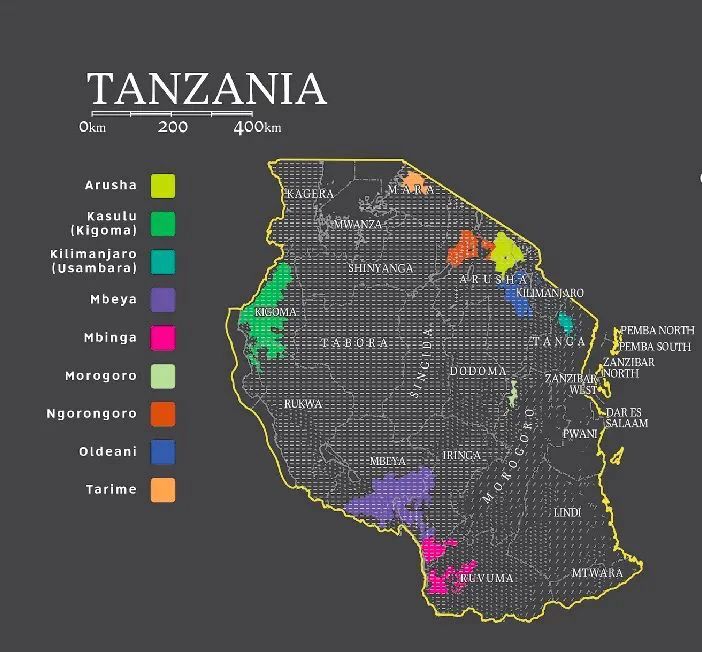
As the highest peak in Africa, the foothills of Mount Kilimanjaro feature volcanic soils rich in minerals, combined withan altitude of1300–2000 meters, resulting in coffee beans with high density and a well-balanced sweet-and-acid profile. The annual coffee production here is comparable to that of Kenya, reaching around 50,000 tons, but the flavor profile is notably smoother, with prominent wine-like aromas and gentle fruit acidity.
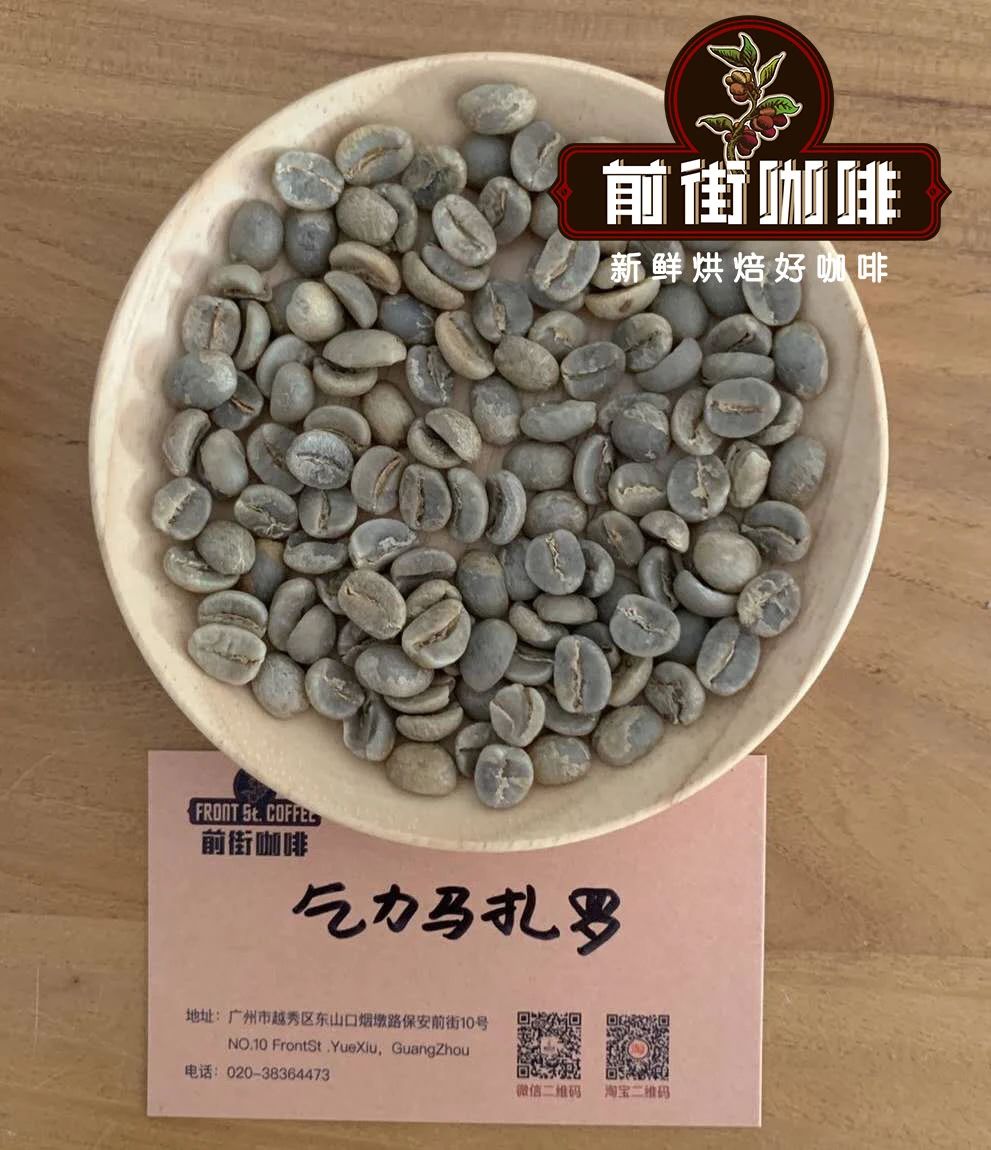
In terms of variety, Bourbon is the dominant cultivar grown in Kilimanjaro. This mutation originating from Réunion Island, particularly the red Bourbon variant, is known for itshigh aroma and bright acidity. As the fruit ripens from green to dark red, it accumulates more sugars. In comparison, Typica, while having specialty potential, is rare and susceptible to rust disease; Kent, on the other hand, is valued for its strong disease resistance and bold aroma.
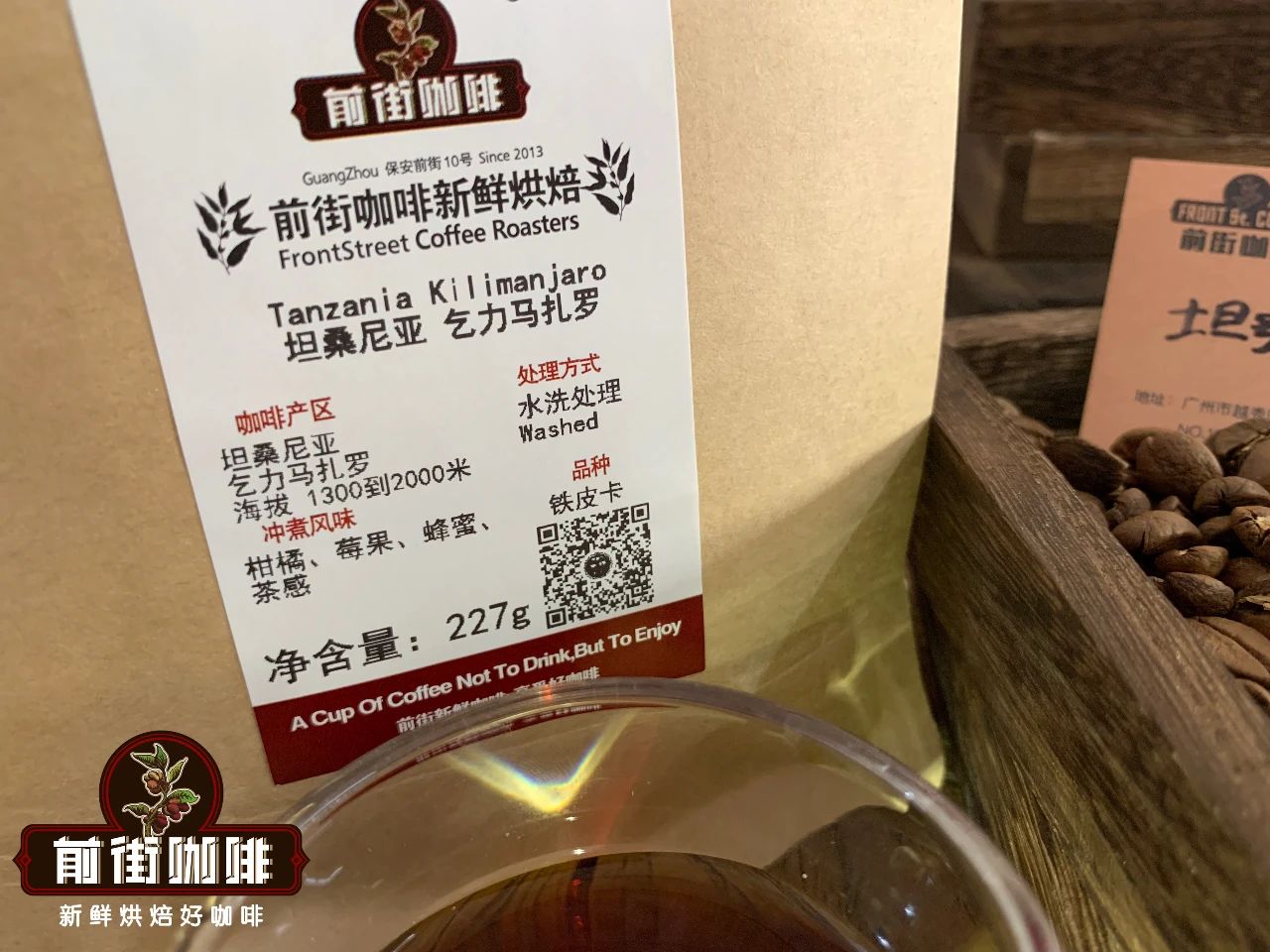
Washed processing is key to maintaining the clean flavor profile of Kilimanjaro coffee. Farmers must remove the pulp immediately after harvest, followed by15–36 hours of fermentationto remove mucilage, then rinsing and drying with clean water. This method effectively minimizes impurity interference and highlights the coffee’s floral and fruity notes. Roasters typically choose aninlet temperature of 170°C, quickly passing through the first crack dense phase (around 182.7°C), and finishing at 193°C to preserve the bean’s bright acidity.
 For pour over, it is recommended to use a V60 dripper with a1:15 coffee-to-water ratioand water temperature of 91°C, with a grind size set to BG#5G (medium-fine). The extraction is divided into three stages: initial blooming (30 seconds) to release CO₂, mid-stage with small circular pours to maintain bed stability, and final stage with increased flow rate to agitate bottom grounds. Note that freshly roasted beans require 3 days of resting to avoid excessive gas release during blooming, which can affect extraction evenness.

The above content is compiled by CoffeeHunters, a coffee news website.


