







Introduction:Delve into the unique flavor profiles of Ethiopia’s two classic regions—Sidamo and Yirgacheffe—from berry-cream notes to white floral and citrus acidity, and explore how washed and natural processing methods influence taste. This article also recommends popular bean selections from a well-known coffee shop, including tasting notes on Gu Ding Ding washed Yirgacheffe and Red Cherry natural Yirgacheffe, along with suggested Hario V60 brewing parameters to help beginners establish a clear flavor map of Ethiopian beans and master extraction techniques.
Ethiopia is hailed as the birthplace of Arabica coffee, blessed with exceptional geographical and climatic conditions that give rise to a rich diversity of specialty coffee flavors. Whether it’s the bold, berry-and-cream profile of Sidamo or the bright, vibrant notes of white florals and lively citrus acidity in Yirgacheffe, these two regions each showcase their distinctive terroir, captivating coffee lovers worldwide. This article will detail the flavor profiles, processing differences, and how they shape the character of a cup, while also recommending two popular and representative beans on the market, along with practical V60 pour-over parameters to help you more accurately extract each bean’s full potential.
 With the rise of specialty coffee culture, more and more consumers are no longer satisfied with mere intensity and bitterness, but are instead pursuing a more layered and terroir-driven taste experience. In the past, the criteria for a good cup of coffee often focused on richness and roastiness, but today’s evaluation system places greater emphasis on clarity of acidity, complexity of aroma, and the persistence of aftertaste. Among the many origins, Ethiopian coffee stands at the center of the specialty stage due to the diversity of its heirloom varieties and the variety of its processing methods.
When it comes to Ethiopia, one cannot overlook the profound impact of “terroir” on coffee flavor. This concept, originating from France’s Burgundy wine region, emphasizes that even the same variety can exhibit vastly different characteristics under varying altitudes, soils, and microclimates. In Ethiopia, from Sidamo to Yirgacheffe, each village and processing station may produce coffees with distinctly different flavors, creating an irreplicable uniqueness for the country’s coffee.
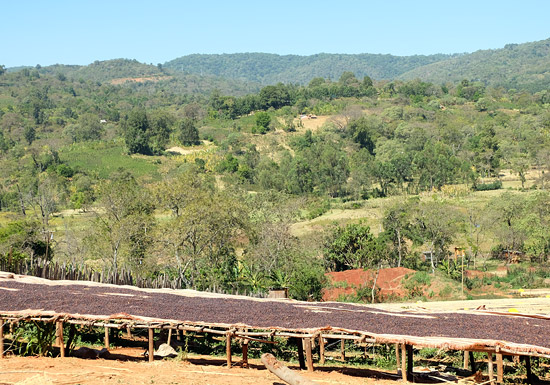 Among Ethiopia’s many regions, Sidamo and Yirgacheffe are the most frequently mentioned and also the most cupping-rich classics. Many beginners in pour-over brewing often start building their flavor memory with beans from these two regions. Interestingly, many newcomers deliberately compare natural Sidamo with washed Yirgacheffe to experience how processing methods can dramatically alter a coffee’s flavor direction. Especially in natural Sidamo, one particular lot from the Buku Abel washing station in the Guji zone has been a focal point of the industry since 2017.
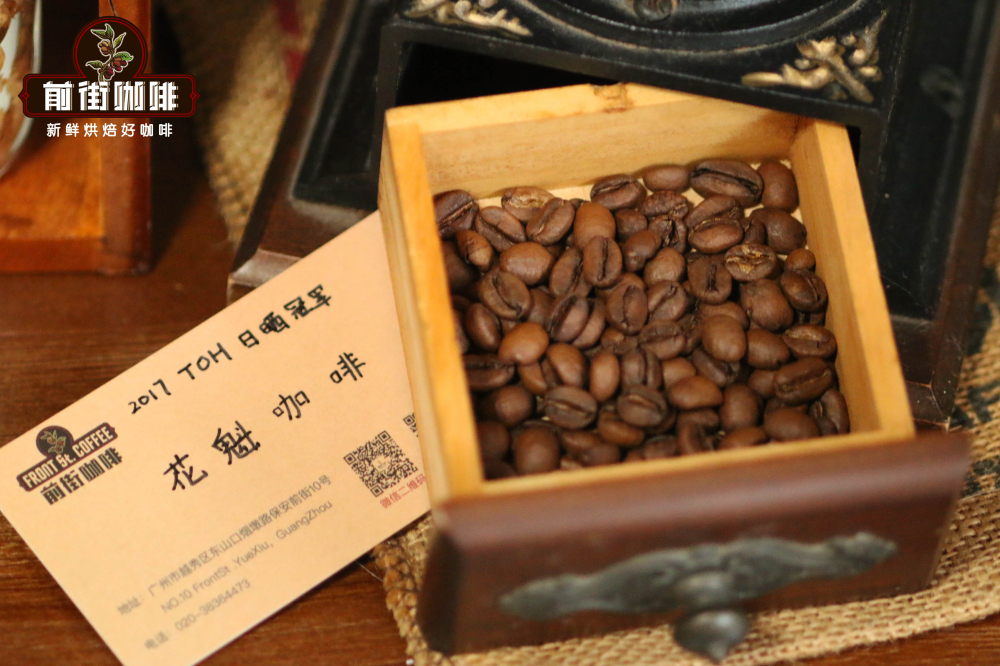
That particular green coffee batch won the Ethiopian championship in the TOH (Taste of Harvest) competition that year, and was later introduced by Hongshun under the name “Huakui.” This bean not only sparked a craze in the domestic market but also helped a competitor secure second place in China’s 2017 national brewing championship, even defeating several then-popular Panamanian Geishas, astonishing many with the potential of Ethiopian natural beans.
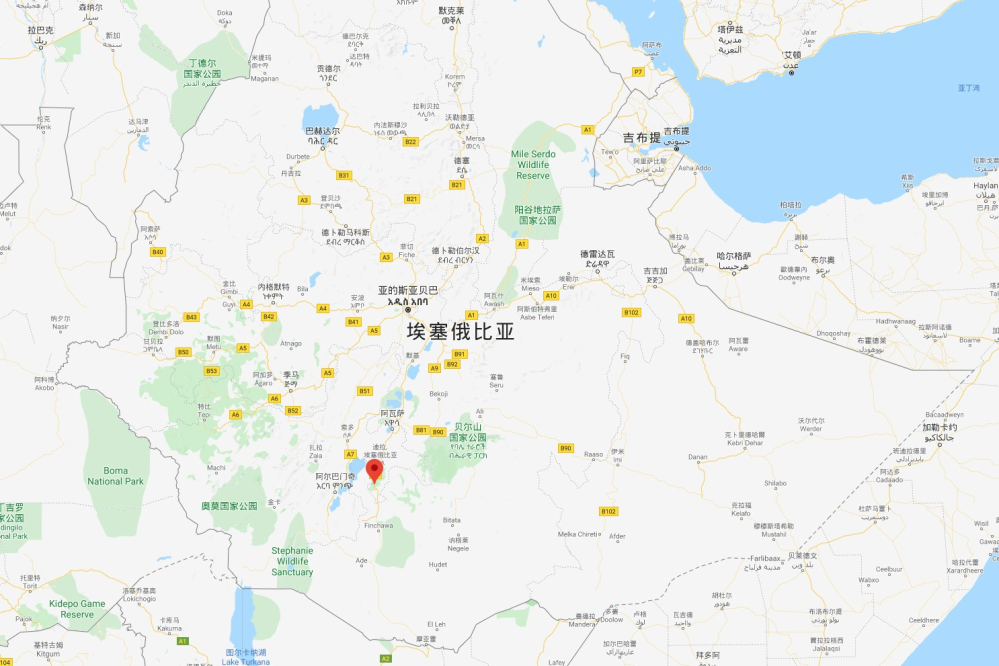 Generally speaking, natural Sidamo often presents intense berry and cream tones, with bold and layered flavors, but such profiles may not suit every drinker. Some long-time fans of natural-style coffee turn to explore Yirgacheffe, which offers a relatively cleaner, brighter acidity. Yirgacheffe coffee is renowned for its delicate, refreshing character with unique white floral notes, and is considered by many coffee experts to be the essence of Ethiopian coffee.
Interestingly, Yirgacheffe was originally part of the larger Sidamo region, but due to its evolving flavor characteristics and processing methods, it was eventually designated as a separate region. In earlier years, the area, like others, used traditional natural processing, but in the 1970s, to improve quality and market value, washing techniques from Central and South America were introduced. The washed method removes the pulp and ferments to eliminate mucilage, resulting in clearer acidity and a stronger expression of the origin’s unique terroir. The process involves removing the skin and pulp, fermenting the parchment coffee in water, then using water flow and agitation to remove the mucilage, followed by sun drying.
This processing method allows Yirgacheffe to showcase its signature white floral and citrus tones, making it a top choice for many pour-over enthusiasts. Today, various processing stations within the Yirgacheffe region have developed their own unique natural and washed techniques, some enhancing sweetness, others highlighting fruity and floral notes, adding even more diversity to the region’s flavors.
In the bean selection of a well-known coffee shop, the Yirgacheffe region occupies a significant proportion, with particular attention given to the washed beans from the Gu Ding Ding cooperative and the natural beans from the Red Cherry project. The Gu Ding Ding cooperative was established in 2012, originally part of the Wolkite cooperative, and its washed Yirgacheffe is grown at high altitudes of 2000 to 2100 meters using local heirloom varieties and washed processing, delivering flavors of apricot, sweetness, and a green-tea-like finish, with an overall profile that is clean and layered.
Another highly favored option, the Red Cherry natural Yirgacheffe, comes from the Aletaland estate, grown at altitudes between 1700 and 2200 meters, also using heirloom varieties. This bean is part of the Red Cherry Project (Operation Red Cherry, ORC), which only harvests fully ripe red cherries. Through complete fruit natural processing, the sugars and aromatic compounds fully penetrate, resulting in a complex flavor profile that combines white florals, berry acidity, and a hint of wine, with a long and layered aftertaste.
If you plan to brew these two beans at home using pour-over, here are the professionally recommended V60 brewing parameters to help fully highlight their flavor characteristics: use a Hario V60 filter, with water temperature controlled at 91°C,15 grams of coffee,a 1:15 coffee-to-water ratio, and a grind size recommended to be around 80% passing through a Chinese standard No. 20 sieve (medium-fine grind). The coffee beans are usually freshly roasted within 5 days of the roast date, and by the time you receive them, they’ve already had 4 to 7 days of rest, but it’s still advised to perform a 30-second bloom before brewing, pouring 30 grams of hot water, then gradually adding water up to 125 grams and 225 grams, with a total brew time of about 2 minutes. Note that if there is still water remaining in the filter at the end of brewing, do not forcibly stop the flow, as this may affect the release of the tea-like and body-rich flavors in the later stages.
In summary, Ethiopia’s Sidamo and Yirgacheffe represent two extremes of coffee flavor—bold and expressive versus clean and delicate. By understanding their regional characteristics, processing differences, and actual cupping performances, coffee enthusiasts can more accurately select beans that match their taste preferences and, through appropriate brewing methods, fully experience the unique charm of each coffee. Whether you’re a beginner or a seasoned connoisseur, these two regions are well worth your in-depth exploration and appreciation.
The above content is compiled by CoffeeHunters, a coffee news website.


