







Introduction:Jamaican Blue Mountain coffee is world-renowned for its unique flavor and rarity, yet its name origin, regional characteristics, and methods for identifying authenticity remain little known. This article delves into the geographical environment, historical background, and processing techniques of Blue Mountain coffee, and provides three key authentication points—including the exporting company, wooden barrel packaging, and official certification—to help you avoid counterfeits and find truly high-quality Blue Mountain coffee when making your selection.
Why is Blue Mountain coffee hailed as a legend in the coffee world? Its name comes from the enchanting blue halo reflected on the Caribbean Sea, while its exceptional quality is attributed to the volcanic soil and the consistently humid, foggy microclimate unique to the high-altitude regions of eastern Jamaica. Since the introduction of the Typica variety in the 18th century, through the government-led revitalization plan of the 1950s, subsequent long-term support from the Japanese market, and more recent direct imports from China, Blue Mountain coffee has always been synonymous with 'rarity' and 'strict certification.' This article will detail the origin, name meaning, and processing methods of Blue Mountain coffee, and focus on teaching you how to distinguish authentic Blue Mountain coffee through three key elements—exporting entity, wooden barrel packaging, and authorized certification—giving you a more informed basis for selection.
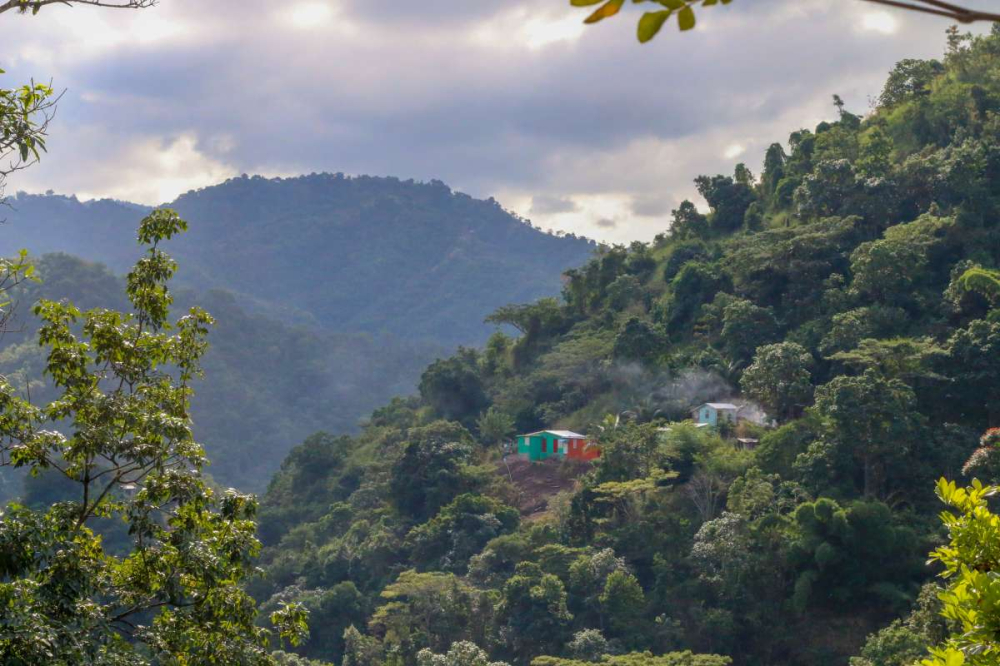
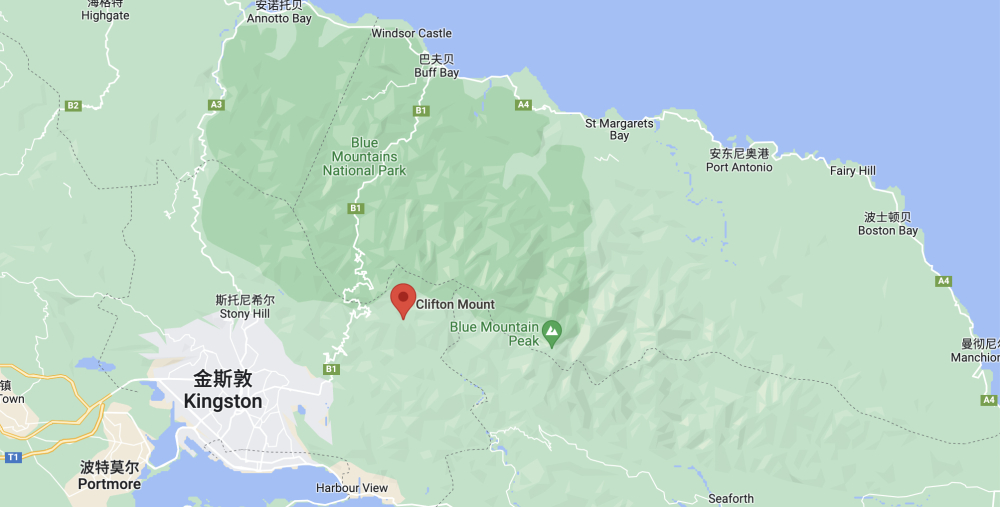
The so-called Blue Mountain coffee refers to coffee brewed from beans grown in the high-altitude regions of the Blue Mountains in Jamaica. Based on production altitude and quality, it can be divided into two main categories: Jamaican Blue Mountain coffee and Jamaican High Mountain coffee. The Blue Mountains are located on the eastern part of Jamaica’s main island. When sunlight penetrates the clear atmosphere and shines directly onto the deep blue waters of the Caribbean Sea, the mountaintops are bathed in a dreamlike blue glow, hence the name "Blue Mountain." The highest peak in this range reaches 2,256 meters, making it not only the highest point in the Caribbean but also a renowned tourist destination.
The region lies in a seismic zone, and its soil is fertile due to volcanic activity. Coupled with year-round fresh air, almost no pollution, a humid and foggy climate, an average annual rainfall of about 1,980 millimeters, and temperatures that remain stable at around 27 degrees Celsius, these exceptional natural conditions have created the world-famous Jamaican Blue Mountain coffee and made it the second most expensive specialty coffee globally, only after civet coffee.
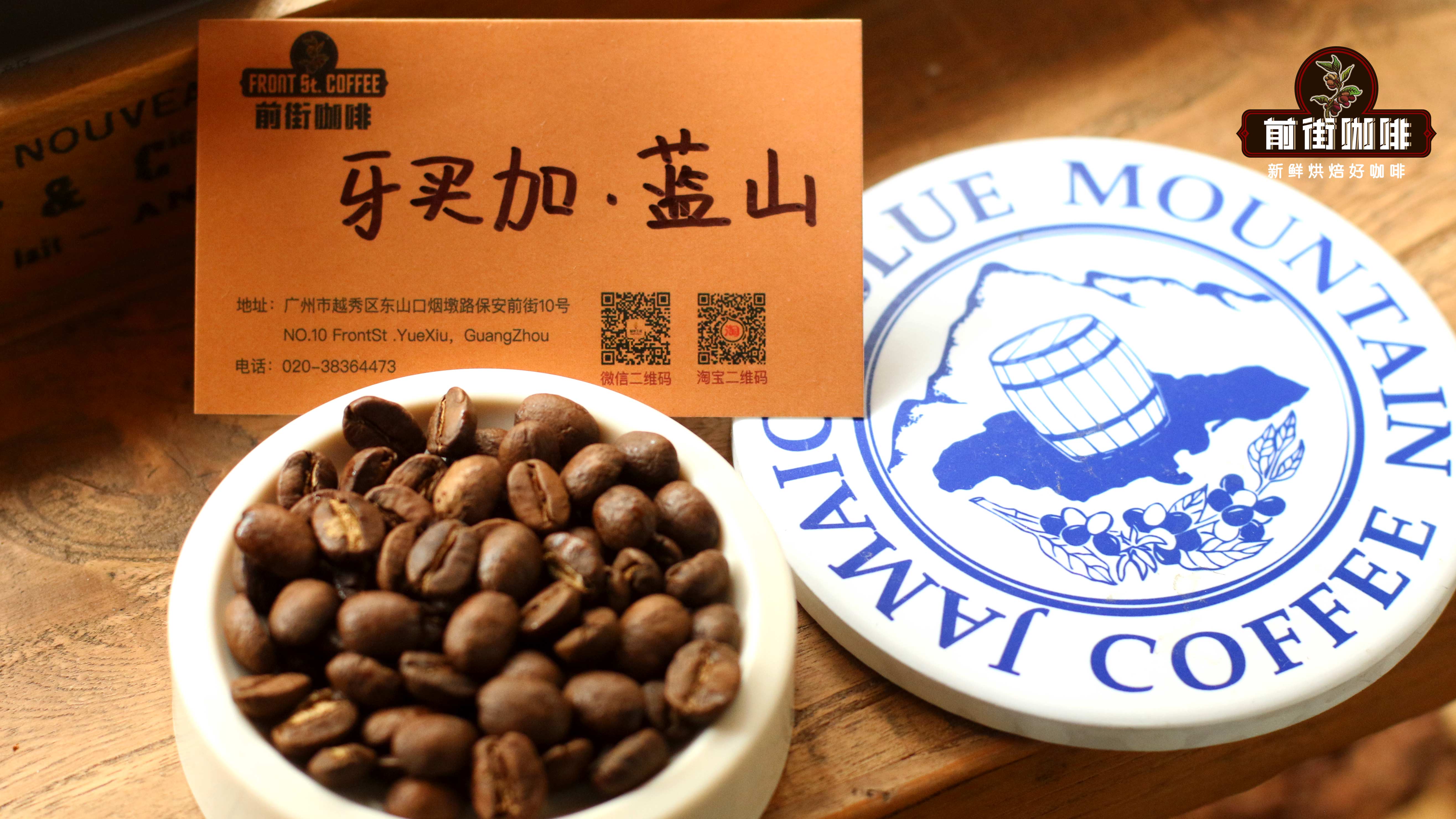
Speaking of Blue Mountain coffee, one cannot fail to mention its flagship product. Its washed Blue Mountain coffee beans are plump and uniform in appearance, with large beans that are highly suitable for roasting. Take the brand’s classic washed Blue Mountain as an example: after roasting, the beans are evenly colored, exuding a rich aroma of toasted bread and roasted almonds. The flavor is full-bodied with an excellent balance of acidity, sweetness, and bitterness, offering a smooth mouthfeel without being overly sharp, and is beloved by coffee enthusiasts.
This outstanding quality can be traced back to the coffee industry revitalization plan promoted by the Jamaican government in the 1950s. In 1950, the Jamaican government officially established the Jamaica Coffee Industry Board, responsible for formulating and enforcing coffee quality standards to ensure that every batch of coffee meets high standards. The Board also issues exclusive official seals of certification for both green and roasted beans exported, and improved production technology and quality control processes through loans provided by Japan, successfully stabilizing its position in the international market.
In terms of variety, Jamaica mainly cultivates the purebred Typica variety, which was introduced from overseas in the 18th century. Due to the island nation’s relatively isolated geographical location, it successfully avoided the global coffee leaf rust disaster that swept the world in the 19th century, allowing the local Typica variety to be fully preserved. In terms of processing methods, Jamaica was also one of the first regions in the world to widely adopt the washed processing technique, which can effectively enhance the cleanliness and flavor expression of the coffee—an important reason for the outstanding quality of Blue Mountain coffee.
In the past, due to Japan’s long-term financial investment in developing Jamaica’s coffee industry, the Blue Mountain coffee market was long dominated by Japanese buyers, who even secured priority purchasing rights. Data from 1992 shows that Jamaica exported as much as 688 tons of Blue Mountain coffee to Japan that year, compared to just 75 tons to the United States and 59 tons to the United Kingdom. There was even a saying in the market that "90% of Blue Mountain coffee was monopolized by Japan, leaving only 10% for other regions." Therefore, regardless of price, Blue Mountain coffee has long been in a state of undersupply. Even today, at some Blue Mountain coffee farms in Jamaica, the deep involvement of Japan’s UCC can still be seen.
However, as Japan’s economy declined in the wake of the subsequent global financial crisis and consumer purchasing power decreased, and with Jamaican coffee farmers unwilling to continue being monopolized by Japanese merchants, they began raising the prices of green beans. Currently, the proportion of Blue Mountain coffee purchased by Japan has dropped to below 60%. Moreover, with the rise of global specialty coffee culture, markets including China can now directly import Blue Mountain coffee beans from Jamaica, providing more diverse purchasing channels.
How to distinguish real Blue Mountain coffee beans?
As Blue Mountain coffee is so famous, the market is flooded with various coffee products labeled as "Blue Mountain," but many of them are merely riding on the name or are outright counterfeits. Truly being able to call something "Blue Mountain coffee" is actually very rare and must meet strict standards.
Common fake Blue Mountain coffee on the market can generally be divided into two types: The first type involves naming tricks, such as labeling products as "Blue Mountain-flavored coffee," "Blue Mountain blends," or "Blue Mountain mixtures." These products are usually based on beans from Brazil, Colombia, or Indonesia and are not from the Jamaican Blue Mountains at all. The second type is more serious, involving the direct misrepresentation of non-Blue Mountain-region coffee beans as genuine Blue Mountain beans. According to the strict regulations of the Jamaica Coffee Industry Board (CIB), only coffee beans grown at an altitude of910 meters (approximately 3,000 feet)and above,and processed by the four legally certifiedestates recognized by the CIB,
can be called "Jamaican Blue Mountain coffee." If beans from outside the core Blue Mountain region are passed off as such, although the offense is less severe, it is still considered mislabeling.
To distinguish between real and fake, it is recommended to focus on the following three key aspects: the qualification of the exporting company, the form of wooden barrel packaging, and the official authorization certificate.
1. Export Company: Must be a legally designated unit by the National Coffee Board
Authentic Blue Mountain coffee can only be exported by export companies certified by the National Coffee Board designated by the Jamaican government. In the past, most Blue Mountain No. 1 grade beans were primarily sold to China through direct branches in Japan, Australia, and Europe. According to statistics from the International Coffee Organization (ICO) in 2013, Japan once accounted for up to 85% of the Blue Mountain coffee quota, with the United States and Europe each taking 5%. At that time, the Chinese market only accounted for 15% of global Blue Mountain consumption. Notably, due to Japan’s long-term investment in Jamaica’s coffee industry, most high-quality Blue Mountain beans were long monopolized by Japan. In 1992, Jamaica exported 688 tons to Japan, 75 tons to the United States, and only 59 tons to the United Kingdom.
Starting in 2005, the Jamaican Minister of Agriculture announced that Blue Mountain coffee should be roasted locally in Jamaica first, then directly exported to consumer countries under a quota system. This policy was also endorsed by the Jamaica Coffee Board (CIB). The CIB board members are mostly local growers with large-scale estates, and its official registered logo and the “BLUEMOUNTAINCOFFEE” trademark are important identifiers for recognizing genuine products on the outer packaging.
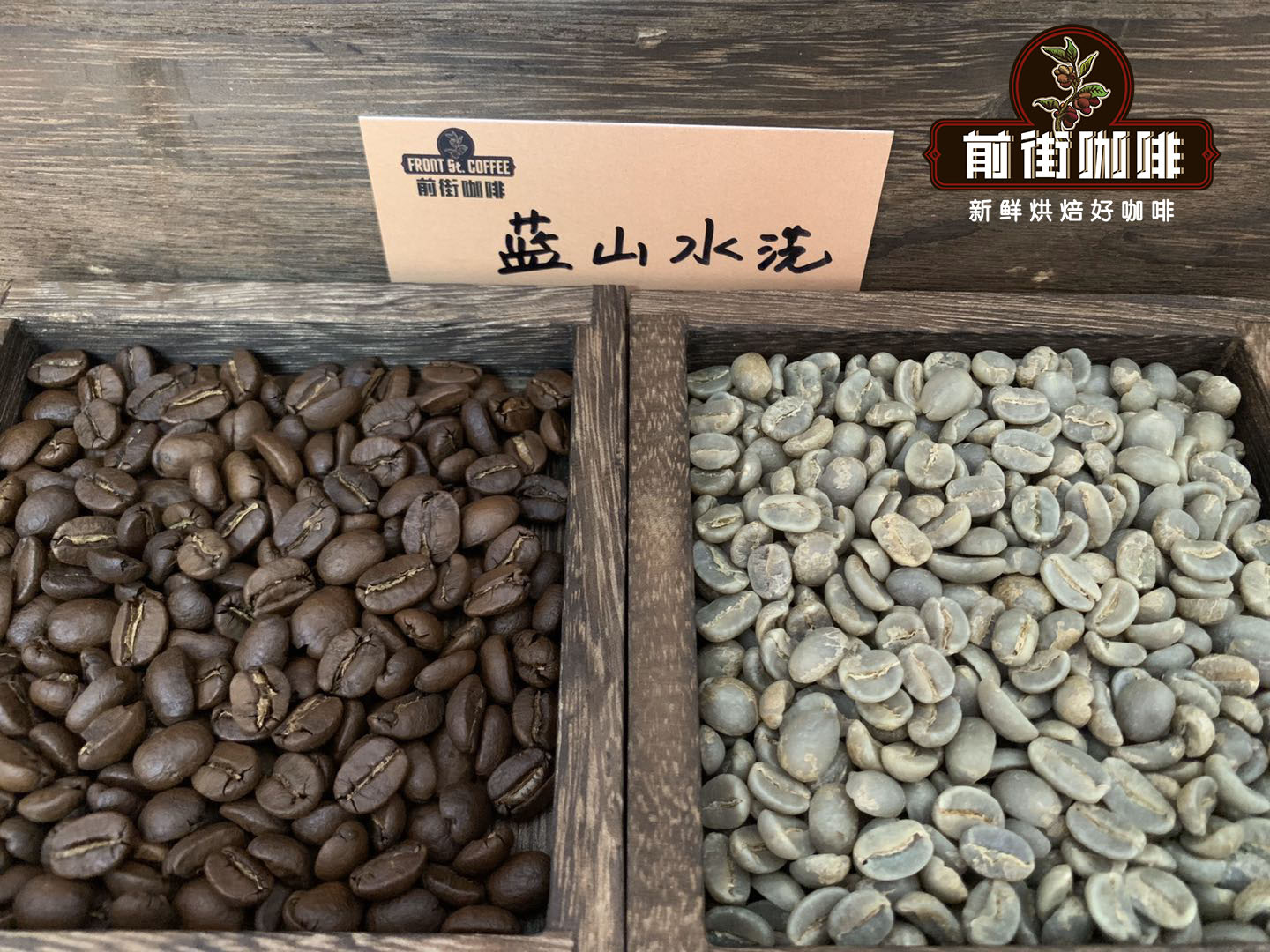
By 2022, with the deepening of trade relations between China and Jamaica, several well-known Blue Mountain producing regions—including the Clifton Estate and Silver Hill Estate—have gradually increased their direct exports to China. If the product comes from these well-known estates, its reliability is significantly higher.
2. Wooden Barrel Packaging: The only region in the world that uses wooden barrels to transport green beans
Blue Mountain coffee is the only coffee-producing region in the world that insists on using wooden barrels to ship green beans, unlike other regions that commonly use burlap sacks. This tradition dates back to the 18th-century British colonial period, when flour barrels shipped from Britain to Jamaica were repurposed after being emptied to transport coffee and rum. This practice effectively isolated external odors and maintained the original flavor of the coffee beans. The wooden barrels used today are mostly made from timber sourced from temperate forests in the United States, ensuring optimal storage conditions.
3. Certificate Authentication: Three official documents are indispensable
- Authentic Blue Mountain coffee must be accompanied by the following three certification documents:
- Quality certificate issued by the Jamaica Coffee Board (CIB)
- Authorized sales certificate issued by the Blue Mountain coffee production facility (currently only 4 government-approved processing plants and 16 authorized exporters)
Certificate of origin for Jamaican Blue Mountain coffee
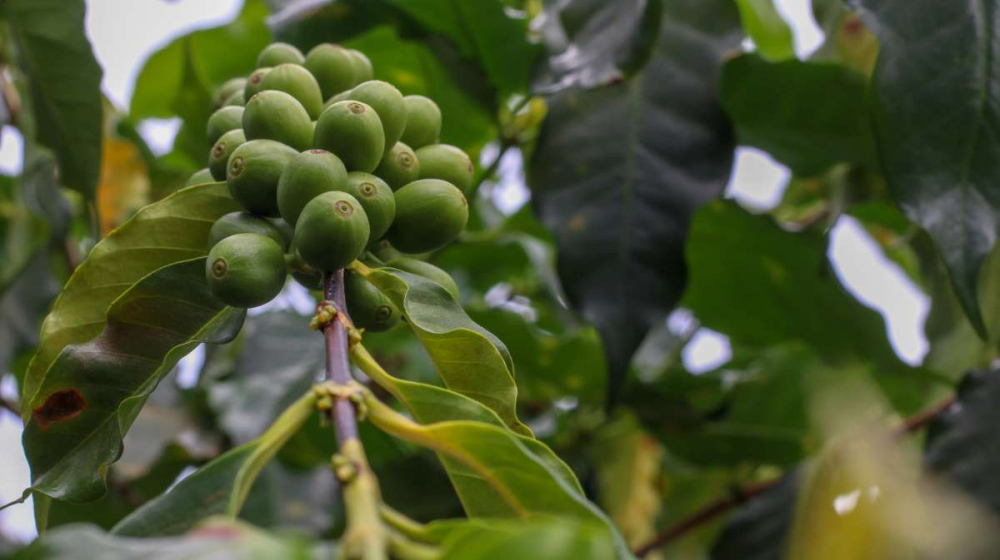
Taking a well-known shop in the industry as an example, it holds an official authorized sales certificate from the Blue Mountain coffee production facility. Consumers can ask the merchant to show the original wooden barrel and the aforementioned certificates when purchasing to confirm whether it is genuine.
Why do many brands prefer to use Blue Mountain coffee from the Clifton Estate? The reason is that the Clifton Estate is not only the oldest coffee estate in Jamaica but also the only Blue Mountain-producing region on the island to receive “(RFA) Rainforest Alliance Certification.” Its wooden barrels clearly display the Rainforest Alliance certification mark, indicating that its production process meets high standards of sustainable agriculture. In addition, the four officially recognized processing estates by the Jamaica Coffee Board (CIB)—Wallenford, Jablum, Silver Hill, and Moy Hall—all label their product packaging with the name of the processing estate. Among them, the Mavis Bank Coffee Factory, established in 1923 as the largest Blue Mountain estate, has “M.B.C.F” printed on its barrels. The Blue Mountain coffee from the Clifton Estate is also one of the first Blue Mountain products to enter the Chinese mainland market.
How much does Blue Mountain coffee cost?
The fame of Blue Mountain coffee is proportional to its price, but compared to the currently popular Geisha coffee, its pricing is still within a reasonable range.Taking the industry (Front Street Coffee) as an example, the retail price of its Jamaican Blue Mountain No. 1 roasted beans is158 yuan / 100 grams, which is not only lower than the prices of many well-known Geisha-producing regions but also offers consumers the opportunity to taste world-class coffee at a relatively affordable budget. For those who want to try it directly, you can also purchase it at its flagship store or Taobao store, or enjoy a cup of Blue Mountain pour over coffee for about60 yuan.
The above content is compiled by CoffeeHunters, a coffee news website.


