







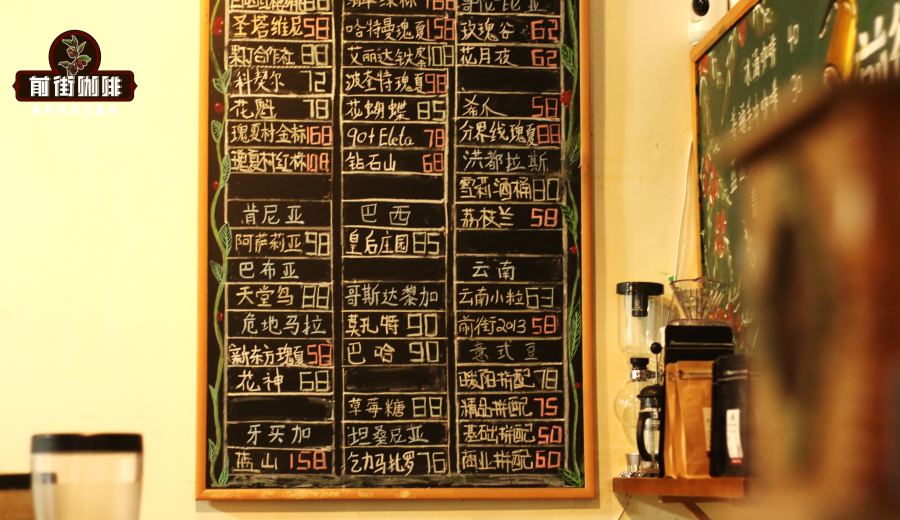
Introduction:Delve into the geographical advantages, native variety characteristics, and diverse processing techniques of Ethiopia’s Sidamo region, with a focus on the unique flavor profile of the 2017 TOH champion natural-processed lot “Hua Kui.” This article systematically breaks down its origin background and cooperative operation model, and provides detailed brewing parameters and practical tips for four brewing devices — the Clever Dripper, AeroPress, V60, and KONO — to help you precisely capture its berry aroma and tea-like finish.
As the global coffee gene bank, Ethiopia’s southern Sidamo region, with its high-altitude terrain ranging from 1400 to 2200 meters, fertile volcanic soil, and rich native varieties, produces specialty coffee beans with diverse and layered flavor profiles. In 2017, a natural-processed batch from the Buku Abel washing station in the Guji-Hambella area won the TOH championship with its intense strawberry cream aroma. This coffee, later known as “Hua Kui,” has since become a star product in the industry.
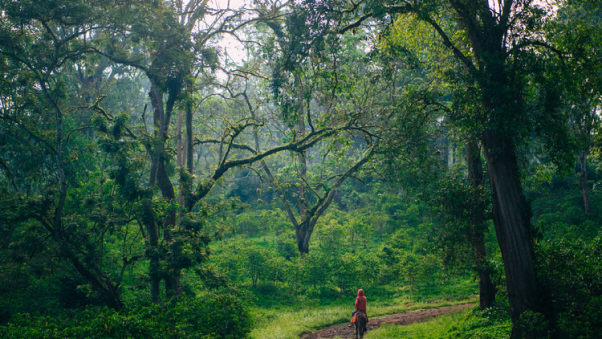
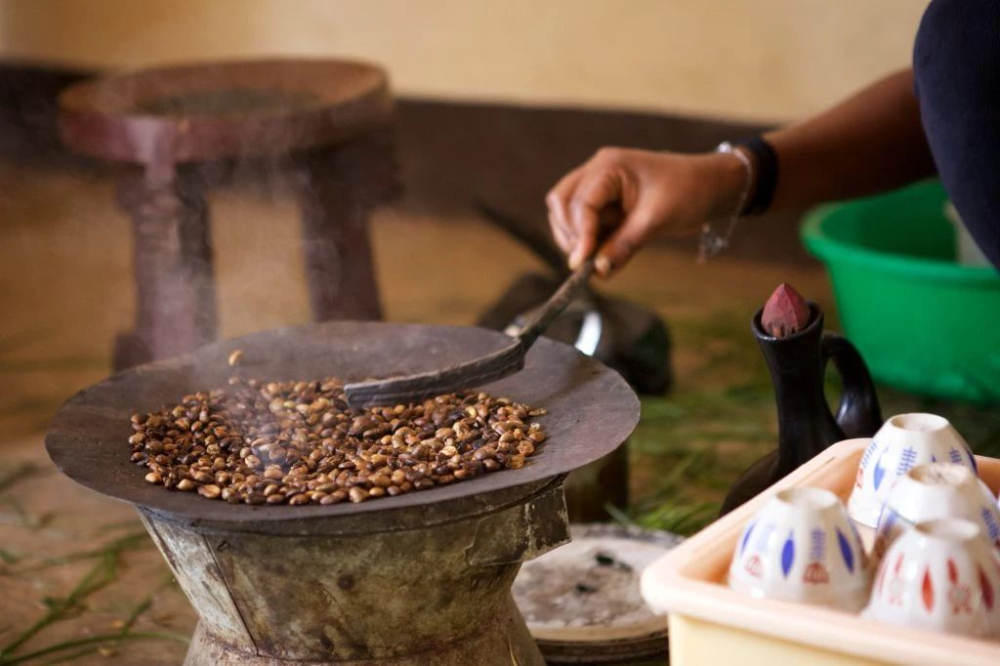
As the birthplace of Arabica coffee, Ethiopia’s Kaffa region still has wild coffee forests. In the local language, “Bun” means coffee, and the English word “coffee” is believed to derive from the place name “Kaffa.” The country is not only the world’s sixth-largest coffee producer, but also has over 20% of its working population engaged in the coffee industry. In 2017, its green bean production was about 470,000 tons, nearly half of which was consumed domestically. Coffee culture is deeply integrated into daily life, with proverbs such as “buna tetu” (drink coffee) and “buna dabo naw” (coffee is like bread) reflecting its social significance.
The Sidamo region features a landscape of mountains, plateaus, and plains, with volcanic soil layers up to two meters deep and high fertility maintained through organic matter cycling. The coffee beans here are light green and oval-shaped; washed lots exhibit aromatic and full-bodied qualities, while natural-processed batches showcase richer fruit tones. Due to microclimatic variations across the region’s diverse terrains, each town produces coffee with unique flavor characteristics, consistently achieving high cupping scores of CR92 to 94.
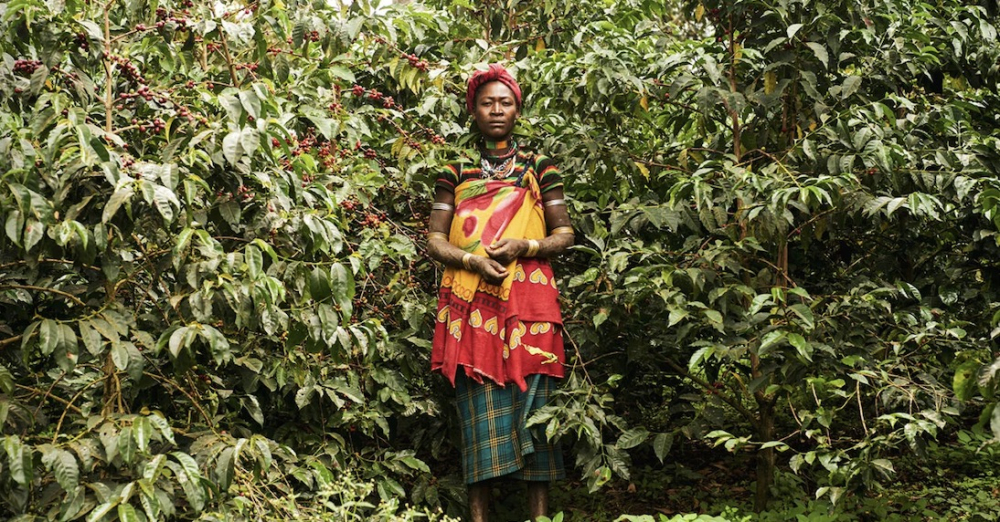
Local coffee farming is primarily based on smallholder mixed cultivation, with around 1.2 million households intercropping coffee with banana trees in their yards, each managing at least 4 hectares of land. Due to limited yields, farmers deliver their fresh cherries to nearby water-source cooperatives for unified processing. For example, the Kongadi Cooperative specializes in washed processing for coffee from the Yirgacheffe town. This cooperative model ensures stable quality and distributes export profits through democratic decision-making, forming a unique supply chain system.
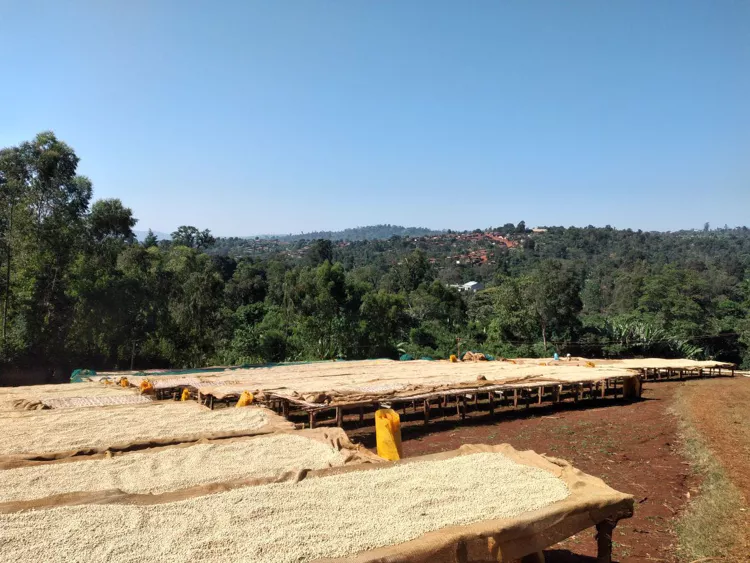
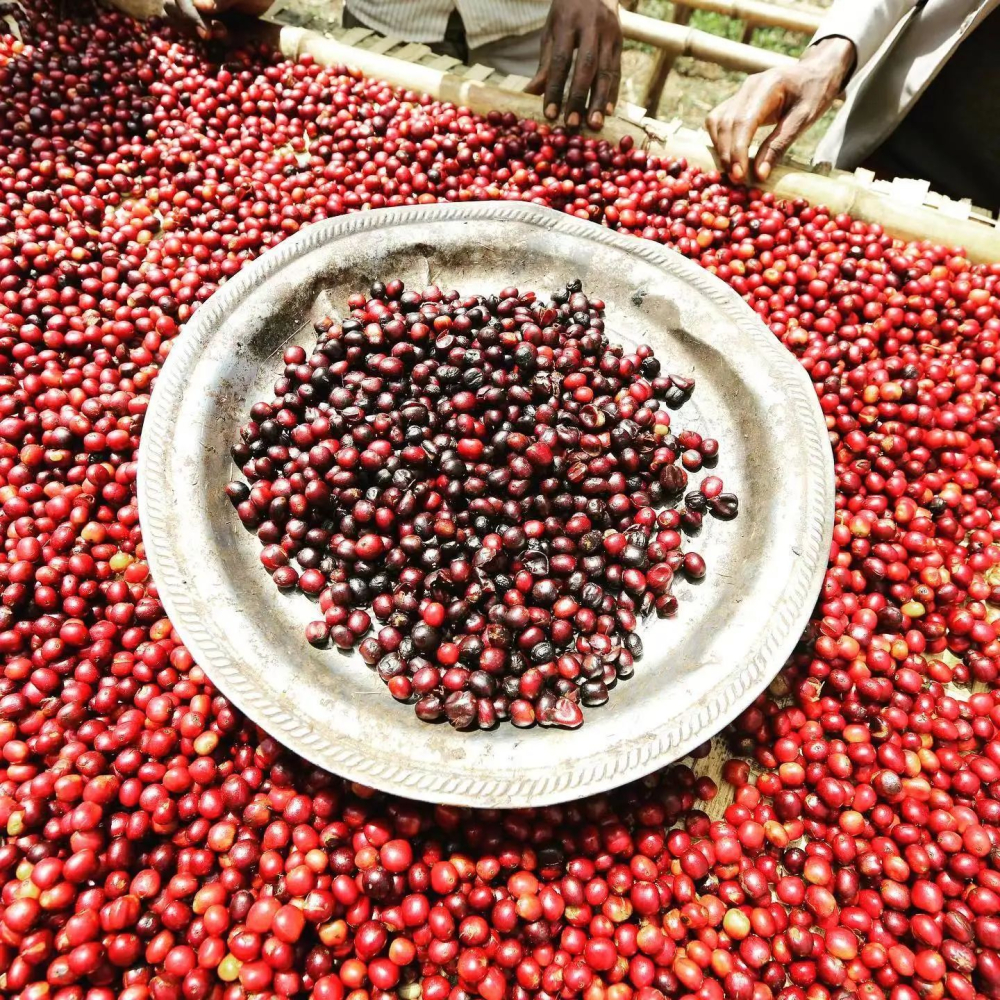
Ethiopian coffee processing techniques are mainly divided into washed and natural methods: the former yields floral, citrusy aromas with a delicate finish, while the latter presents rich, rounded fruit flavors and deeper complexity. In recent years, honey processing has also gradually gained popularity, reflecting the diversification of market demand. The Sidamo natural-processed champion bean “Hua Kui” is an excellent example showcasing the exceptional combination of strawberry and cream aromas.
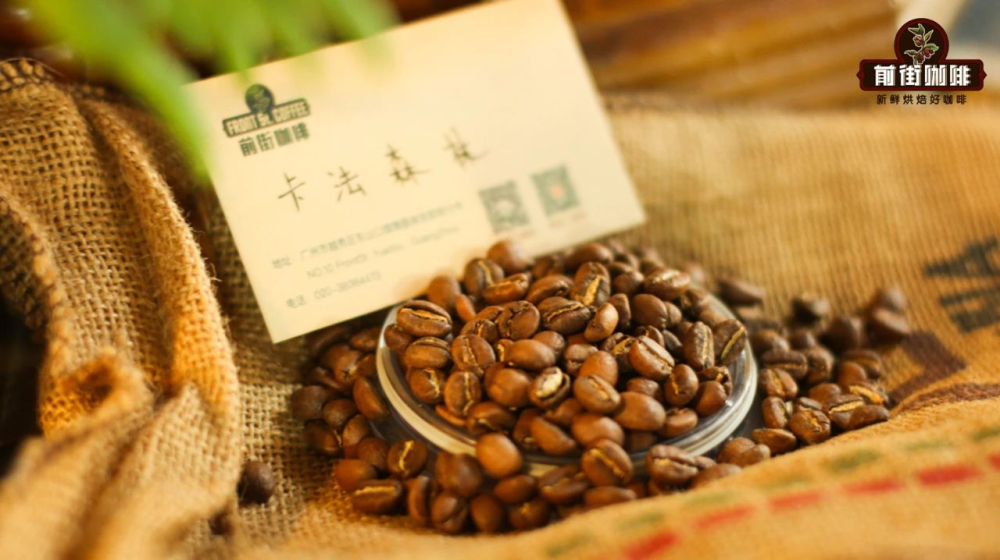
Hua Kui coffee beans originate from the Buku Abel washing station at altitudes of 1750–2350 meters, using Ethiopian native varieties and refined via the natural process. In the 2017 TOH competition, this particular batch stood out for its distinctive aroma. Later, DW Company expanded multiple washing stations in the core Hambella producing area, but only Buku Abel maintains the original geographic characteristics of the champion beans. When selecting, ensure the four key pieces of information: “Sidamo region,” “Buku Abel washing station,” “natural process,” and “Ethiopian native variety,” to avoid confusion with similar products on the market.
One brand’s roasting recommendation uses the Yangjia 800N roaster.Charge the drum at 200°C, with fan setting at 3 and heat at 160.After the drying and first crack phases, drop the beansat 196°C.The final result is a heterogeneous bean appearance with a yellowish-green hue. Due to the wide variety of this native cultivar and the government’s protection of classification information, inconsistent bean size is normal.
For practical brewing, four devices are recommended with different parameters: the Clever Dripper usesmedium-fine grind (80% passing through a #20 sieve),,90°C water temperature and a 1:15 coffee-to-water ratio,with 30g bloomed for 30 seconds followed by infusion up to 225g for 1 minute and 50 seconds; the AeroPress opts formedium grind (75% passing rate),and89°C water temperature,using stirring to assist extraction and pressing for 30 seconds; the V60 pour over employsmedium-fine grind and a three-stage pouring method(30g → 125g → 225g), with total time controlled within 2 minutes and 10 seconds; the KONO pour over usesmedium-coarse grind (70–75% passing rate),and89–90°C water temperature,and extends extraction time to 2 minutes through the filter cup structure.
Each device highlights different flavor facets of the Hua Kui beans: the Clever Dripper is beginner-friendly for mastering immersion techniques, the AeroPress balances richness and clarity, the V60 clearly presents flavor progression from start to finish, and the KONO enhances body and texture. The key lies in adjusting grind size and parameters according to equipment characteristics to precisely capture its berry aroma, tropical fruit notes, and oolong-tea-like sweet aftertaste.
The above content is compiled by CoffeeHunters, a coffee news website.


