







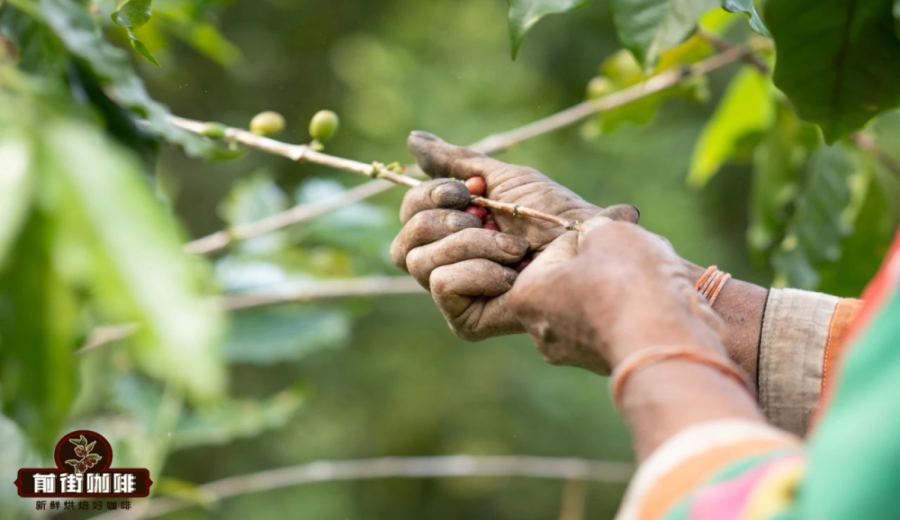
Introduction:From the first Typica tree planted by French missionaries in Yunnan to the current dominance of Catimor, Yunnan’s smallholder coffee has endured a century of transformation. This article delves into the historical evolution of coffee varieties in Yunnan, explores why processing methods have become key to local specialty development, and documents in detail how one coffee brand spent eight years cultivating Typica from scratch. It also shares the actual brewing parameters and flavor profile of this naturally processed Typica.
In recent years, Yunnan coffee has repeatedly achieved accolades in both domestic and international green bean competitions, gradually emerging as a noteworthy new origin in the specialty coffee market. This development can be traced back to the Typica variety introduced by French missionaries a century ago, through three waves of planting booms, to the current reality where Catimor accounts for 99% of the market—a journey shaped by geography, economics, and varietal choices. The article will also detail how one coffee brand chose to go against the tide, spending eight years starting from zero to cultivate Typica and explore the path of specialty coffee.
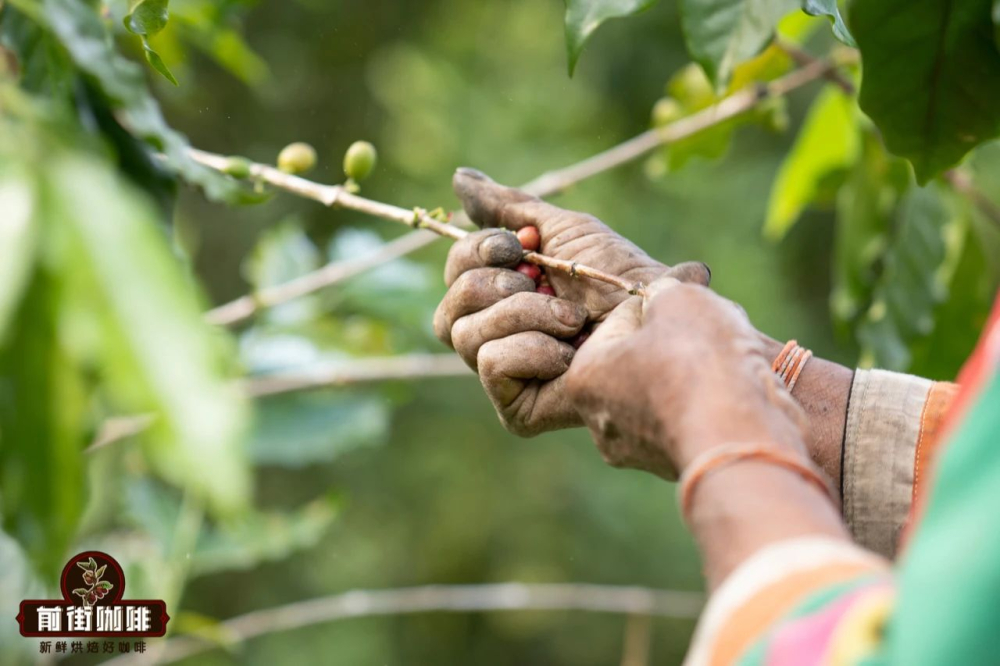
Yunnan’s coffee-growing history dates back over a hundred years. The earliest coffee variety to take root in this land was not today’s dominant Catimor, but Typica, considered the representative of Arabica smallholders. In 1904, French Catholic missionary Térence Desdines entered Yunnan from Vietnam and preached in Zhukula Village, Dali. He planted the first batch of Typica coffee trees beside the local church, marking the origin of Yunnan’s smallholder coffee. Subsequently, Yunnan’s coffee cultivation went through three significant developmental stages, with Typica laying the foundation for the region’s coffee culture.
The first wave of planting occurred in the 1960s. To repay Soviet loans, Yunnan’s agricultural reclamation system launched large-scale coffee cultivation, primarily in state farms such as those in Luxi, Baoshan; Zhefang, Dehong; Ruili; and Wanding. The varieties planted included locally propagated Typica and Bourbon mutants, with the cultivation area once reaching 50,000 mu. However, after the loan repayment was completed and due to the ravages of coffee leaf rust, vast coffee plantations were cut down, reducing the planting area to less than 3,000 mu.
The second wave began in 1988 when Nestlé introduced the Catimor variety to Yunnan to secure a stable supply of raw materials. Catimor, known for its disease resistance and high yield, was heavily promoted, quickly replacing Typica as the dominant variety in Yunnan and still occupying 99% of the market today. As a hybrid under the Arabica category, Catimor offers high yield and disease resistance but relatively average flavor performance.
The third wave emerged after 2000, as China’s economic rise and the introduction of specialty coffee concepts led to more scientific and quality-oriented approaches to variety selection and cultivation in Yunnan. The specialty coffee movement continues to progress to this day.
Why does Yunnan coffee today emphasize processing methods over variety? This is closely tied to Yunnan’s geographical conditions. Although Yunnan lies within the latitude suitable for coffee cultivation, most areas are only around 1,000 meters above sea level, with only southern regions like Baoshan, Lincang, Simao, and Dehong offering ideal growing conditions. Moreover, by the time the specialty coffee concept emerged, Yunnan had already planted large quantities of Catimor due to historical reasons—high-yield varieties originally bred for instant coffee markets, which inherently have limited flavor potential and struggle to directly qualify as specialty coffee.
As a result, the specialty development of Yunnan coffee has followed two main paths: one is to leverage existing Catimor beans and create unique flavors through special processing methods such as natural and anaerobic fermentation; the other is to start from the ground up, selecting suitable plots to replant traditional specialty varieties like Typica and Bourbon, combined with rigorous agronomic management and processing protocols, to gradually cultivate high-quality coffee. However, the latter requires at least five years to yield results, posing too high a risk for most farmers, hence the preference for the former.
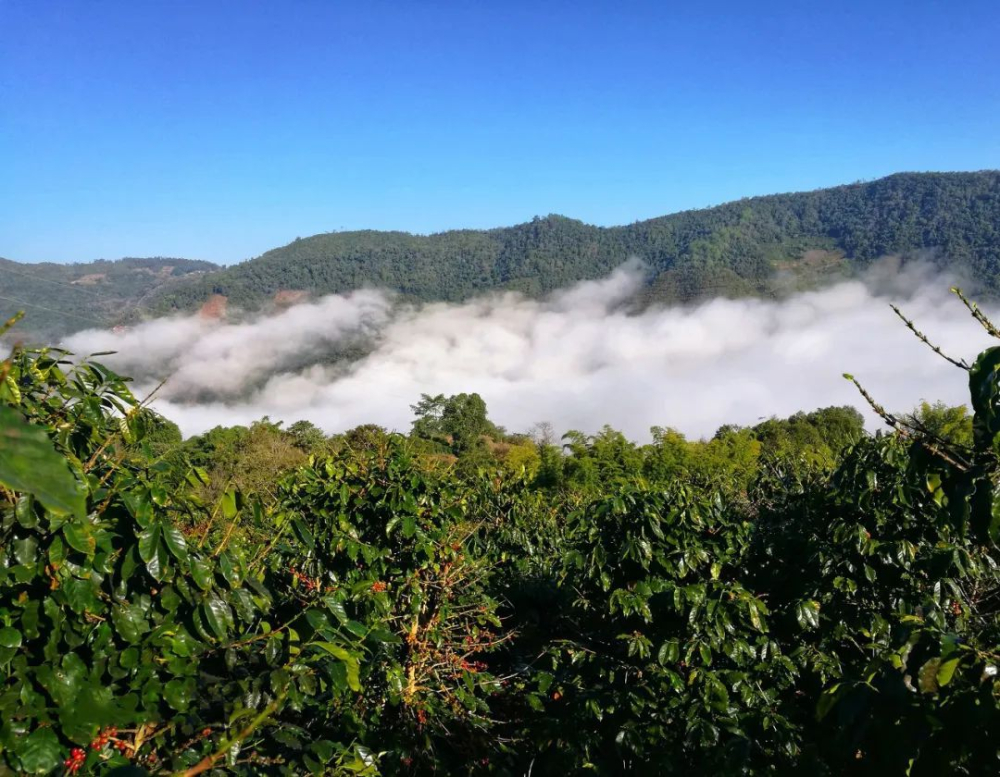
The cultivation exploration journey of one coffee brand chose the latter—a long and challenging path. As early as 2013, the predecessor of this brand attempted to grow coffee in Dazhen, Guangdong, using Catimor seedlings. During the process, they gradually realized the close relationship among variety, altitude, and processing methods, and their impact on the final flavor. Ultimately, the brand abandoned the Guangdong planting plan and shifted focus to finding suitable plots in Yunnan, starting with the variety itself and building its own specialty coffee step by step.
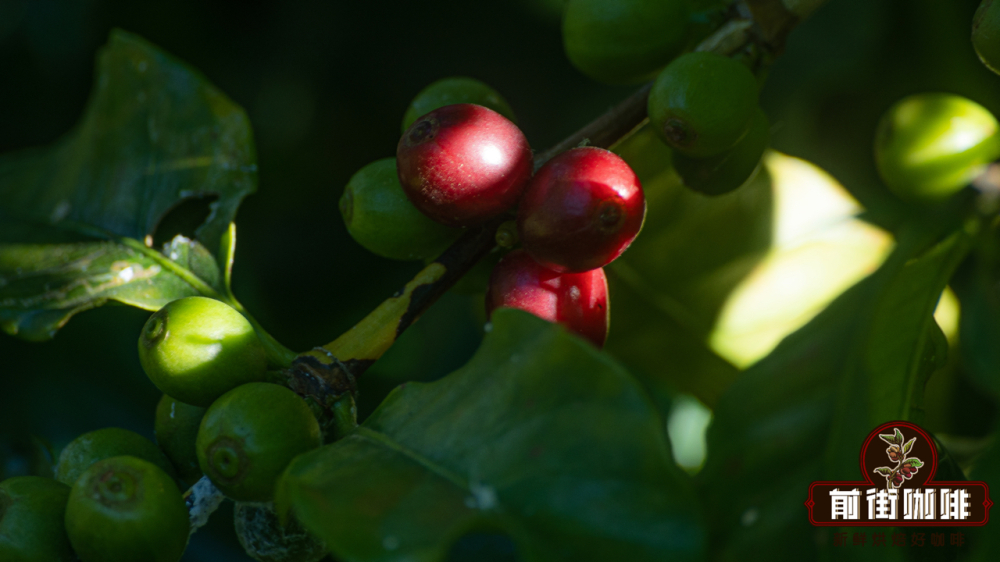
The variety ultimately chosen by the brand is Typica—an Arabica type with excellent flavor performance but low yield (only one-third that of Catimor) and susceptibility to rust. To overcome Yunnan’s generally borderline-altitude disadvantage, the brand specifically selected higher-altitude mountainous areas and invested significant effort in agronomic management to compensate for the altitude shortfall. From site selection and seedling cultivation to planting and processing, the brand adhered to the fundamental logic of specialty coffee: origin, variety, altitude, and processing method are all indispensable.
After more than seven years of effort, the brand finally achieved its initial results in the eighth year—a batch of just 200 kilograms of Typica coffee beans, processed using the natural method, and named “Brand 2013.” This coffee, from planting to launch, took a full eight years, witnessing the brand’s dedication and persistence in specialty coffee.
This “Brand 2013” Yunnan natural Typica is recommended to be brewed using a V60 filter, with a suggested water temperature of 88°C, a coffee dose of 15 grams, a brew ratio of 1:15, and a grind size similar to fine sugar (80% passing through a Chinese standard 20-mesh sieve). The specific brewing steps are as follows: start with a 30-second bloom using 30 grams of water, then pour in a slow, circular motion until the total water reaches 124 grams for the first pour. When the water level drops and is about to expose the coffee bed, continue pouring to 227 grams before stopping. Wait for the water level to drop again and is about to expose the coffee bed before removing the filter. The total extraction time is approximately 2 minutes.
In terms of flavor, this coffee exhibits pronounced nutty notes, with a fuller body compared to the washed version of Yunnan coffee. Its acidity is slightly lower but sweetness is more prominent, delivering an excellent overall balance. Delicate berry-like acidity is complemented by the sweetness of brown sugar and accompanied by a hint of light tea-like sensation. It is a naturally processed Typica with rich flavor layers and distinctive character.
The above content is compiled by CoffeeHunters, a coffee news website.


