








Introduction:Although espresso is the foundation of Italian-style coffee, its intense bitterness often deters beginners. In fact, by mastering the correct way to drink it, you can uncover its layers of flavor and aroma. This article will guide you through techniques such as stirring the crema, sipping in stages, and pairing with ice water, helping you enjoy the true flavors of espresso from the very first sip—and even develop a liking for it.
Espresso is often seen as a challenge for coffee enthusiasts and the starting point for many people’s first encounter with Italian-style coffee. However, many first-timers are often scared off by an unexpected strong bitterness due to unfamiliarity with the proper way to drink it. In reality, this small black liquid packs a rich array of aromas and layers. With just a few simple techniques, you can experience its unique charm.

On social media platforms, we often see people take a shot of espresso, gulp it down, grimace instantly, but then quickly show a look of ecstasy. Such scenes pique the curiosity of many viewers, prompting them to walk into a café and personally try this “bitter followed by sweet aftertaste” experience. However, the reality is often that after the first sip of espresso, the bitterness overwhelms the taste buds, leaving one startled—even prompting them to pour the rest into ice water to “rescue” it as an iced Americano.

Precisely because such experiences are all too common, many cafés do not list “espresso” directly on the menu but instead offer it as a hidden option, to avoid newcomers forming a bad first impression due to accidentally ordering it. But in truth, with the right method, espresso can also be an addictive and refined beverage.

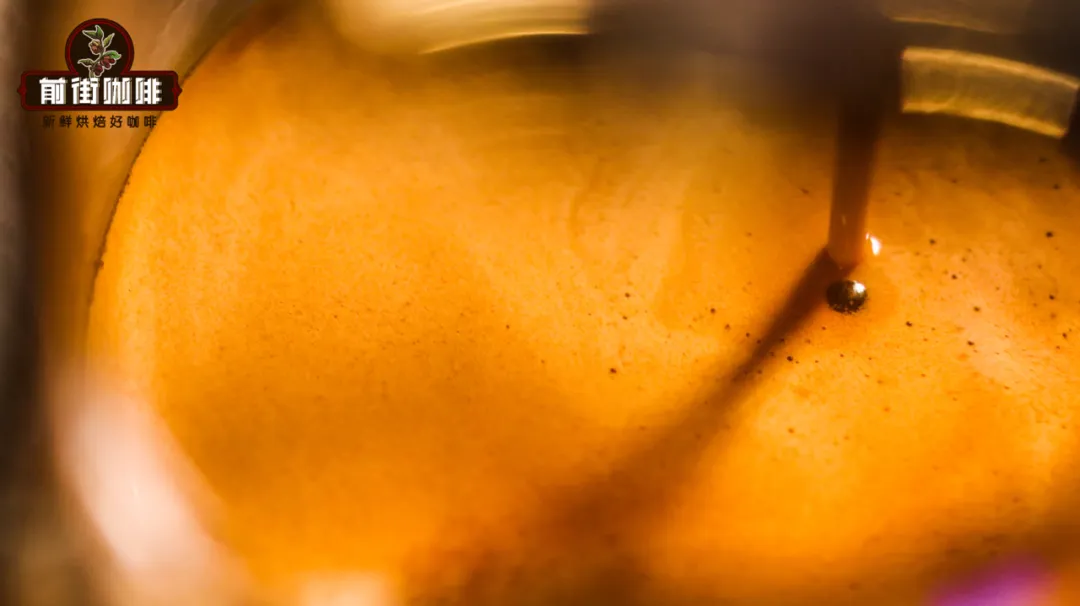
First, understanding the structure of espresso is very important. When espresso is extracted under high pressure from the coffee machine, a golden layer of coffee crema forms on the top. This crema is not only rich in aroma but also affects the overall mouthfeel. However, its density is lower than that of the coffee liquid, so it floats on the surface. Many first-timers, fearing that a single sip might be too strong, only take a small gentle sip—ending up tasting only the surface crema and being repelled by the intense bitterness and astringency, subsequently keeping their distance from espresso.
To improve this, it is recommended to use the small coffee spoon provided with the cup to gently stir the coffee, allowing the crema to fully blend with the coffee liquid below. This simple action not only ensures each sip contains a more complete mix of the coffee liquid but also allows the fine coffee particles adhering to the crema to mix evenly with the liquid, further enhancing the roundness and fullness of the mouthfeel.

In addition, when tasting espresso, it is recommended to take small sips multiple times rather than trying to finish it in one go. The first sip may still bring a noticeable bitterness, but as you continue to sip, your taste buds will gradually adapt, and your sensitivity to bitterness will decrease. At this point, you’ll slowly begin to perceive the rich and layered flavors in the espresso—perhaps subtle caramel notes, nutty undertones, or even a hint of acidity and aftertaste.
Another practical tip is to take a sip of room temperature or ice water before drinking the espresso. This not only cleanses the palate and resets the taste buds but also makes you more sensitive to the details and aromas of the espresso. Then, after stirring it well, you can choose to drink it all in one go or sip it slowly in two or three portions. Either way, after swallowing, it is recommended to gently close your mouth and slowly exhale, letting the lingering aroma of the coffee continue in your mouth. This is also one of the most important parts of appreciating espresso—the closed-mouth aftertaste—which many coffee aficionados consider the most captivating moment.
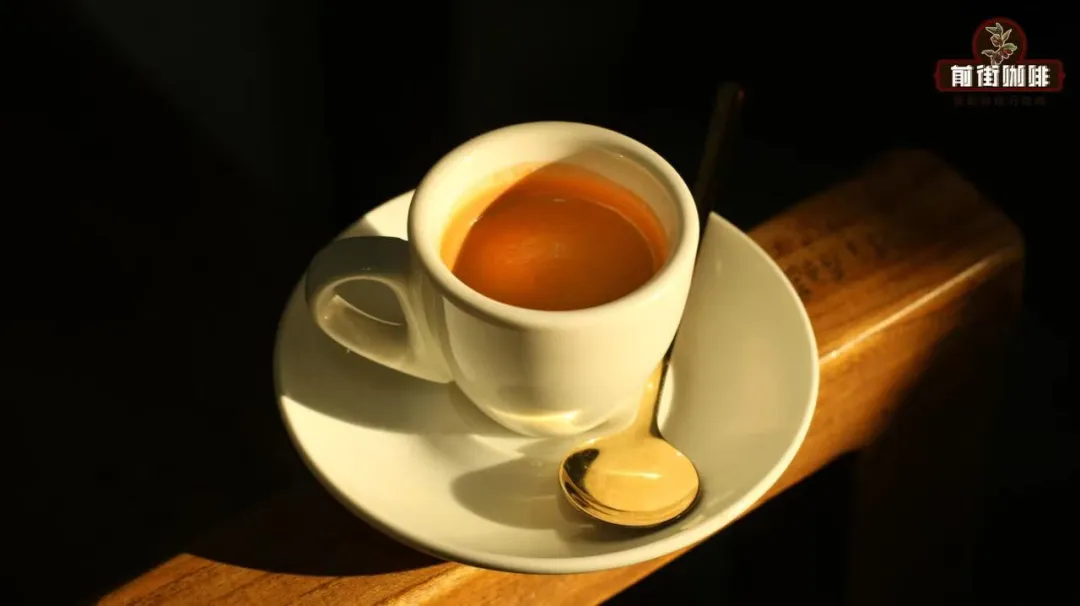
In summary, the correct steps for tasting espresso include: first rinsing with water, gently stirring the crema and coffee liquid, sipping in small portions, and finally closing your mouth to savor the aroma. By following this method and trying it two or three more times, you’ll likely begin to appreciate the unique charm of espresso—and may even shift from initial resistance to falling in love with this rich little black liquid.
If your first experience with espresso wasn’t great, don’t be discouraged—that’s actually a common journey for most people. The key lies in using the right method and giving yourself some time to adapt and feel. Espresso is not just a form of coffee, but also an important gateway to exploring the coffee world. Once you cross that threshold, you’ll open the door to a deeper coffee experience.
The above content is compiled by CoffeeHunters, a coffee news website.


