







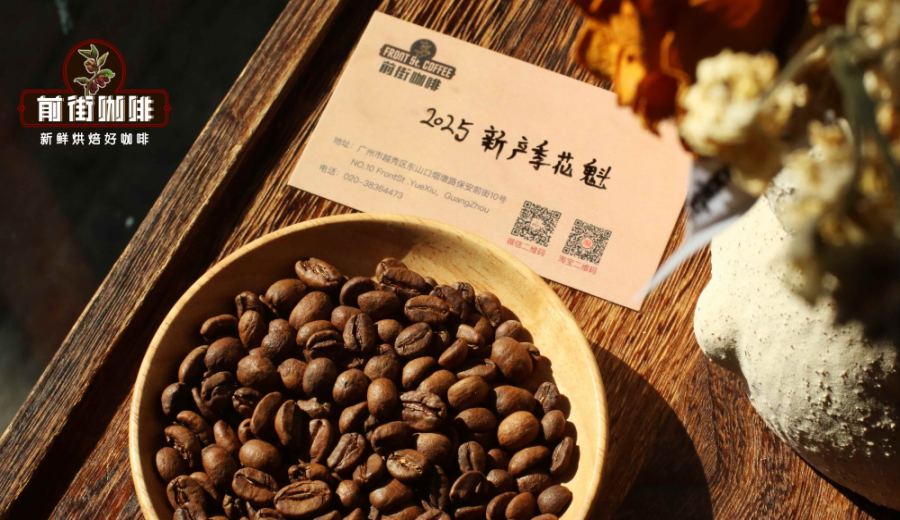
Introduction:As the latest Ethiopian natural-process coffee of the 2025 harvest season, Hua Kui 5.0 has gained widespread popularity for its distinctive berry sweetness and silky mouthfeel. This article delves into its evolution from version 1.0 to 5.0, and in response to the high moisture content characteristic of the new crop, professional roasters have adjusted their roasting strategies. It also provides complete parameters and practical tips for four brewing methods—hot pour over, iced pour over, ice drip, and cold brew—so that both beginners and advanced enthusiasts can easily extract its captivating flavors at home.
On a summer afternoon, a cup of coffee rich in fruity aroma and creamy texture can bring a moment of relaxation and pleasure. This 2025 Ethiopian natural coffee, with its strawberry-cream-like sweetness and juicy body, has become a favorite among many coffee lovers. This article will begin with the historical background of this coffee series, trace its evolution from 1.0 to 5.0, and focus on how the roasters of a certain roasting company adjusted their roasting strategies based on the high moisture content of the new-season beans to deliver the highest quality flavor expression.
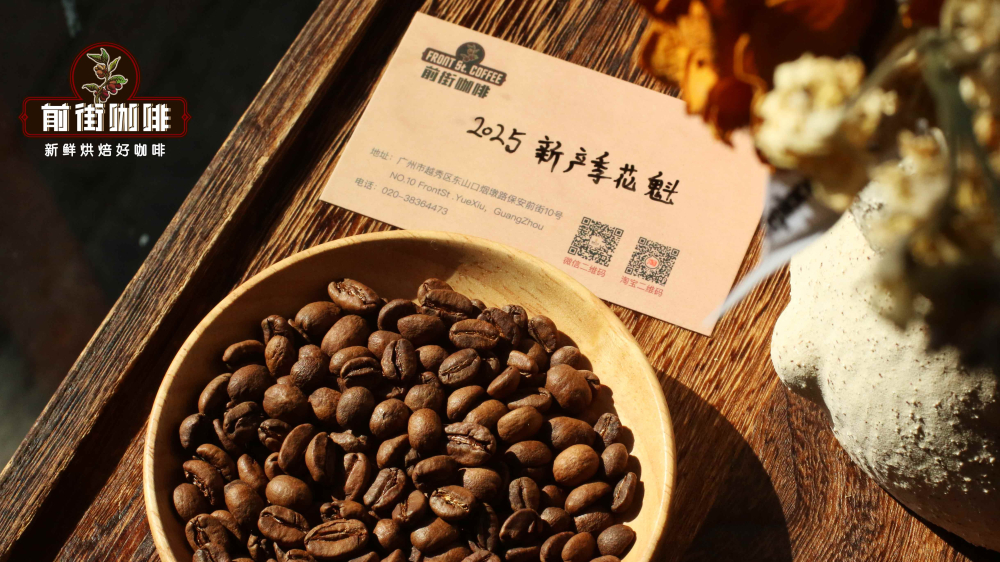
The origin of the Hua Kui series dates back to 2017, when Ethiopian green bean supplier DW sent a batch of beans from the Buku Abel washing station to the TOH (the Taste Of Harvest) competition. This particular lot stood out with its intense strawberry and cream aromas, winning the Ethiopian regional championship that year. Subsequently, these champion beans were introduced to China and were given the name "Hua Kui" due to their exceptional quality. Notably, in the same year, Beijing competitor Li Jianfei used this Hua Kui coffee to win the runner-up in the China regional round of the World Brewers Cup, quickly bringing the beans into the spotlight within China’s coffee community.
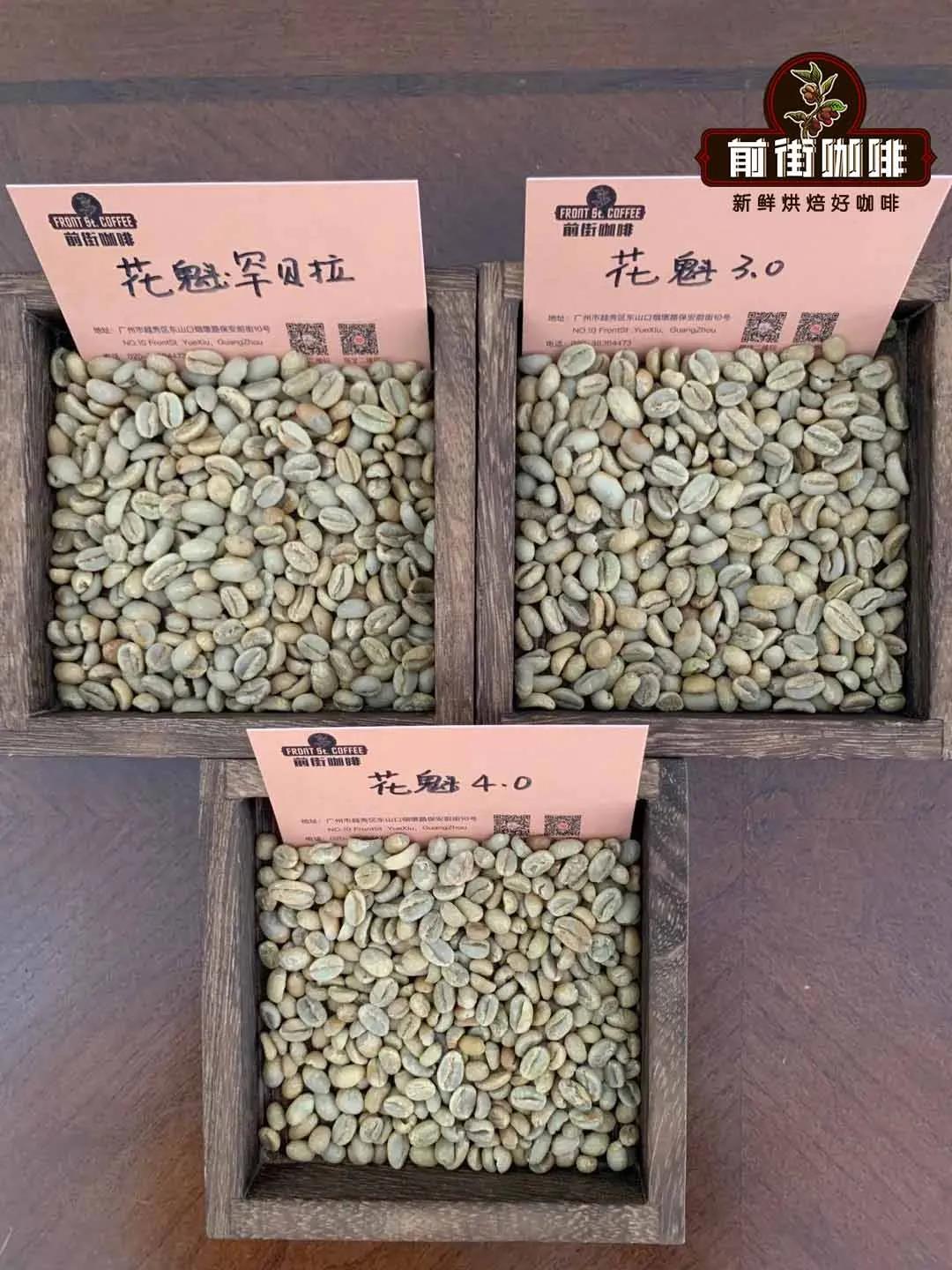
However, does Hua Kui 5.0 equate to the original championship beans? The answer is no. Due to climate change and differences in growing environments, even though the beans continue to come from the Buku Abel washing station and are processed using the natural method, each year’s Hua Kui series still presents different flavor profiles in response to changes in natural conditions. Every year, DW assigns a version number to Hua Kui based on the characteristics of that year’s beans—from Hua Kui 2.0 in 2018, to 3.0 and 3.1 in 2019, then 4.0 in 2020, until Hua Kui 5.0 was launched in 2021, with each version having its own unique personality.
In response to the high moisture content of the new-season beans, the roasters at a certain roasting company have specifically adjusted their roasting strategy. Due to the higher moisture level of the green beans, following the usual process could easily lead to uneven drying or underdevelopment in the core. To avoid this issue, the roasters extended the drying phase—the period from the turn point to the yellowing point—to ensure that heat penetrates the beans evenly. At the same time, to enhance the sweetness and fermentation complexity brought by the natural processing, the development phase (from yellowing point to first crack) was moderately prolonged. In addition, since the coffee is grown at an altitude between 2250 and 2350 meters, making the beans relatively hard, the roasters applied a slight increase in heat just before first crack to prevent overlong first crack development, which could lead to the loss of acidic and sweet flavors.

So, how can you fully showcase the delicate layers of Hua Kui 5.0 in home brewing? Below, we’ll detail four popular brewing methods—hot pour over, iced pour over, ice drip, and cold brew—along with specific parameter recommendations and step-by-step instructions to help you easily unlock the potential of this coffee.
Hot Pour Over and Iced Pour Over: Precise Control with High Water Temperature and Fine Grind
To fully highlight the rich fruitiness and sweetness of Hua Kui 5.0, it’s recommended to use a relatively high water temperature and a finer grind, but paired with a fast-flowing filter cone such as the V60 to avoid over-extraction. The V60’s 60-degree cone design allows coffee grounds to be evenly distributed, and its inner clockwise spiral ribs create an appropriate gap between the filter paper and the cone, ensuring smooth water flow. The large bottom hole also contributes to excellent overall flow rate, aiding in better control of extraction rhythm.
Hot Pour Over Parameters:Water temperature: 90°C, brew ratio: 1:15, coffee dose: 15g, medium-fine grind (80% passing through a Chinese 20-mesh sieve). The brewing steps are as follows: start with a 30-second bloom using 30g of water to allow the coffee grounds to fully expand; then pour 125g of water at the one-minute mark, and when the water level drops to two-thirds of the coffee bed, pour the third pour to reach 225g total at the 1:40 mark. Total brew time is about 1 minute and 59 seconds. Finally, gently swirl the coffee to enjoy its layered flavors.
Iced Pour Over Parameters:Water temperature: 91°C, brew ratio: 1:10, coffee dose: 15g, medium-fine grind (85% passing through a Chinese 20-mesh sieve), with 100g of ice cubes prepared. Also use a three-pour method: the first pour is 30ml for blooming for 30 seconds, followed by a second pour of 60ml, and a third pour of 60ml. Then pour the brewed coffee into a cup pre-filled with ice cubes and gently swirl to mix.
Ice Drip and Cold Brew: Delicate Expression Through Low-Temperature Extraction
Ice drip extraction is a slow and meticulous process. A standard practice at a certain coffee shop is to use 60g of coffee grounds with 600ml of ice water mixture, achieving a 1:10 powder-to-water ratio. The grind is slightly finer than for pour over, around 85% passing through a 20-mesh sieve. The drip rate is controlled by a valve at 7 drops per 10 seconds, and the entire process takes 6 to 8 hours. After extraction, it’s recommended to let the coffee chill and settle for 12 hours to allow flavors to mature.
As for cold brew, it’s recommended to use a slightly finer grind than for pour over—about 75% to 80% passing through a Chinese 20-mesh sieve, with a feel similar to fine sugar. On the EK43s grinder, this corresponds to approximately settings 9.5 to 10, or on a hand grinder like the C40, around settings 22 to 26. Mix coffee grounds at a 1:10 powder-to-water ratio with room-temperature water, seal and refrigerate for 8 to 12 hours, then filter out the grounds using filter paper. For direct drinking, a brew ratio of 1:12 to 1:13 is recommended for optimal taste; if planning to add fresh milk, increase the concentration to 1:10 to 1:11 to prevent the milk flavor from overpowering the coffee’s inherent taste.
Regardless of which brewing method you choose, a special reminder: because ice drip and cold brew are produced in low-temperature environments, it is advised to consume them within five days after preparation to ensure freshness and safety.
The above content is compiled by CoffeeHunters, a coffee news website.


