







Introduction:Golden Mandheling and Yirgacheffe are two classic single-origin coffee beans from different growing regions — one hailing from Sumatra, Indonesia, known for its rich body with chocolate and herbal notes, and the other originating from Ethiopia, famed for its bright acidity and floral-fruity aromas. This article delves into the core differences between the two, covering everything from origin background, varietal sources, processing methods, roasting strategies, to pour over parameters, and provides practical brewing suggestions to help coffee enthusiasts choose the right beans based on their taste preferences.
In the world of specialty coffee, Golden Mandheling and Yirgacheffe stand as two iconic representatives, coming respectively from Sumatra, Indonesia and Ethiopia. These two beans exhibit distinctly different flavor profiles due to variations in geography and processing methods. If you're just beginning to explore single-origin coffees, understanding the characteristics of these two beans will help you discover your own preferred coffee direction.
Origin and Varietal Differences Lay the Foundation for Flavor
Yirgacheffe, as a representative specialty coffee region in Ethiopia, boasts an exceptionally rich genetic diversity among its coffee plants. Many locally produced beans are labeled as “Heirloom,” a term used because numerous varieties have not yet been systematically classified or named. These Heirloom varieties grow in mixed stands on the trees, resulting in a variety of bean sizes and shapes during harvest — from slender to round — which is a distinctive feature of Yirgacheffe. This area is the birthplace of coffee, and its natural conditions create unique flavor potential.
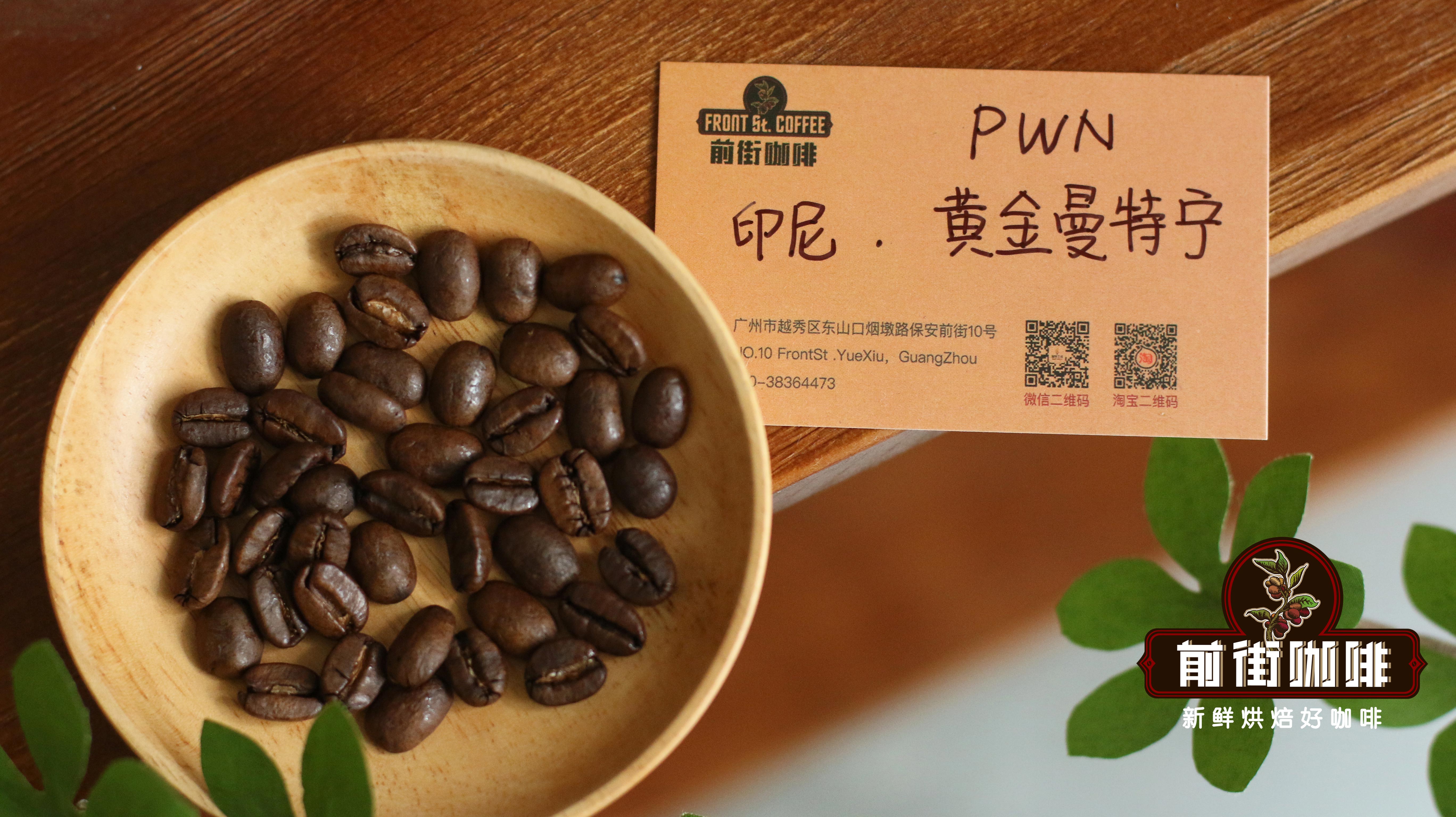
In contrast, Golden Mandheling comes from Sumatra, Indonesia, with its main production areas concentrated around Lake Toba and the Aceh region at elevations of 900 to 1600 meters. The region has a tropical rainforest climate with stable year-round temperatures and high humidity, making it suitable for growing Arabica coffee trees. It’s worth noting that the term “Mandheling” is not a varietal but rather a historical regional designation that later became a general term for Sumatran coffee. “Golden Mandheling,” in particular, is a trademark registered by Indonesia’s PWN (Pusat Penyangga dan Pemasaran Kopi), symbolizing high quality and stringent selection standards.
Processing Methods Shape Unique Flavor Profiles
Processing is one of the most crucial factors influencing a coffee’s final flavor. In Ethiopia, Yirgacheffe primarily employs the washed processing method. This involves mechanically removing the skin and pulp, then using fermentation to remove the mucilage, followed by washing with clean water and drying. This process results in a cleaner, brighter cup with pronounced acidity, ideal for showcasing the region’s floral and fruity characteristics. Washed Yirgacheffe often retains silver skin threads, which also serve as an external indicator of washed processing.
Meanwhile, Golden Mandheling from Sumatra uses the “wet hulling” method, a technique developed to adapt to the region’s humid and rainy climate. After initial water washing and fermentation, the beans are hulled to remove the parchment layer before they are fully dried. This method helps retain more body and lower-toned flavors, contributing to Mandheling’s unique herbal, spicy, and dark chocolate-like characteristics.
Roasting Strategies Influence Taste Presentation
In terms of roast levels, Golden Mandheling, with its inherently bold flavors and herbal notes, is typically roasted to a medium-dark level by roasters. This enhances its body and sweetness while bringing out caramel and nutty undertones. Yirgacheffe, on the other hand, is mainly roasted light to highlight its delicate floral notes, citrus acidity, and fresh fruitiness, creating a bright and vibrant cup profile.
It’s especially important to note that Yirgacheffe green beans are small in size, vary in shape, and have a lower heat tolerance. Therefore, careful control of heat and time during roasting is essential to avoid over-extraction and loss of flavor.

Pour Over Parameters and Brewing Recommendations
When it comes to brewing, different beans suit different parameter settings to bring out their optimal flavor expressions.
ForWashed Yirgacheffe,it is recommended to use a Hario V60 filter cone, paired with a water temperature of 90°C,abrew ratio of 1:15,anda grind size of approximately 80% passing through a #20 sieve (medium-fine grind),with about 15 grams of coffee. The V60’s fast flow rate and good airflow help clearly express Yirgacheffe’s fruity acidity and aromatic layers, making it suitable for drinkers who prefer a bright and refreshing cup. The resulting brew usually presents a bright lemon acidity and citrus notes, with a soft tea-like finish.
As forGolden Mandheling,it is recommended to switch to a Kono filter cone. The rib design and low airflow characteristics of this cone extend the contact time between water and coffee grounds, helping to enhance body and sweetness. Suggested parameters include a water temperature of 88°C,abrew ratio of 1:15,anda grind size of around 70% passing through a #20 sieve (medium-fine grind),again using 15 grams of coffee. This combination effectively highlights Mandheling’s chocolate, nutty, and caramel aromas, resulting in a round and long-lasting mouthfeel.
Conclusion: Choosing the Right Coffee Bean Based on Taste Preference
Overall, Yirgacheffe, with its bright acidity, floral-fruity aromas, and refreshing profile, is ideal for coffee lovers who enjoy lighter-bodied cups; whereas Golden Mandheling, with its full body, herbal, and dark chocolate tones, appeals more to those who prefer bold and structurally rich coffee. No matter which one you choose, freshly roasted beans and appropriate brewing parameters are key to unlocking the best flavor expression.
By gaining a deeper understanding of the backgrounds and characteristics of these two classic single-origin beans, you’ll be able to confidently select coffee based on your personal preferences and enjoy every nuanced detail and transformation during the pour over process.
The above content is compiled by CoffeeHunters, a coffee news website.


