







Introduction:The Wangshan Estate in the Brunca region of Costa Rica, blessed with a unique microclimate and environmentally friendly farming practices, produces a delicate Black Honey Geisha. This article delves into the estate’s background, the black honey processing method, and offers professional pour over recommendations tailored to its fruity flavor profile — including filter choice, water temperature, grind size, and a three-stage brewing technique — to help you fully unlock its rich fruit aroma and honey sweetness.
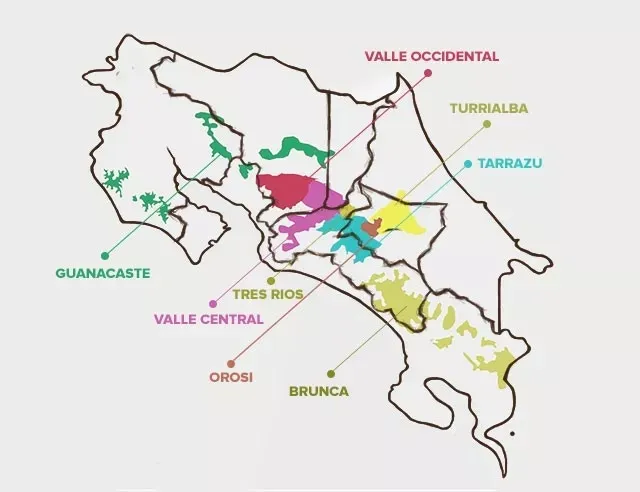
Located in the Brunca region of southern Costa Rica, Café Rivense del Chirripó (Wangshan Estate) sits in a valley between the mountains of Mürit and Chirripó, at an altitude of approximately 1,550 meters. This land, embraced by majestic peaks, enjoys a special microclimate and employs sustainable agricultural methods, making it an ideal place for cultivating high-quality coffee.
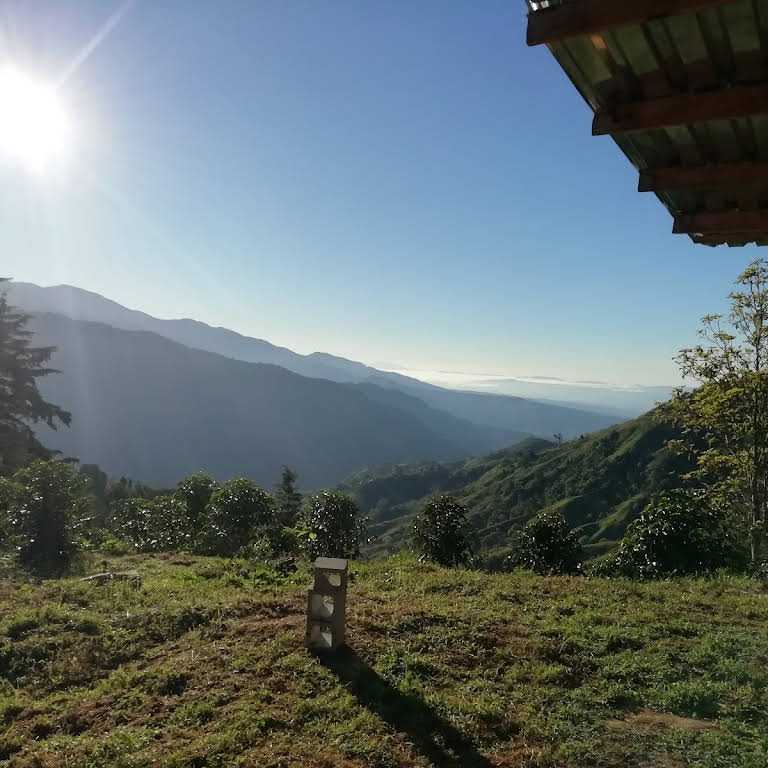
In 2005, Régulo Gerardo Ureña Chacón and his wife Isabel Rojas took over this 8-hectare coffee plantation, embarking on their farming journey. In the early morning, the magnificent view of Chirripó Mountain unfolds before your eyes, which also inspired the estate’s name “Wangshan” (literally “Looking at the Mountain”). Nestled between two major peaks — Mürit Mountain (3,491 meters) and Chirripó Mountain (3,820 meters) — this micro-region benefits from a climate with significant day-night temperature variation and moderate humidity, highly conducive to the accumulation of sugar in coffee cherries and the development of flavors.
Initially, the Ureña Rojas family faced challenges such as rugged terrain and limited technical resources, but through years of experimentation and effort, they were honored with 5th place in the 2019 Cup of Excellence (COE). Today, in addition to managing their own farms, they also assist neighboring farmers with green bean processing and market expansion, promoting the development of the local specialty coffee industry.
The Wangshan Estate has long been committed to environmental protection and sustainable operations, adopting eco-friendly management practices throughout planting and processing: fertilizing precisely based on soil test results to avoid excessive chemical use; comprehensively protecting water sources and planting shade trees, which not only provide appropriate shade for coffee trees but also produce fruits that serve as food for wildlife. This green environment helps improve the ripeness and overall quality of coffee cherries.
The Black Honey Geisha from Wangshan Estate uses the black honey processing method, a compromise between natural drying and honey processing. Coffee cherries are hand-picked at optimal ripeness when their sugar content is at its highest. During processing, the outer skin and pulp are first removed, while the rich mucilage layer is deliberately retained. The mucilage-covered beans are then placed on drying beds for 12 to 15 days of sun drying. This process requires strict control of temperature and evenness to prevent over-fermentation or excessive drying, ensuring that sugars gradually transform into sweet aromas.
Throughout the entire processing workflow — from drying, hulling, grading to packaging and export — each step is rigorously monitored to ensure product traceability and consistent quality. This method saves water resources while imparting a strong sweetness and layered fruit fermentation notes to the coffee.
The Black Honey Geisha introduced here comes from the Wangshan Estate in Costa Rica’s Brunca region, with the Geisha variety grown at an altitude of 1,550 meters. This batch is medium-light roasted to preserve more fruitiness and fermented sweetness, making it an excellent choice for pour over enthusiasts.
In cupping, the dry aroma features intense dried fruit and berry fermentation scents; upon sipping, it reveals a multi-layered sweetness of citrus, cherry, and cantaloupe, with a soft acidity and full body. The aftertaste carries a warm fruit tea note, delivering an overall balanced and layered profile.
To brew this Black Honey Geisha at home and fully express its flavors, we recommend the following parameters: use a V60 filter, with 15 grams of coffee, a 1:15 coffee-to-water ratio, and a total of 225 grams of water. The grind size should be similar to fine sugar, around 78% extraction through a #20 sieve, suitable for highlighting delicate fruit notes and balanced acidity and sweetness.
The specific brewing steps are as follows: first, at approximately 90–91°C, pour about twice the weight of coffee grounds (around 30 grams) of hot water for a 30-second bloom to activate the coffee; then, pour water in a slow, circular motion from the center outward using a thin stream. When the total water volume reaches 125 grams, pause to allow the coffee bed to settle slightly; once the water level drops to about half the filter, continue pouring with the same thin stream up to 225 grams. The total extraction time should be around 2 minutes (with a 10-second margin of error allowed).
Using this brewing method can fully release the rich cantaloupe and tropical fruit aromas of the Black Honey Geisha, with balanced acidity from berries and cherries. As the temperature cools slightly, the refined fruit tea aftertaste becomes more pronounced. Overall, it delivers a well-balanced, sweet-and-acidic taste with rich layers, making it highly suitable for coffee lovers who enjoy fruity profiles.
The above content is compiled by CoffeeHunters, a coffee news website.


