








Introduction:Thanks to its smooth and easy-drinking profile, cold brew coffee has become a new favorite among coffee enthusiasts worldwide in recent years. This article delves into the brewing principles of cold brew, compares it with common iced coffee, and provides detailed homemade steps and key parameters—including recommended coffee-to-water ratios and refrigeration times—to help readers easily make well-balanced cold brew coffee at home.
In recent years, cold brew coffee originated in the United States and, fueled by social media, gradually gained popularity in places like Japan and Europe, eventually becoming widely known through the promotion of international chain brands. This brewing method, which involves steeping coffee grounds in cold water for an extended period, not only has a low barrier to entry but also delivers a flavor profile distinctly different from traditional hot-brewed coffee.
As the name suggests, cold brew coffee is a coffee beverage made by extracting with cold water. Compared to high-temperature extraction, the cold brew process usually takes longer but can effectively reduce the release of tannins and excessive caffeine, resulting in a smoother and more layered taste. This extraction method shares similarities with cold-brewed tea, both using time to achieve a delicate expression of flavor.

Many people often confuse cold brew coffee with regular iced coffee, but in reality, there are significant differences in their production techniques. Traditional iced coffee is usually brewed quickly with hot water and then rapidly cooled by adding ice or ice water; whereas cold brew coffee is steeped in a low-temperature environment for an extended period, typically requiring at least12 hoursof extraction time. This difference makes cold brew coffee milder in flavor, with significantly reduced acidity and much less bitterness.
In terms of convenience, cold brew coffee’s advantage lies in its simple operation. Just prepare an appropriate amount of coffee grounds and cold water, mix them according to the recommended coffee-to-water ratio (usually between1:12 and 1:15), and let it refrigerate. This characteristic makes it an ideal choice for many busy professionals—just complete the steeping process the night before and enjoy freshly made iced coffee the next morning.
It’s worth noting that cold brew coffee has a relatively long shelf life and can maintain good flavor for several days under proper storage conditions. This is mainly due to the suppression of microbial activity in a low-temperature environment and the reduced oxidation during the cold brew process. For those who enjoy the flavor of black coffee, cold brew offers an excellent option to savor rich coffee aroma while maintaining a smooth taste.
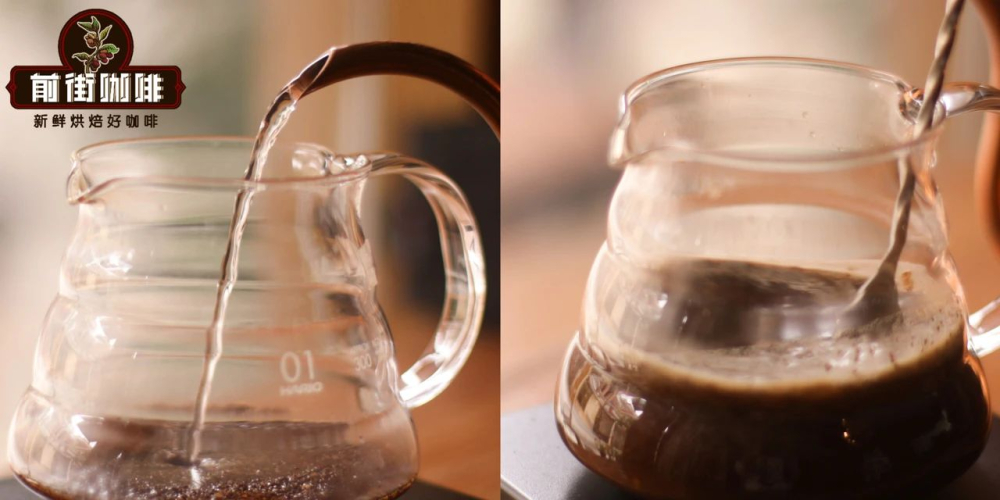
To make cold brew coffee at home, it is recommended to start with about40–50 grams of coffee beansand500 milliliters of cold wateras a basic recipe. The grind size can be similar to medium-fine used for a French press—too fine may lead to over-extraction, while too coarse may affect flavor release. After thoroughly mixing the coffee grounds with cold water, place it in a sealed container and refrigerate. The recommended steeping time is12–24 hours, which can be adjusted based on personal taste preferences.
After steeping, it is recommended to filter the coffee using paper or cloth filters to obtain a clear coffee liquid. At this point, you can adjust the concentration by adding ice cubes according to your preference, or further create variations such as cold brew with milk foam. The overall process is simple and beginner-friendly, with flexible adjustments to various parameters based on personal taste, making it an excellent way to explore the world of coffee flavors.
The above content is compiled by CoffeeHunters, a coffee news website.


