







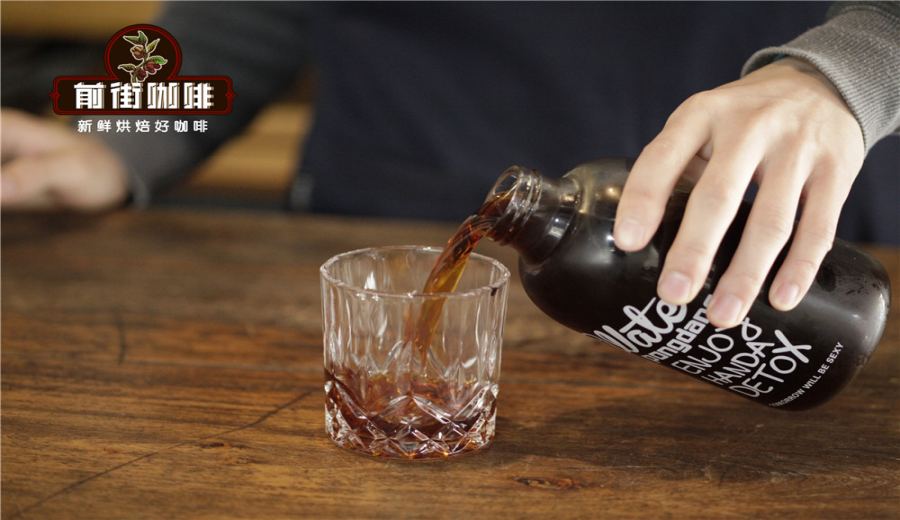
Introduction:Cold drip coffee, with its unique low-temperature extraction process, delivers a gentle yet layered flavor profile, making it a top choice for many coffee enthusiasts during slow winter brewing. This article delves into the differences between cold drip and cold brew, explores its historical background and extraction principles, and details key operational aspects such as equipment structure, coffee-to-water ratio, grind size, and flow rate control. It also recommends several coffee bean flavor profiles well-suited for cold drip, helping you brew at home with consistently aromatic and long-finishing results.
Cold drip coffee is a brewing method where ice water slowly drips drop by drop through ground coffee, in stark contrast to the high-temperature, fast extraction of pour over coffee. This technique not only showcases more nuanced layers of coffee flavor but also preserves more of the original aromas, making it one of the brewing methods sought after by specialty coffee lovers.
The English name for cold drip coffee is Ice Drip Coffee, also referred to as ice-brewed coffee or water drip coffee. Compared to the common cold brew method (Cold Brew), cold drip coffee uses the natural melting and dripping of ice water, often taking several hours in total, hence it is relatively more expensive, but the resulting flavor tends to be rounder and more layered. Compared to pour over coffee, the extraction logic of cold drip coffee is entirely different, placing greater emphasis on aroma preservation and the expression of delicate flavors under low temperatures.
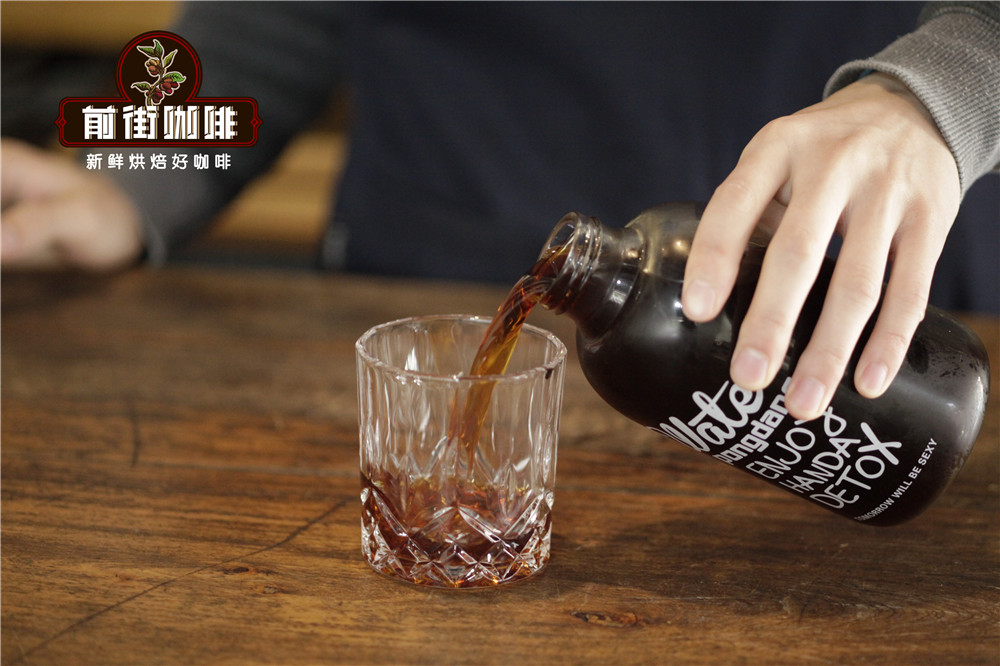
The low-temperature extraction characteristic of cold drip coffee helps reduce the volatilization of flavor compounds at high temperatures, thereby retaining more subtle fruity and floral notes. Because the extraction process is slow, tannic acids in the coffee are less likely to convert into quinic acid, resulting in a softer acidity while also reducing bitterness. Additionally, in a low-temperature environment, fewer impurities and undesirable flavors are released from the coffee, leading to an overall cleaner taste. However, due to the long dripping time, the finished coffee generally needs to be refrigerated and rested for at least eight hours to allow the flavor molecules to fully integrate before drinking, in order to experience its optimal aromatic burst.
The history of cold drip coffee can be traced back to Europe, reportedly originating from Dutch sailors during voyages who, unable to access hot water, used ice water to brew coffee, thus developing this unique brewing method. Although the name includes "Dutch," its connection to the Netherlands is actually limited. Instead, it was further developed in Kyoto, Japan. At that time, the owner of a Kyoto café, inspired by the Indonesian coffee brewing methods from the Dutch colonies, developed an early cold drip device with the help of chemistry students and a medical equipment company. This successfully recreated Indonesia’s traditional dripping technique, forming the prototype of what we now know as cold drip coffee. Since then, cold drip coffee has gradually gained popularity in Europe and America, but due to cultural differences, Westerners often simply refer to it as "Kyoto coffee."
It’s worth noting that the cold brew method commonly adopted in Western markets mostly refers to "Cold Brew," where coffee grounds are steeped in cold water for extended periods, rather than the Japanese-style drip-by-drip cold drip technique. Therefore, cold drip coffee is not very common in the West and is more often experienced as a refined coffee experience.
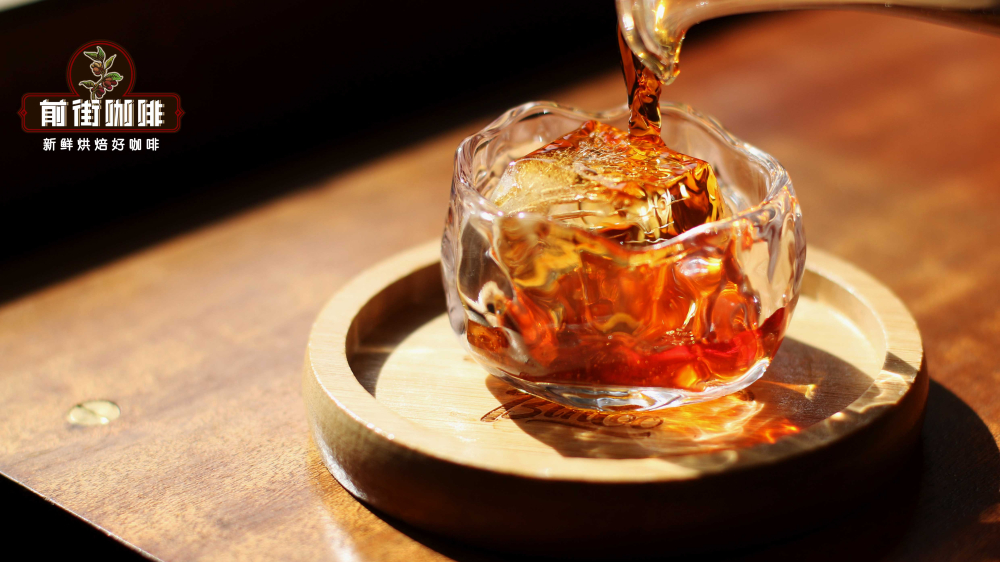
When selecting coffee beans suitable for cold drip, it’s recommended to prioritize single-origin beans with distinct flavor characteristics, as these can showcase richer layers during long, low-temperature extraction. For example, beans with tropical fruit and fermented wine-like aromas—such as those processed with special anaerobic methods—can enhance their fruity and sweet profiles during cold drip, delivering a rich, wine-like mouthfeel. In addition, coffee beans from African regions, such as Yirgacheffe or Kenya’s small tomatoes, with their bright acidity and citrus notes, are also well-suited for cold drip extraction, presenting a clean and refreshing flavor profile.
If you prefer a sweeter taste, you might choose medium to dark roasted Indonesian Golden Mandheling, whose chocolate and fermented aromas become more intense during cold drip. Paired with ice, it can exhibit the richness and smoothness akin to dark chocolate. For a more balanced flavor, Brazilian beans with their nutty and chocolatey profiles are also a good option, offering a creamy mouthfeel. Additionally, blends can be an interesting experiment—for instance, mixing beans with different processing methods like Laila Lan and Gesha Village Red Label can create a marvelous balance of brandy-like aromas and plum acidity, complemented by maple-like sweetness to enrich the overall flavor layers.
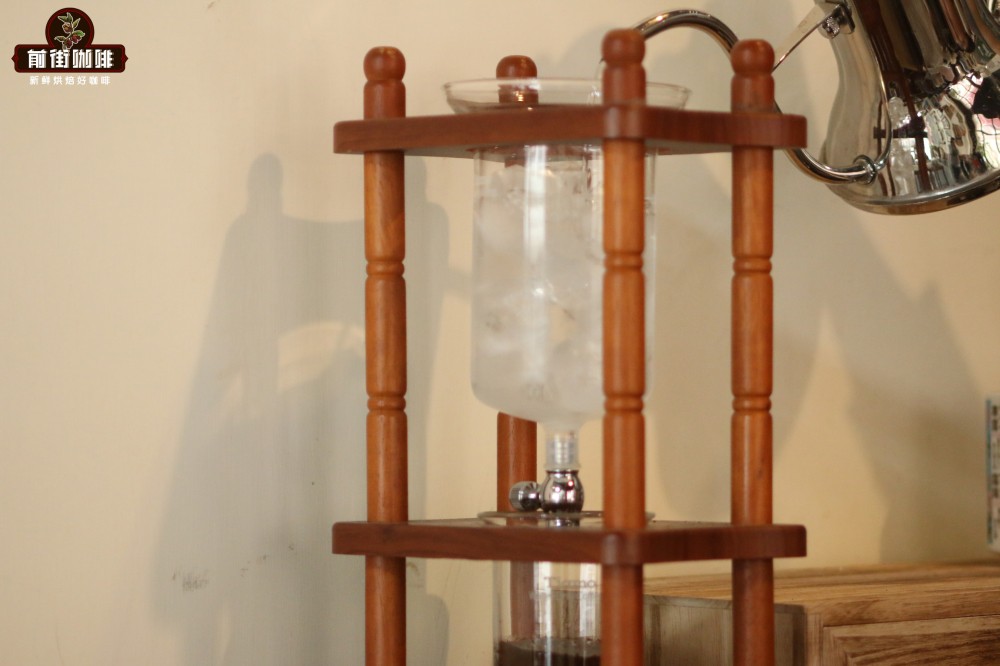
Cold drip coffee equipment typically consists of four main components: the top chamber, valve, coffee chamber, and bottom chamber. The top chamber holds the ice water mixture, with a flow-rate-adjustable valve in the middle controlling the dripping speed to ensure even distribution onto the coffee grounds in the middle chamber. The middle chamber contains the ground coffee, with a filter at the bottom allowing the extracted coffee liquid to drip into the bottom chamber for collection. This simple yet ingenious design effectively controls extraction time and flavor release.
In practice, it’s recommended to use a coffee-to-water ratio of about 1:10 to 1:12—for example, 60 grams of coffee grounds to extract 600 grams of coffee liquid. The ice-to-water ratio is advised to be maintained at 1:1, with the dripping speed controlled at around 7 drops per 10 seconds. The overall extraction time is usually 6 to 8 hours, adjustable based on specific flavor preferences. For grind size, it’s suggested to go slightly finer than typical pour over—using an 85% passing rate through a Chinese No. 20 standard sieve as a reference, or equivalent to the 9-setting on an ek-43s grinder, which helps improve extraction efficiency in a low-temperature environment.
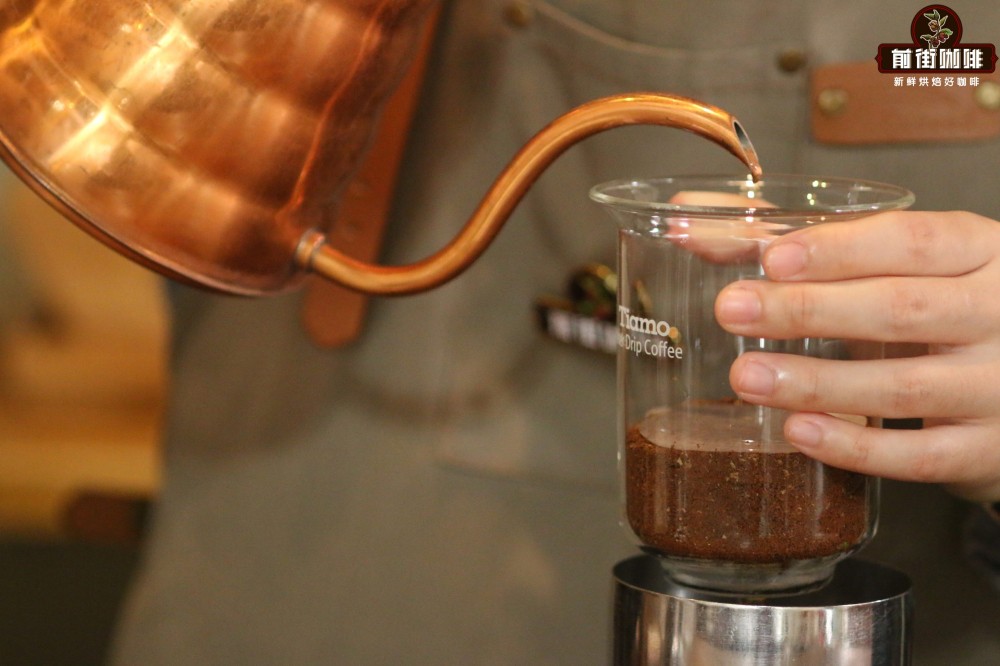
Before filling the coffee grounds, first lay a piece of filter paper flat at the bottom of the coffee chamber, then cover the coffee layer with another layer of filter paper to prevent direct impact of water droplets that could lead to uneven extraction. It’s advisable to pre-wet the coffee layer with cold water to help shorten extraction time and improve initial extraction uniformity. Before starting the drip, fill the top chamber with a mixture of half ice and half water, adjust the valve to control the flow rate, and ensure the water drips directly onto the center of the coffee layer to facilitate stable extraction.
After extraction, pour the coffee liquid into a sealed container—preferably a glass bottle—and refrigerate for at least 12 hours to allow the flavor molecules to fully integrate before consumption. This step helps concentrate the coffee’s aroma and bring out a richer finish.
The above content is compiled by CoffeeHunters, a coffee news website.


