







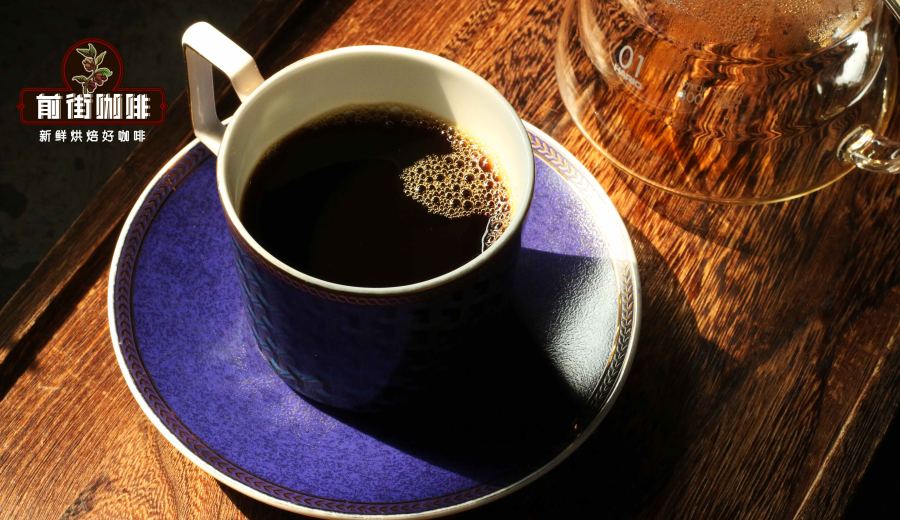
Introduction:Hawaiian Kona coffee is renowned worldwide for its rarity and exquisite flavor, making it a dream coffee for many specialty coffee enthusiasts. This article will delve into the unique charm of this top-tier coffee by exploring its growing environment, regional distribution, historical background, grading system, and the cupping profile of the Queen’s Estate, along with practical tasting and brewing references to help readers gain a comprehensive understanding of this rare coffee from volcanic soil.
Hawaiian Kona coffee is hailed as one of the world’s top specialty coffees. Not only is its production scarce, but its price is also relatively high, yet it still attracts countless coffee lovers eager to taste it. This coffee, originating from the Hawaiian Islands in the United States, has carved out a place in the global specialty coffee market with its unique regional flavors and stringent cultivation standards. This article will explore in depth the growing environment, regional distribution, historical context, grading criteria, and the cupping performance of the Queen’s Estate, offering readers a full understanding of the mysteries of this premium coffee.
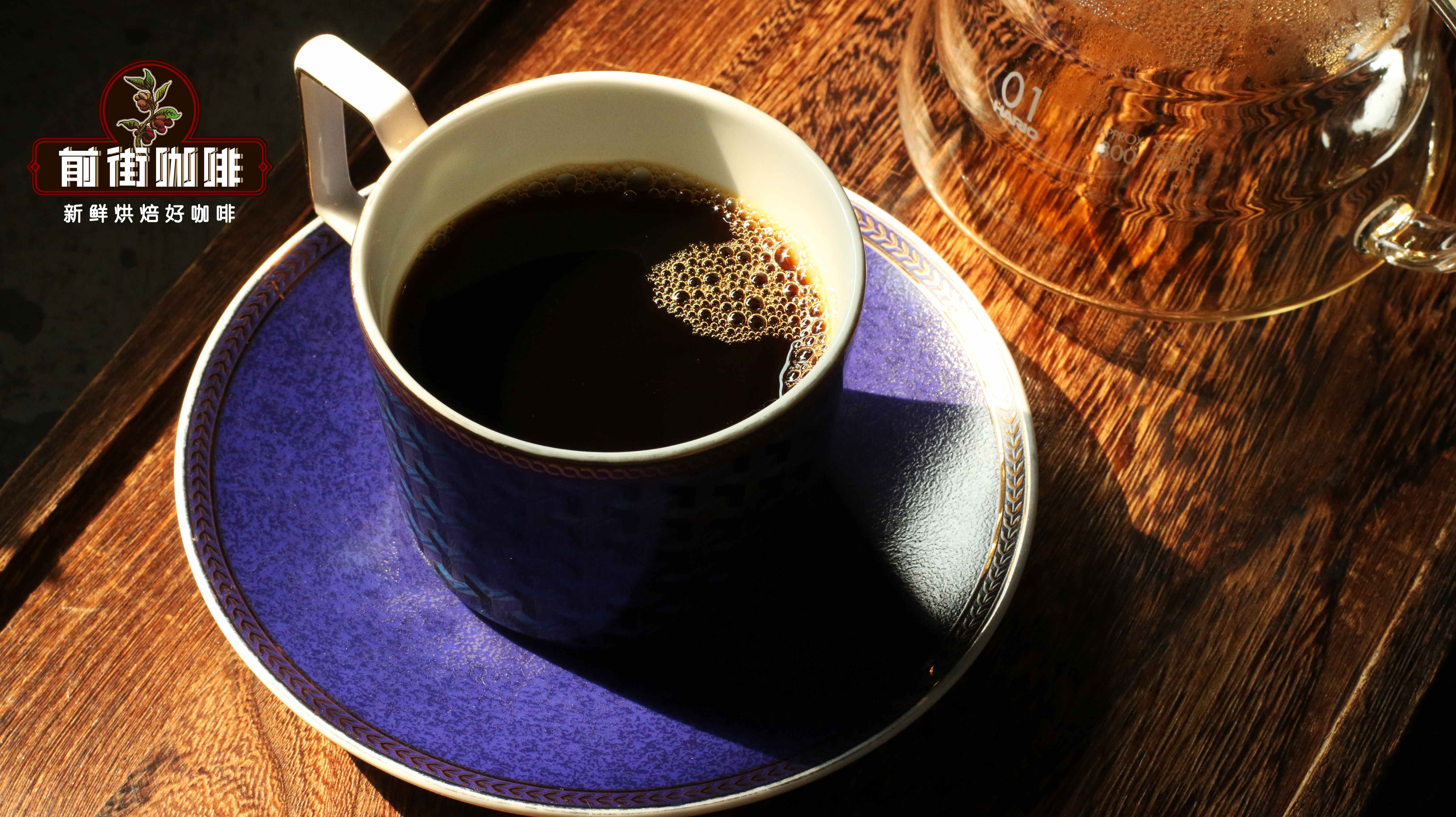
When it comes to Hawaiian coffee, many seasoned coffee enthusiasts first think of Kona coffee. It is not only among the most expensive coffee varieties globally, but its production is also extremely limited, which is why its price remains consistently high. Obtaining authentic Kona coffee beans from the Hawaiian Kona region is no easy task, but its unique flavor and origin story continue to draw coffee lovers in droves.
As the only island state in the United States, Hawaii consists of 132 islands located in the central Pacific, most of which were formed by volcanic activity and still retain two active volcanoes. The volcanic soil is rich in various minerals, and Hawaii’s tropical location provides abundant rainfall, ample sunshine, and frost-free climate conditions, creating a microclimate highly suitable for coffee growth. Notably, the frequent afternoon cloud cover in the area offers natural shade for coffee trees, helping to slow down the over-ripening of fruits and further enhance the complexity of the coffee’s flavor.
However, the land suitable for coffee cultivation in Hawaii covers only about 1,400 hectares, resulting in very limited production of Kona coffee. Coupled with the fact that the United States is a major coffee-consuming country, Kona coffee is primarily sold domestically, with an extremely low export ratio, which contributes to its high price. Additionally, so-called “Kona blends” commonly found on the market often contain no more than 5% Kona beans, so consumers should pay special attention when purchasing. Besides the Kona region, other Hawaiian islands such as Maui, Kauai, and Molokai have also gradually developed their own coffee industries.
Coffee cultivation in Hawaii is mainly concentrated in the Kona region, encompassing multiple volcanic islands including the Big Island of Hawaii (also known as Hawaii Island), Oahu, Maui, Kauai, and Molokai. Among them, coffee in the Kona region is mostly grown on volcanic highlands, where it can fully absorb nutrients from the volcanic soil. Coupled with advanced agricultural management techniques locally, this results in the unique flavor and high consistency of the coffee beans here. It is worth mentioning that Kona coffee beans are generally considered to be among the most uniformly shaped and aesthetically pleasing varieties in the world.
The history of Hawaiian coffee dates back to the early 19th century. In 1817, Spanish advisor Don Francisco de Paula Marin attempted to introduce coffee to Hawaii but was unsuccessful. It wasn’t until 1825, when the then-mayor of Hawaii introduced coffee seedlings from Brazil and successfully planted them in the Manoa Valley, that the chapter of Hawaiian coffee cultivation began. Subsequently, in 1828, Bourbon variety coffee was introduced to the Big Island and gradually became one of the main local varieties. In 1836, large-scale coffee cultivation began on Kauai, but in 1858, pests and diseases caused nearly total devastation, leaving only the Kona region on the Big Island surviving, thus making the Kona area an important birthplace of Hawaiian coffee.
Kona coffee is divided into five grades based on quality and processing standards: Extra Fancy, Fancy, Prime, No.1 Peaberry, and Peaberry Prime. The three most popular grades in the market include:
- Extra Fancy: Beans larger than 19 screen size, moisture content controlled at 9%~12%, with fewer than 10 defective beans per 350g of green coffee sample, representing the highest grade.
- Fancy: Beans larger than 18 screen size, with the same moisture content of 9%~12%, and defective beans limited to 16 or fewer.
- No.1 Peaberry: Bean size ≥10 screen size, moisture content 9%~12%, with fewer than 20 defective beans. Peaberry, or round beans, are often considered to have more concentrated flavors.
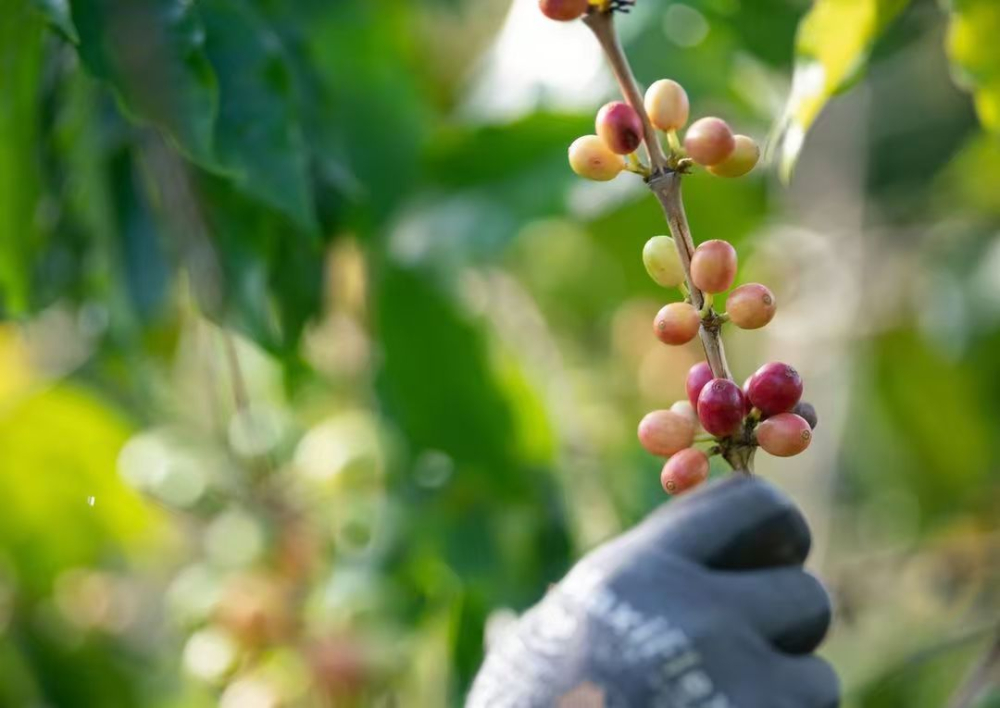
Hawaii holds an annual Kona coffee competition, where the Queen’s Estate (Queen Farm) has performed outstandingly, winning second place twice in 2009 and 2011. Its Kona coffee is regarded as premium among premiums. The Hawaiian Kona coffee introduced in this article comes from this renowned estate, using the ancient and elegant Typica variety with the washed processing method, showcasing a delicate and layered flavor profile.
Typica is the oldest native coffee variety from Ethiopia and the ancestor of many modern Arabica varieties. This variety is known for its elegant acidity and floral aroma, but it is relatively delicate, with poor disease resistance and low yield, making it even more precious. The washed processing method effectively highlights the pure flavor of the coffee by removing the pulp and mucilage, followed by temperature-controlled fermentation and multiple washes, ultimately delivering a clean and bright taste with a refined aroma profile.
The five main steps of the washed processing method include:
- Removing floaters: Pouring coffee cherries into a water tank, where unripe beans float and ripe beans sink. Removing the floaters ensures quality.
- Removing skin and pulp: Using machinery to remove the outer skin and pulp while retaining the mucilage layer.
- Fermentation: Placing mucilage-covered coffee beans into a fermentation tank for approximately 16–36 hours, during which microbial action breaks down the mucilage.
- Washing: Removing fermentation residues and impurities, requiring a significant amount of clean water to ensure cleanliness.
- Drying and hulling: Drying the coffee beans to a moisture content of 10%~14%, then using a hulling machine to remove the parchment and silver skin, completing the process.
After cupping and actual brewing, this Kona coffee from the Queen’s Estate exhibits a sweet and rich aroma, with a clear and smooth mouthfeel. Upon tasting, it delivers pronounced osmanthus flower notes, berry-like fruitiness reminiscent of mulberry juice, and a subtle malt sweetness. Its flavor profile is rich and layered, blending complex aromas of fruit, wine, and spices, making it a premium coffee worthy of careful savoring.
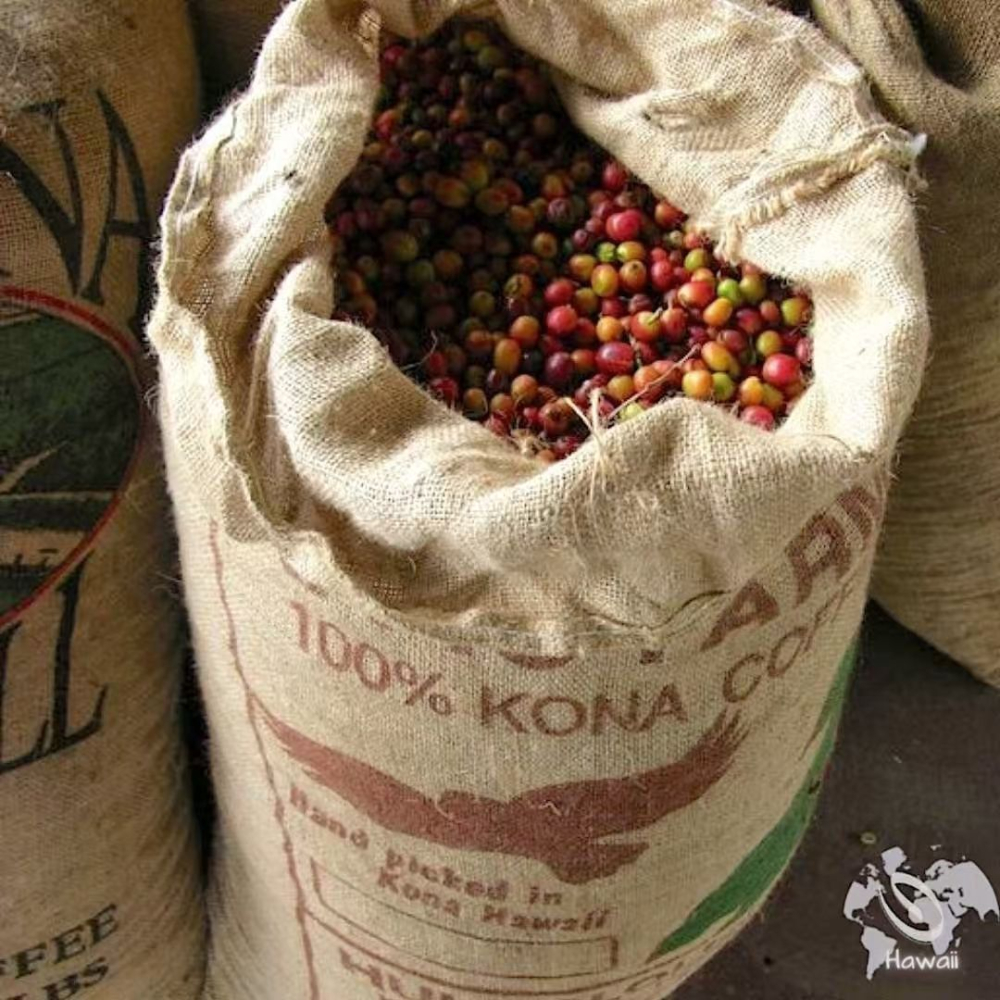
In summary, Hawaiian Kona coffee, with its exceptional growing environment, rigorous grading system, and unique volcanic soil and microclimate conditions, has created its irreplaceable flavor characteristics. Whether you’re a coffee novice or a seasoned enthusiast, you can experience the purity and refinement of Hawaiian volcanoes through this coffee.
The above content is compiled by CoffeeHunters, a coffee news website.


