







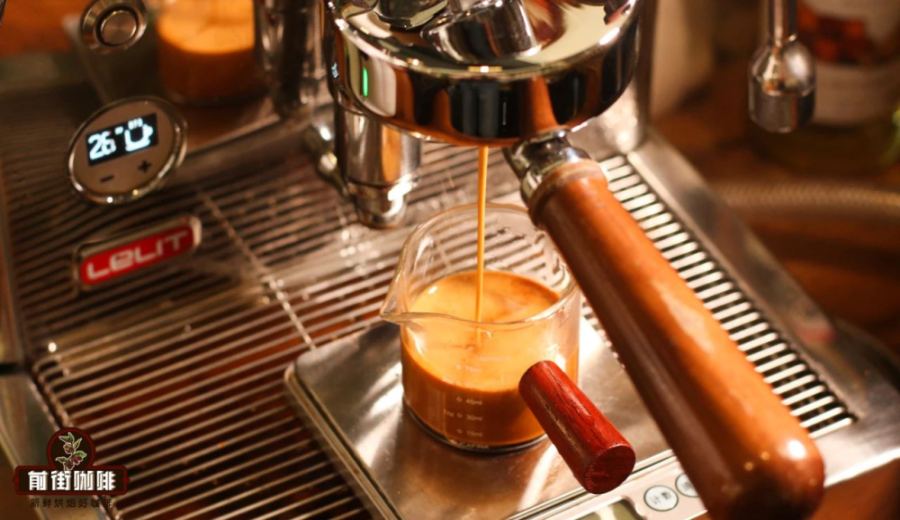
Introduction:The Moka pot is the most common espresso-making tool in European households. By heating to generate pressure, it extracts a crema-like richness and intense flavor similar to that of an espresso machine. This article delves into the brewing principles and suitable bean types for the Moka pot, with recommendations ranging from dark roasts to single-origin espresso (SOE), along with practical tips on bean selection and brewing techniques to help you choose the right beans and brew great coffee.
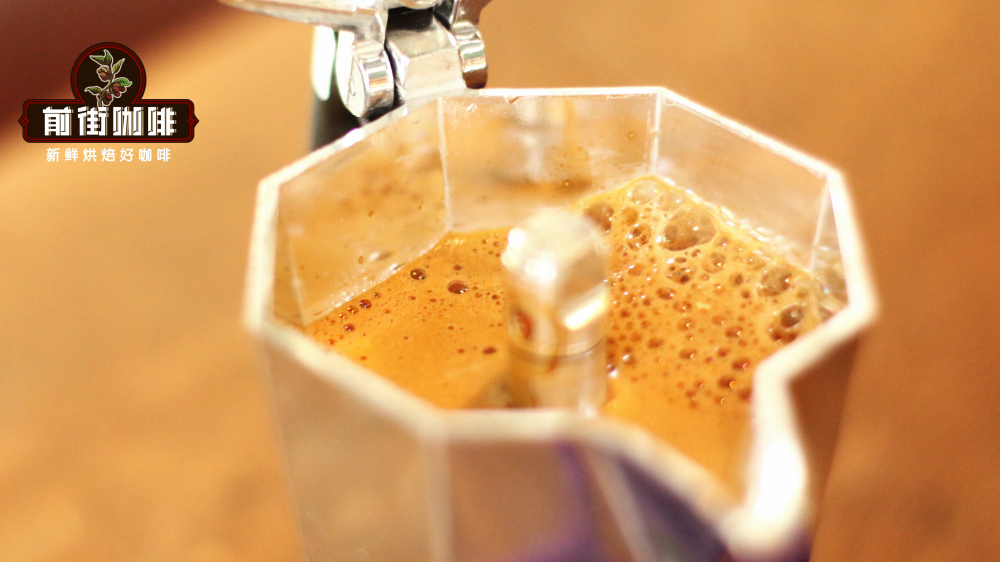
The Moka pot is a long-standing Italian espresso brewing device, often referred to as an Espresso Pot in Europe. Although its appearance differs greatly from that of a traditional espresso machine, its operating principle also relies on steam pressure generated by heat to extract coffee—it can be considered a home version of an espresso solution. Many coffee enthusiasts have questions about the Moka pot’s positioning: Can it truly be considered real espresso? And what type of coffee beans should it be paired with to bring out the best flavors? This article will start with the Moka pot’s brewing principle, explore its suitable roast levels and bean choices, and provide useful purchasing and brewing advice.
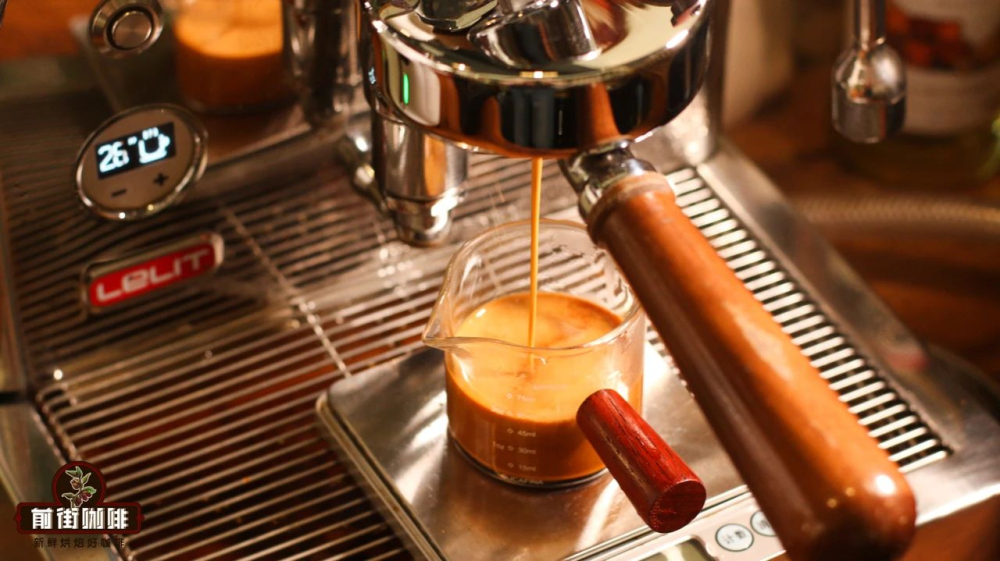
Many people mistakenly think of the Moka pot as just a cheap alternative to an espresso machine, or even question whether the coffee it brews can be called espresso. In fact, the Moka pot is commonly referred to directly as an Espresso Pot in Europe, which shows that the coffee it produces is indeed within the category of espresso, albeit with a more traditional brewing method and design. Because it uses pressure generated by heat for extraction, the Moka pot, like an espresso machine, is particularly well-suited for brewing dark roasted beans, bringing out a rich, bold, and full-bodied flavor with plenty of crema.
If you prefer coffee with rich crema and concentrated aroma, you might want to start with classic Italian blends. These beans are usually a mix from various regions, offering both body and balance, making them one of the top choices for Moka pot users. For example, a classic blend combining Indonesian Mandheling, Brazilian semi-washed, and Vietnamese washed beans can highlight distinct notes of nuts, dark chocolate, and caramel, while showcasing fine crema—perfect for brewing with a Moka pot.
If you’re looking to try a different flavor profile, medium-roasted fruit-and-floral blends are also a great option. These beans typically feature prominent berry, floral, or caramel sweetness, with balanced acidity and rich layers. For instance, a blend inspired by strawberry candy, roasted to medium, can bring out aromas of rose petals, strawberry taffy, and dried blueberries, followed by a soft finish of almond and citrus notes. It performs well not only in home espresso machines but also delivers satisfying results when brewed with a Moka pot.
In recent years, single-origin espresso (SOE) coffee has gained increasing attention. These coffees, sourced from a single region or variety, offer more distinctive flavor characteristics. For users who enjoy exploring the nuances of coffee, selecting SOE beans suitable for the Moka pot can also be a rewarding experience. For example, Golden Mandheling from Sumatra, Indonesia, is grown at high altitudes between 750 to 1500 meters and belongs to the elite among Arabica varieties. This coffee is known for its intense spicy aroma, full body, and clean finish. Its carefully selected grade further enhances its focused flavor profile, making it an excellent choice for Moka pot users.
Another recommended SOE bean is the Yellow Bourbon variety from Fazenda Rainha in Brazil. Processed using the natural method, this coffee highlights rich notes of cream, nuts, and peanuts, paired with a sweet, sugarcane-like taste and lingering aftertaste. Since Fazenda Rainha focuses on specialty batch production, its purity and flavor complexity are noticeably superior to those of regular commercial beans. When brewed with a Moka pot, it fully showcases its deep, rich base and delicate aromatic variations.
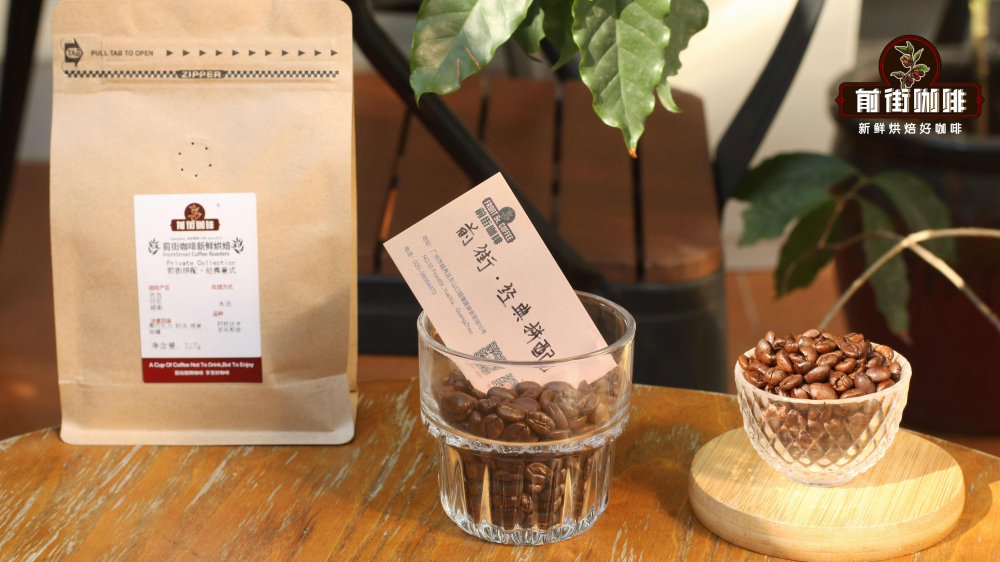
When selecting coffee beans suitable for the Moka pot, it is recommended to prioritize reputable brands with comprehensive product lines to ensure freshness and consistent quality. Freshly roasted coffee beans generally release more aroma and flavor during brewing, so it’s advisable to choose beans roasted within five days and pay attention to storage conditions to prevent flavor loss. Additionally, the design of the Moka pot itself (such as whether it features a dual-valve system) can affect extraction pressure and the final flavor profile. It’s recommended to choose a suitable pot type and accessories based on personal preference.
The above content is compiled by CoffeeHunters, a coffee news website.


