







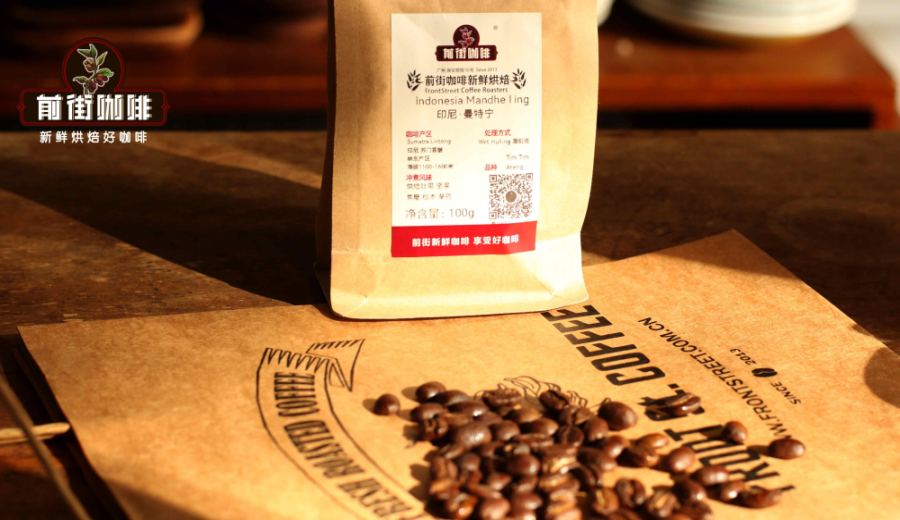
Introduction:Want to explore the charm of Indonesian Mandheling coffee in depth? From the differences between the Lintong and Mandheling regions in Sumatra to the selection and processing techniques of the classic PWN Golden Mandheling, this article will take you through the origin background, distinctive flavors, and how to choose high-quality Mandheling beans. Whether you're a beginner or a seasoned coffee enthusiast, you'll find practical guidance on bean selection and brewing.
Mandheling coffee has long been one of the most representative specialty coffees from Sumatra, Indonesia, winning the hearts of many coffee lovers with its rich and bold flavor. However, many may not realize that “Mandheling” is not the name of a single producing region, but rather encompasses multiple high-quality Arabica-growing areas in northern Sumatra, such as Lintong and Diari. This article will start with a look at regional distribution, delve into the differences between Lintong and Mandheling, and highlight the market-recognized high-quality representative — PWN Golden Mandheling.
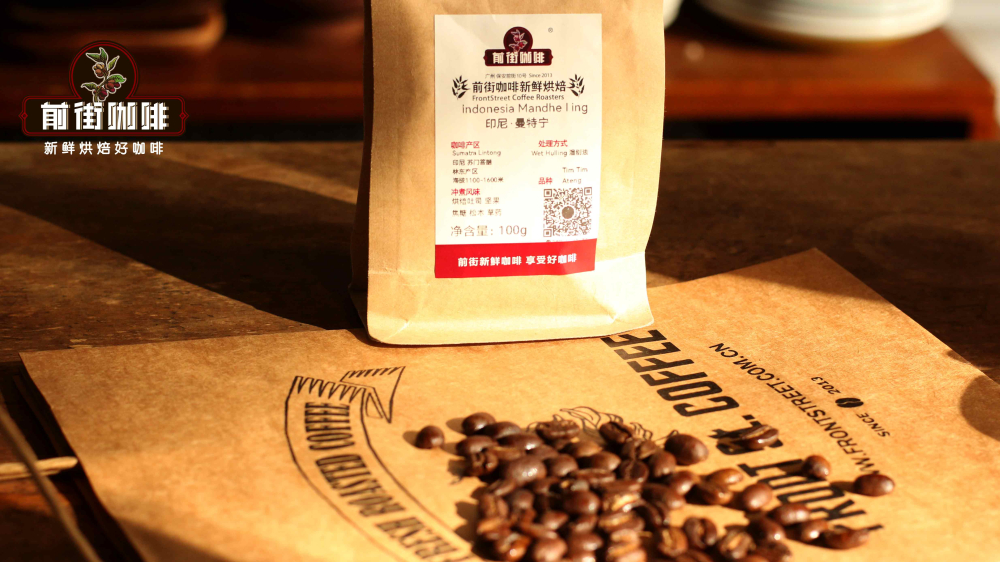
Sumatra is one of the main coffee-producing regions in Indonesia, alongside Java and Sulawesi. Although 90% of the country’s coffee is Robusta, the Arabica coffee grown in northern Sumatra enjoys a high international reputation due to its unique processing methods and regional flavor profiles. Among them, the names Lintong and Mandheling are most commonly used to distinguish flavor characteristics of different regions. Strictly speaking, Lintong refers to a small high-altitude area located southwest of Lake Toba in northern Sumatra, characterized by undulating clay plateaus, dense vegetation, and a natural farming environment mostly managed by smallholders without the use of chemical fertilizers or shade trees. The definition of Mandheling is broader, encompassing not only Lintong but also surrounding areas with similar geographical and climatic conditions—such as Diari (with Sidikalang as its capital) and the northern part of Lake Toba—that produce high-quality coffee.
When it comes to the top-tier representative of Mandheling, one cannot overlook PWN Golden Mandheling. This coffee is carefully selected and produced by the renowned Indonesian green bean company PWN, which stands for Pwani Coffee Company. It’s worth noting that the name “Golden Mandheling” has been trademarked by PWN, meaning only coffee beans that meet its strict selection criteria are entitled to bear this name. While there are many products on the market labeled as “Golden Mandheling,” most only reference some of its standards, rather than being truly top-grade beans that have undergone PWN’s rigorous screening process.
What makes PWN Golden Mandheling most impressive is its layered aroma and flavor profile. Upon opening the bag, one can immediately detect distinct herbal and spicy notes. After brewing, the caramel sweetness stands out, with a gentle and delicate acidity, full and lingering sweetness, and an aftertaste that carries hints of spice and sandalwood. The overall cup is very well-balanced. This coffee is ideal for medium to dark roasts, and it is generally recommended to roast it until just after the second crack to help suppress off-flavors and showcase its bold body. However, due to its exceptional quality, even when roasted just before the second crack, PWN Golden Mandheling can still exhibit good sweetness and clarity, offering more flexibility in roasting.
Another standout feature of this coffee is its use of the “wet hulling” (Giling Basah) processing method. This is a unique coffee processing technique in Indonesia, developed primarily in response to the region’s high humidity and rainy climate. Compared to traditional washed or natural processes, wet hulling removes the outer parchment layer while the coffee beans still have a relatively high moisture content, making the beans dry faster—but also requiring stricter post-processing sorting. To ensure quality, PWN Golden Mandheling undergoes three rounds of manual sorting after processing to remove defective beans, ensuring each green bean is uniform in size and has a complete appearance, significantly reducing the defect rate.
Precisely because PWN Golden Mandheling possesses such a complex and captivating aroma profile, it is particularly well-suited for pour over brewing. It is recommended to use a medium-fine grind, with water temperature controlled between 90-93°C, and to employ a multi-pour extraction method to fully bring out its layers of nutty, chocolatey, and spicy notes. The flavors are clear upon tasting, with a clean and bold mouthfeel and a long-lasting aftertaste, making it a classic choice for many pour over enthusiasts. Whether you’re new to Mandheling or a connoisseur seeking high-quality dark roast beans, this Golden Mandheling from Sumatra is well worth your careful savoring.
The above content is compiled by CoffeeHunters, a coffee news website.


