







Introduction:Panamanian specialty coffee is renowned for the Boquete region, especially the Geisha variety, which has repeatedly fetched record-breaking auction prices. This article delves into the local microclimates, the advantages of high-altitude cultivation, introduces the growing characteristics and processing methods of well-known farms such as La Esmeralda, Elida, and Finca Hartmann, and details the flavor profiles of various varieties along with recommended brewing methods—providing a practical bean selection guide for pour over enthusiasts and coffee newcomers alike.
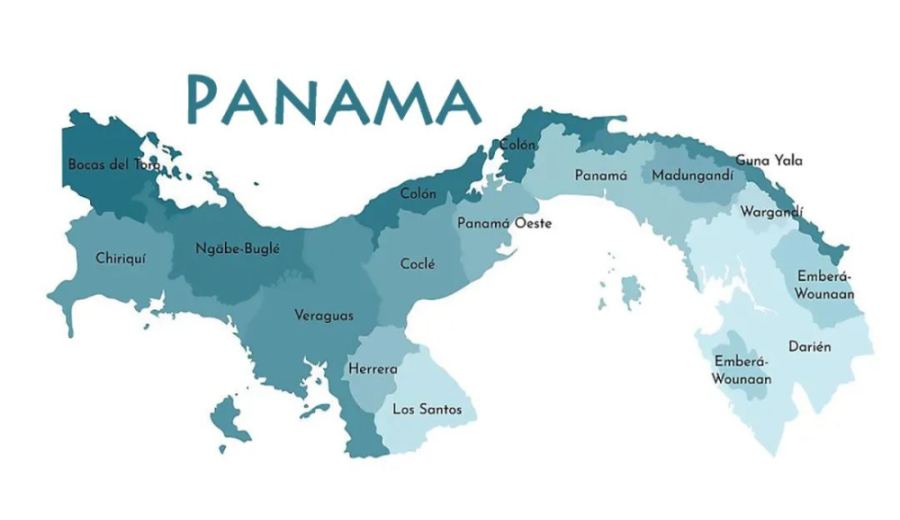
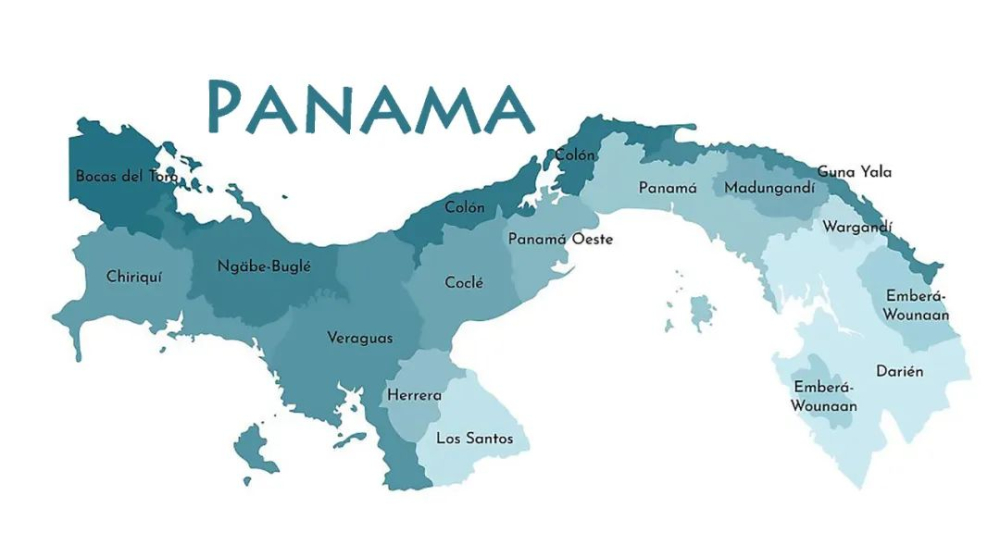
Though relatively small in size, Panama is a significant player on the specialty coffee map, particularly in the Boquete region of Chiriquí Province in the west. Blessed with fertile volcanic soil, high-altitude environments, and unique microclimates, this area serves as a cradle for top-tier Arabica coffee. The Geisha variety, in particular, with its distinctive citrus, floral, and tea-like flavors, has not only won numerous international competitions but also consistently set new records at auctions.
The Boquete region is located in western Panama, bordering Costa Rica, and falls under the jurisdiction of Chiriquí Province. Other representative regions in the area include Volcán, Santa Clara, and Candela. Additionally, areas such as David, Río Sereno, Bugaba, and Tolé also possess considerable coffee-growing potential. The industry generally considers coffee grown between 1,300 and 1,500 meters above sea level to qualify as “Specialty Grade.”
Coffee cultivation in the Boquete region is heavily concentrated in mountainous areas at elevations of 4,000 feet (approximately 1,200 meters) or higher. Among the most iconic is the historic Ted Lingle & MacIntyre Estate, jointly founded by two of Panama’s foremost coffee families. Local farming methods are broadly divided into sun-grown, full-shade, and semi-shade plantations. Typically, plantations with more than 50 trees per hectare are considered full-shade; 25–50 trees per hectare are semi-shade; and those with fewer than 25 are sun-grown. Shaded environments slow down the ripening process of coffee cherries, allowing more flavor precursors to develop inside, but they also entail higher cultivation costs and lower yields. Compared to semi-shade or full-sun plantations, shaded coffee often exhibits more complex flavors and brighter acidity, though it requires more meticulous management.
Take Villa Donica Estate as an example. Its green beans feature a vivid green color and softer bean texture with good thermal conductivity, making uneven roasting less likely. This coffee typically presents rich notes of dark chocolate and nuts, with low acidity but medium-high body, and a sweet, lingering aftertaste. It is recommended to roast it at a medium-light to medium level (CITY+ to FULL CITY) to fully highlight its sweetness and body. The beans are grown at an altitude of about 1,550–1,700 meters, the variety is Catuè, and the climate features distinct wet (May–December) and dry (January–April) seasons, with mineral-rich volcanic soil.
Finca La Valentina (also known as Finca La Valentina or simply “Finca La Valentina”) is another shining name in the Boquete region. Not only did it win the Best of Panama competition in 2011 with an impressive score of 92.3, it also defeated the then defending champion, La Esmeralda, setting a record auction price of $70.25 per pound that year. This 12.5-hectare micro-farm grows a diverse range of varieties including Typica, Red Caturra, Pacamara, and more, with the proportion of Geisha approaching half in recent years. The farm lies between 1,500 and 1,675 meters above sea level. In addition to coffee fields, it preserves 3.5 hectares of native forest and fruit trees, creating a healthy ecological cycle. Its washed coffee offers clear flavors, with pronounced yet smooth fruit acidity, prominent sweetness and aftertaste, and especially refined acidity as the cup cools, delivering a well-balanced and long-lasting cup overall.
Elida Estate is famed for its ultra-high-altitude cultivation. Its coffee fields sit at over 1,800 meters above sea level on the slopes of the Barú Volcano, with some sections even extending into national park territory—making it one of the rare high-altitude specialty coffee regions in Central America. Operated by the Lamastus family, the farm cultivates varieties such as Catuai, Typica, Bourbon, and a small amount of Geisha. The longer maturation period of the coffee cherries, combined with significant day-night temperature variations, allows for more complete flavor development. Elida’s natural-process coffee often features layers of tropical fruit, spices, nuts, and milk chocolate, performing exceptionally well in cupping and frequently appearing in barista competitions. Notably, the farm places great emphasis on harvesting and post-harvest processing, picking only fully ripe cherries and subjecting the processed beans to five months of low-temperature resting to fully develop depth and balance in the cup.
Casa Ruiz S.A. (also known as Hacienda Casa Ruiz) is one of the traditional representatives of the Boquete region. Established in 1920, it brings together over 300 small family farms to collectively maintain the region’s sustainability and quality. The washed coffee from this estate offers clean, fresh fruit aromas complemented by enchanting floral and citrus notes, with balanced acidity and sweetness and a lively aftertaste. The coffee is grown at around 1,400 meters, with a diverse mix of varieties including Typica, Caturra, Catuai, Mundo Novo, and Bourbon. The soil is similarly fertile volcanic earth, with annual rainfall reaching up to 3,000 mm, resulting in a humid climate and rich biodiversity.
When discussing Panamanian specialty coffee, one cannot overlook Hacienda La Esmeralda. Nestled on the slopes of the Barú Volcano, this estate is the birthplace of the Geisha variety, and its Red Label Geisha is the dream coffee for many enthusiasts. The estate’s coffee is primarily washed, often featuring complex aromas of oolong tea, peach, and honey, with bright acidity and abundant sweetness. As the cup cools, the flavors become even more refined. Aside from the Red Label, the Green Label Geisha is also an excellent choice for beginners, offering great value while maintaining outstanding flavor. The estate has won numerous international competitions and set remarkable records at auctions, making it an iconic brand in the specialty coffee world.
In addition, Hacienda La Esperanza is known for its organic cultivation and scientific management, boasting PhD-level botanists and a professional cupping team dedicated to varietal experimentation and processing innovation. Its Geisha coffee often presents notes of berries, citrus, and delicate florals, with a full body and long-lasting finish. Finca Hartmann stands out with its century-old family legacy and unique wine-process method, yielding coffee with complex layers of dark fruit, black chocolate, and citrus—an excellent choice for advanced enthusiasts. Finca Carmen, with its black soils and natural shading environment, produces coffee with flavors of melon, brown sugar, and citrus, also worthy of careful appreciation.
The above content is compiled by CoffeeHunters, a coffee news website.


