








Introduction:Ethiopia is the cradle of Arabica coffee, home to nearly 2,000 registered varieties, with as many as 1,927 being native. This article will take you deep into the classification of Ethiopian coffee varieties, the four major cultivation models, and the characteristics and steps of different processing methods such as natural, washed, and honey. Whether you're a beginner exploring pour over or a connoisseur chasing deep flavors, you'll gain key insights into bean selection and tasting.
As the birthplace of Arabica coffee, Ethiopia can be considered a holy land for coffee lovers worldwide. It not only nurtures countless classic varieties but is also renowned for its rich and diverse flavors. From floral and fruity aromas to delicate acidity, the charm of Ethiopian coffee is hard to resist. This article will comprehensively explore the mysteries of this coffee kingdom, from varieties and cultivation to processing methods.
Diverse Varieties with Native Types Dominating
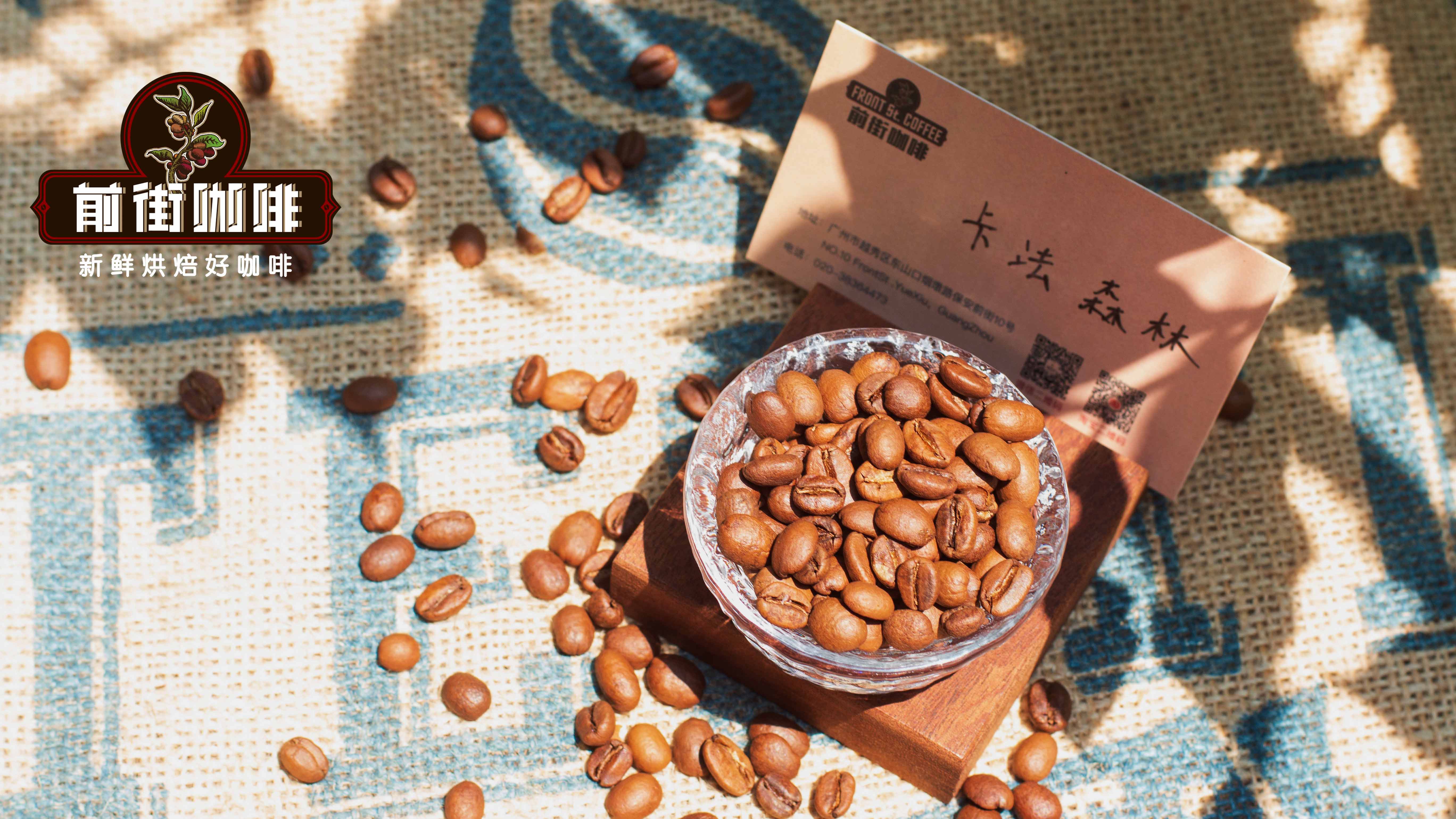
According to statistics, Ethiopia has nearly 2,000 registered coffee varieties, of which 1,927 are indigenous native types, with only 128 introduced from abroad. These varieties vary significantly in appearance—some are slender, some round, and some small and delicate. Among them, long-bean varieties are widely distributed across the country, especially in the western regions of Jimma, Limmu, and Kaffa. For example, some coffees from the Kafa forest often exhibit orangey and honey-like notes reminiscent of Geisha after brewing. In contrast, small-bean native types are mostly concentrated in regions like Sidamo, Yirgacheffe, Arsi, and Guji. The beans typically range between 14 and 15 mesh, with a more rounded shape, and are common among many well-known micro-lots.
Four Major Cultivation Models Creating Flavor Diversity
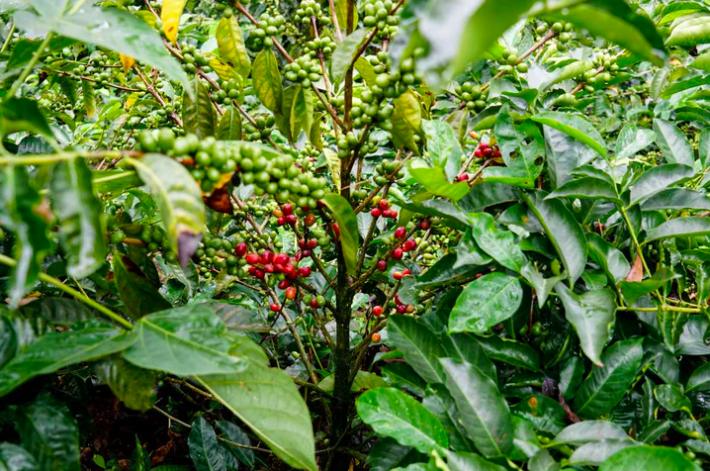
Coffee cultivation in Ethiopia is mainly divided into four models, each with its own characteristics:
• Forest Coffee (8–10%): Coffee trees grow in undisturbed virgin forests, relying entirely on the natural ecosystem, with farmers only harvesting periodically.
• Semi-Forest Coffee (30–35%): Located at the border of forests and villages, these areas retain natural growth traits but are managed to some extent by farmers, who also grow other crops.
• Garden Coffee (50–55%): Coffee trees are planted around farmers’ homes, mostly cultivated and harvested by the farmers themselves. This is the main cultivation method in well-known producing areas like Sidamo and Yirgacheffe.
• Plantation Coffee (5–6%): Operated by large enterprises, with complete processing facilities, offering relatively stable production capacity and quality control.
Among these, garden coffee accounts for the highest proportion and is the source of many well-known micro-lots. These coffee beans are often processed uniformly by wet mills, so a single batch may contain multiple varieties, which is also a key reason for the flavor diversity of Ethiopian coffee.
Three Main Processing Methods with Notable Flavor Differences
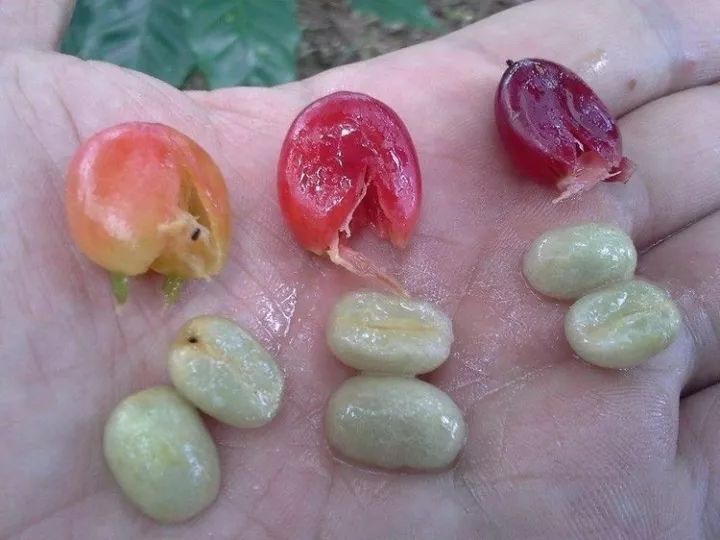
Ethiopian coffee can be divided into natural, washed, and honey processing methods based on processing techniques, each influencing the final flavor profile.
Natural Process (Dry Process)
Process: Coffee cherries are spread directly on drying beds, turned daily for even heat exposure until moisture content drops to around 12%, then the pulp and skin are removed.
Characteristics: Simple operation, commonly found in dry regions. Green beans have a rougher surface with more silverskin, but minimal silverskin residue remains after roasting. Suitable for various brewing methods such as pour over, cold brew, and French press.
Representative Beans: Gesha Village Red Label, Gesha Village Gold Label, Chaka, Kafa Forest, and Huakui.
Washed Process (Wet Process)
Process: Cherries are first floated to remove impurities, then depulped and fermented in water to break down the mucilage layer with microbes, followed by washing, drying, hulling, and grading.
Characteristics: The process requires strict control to avoid contamination. Green beans have a smooth surface with little silverskin, high flavor consistency, often featuring bright acidity and clear floral and fruity notes.
Representative Beans: Yirgacheffe, Gedeo Cooperative.
Honey Process
Process: The skin and part of the mucilage are removed, then the beans are washed and sun-dried.
Characteristics: Green beans have a slightly sticky appearance due to residual mucilage on the parchment, with flavor profiles falling between natural and washed processes.

Whether you prefer the bright acidity of washed beans or the rich fruity notes of natural processed coffee, Ethiopian coffee offers a wealth of choices. Understanding the differences in these varieties and processing methods will help you select your ideal beans more precisely and bring out their best potential during brewing.
The above content is compiled by CoffeeHunters, a coffee news website.


