







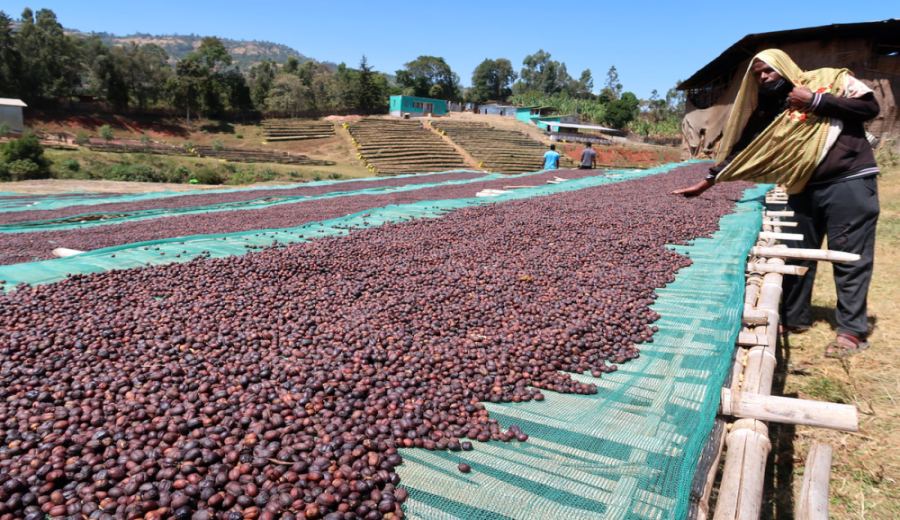
Introduction:Yirgacheffe is hailed as the "Queen of Coffee," renowned worldwide for its unique floral-fruity aroma and bright acidity. This article delves into the geographic background, primary processing methods, roasting recommendations, and the distinctive characteristics of sub-regions like Kochere to help you fully grasp the allure of Yirgacheffe—from flavor profiles to brewing choices.
Yirgacheffe, a renowned specialty coffee region in southern Ethiopia, is celebrated for its distinctive bright acidity, delicate floral notes, and fruity aromas, making it a "holy land" for many coffee enthusiasts. The coffees from this region not only frequently achieve high prices in global auction markets but are also often regarded as the representative of African washed coffee. This article will comprehensively analyze the mysteries of Yirgacheffe, covering its regional geography, evolution of processing methods, design of roasting curves, mainstream flavor characteristics, and details of sub-regions like Kochere.
As the birthplace of coffee,Ethiopia is home to numerous wild and cultivated coffee varieties. Locally, both washed and natural processing methods coexist in regions like Yirgacheffe and Sidamo. Interestingly, even when using the washed method, subtle differences in altitude, variety, fermentation conditions, and drying techniques among different farms or cooperatives can result in vastly distinct aroma profiles.
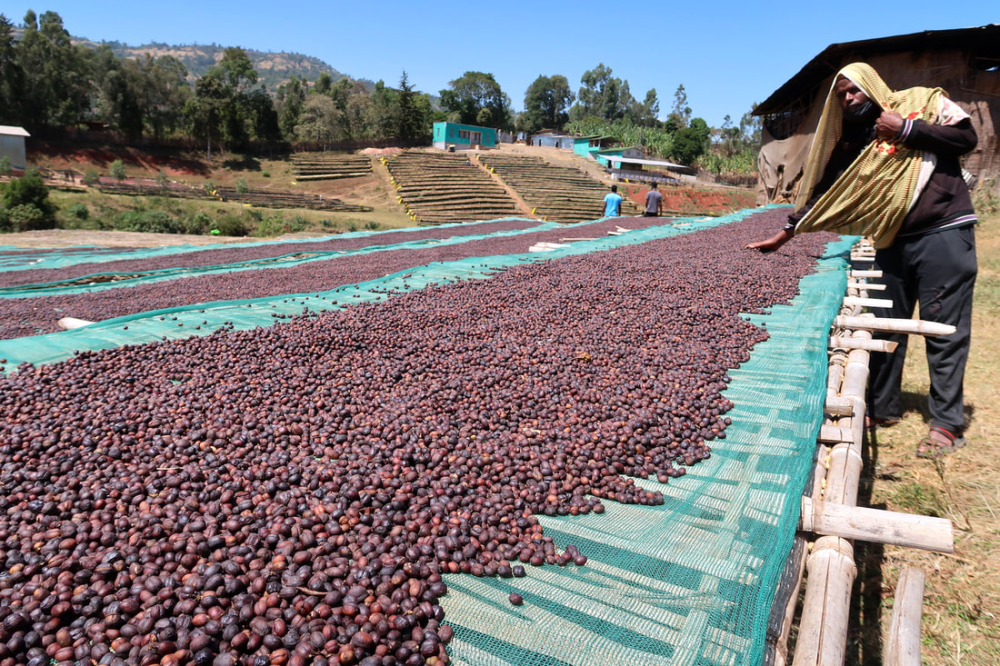
Taking commonly seen natural and washed Yirgacheffe as examples, the former often exhibits intense berry and tropical fruit aromas with soft and layered acidity, while the latter showcases bright notes of lemon, jasmine, and citrus, delivering a clean and refreshing taste, sometimes even with a delicate green-tea-like aftertaste. This divergence in flavor is one of the reasons why Yirgacheffe has garnered widespread attention in the global market.
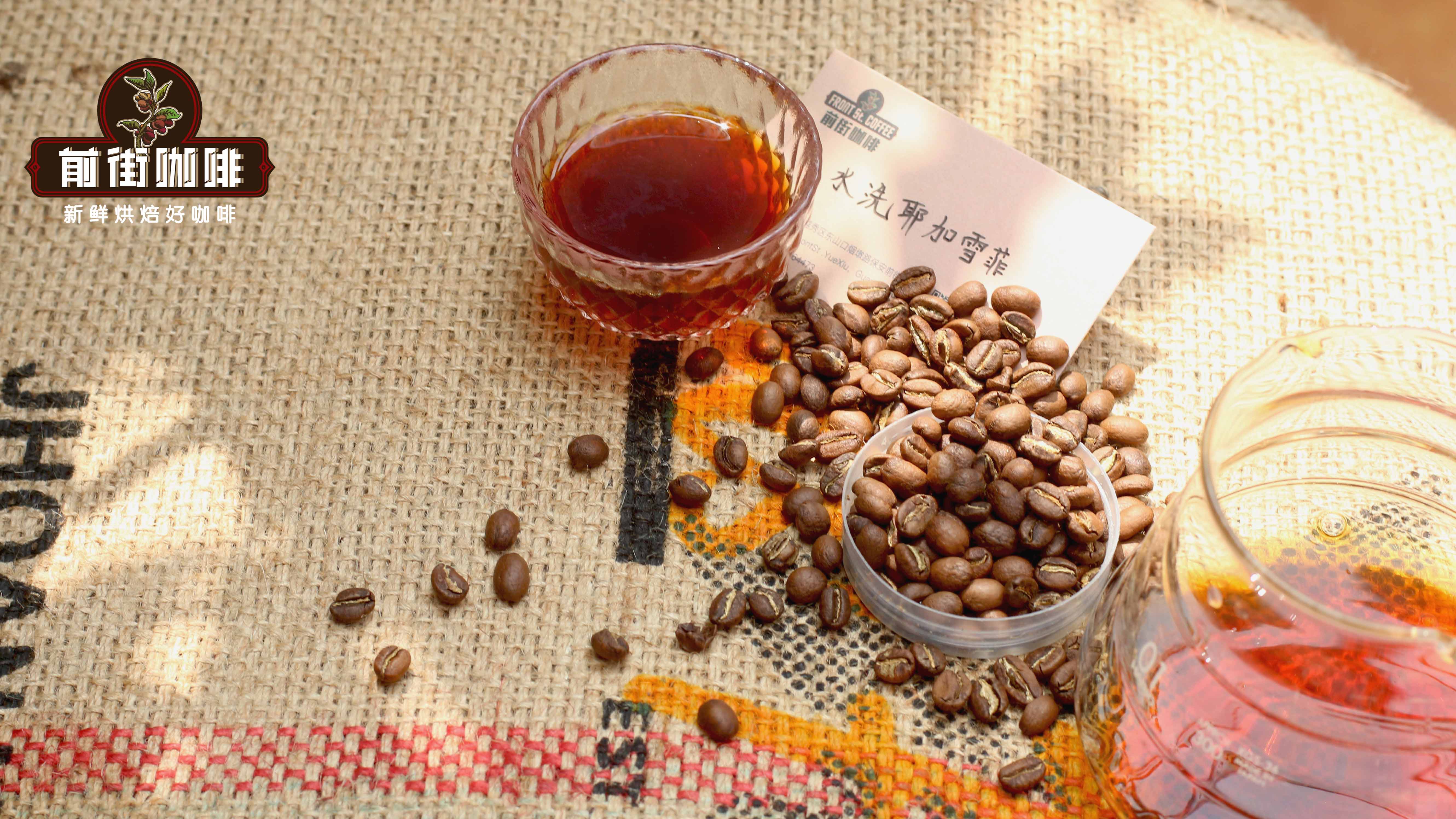
In terms of roasting applications,light roasts (such as City level)can highlight the citrus, berry, and floral characteristics of Yirgacheffe, with bright acidity, making them suitable for drinkers who prefer a refreshing taste; whereasmedium-dark roasts (such as Full City or general C)can bring out caramel, creamy, and tropical fruit sweetness, resulting in a rounder mouthfeel that appeals to consumers who prefer richer flavors. For instance, some roasters, when handling a certain red cherry natural lot, control the time after first crack to be between 20 to 40 seconds to preserve the rich fruitiness and sweetness while avoiding excessive carbonization that could lead to burnt bitterness.
Delving into the region,Kochereis a small sub-region located southeast of Yirgacheffe, about 25 kilometers from the main producing area. The region sits at an elevation of approximately 1800 to 2000 meters, primarily cultivating a mix of Typica and the local heirloom variety. Since most farmers in the area operate on a small scale, with average farm sizes of only about 1 hectare, the harvested coffee cherries are usually sent to nearby cooperatives for unified washed processing, resulting in consistent cleanliness and bright acidity in the washed beans from this area.
The washed processing technique in Kochere is relatively mature, with most processing facilities equipped with basic washing and fermentation setups that allow for stable control of fermentation time and water temperature, thereby preserving the delicate aromas of the coffee beans. Kochere washed beans, graded as G1 by ECX (Ethiopian Commodity Exchange), often feature a complex profile of honey, citrus, berries, and floral notes, with a clean taste and a long-lasting aftertaste, making them a recommended entry choice for many professional roasters.
In recent years, with the specialty coffee market’s pursuit of flavor diversity, many cases of direct export under the names of cooperatives or small farms have emerged in Ethiopian regions like Yirgacheffe and Sidamo. These emerging brands no longer rely on traditional bulk trading models but instead showcase their unique processing styles and quality characteristics to global consumers through international auctions or direct trade channels.
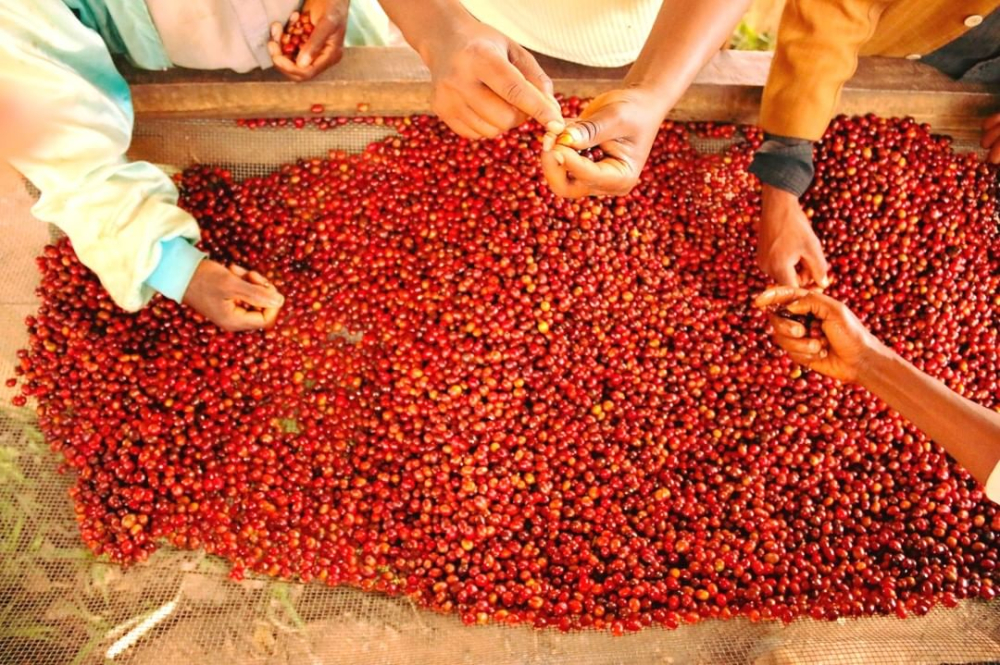
For example, the Dutch-supported Operation Cherry Red initiative successfully produced several specialty lots known for their natural processing, such as the 2008 Keriti and the 2009 Kambado Estate coffees, both praised for their intense strawberry and biscuit aromas. This natural processing trend has gradually influenced Yirgacheffe as well, prompting some farms to experiment with enhancing the fruitiness and sweetness of natural processing, further expanding the flavor boundaries of the region.
In Ethiopia’s official grading system, washed beans are classified from G1 to G4, with G1 being the highest grade; natural beans are graded from G3 to G5, with G3 being the highest quality for naturals. The evaluation criteria are based on the number of defective beans in 300 grams of green coffee:
- Grade 1: 0~3 defective beans
- Grade 2: 4~12 defective beans
- Grade 3: 13~25 defective beans
- Grade 4: 26~45 defective beans
- Grade 5: 46~90 defective beans
This system helps consumers make preliminary judgments about the quality and consistency of green beans.
Yirgacheffi itself is located in the high-altitude region within the Sidamo province, with an average elevation exceeding 1800 meters, significant day-night temperature variations, fertile soil, and good drainage—making it an ideal environment for cultivating high-quality Arabica coffee. According to ECX zoning, Yirgacheffe can be further divided into four sub-areas: Yirgachefe, Wenago, Kochere, and Genlena Abay, each producing coffee with distinct characteristics due to microclimates and varietal differences.
Yirgacheffe washed beans are an entry-level option for many coffee newcomers to get acquainted with the region, offering clear floral notes, lemon acidity, and honey sweetness. The mouthfeel is as soft as tea yet retains the layers and vibrancy expected of coffee. This unique sensation of being "more like fruit tea than coffee" is also one of the reasons why Yirgacheffe is hailed as the "Queen of Coffee."
In summary, Yirgacheffe is not only a flagship region for Ethiopian specialty coffee but also an important starting point for global coffee enthusiasts exploring flavor diversity. Whether you prefer the fresh brightness of washed coffee or the rich fruitiness of natural coffee, this land offers astonishing taste experiences. A deeper understanding of its regional background, processing techniques, and roasting applications will help you better appreciate the nuances when selecting and brewing.
The above content is compiled by CoffeeHunters, a coffee news website.


