







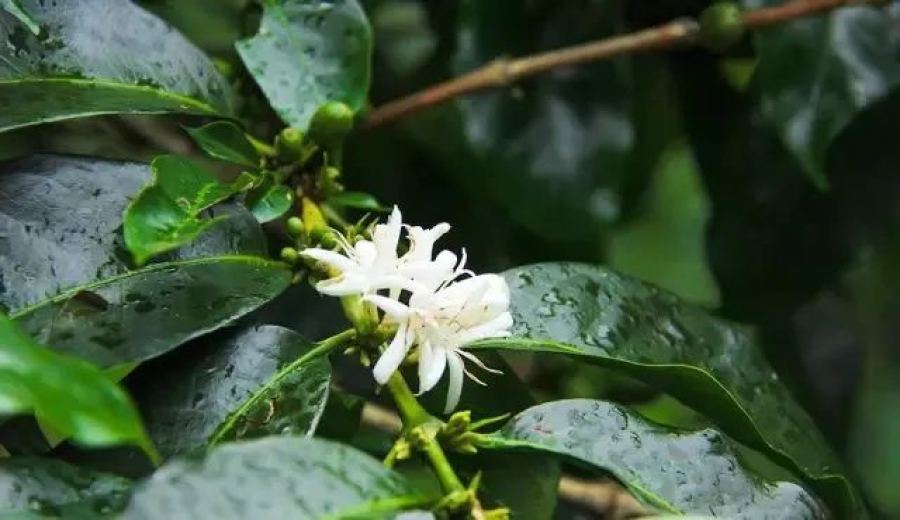
Introduction:Geisha (Geisha) coffee beans have risen to the ranks of the world’s finest specialty coffee varieties, thanks to their distinctive floral aroma, bright citrus acidity, and honey-like sweet finish. This article delves into the origin of the Geisha variety, its flavor characteristics, classic processing methods, and provides practical pour over parameters and techniques—guiding you from its origins to the cup’s flavor profile for a comprehensive understanding of this highly acclaimed “Noble Geisha” coffee bean.
The cultivation history of Geisha coffee dates back to Ethiopia, the cradle of African coffee. In 1931, researchers first discovered this variety in the Geisha Forest there, after which it was introduced to the Kenya Coffee Research Institute and gradually spread to Uganda, Tanzania, and Costa Rica. It wasn’t until the 1970s that it was brought to Panama, but early on, due to its low yield, Geisha was overlooked and even used as a windbreak. It wasn’t until the 2004 Best of Panama (BOP) competition, when Hacienda La Esmeralda planted it separately and won the championship, that Geisha truly emerged, becoming a focal point of global specialty coffee.
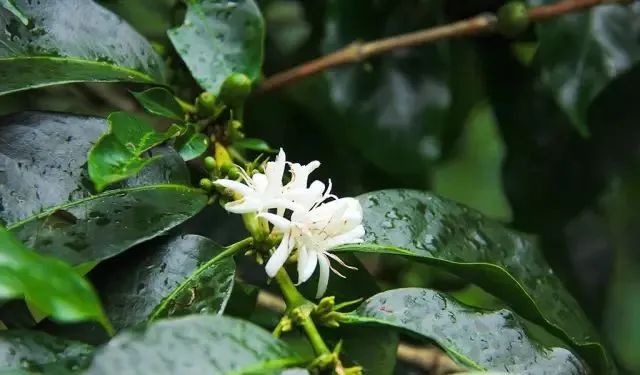
Contrary to the common perception of coffee as “bitter,” Geisha is renowned for its rich yet gentle aroma, often featuring fresh floral notes, citrus fruitiness, and a tea-like, smooth mouthfeel. Take the renowned Green Label Geisha from Hacienda La Esmeralda as an example: its dry fragrance may present pleasant notes of coffee blossom, cream, lemon, and grapefruit; upon tasting, one can perceive layers of bright citrus, peach, honey, and melon, accompanied by a green tea-like aftertaste and a mellow caramel finish—the flavors are delicate and long-lasting.
Geisha’s ability to achieve such unique flavor expression is not only due to its inherent genetic advantages but also greatly thanks to Panama’s high altitude and microclimate. In particular, Hacienda La Esmeralda grows Geisha at elevations between 1,400 and 1,800 meters, combined with shaded growing conditions and meticulous post-harvest processing, allowing the coffee cherries to ripen slowly and accumulate richer sugars and flavor compounds—laying the foundation for its renowned reputation.
Today, Geisha is not only a dream bean for specialty coffee enthusiasts but is also often dubbed as “the most expensive coffee” or “the Hermès of coffee.” Behind its high price lies not only its rare yield and consecutive award-winning prestige, but also the influence of auction systems and the pursuit of ultimate quality. For many coffee lovers, being able to taste an authentic Panamanian Geisha is almost a symbol of “Geisha freedom.”
To allow more consumers to experience the unique charm of Geisha at a more affordable price, some roasters have launched blends with Geisha as the main component. For instance, the well-received “Flower Butterfly” blend consists of 70% Geisha and 30% Caturra and Catuai, not only retaining the distinct citrus acidity and floral notes of Geisha but also making the overall price more accessible—suitable for daily drinking or for coffee beginners trying Geisha flavors for the first time.
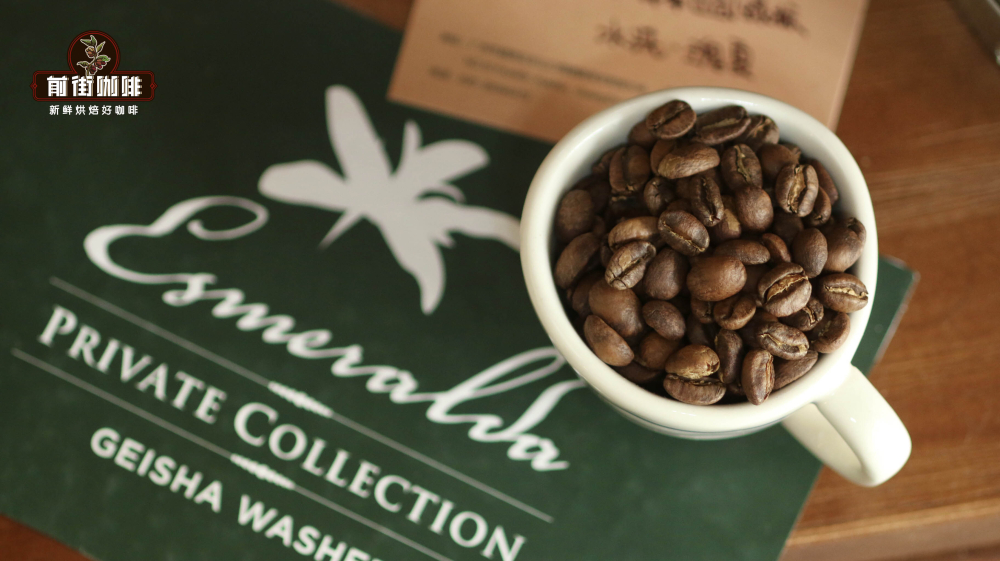
Taking the Flower Butterfly Geisha blend as an example, its roast level is typically set between light and medium to preserve the delicate aroma and layered flavors of Geisha. However, because lighter roasted beans have a lower extraction rate, it is recommended to use slightly higher water temperature and a finer grind size to facilitate flavor release. In practice, you can refer to the following pour over recommendations:
Brewing equipment:V60 dripper
Water temperature:90–91°C
Grind size:About 80% passing through a standard #20 sieve (equivalent to a coarseness between superfine and white sugar)
Coffee-to-water ratio:1:15
Amount of coffee grounds:15 grams
Total brewing time:Approximately 2 minutes
The specific steps are as follows: First, place the coffee grounds into the V60 dripper, then pour hot water equal to twice the amount of coffee grounds (about 30 grams) to bloom, wetting the coffee and allowing carbon dioxide to escape—recommend blooming for about 30 seconds. Next, pour water in small streams in a circular motion from the center outward. When the total water volume reaches 125 grams, perform the first pour and let the coffee bed settle briefly. Once the water level drops to the middle of the dripper, pour the second batch of water steadily until the total reaches 225 grams, then remove the dripper to complete the extraction.
Through the above pour over process, the Flower Butterfly Geisha blend typically exhibits bright orange blossom and citrus aromas; the flavors include berries, orange, honey, and a gentle green tea note, with a faint almond aroma in the aftertaste. The overall mouthfeel is refreshing with a pronounced sweetness, making it very suitable for coffee enthusiasts who enjoy fruity and floral profiles.
The above content is compiled by CoffeeHunters, a coffee news website.


