







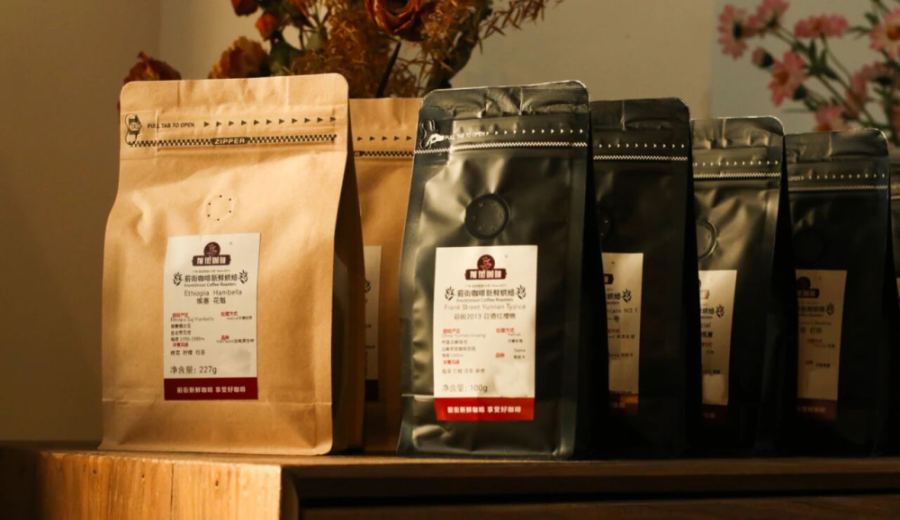
Introduction:How long should freshly roasted espresso beans rest before they taste their best? And how do different roast levels bring out unique flavors? This article dives deep into the key aspects of coffee bean resting—exploring everything from floral and fruity notes to rich and mellow profiles. Discover the distinct characteristics of light, medium, and dark roasts, along with practical recommendations on peak flavor windows and brewing tips to help you find your ideal coffee flavor.
Many coffee enthusiasts have wondered: how long should freshly roasted espresso beans sit before reaching their peak flavor? The answer is closely tied to the roast level. Different flavor profiles suit different resting periods. This piece will detail how to choose the right roast based on personal taste preferences and how to master the optimal resting and brewing timing.
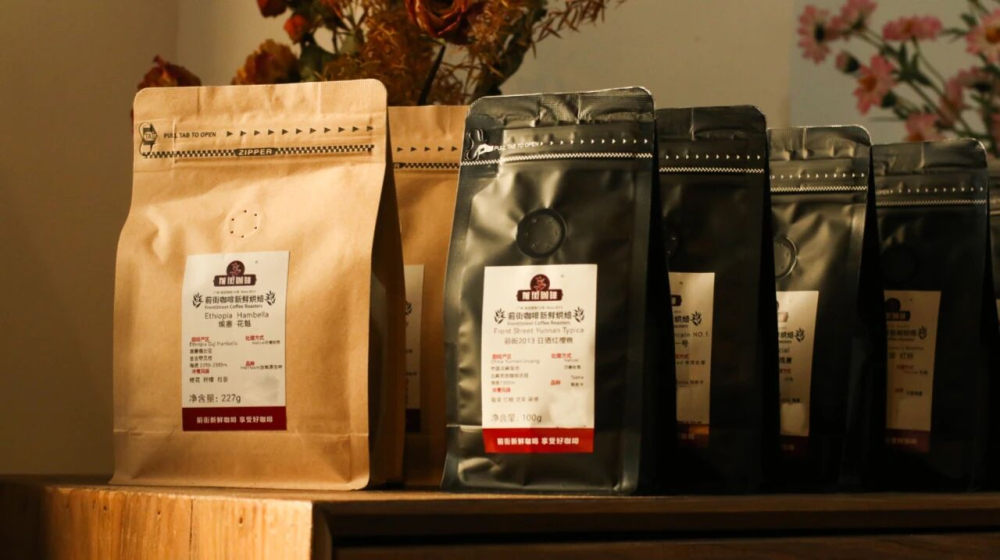
If you enjoy coffee that showcases brightfloral and fruitynotes, medium to light roasts are your best bet. For instance, selections with soft floral aromas, citrus, and berry tones often shine through beautifully in medium to light roasts. These coffees typically begin to reveal delicate fruit acidity and layered complexity after resting for about 2 to 3 weeks. Slightly darker medium-dark roasts can bring out nutty and roasted peanut-like aromas, while maintaining a balanced sweetness—ideal for those who prefer a well-rounded cup.
For those who preferbold and rich flavors,dark roast coffee beans are undoubtedly the ideal choice. These beans undergo higher temperatures and longer roasting times, often developing complex flavors of chocolate, spices, and caramel, with low acidity and a long, deep aftertaste. However, dark roasts usually have a shorter resting period, reaching their optimal flavor window around 2 weeks post-roast. But after 40 days, they can easily develop woody or overly charred notes, so it’s best to enjoy them sooner rather than later.
No matter which roast level you choose, understanding the coffee bean’sdegassing characteristics and peak flavor windowis crucial. Freshly roasted coffee beans continuously release carbon dioxide—a period known as the resting phase, which is also vital for flavor development. Generally speaking, espresso beans are at their best within40 to 50 daysafter roasting. Beyond a month and a half, flavors can deteriorate rapidly, resulting in undesirable bitterness or cardboard-like tastes.
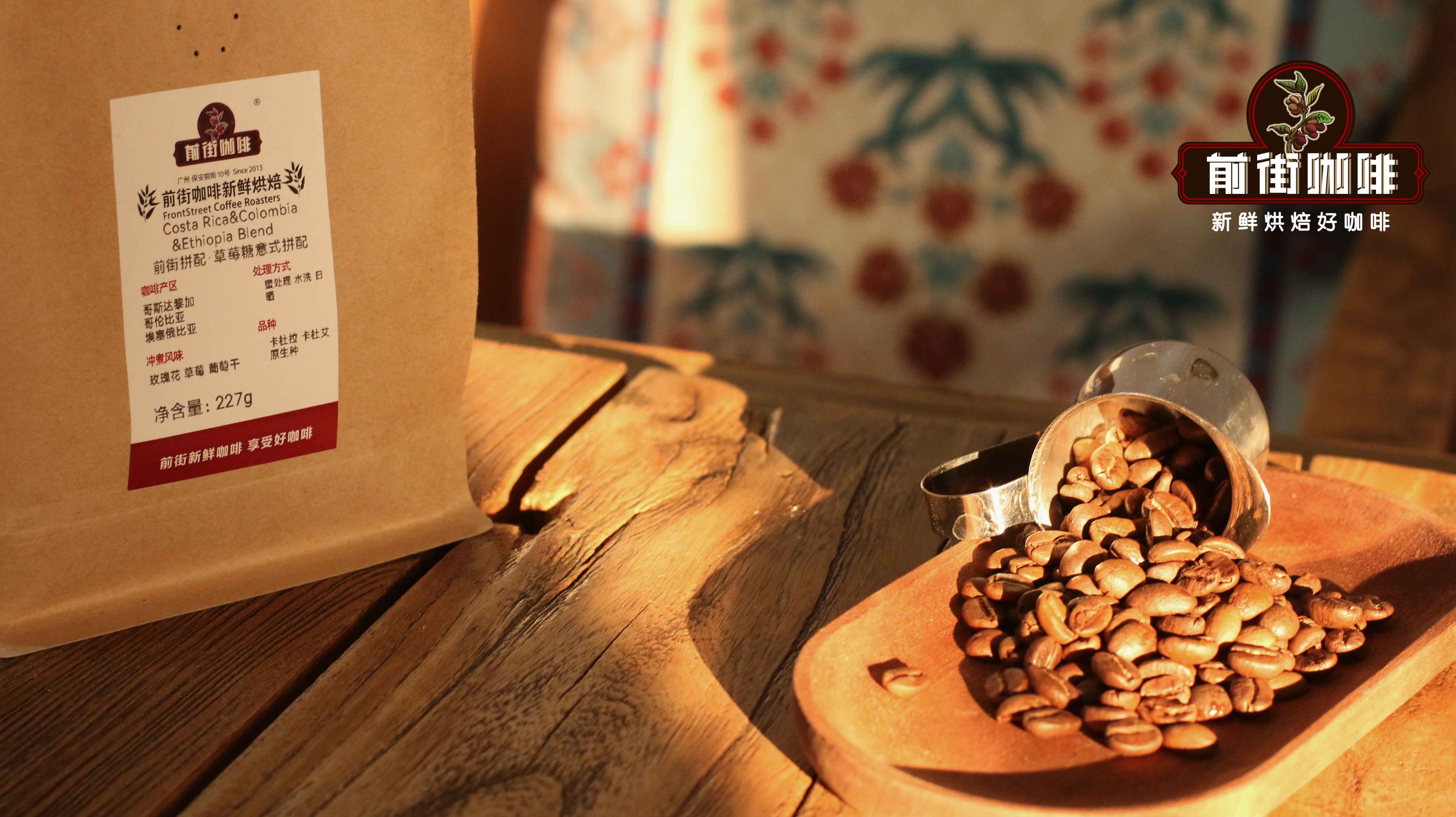
Many consumers opt for the convenience of pre-ground coffee, but there’s an important caveat: once coffee is ground, there’s no need for resting, because the increased surface area exposed to air accelerates oxidation significantly. Although residual carbon dioxide in the packaging can temporarily stabilize the flavor, it’s recommended tobrew the grounds as soon as possibleto avoid rapid flavor loss. Therefore, if you want to fully experience the original flavor profile of coffee beans, it’s best to purchase whole beans and grind them fresh at home—this way, you’ll enjoy the richest and freshest taste possible.
In summary, when selecting espresso beans, in addition to considering origin and processing methods, the choice of roast level plays a key role in flavor expression. From bright and lively floral and fruity notes to warm and robust caramel and chocolate tones, each roast level has its own unique charm. By mastering the resting time and brewing timing, you can effortlessly savor a cup of coffee that’s uniquely yours.
The above content is compiled by CoffeeHunters, a coffee news website.


