







Introduction:Although both French press and pour over are common home brewing methods, they differ significantly in extraction principles and flavor profiles. This article delves into the extraction logic, taste differences, and operational difficulty of both methods, and guides you through key parameters such as grind size, water temperature, and coffee-to-water ratio—teaching you how to brew a rich and full-bodied Mandheling with a French press, and master the skills for making stable and delicious coffee.
When brewing coffee at home, the French press and pour over are the two most popular methods for beginners. Though both can highlight the inherent flavors of coffee, one emphasizes “immersion brewing” while the other uses “drip filtration,” resulting in distinctly different taste profiles and brewing techniques.
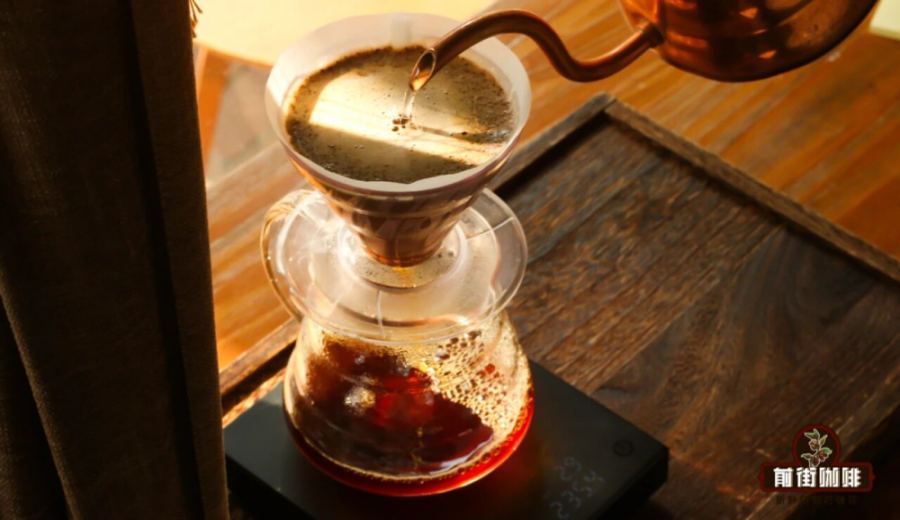
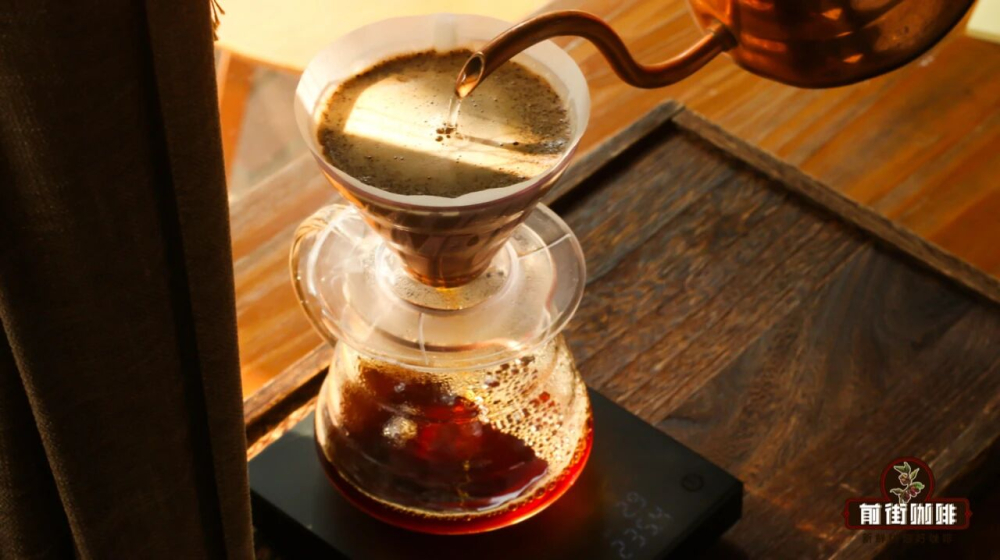
Pour over is a drip filtration method where hot water is evenly poured over a bed of coffee grounds. The water gradually seeps through and passes the filter paper, extracting the essence of the coffee before dripping into the server. This method requires precise pouring technique, stable water flow, and time control, showcasing clear layers and vibrant fruit acidity. However, it demands a certain level of skill from the brewer, involves more variables, and is less easy for beginners to control consistently.
< The French press, on the other hand, employs a simple and direct immersion approach. Coarse-ground coffee is placed in the pot along with hot water, left to steep for several minutes to fully release its flavors, and then filtered by pressing the coffee grounds to the bottom using a stainless steel filter. This method doesn’t require paper filters, making it more eco-friendly and economical, while also preserving the natural oils in the coffee. As a result, the flavor tends to be richer, smoother, and sweeter—ideal for coffee lovers who prefer bold tastes.
From an extraction perspective, the French press is actually quite similar to professional cupping methods, effectively highlighting the original characteristics of the coffee beans—whether it’s sweetness, body, or the richness of flavors, all are presented fully.
If you want to brew satisfying coffee with a French press, here are practical brewing suggestions and a full workflow tailored for medium to dark roast beans like Mandheling.
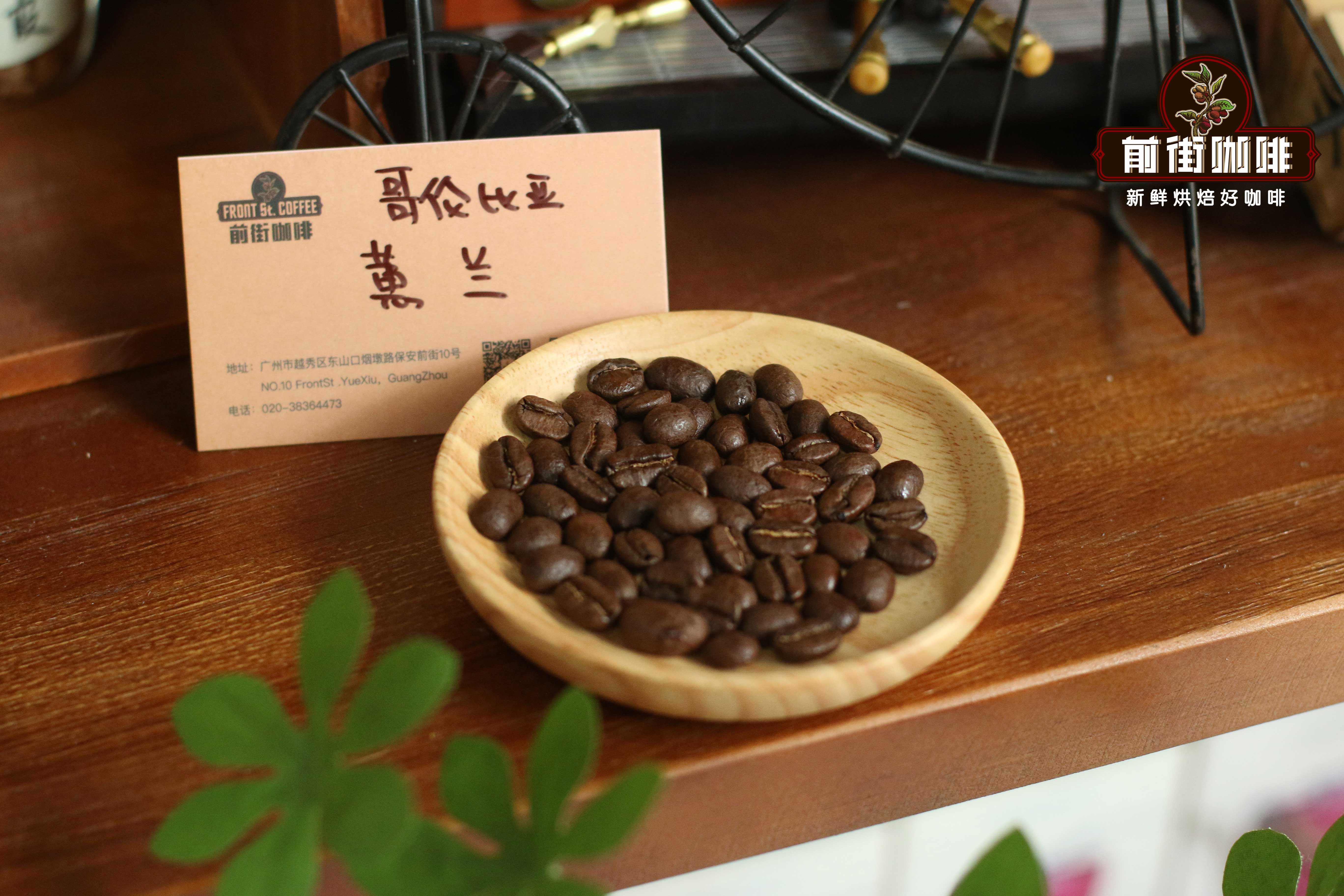
<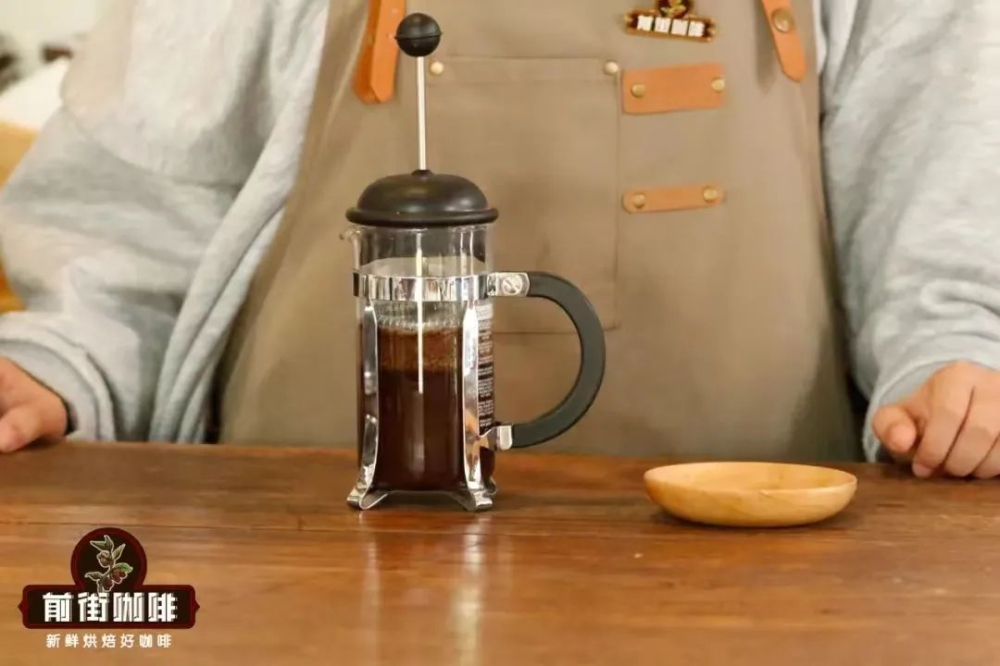 First, choosing coffee beans suitable for the French press is crucial. Take Mandheling, for example—a medium to dark roast bean from Sumatra, Indonesia. It features low acidity, a full body, and earthy, herbal notes, making it highly suitable for the French press to showcase its rich and robust flavor. Other beans, such as those from Brazil or Colombia in the medium to dark or medium roast range, also pair very well.
Regarding grind size, a medium-coarse grind is recommended—slightly coarser than what’s typically used for pour over, but not too coarse to avoid compromising extraction efficiency. Ideally, the standard sieve should have a passing rate of70% to 75%. If the grind is too fine, fine coffee particles may pass through the metal filter, leading to cloudy coffee or even negatively affecting the taste.
Coffee-to-water ratio is a key factor influencing flavor intensity and strength. A general starting recommendation is to1:10begin with a 1:10 ratio, such as using20 grams of coffee beans with 200 grams of water, suitable for two servings. If you prefer a lighter taste, you can adjust to a1:16thinner ratio, such as15 grams of coffee grounds with 240 grams of water. For commercially available pre-ground pour over coffee bags (e.g., 10g packs), you can also place them directly into the French press and brew by adding water in the same proportion.
In terms of preparation, it’s advisable to use an electronic scale to accurately measure the coffee and water ratio. Even though the French press may come with volume markings and a scoop, weighing is still recommended because coffee beans from different origins vary in density due to altitude and roast levels. Relying solely on volume can lead to inconsistent extraction. Additionally, if you accidentally brew an especially delicious cup, recording the exact ratio will allow you to easily recreate it in the future.
Water quality is also a vital factor influencing coffee flavor. It’s recommended to usesoft water, such as filtered or bottled mineral water, and avoid using tap water that is too hard or unfiltered, as it may interfere with the coffee’s natural aroma and taste.
<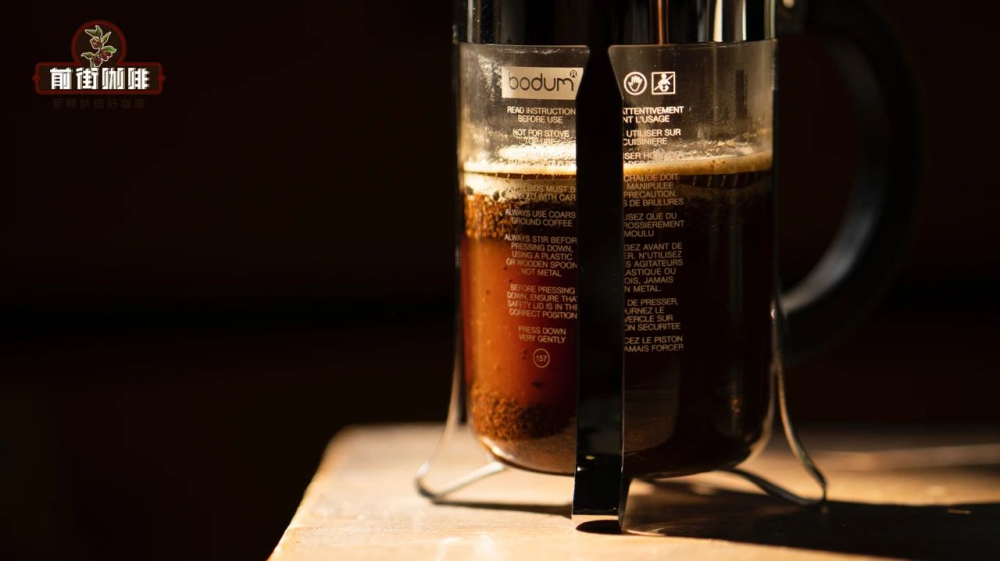 The actual brewing steps are as follows: First, grind an appropriate amount of coffee beans to a medium-coarse level and place them in the French press. Then heat the water to about93°C(near boiling but not fully boiling), and slowly pour it over the coffee grounds. Using15 grams of coffee with 240 grams of wateras a baseline, gently stir with a spoon to ensure the coffee grounds are evenly saturated.
After stirring, cover the French press with the lid but keep the plunger at the top. Allow the coffee to steep forabout 4 minutes. This period is crucial for flavor release, so avoid going too long or too short.
Once the time is up, open the lid and use a spoon to skim off any floating coffee foam and fine particles on the surface. This step helps improve clarity and purity of the coffee liquid. Then, slowly and steadily press the plunger down to filter the coffee.
It’s recommended to pour the brewed coffee into another thermos or cup immediately after pressing to prevent over-extraction caused by the coffee grounds continuing to steep in the pot, which could affect flavor balance.
< If you desire a clearer taste and reduced impact from fine particles, you can perform a secondary filtration using filter paper. This further enhances smoothness, especially for users with higher requirements for taste purity.
In summary, the French press is a simple yet professional coffee brewing tool. By mastering grind size, water temperature, coffee-to-water ratio, and steeping time, even beginners can easily brew a rich and full-flavored cup of Mandheling coffee at home.
The above content is compiled by CoffeeHunters, a coffee news website.


