








Introduction:As one of the highest-altitude coffee-growing regions in the world, Yirgacheffe Wolkite is renowned for its distinctive floral and fruity aromas and bright acidity. This article will comprehensively explore the mysteries of this popular specialty coffee bean, covering everything from regional background and bean grading classifications, to notable processing farms, actual cupping flavors, and roasting recommendations — along with practical brewing references to help you better understand the charm of Yirgacheffe.
Yirgacheffe is one of the highest-altitude coffee-growing regions globally, and its unique highland terrain and microclimate have created the fruity and floral profiles that many coffee enthusiasts dream of. This article will delve into the development trajectory of Yirgacheffe Wolkite specialty coffee beans by examining the region’s historical evolution, official grading system, major processing farms, and representative products. Through actual cupping performance and recommended roasting and extraction methods, it will help you grasp the flavor essence of this legendary region.
In Ethiopia, coffee grades in Yirgacheffe are not determined by bean size but by the ratio of defects in the green beans. Common grades include washed G2 and natural G3, among whichGrade 1 is the highest level,not only featuring the lowest defect rate but also requiring strict manual sorting. A well-known coffee brand’s washed G1 product is one such example, grown in high-altitude areas where significant day-night temperature variations allow coffee cherries to accumulate rich flavor precursors.
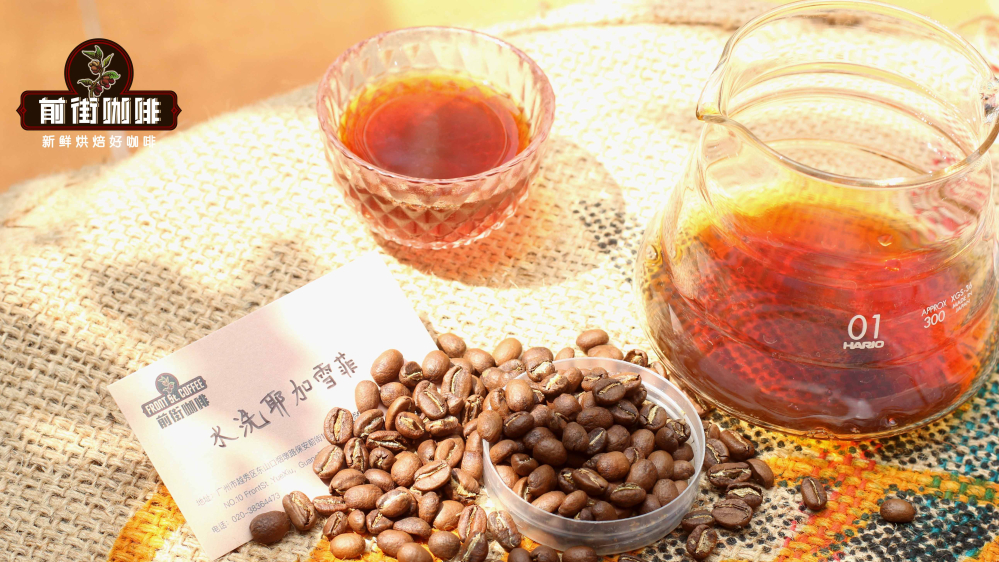
After medium-light roasting, this bean often exhibitsjasmine, citrus, lemon, honey, and oolong teanotes. Whether brewed via cold brew, French press, or pour over, it delivers excellent balance. A certain well-known coffee brand’s Kochere Estate natural G1 Yirgacheffe once received widespread acclaim, but due to limited supply, it is now often replaced by high-quality washed G2 — until recently when small batches of G1 micro-lots have been imported again.
Yirgacheffe's aroma profile is layered and rich, often carrying intense fruitiness and dried fruit notes, including sweet scents like strawberry, mango, and apricot jam. At the wet aroma stage, it tends to exude a syrupy sweetness, blended with the thick textures of apricot puree, honey, or chocolate. Upon tasting, it presents bright and lively acidity, medium body, and an overall profile reminiscent of a complex fruit-infused black tea.
The region’s altitude is close to two thousand meters, making it one of the highest coffee-growing areas in the world. The name “Yirgacheffe” originates from the local language, where “Yirga” means “to settle down” and “Cheffe” means “wetland.” Lakes such as Lake Turkana, Lake Abaya, and Lake Chamo provide ample moisture, while the foggy valleys, perennially shrouded in mist and cooled by a humid climate, offer ideal growing conditions for coffee trees and shape the region’s unique terroir.
Historically, coffee was introduced to Yirgacheffe by European monasteries before being taken over by local village cooperatives. Due to the lack of large exclusive plantations, coffee trees are mostly scattered among forests and farmlands. After harvest, the Ethiopian Commodity Exchange buys from farmers and auctions the beans for export under the unified brand of “Yirgacheffe.”
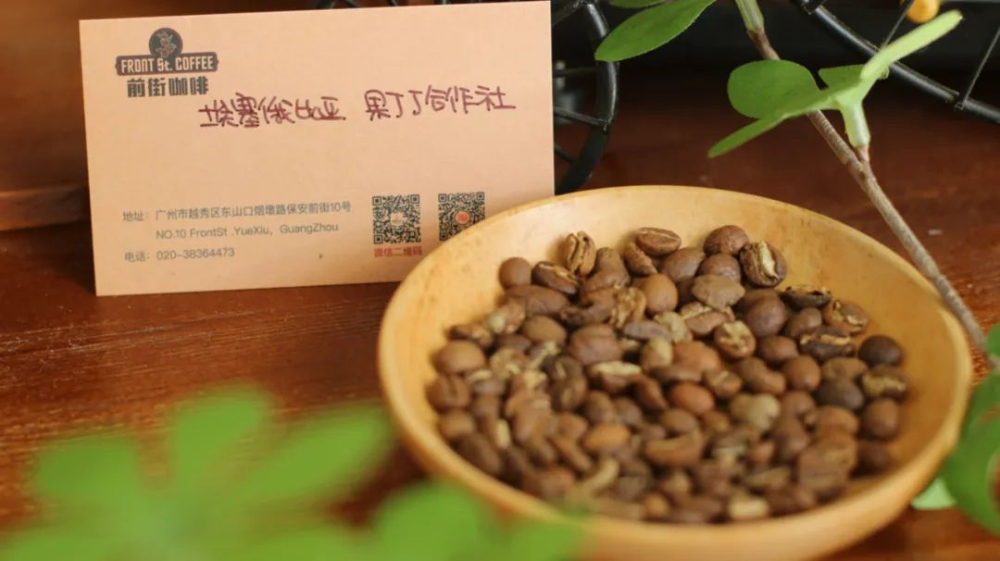
Take Yirgacheffe Aricha Grade 1 as an example: its green beans typically feature the classic natural yellow-green appearance, with plump particles and few defects. They are usually packed in regular jute bags labeled with information about the processing farm, exporter, ICO code, processing method, and region, and contain inner liner bags designed for agricultural products. This bean is recommended to be lightly and slowly roasted to better highlight its delicate flavors.
The region is home to numerous renowned processing farms, among which Kebel Aricha Mill’s natural beans are considered premium-grade representatives, rated as Grade 1 (G1) by the Ethiopian Commodity Exchange (ECX). Although Yirgacheffe falls under the jurisdiction of the Sidama region, its fame has far surpassed its original province, making it a key benchmark for Ethiopian specialty coffee.
A certain well-known coffee brand’s natural Red Cherry is another standout single-origin Yirgacheffe offering. It boasts an intense and bold flavor profile, with notable body, and besides clear citrus and lemon notes, it also features berry tones like blueberry and strawberry. Its sweetness is syrupy and smooth, making it a must-try for coffee lovers who enjoy fruity profiles.
Lake Turkana in the northern part of the East African Rift Valley, spanning Kenya and Ethiopia, is not only one of the cradles of humanity but also the birthplace of Yirgacheffe coffee. Just as the specialty coffee community has long explored the notion that “coffee is fruit,” Yirgacheffe is the perfect embodiment of this idea. Its flavor wheel includes numerous fruit-related descriptors, and actual tastings often reveal clear notes of citrus, berries, and tropical fruits, showcasing the diverse potential of coffee as a fruit.
The above content is compiled by CoffeeHunters, a coffee news website.


