







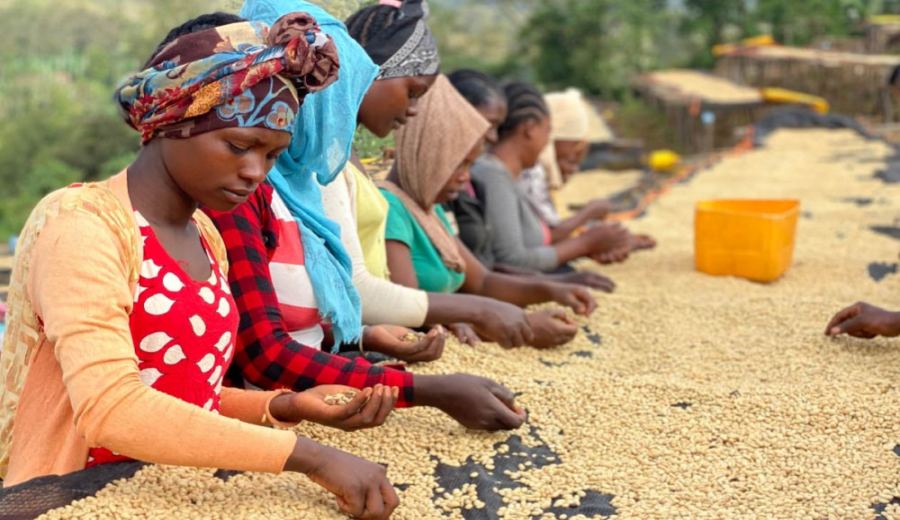
Introduction:Yirgacheffe is one of Ethiopia’s most representative specialty coffee regions, renowned for its distinctive floral and fruity aromas and bright acidity. This article provides an in-depth analysis of the differences between washed and natural processing methods in the region, explores the flavor evolution from light to medium-dark roasts, and offers a reference to the official grading standards to help you choose the most suitable Yirgacheffe coffee beans based on your brewing method.
Ethiopia is hailed as the birthplace of coffee and still preserves wild coffee trees growing naturally in pristine forests. Despite long-standing economic and environmental challenges, this country remains an indispensable key origin for global specialty coffee. Among its regions, Yirgacheffe stands out with its unique processing techniques and high-altitude cultivation environment, creating an unforgettable coffee flavor profile.
In terms of processing methods, Yirgacheffe, like the neighboring Sidamo region, employs a variety of approaches, including traditional washed and natural processing. It is worth noting that even within the same region, subtle adjustments in processing parameters—such as fermentation time and drying temperature—can lead to significant differences in flavor profiles, which is one of the reasons consumers often find the characteristics of the region confusing.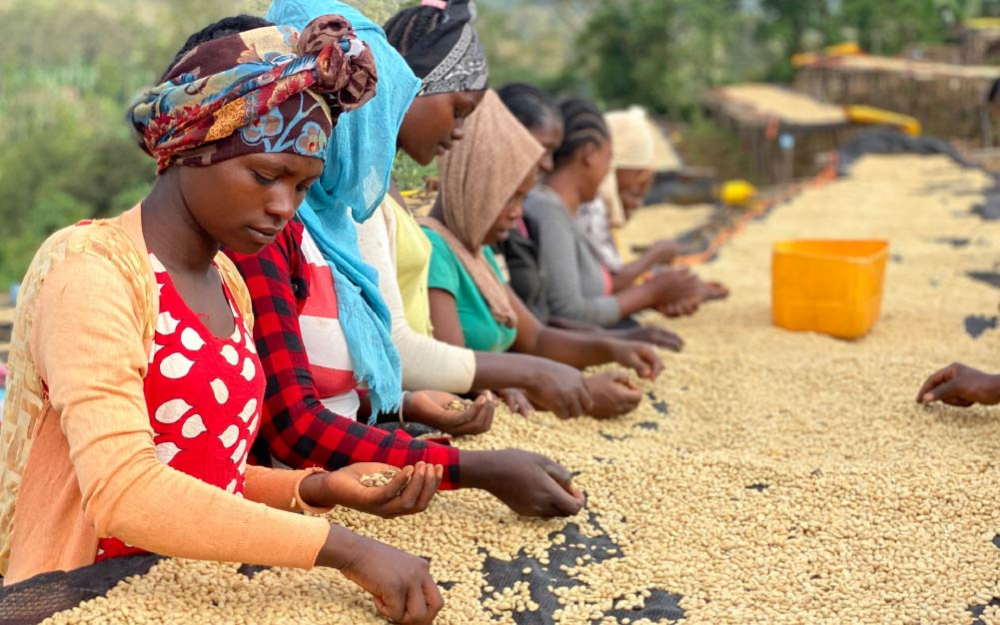
For classic washed-processed Yirgacheffe, it typically showcases a clear citrus-like acidity and an elegant tea-like aftertaste, making it suitable for drinkers who prefer a clean and refreshing taste. In contrast, the natural process enhances layers of berry and tropical fruit aromas, with a more pronounced sweetness, catering to coffee lovers who enjoy bold flavors. The differences between the two processing methods are particularly evident during brewing, and it is recommended that beginners try both side by side for comparison.
For light-roasted (City Level) Yirgacheffe coffee beans, focus on fermented aromas such as plum and strawberry. These beans can exhibit a distinct sweet orange note even at the grinding stage. During actual extraction, the aroma of strawberry cookies will volatilize with the heat, and the entrance will deliver a bright yet non-irritating acidity, gradually revealing a complex aftertaste akin to plum wine as the temperature drops. For this roast level, it is advised to rest the beans for 4 to 7 days to achieve a more balanced flavor.
If you opt for a medium-dark roast (close to Full City), you can experience a blend of chocolate and creamy textures. Taking Yirgacheffe natural-processed beans as an example, completing the roast around 20 minutes and 40 seconds into the first crack can preserve the fruit sweetness without introducing burnt bitterness. Such beans are particularly well-suited for espresso, often showcasing tropical fruit aromas like pineapple and mango, accompanied by a milky, smooth mouthfeel. The chocolate syrup-like sweetness after cooling serves as an important indicator of a successful roast.
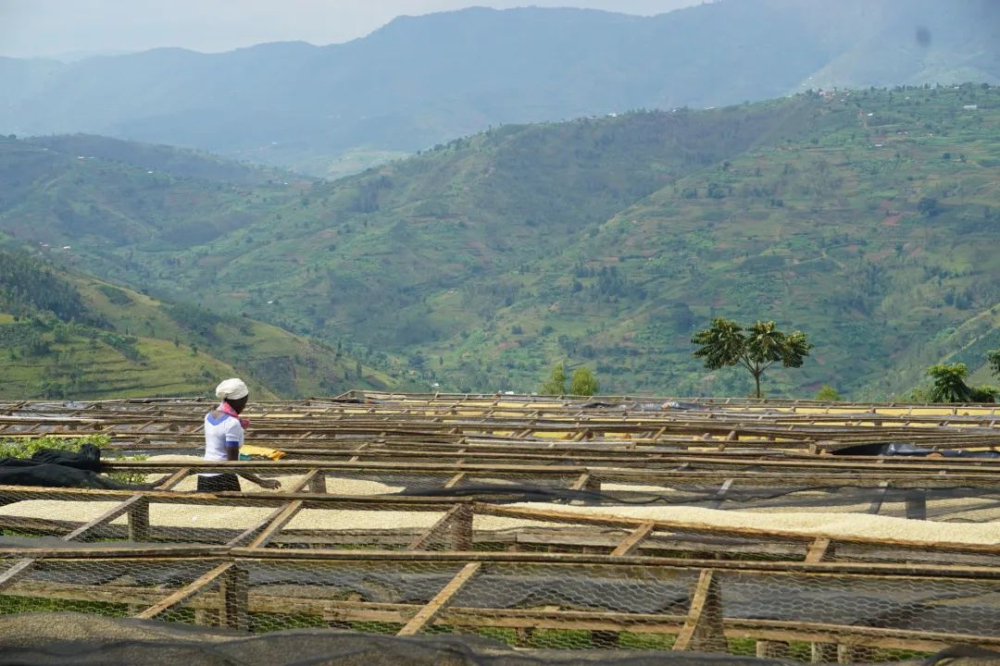
Yirgacheffe, traditionally known for its excellence in washed processing, has seen many farms adjust their production strategies in recent years due to the international market success of natural-processed beans. This shift has not only expanded flavor possibilities but also given consumers the chance to taste more experimental coffee expressions. Notably, natural beans from well-known producers such as Thin Mist Estate, with their vivid berry aromas and unique fermentation techniques, have become signature offerings in many specialty coffee shops.
It is worth noting that several cooperative projects assisted by international organizations, including the Netherlands-supported Red Cherry Project, have stabilized the production of high-quality natural beans through strict control over ripeness and processing procedures. Classic batches such as those from Kerite in 2008 and Cambado Estate in 2009 are still regarded by the industry as benchmarks for strawberry flavors. These successful cases have also driven the entire region’s pursuit of quality.
In terms of quality grading, the Ethiopian government adopts the G1 to G5 standard, where G1 is the highest grade, requiring the number of defective beans to be limited to 0 to 3 per 300 grams. Mainstream specialty Yirgacheffe beans on the market, such as washed Guji Dingding and natural Red Cherry, fall within this grade range. When purchasing, consumers can refer to the number of defective beans in a 300-gram sample: G1 (0–3 beans), G2 (4–12 beans), G3 (13–25 beans), G4 (26–45 beans), G5 (46–90 beans) as a basis for assessing green bean quality.
The above content is compiled by CoffeeHunters, a coffee news website.


