







Introduction:Want your pour over coffee to have a more pronounced sweetness, but always find it overshadowed by bitterness? The key lies in mastering the "high concentration, low extraction" approach. By balancing concentration and extraction yield, you can make the sweetness of coffee more prominent while suppressing unwanted bitterness. This article breaks down the Golden Cup extraction principle and the origin of high-concentration, low-extraction in an easy-to-understand way, and provides practical parameter settings for light to medium roasted beans to help you easily brew a well-balanced, sweet-forward cup.
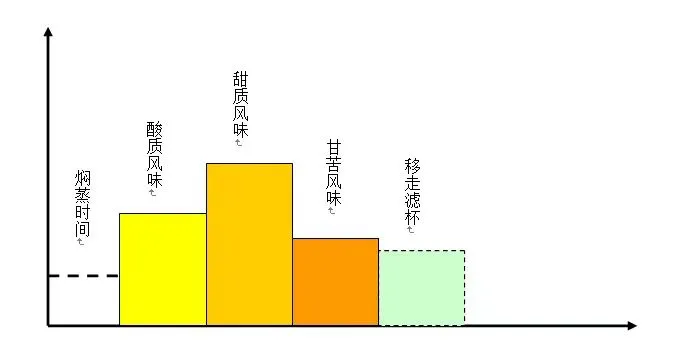
Many coffee enthusiasts look forward most to that hint of sweetness when tasting coffee, yet bitterness often shows up uninvited, ruining the overall flavor. In fact, the release of various flavors in coffee follows a certain order: acidity and sweetness usually emerge first, while bitterness and impurities are often released later. By mastering the extraction rhythm and stopping in time before the bitterness takes over, you can brew a coffee where sweetness dominates. The core strategy behind this is the recently highly praised "high concentration, low extraction" extraction approach.
The Core of High-Concentration, Low-Extractionlies in increasing the concentration of the coffee liquid while keeping the extraction yield within a relatively lower range. Simply put, it means making the coffee stronger, but not so overly extracted as to produce excessive off-flavors and bitterness. This method can effectively enhance the perception of sweetness while making the overall flavor smoother and more rounded. Next, we’ll start from the Golden Cup extraction theory and step-by-step analyze the principles and practical applications of this technique.
When talking about the sweetness of coffee, many people first think of the sweetness of sugar, but in reality, the sweetness we perceive comes more from the combined effect of various flavor compounds. Even so, a coffee with noticeable sweetness can always bring a sense of pleasure and satisfaction, which is also one of the main reasons why many people choose coffee.
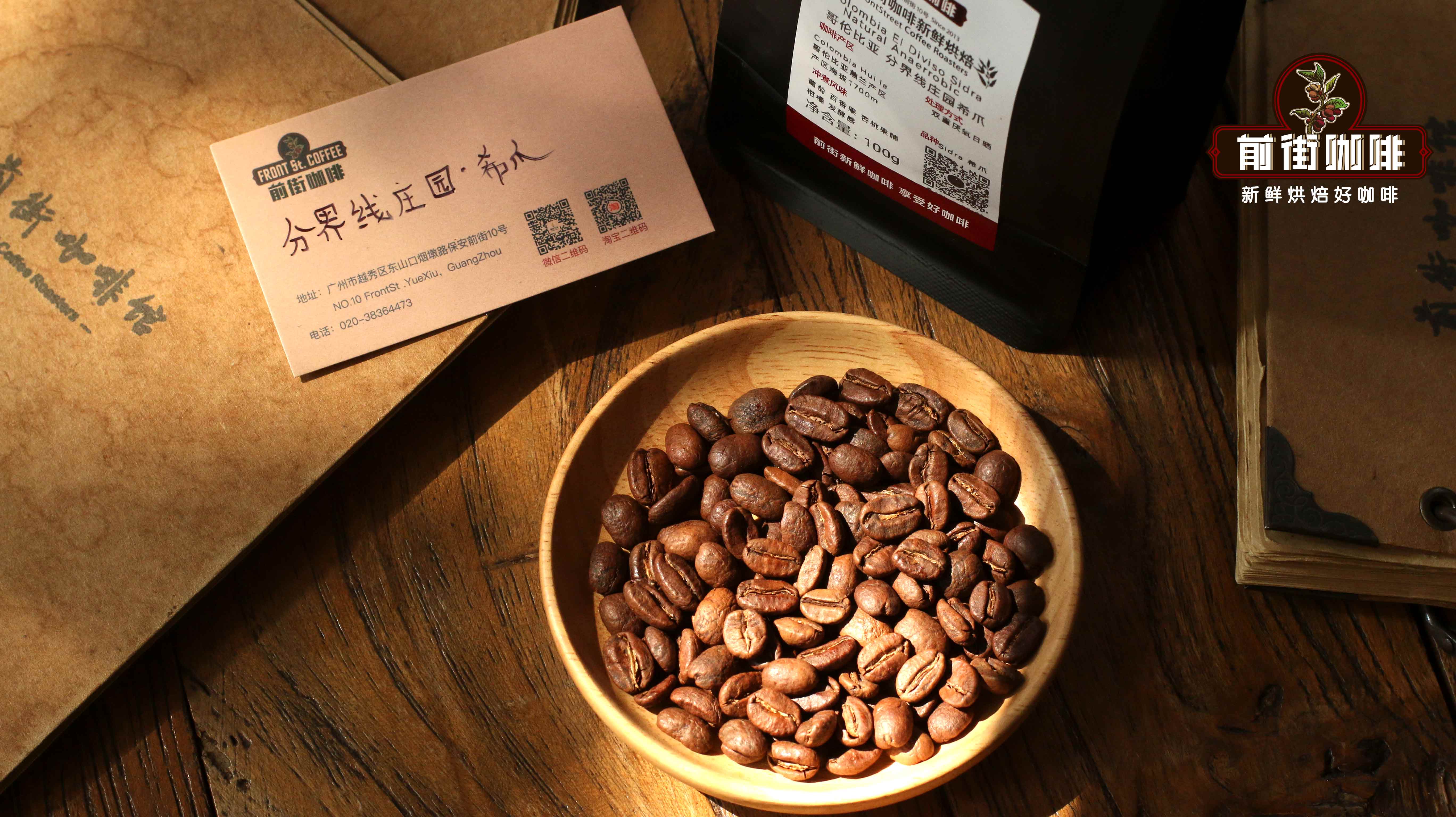
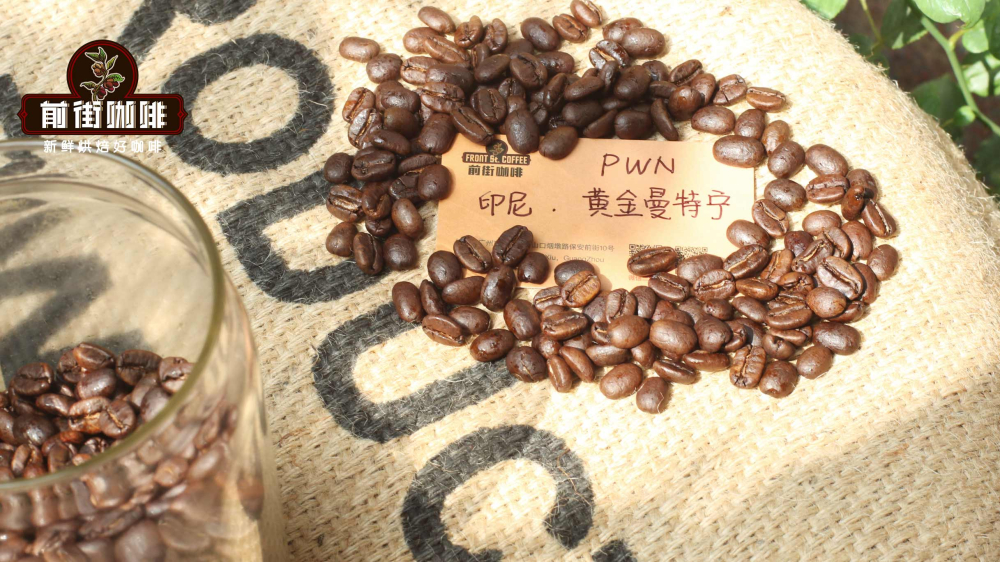
If you prefer coffee with prominent fruity notes and a fresh, sweet profile, you might want to try light to medium roasted beans, such as those with strawberry or blackberry flavor profiles; if you prefer a richer, more substantial body with a distinct aftertaste, medium to dark roasts like Golden Mandheling or Queen Estate would be better choices. No matter which type you choose, using the right extraction strategy can further highlight its sweet potential.
Bitterness is often the biggest barrier to coffee acceptance. Once over-extracted, leading to the release of a lot of bitter substances, not only are other delicate flavors masked, but it can also make the entire cup hard to enjoy. So, is it possible to extract only the sweet components of coffee while avoiding those unpleasant bitter ones? The answer is yes.
In fact, different flavor compounds in coffee are released in a certain order due to differences in molecular size and dissolution rate. Generally speaking, acidity and sweetness-related compounds are released in the early stages, while bitterness and impurities tend to appear in the later stages. As long as we stop extraction at the right time before the bitterness is released, we can effectively reduce the proportion of bitterness and let sweetness take center stage.
Of course, the "right time to stop" mentioned here is not about arbitrarily interrupting the brew. Without proper parameter planning and process control, abruptly cutting off the water will only throw off the overall extraction balance. Therefore, we need a strategic extraction method — the "high concentration, low extraction" technique we’re about to introduce.
What Is High-Concentration, Low-Extraction?
To understand high-concentration, low-extraction, we first need to revisit the Golden Cup extraction theory. According to Golden Cup standards, a balanced and well-received cup of coffee typically has a concentration between 1.15% and 1.35% , and an extraction yield of around 18% to 22% . When both of these metrics fall within this range, the coffee tends to exhibit optimal flavor performance — not too weak, nor overly bitter.
"High-concentration, low-extraction," on the other hand, involves raising the concentration to near or slightly above the upper limit of the Golden Cup range — for example, reaching 1.35% or even 1.45%— while controlling the extraction yield slightly lower than the Golden Cup recommendation, such as around 17% to 19%. This approach enhances the richness of the coffee while avoiding the release of too many off-flavors, thereby highlighting the sweetness.
It’s important to note that "low extraction" does not mean pushing the extraction yield extremely low, but rather slightly reducing it compared to normal extraction parameters. Its primary goal is to avoid impurities and excessive bitterness from the later stages of extraction. If the extraction yield is too low, the coffee may end up lacking depth, or even tasting overly sharp or thin.
The concept of high-concentration, low-extraction actually has roots in the Japanese deep-roast brewing culture. Since dark roasted beans naturally contain more bitter substances, Japanese baristas, back in the days before scientific extraction theories became widespread, had already developed an extraction method through experience that could reduce bitterness and enhance a rich mouthfeel.
They commonly used more coffee grounds with less brewing water, resulting in coffee that, although high in concentration, avoided excessive impurities through controlled brewing time and techniques, yielding a cup with noticeable sweetness and a smooth body. This approach is essentially the prototype of high-concentration, low-extraction.
Traditionally, they would even dilute the concentrated brew with water afterward to adjust it to a drinkable concentration. This way, the richness of the flavor is preserved, without sacrificing smoothness in drinking.
Nowadays, we don’t necessarily have to follow such a complicated process. As long as you grasp the basic principles of high-concentration, low-extraction, you can also adjust a set of suitable parameters based on your equipment and beans.
Taking light roasted coffee as an example, it is recommended to use 15 grams of coffee grounds, ground to a coarseness equivalent to EK43 grinder setting 10 (approximately 80% passing rate through a #20 sieve) , with water temperature controlled at 92°C[temperature value needed] , using a1:15 coffee-to-water ratio . For brewing, it is recommended to use the three-pour method with a V60 filter cone, keeping the total brew time around2 minutes
. Based on these parameters, the actual measured extraction yield is approximately between 17.8% and 19.5% , with concentration falling between1.28% and 1.42%
. This range can showcase rich fruit acidity and sweetness, suitable for most drinkers who prefer a clean and bright profile. This method can also be flexibly applied to other brewing devices, as long as you follow the principle of "reducing pour volume and improving extraction efficiency" to achieve similar results.
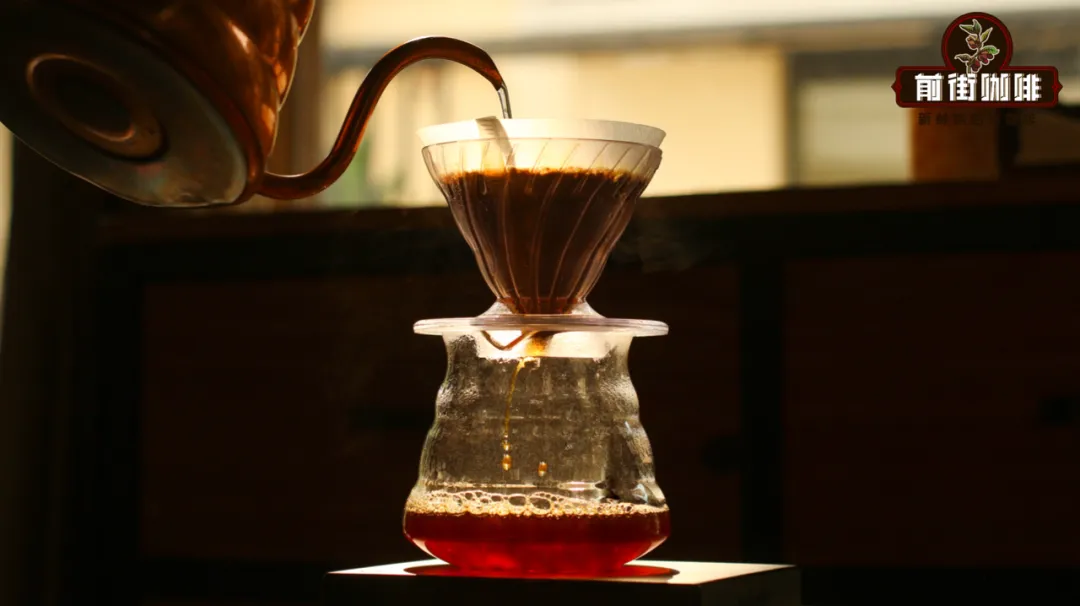
Additionally, drinks like the Ristretto in espresso are an extension of this same concept — based on espresso, by reducing the extraction water volume and adjusting grind size, it allows the coffee to release a more concentrated yet lower extraction yield liquid in a shorter brew time, resulting in a rich and sweet-forward taste.
However, high-concentration, low-extraction is not a one-size-fits-all solution. Because this method reduces extraction in the later stages, it may sacrifice some flavor complexity, body, and aftertaste. For high-quality beans with inherently rich flavor profiles, over-suppressing extraction may prevent their unique characteristics from fully shining.
The above content is compiled by CoffeeHunters, a coffee news website.


