







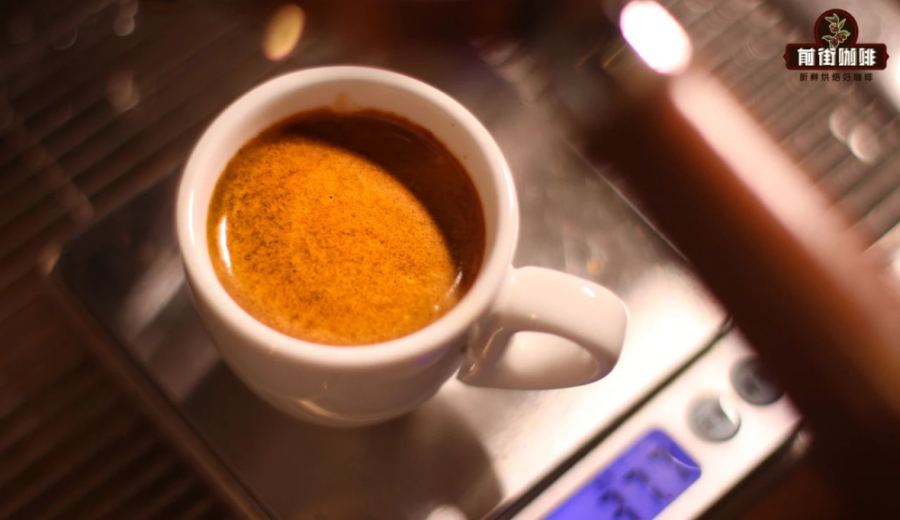
Introduction:In coffee shops, it’s common to hear someone say “I’ll have a shot,” but how much espresso is actually in one shot? This article will guide you through the origins, standard evolution, and modern practices of a single and double shot, analyze the relationship between extraction parameters and liquid weight, and recommend several espresso blends and SOE beans suitable for making espresso — helping you better understand the fundamentals and make informed choices when it comes to espresso.
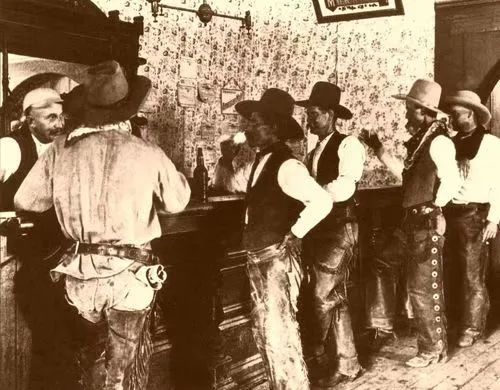
Walk into a coffee shop, and you might have heard someone say, “I’ll have a shot.” But you may not know that this seemingly simple unit carries with it the history and practical standards of espresso. The term “shot” originally comes from bar culture. In the mid-20th century, a shot referred to a small glass of liquor, typically served in a cup holding about one ounce (approximately 30 milliliters), allowing customers to drink it quickly. When this concept was extended to the coffee world, a shot came to describe a single serving of espresso — an intense, concentrated beverage that delivers caffeine swiftly.
So, how much was a traditional shot? Early shot glasses had a capacity of about 30 milliliters, so a shot usually meant an espresso of that volume. At the same time, it also represented a fixed set of extraction parameters: using around 7 grams of coffee grounds, extracted under specific pressure and time to yield approximately 30 milliliters of espresso. A so-called double shot, or doppio, used 14 grams of coffee to extract about 60 milliliters of liquid. This was commonly done using a double basket, with a split design that divided the coffee into two separate shot glasses. Since electronic scales weren’t yet common, the amount was primarily judged by observing the volume — what is commonly called an “eyeballed” method.
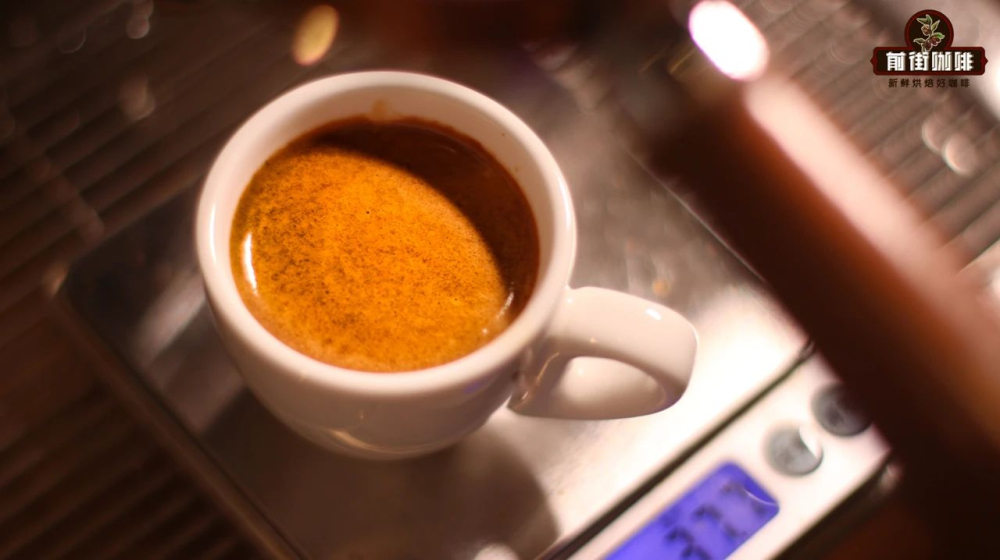
However, as coffee technology advanced, this volume-based standard began to show its flaws. The crema (coffee foam) on the surface of espresso takes up space but is actually lighter than the liquid itself, which can lead to inaccuracies if relying solely on volume. For example, espresso with rich crema may have less actual liquid weight than it appears, while espresso with less crema may weigh more. As a result, professional baristas today generally rely on the actual weight of the extracted coffee liquid rather than just its volume.
So, how is a shot defined in modern espresso? Most coffee shops have now adopted the double basket as the standard equipment, while single baskets have become quite rare. Extraction ratios have also been adjusted. Compared to the old standard of 7 grams yielding 30 milliliters, a common modern standard is 16 to 18 grams of coffee producing about 32 to 45 milliliters (or 32 to 45 grams by weight). This means that even when using the same basket, a modern shot is no longer equivalent to the old single-shot standard.
For example, many popular coffee recipes, such as lattes, often use 20 grams of coffee at a 1:2 coffee-to-water ratio to extract about 40 grams of espresso, with a brew time of around 30 seconds — which is essentially the standard operation for a double shot. By the old definition, this extraction would already be equal to a double shot. Therefore, if the output of a double basket is considered one shot, then a customer’s request for “one shot” might only yield about 22 milliliters — too little for a small cup. As a result, many shops now define a double basket extraction as one shot, and a double shot as extracting twice from the same basket.
Now that we understand the evolution of the shot, let’s look at which coffee beans are suitable for making high-quality espresso. For beginners, classic blends such as “Brazil + Mandheling” or “Brazil + Colombia” are safe and reliable choices. These combinations typically offer notes of nuts, caramel, and creaminess, and pair smoothly with milk to produce a rich and velvety taste.
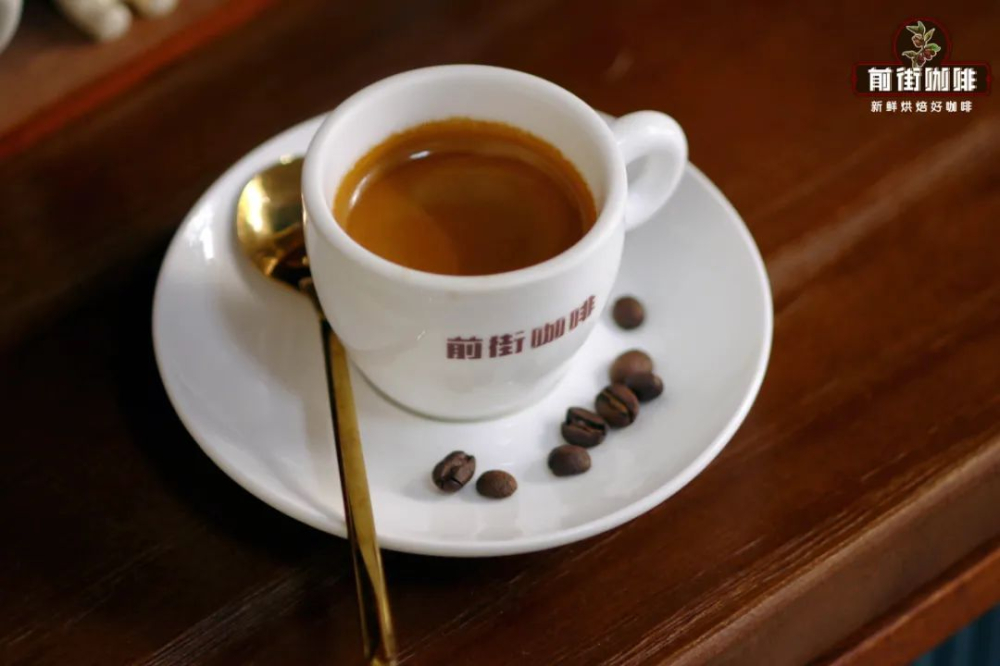
Among these, premium blends using Brazilian and Colombian beans often showcase distinct creaminess and nutty tones, along with moderate caramel sweetness, perfectly complementing milk to create a silky latte base. Another classic blend favored by home users is based on the traditional “Mandheling-Brazil” combo (commonly known as “Mand巴西” or “Mand-Bra”). The Brazilian beans provide a mild hazelnut-milk aroma, while the Mandheling adds herbal and spicy notes. With a small addition of Robusta beans, the crema performance is further enhanced, delivering a rich flavor profile of butter, roasted hazelnuts, and dark chocolate. Even as a black coffee, it offers a full-bodied and refreshing taste.
If you want to explore the allure of Single Origin Espresso (SOE), there are also some outstanding options. While single-origin beans can be more challenging to extract, mastering factors like roast level, grind size, and brew time can often highlight unique regional characteristics. For instance, a medium-dark roasted Queen Estate SOE from a premium growing region in Brazil, after careful processing and roasting, offers intense creamy peanut aromas paired with sugarcane-like sweetness, and a soft cocoa finish. This bean works well in both espresso machines and home devices like the moka pot.
Another worth-trying option is the PWN Golden Mandheling SOE, sourced from Indonesia’s renowned Sumatra region. These coffee beans undergo three rounds of hand-picking and one machine sort to ensure quality and uniformity. Roasted to a medium-dark level, they exhibit rich notes of spices, caramel, cedarwood, and dark chocolate, with a full body and abundant crema. Even those who don’t prefer acidity can enjoy its smooth and rounded texture. Whether used for espresso or lattes, it reveals deep and memorable layers of flavor.
The above content is compiled by CoffeeHunters, a coffee news website.


