







Introduction:Costa Rican honey-processed coffee has garnered significant attention in recent years, captivating coffee enthusiasts worldwide with its distinctive sweetness and rich body. This article provides an in-depth analysis of the terroir characteristics of the country’s seven major coffee-growing regions and explores the principles behind honey processing. It offers a detailed comparison of yellow honey, red honey, and black honey in terms of green bean appearance, roasting profiles, and cupping flavors—helping you master bean selection and discover your ideal honey-processed coffee.
Coffee beans grown in Costa Rica’s high-altitude regions are internationally renowned for their full-bodied, balanced profiles and gentle mouthfeel. In recent years, the widespread adoption of honey processing has highlighted the beans’ captivating fermented sweetness, making them a favorite among many coffee lovers. By preserving the fruit mucilage during sun drying, honey-processed coffee delivers intense sweetness and layered complexity. This article takes you from regional characteristics to processing details, offering an in-depth look at the unique charm of Costa Rican honey-processed coffee.
With a long history of coffee cultivation, Costa Rica has continuously refined its honey-processing techniques, leading to growing market acceptance. Following the foundational flavor profile established by washed beans, many coffee enthusiasts have turned to honey processing to experience the perfect fusion of fermentation aromas and sweetness. This article focuses on Costa Rica’s seven major coffee-growing regions, explains the principles of honey processing, and provides a detailed comparison of yellow honey, red honey, and black honey in terms of green bean appearance, roasting parameters, and cupping performance—to help you find your favorite cup.
Coffee beans from Costa Rica’s high-altitude areas are globally acclaimed for their rich flavors, gentle mouthfeel, and outstanding balance. The country’s coffee-growing history dates back several decades, and in the past ten-plus years, honey processing has become increasingly common, with quality steadily improving. Today’s market offers both representative washed coffees emblematic of specific regions and numerous highly praised honey-processed options, beloved by consumers.
Costa Rica is currently divided into seven major coffee-growing regions: Western Valley (Valley Central Occidental), Central Valley (Valley Central), Tarrazú, Tres Ríos, Orosi, Brunca, and Turrialba. Each region, shaped by differences in terrain, altitude, and climate, produces distinct coffee flavors.
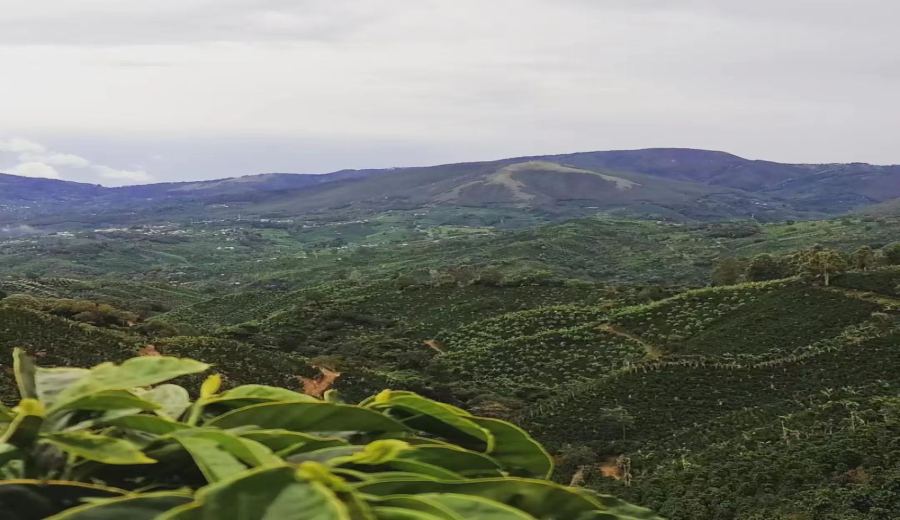
Tarrazú sits at elevations of 1,200 to 1,700 meters, with the harvest season concentrated from December to March. Located south of the capital, San José, this region is one of Costa Rica’s most important coffee-producing areas. Its fertile, well-draining soil yields limited but exceptional-quality coffee. The Western Valley (Valley Central Occidental), at 1,000 to 1,200 meters, has a production season from November to March. Influenced by Pacific air currents, its temperatures are cooler than other high-altitude regions at similar latitudes, producing coffee cherries and beans of excellent quality. Its flavors tend to be steady, with notes of almond and peach.
The Central Valley (Valley Central), at 1,200 to 1,600 meters, has a production season from November to March and is the earliest region in Costa Rica to cultivate coffee. Its volcanic soil is nutrient-rich, yielding flavors that combine chocolatey cocoa, bright acidity, and elegant aromatics. Tres Ríos, at 1,200 to 1,650 meters, has a production season from December to March and is located east of the capital. The Irazú Volcano and surrounding rivers create an optimal microclimate, resulting in a clean, crisp profile with soft acidity, intense nutty aromas, and exceptional balance.
Orosi, at 900 to 1,200 meters, has a production season from September to February. With over a century of coffee cultivation history, the region has prospered thanks to coffee. Its beans offer a smooth mouthfeel, full body, fragrant aroma, and approachable flavors. Brunca, at 800 to 1,200 meters, has a production season from August to January. Its acidity is moderate, body is full, and aromatics are average, with a flavor profile that shares some compatibility with other regions. Turrialba, at 600 to 900 meters, has a production season from July to December. Its acidity is mild, body is lighter, and aromatics are fragrant. As the earliest-harvesting region among Costa Rica’s coffee-growing areas, it is heavily influenced by abundant rainfall.
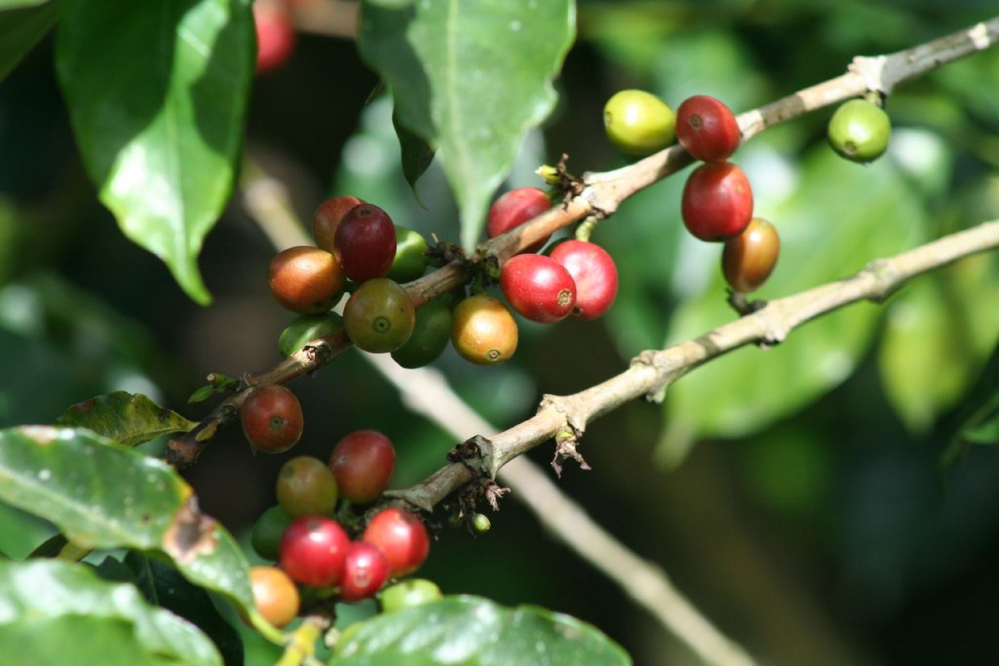
Honey processing, known in English as Honey Process or Miel Process, produces what is called Honey Coffee. This method is used in countries such as Costa Rica, Panama, and Guatemala, with Costa Rica’s honey-processed coffee being particularly renowned. Honey processing involves retaining the mucilage (fruit pulp) during green bean processing and drying it in the sun. After removing the outer fruit skin, the coffee fruit retains a sticky, gel-like substance on its surface. Traditional washed processing would rinse this away, but high-altitude regions with limited water resources developed this mucilage-retained sun-drying method.
The sweetness of honey-processed coffee falls between that of washed and natural (sun-dried) processes, with a particularly prominent body. Its greatest advantage lies in maximizing the retention of the original sweetness of ripe coffee fruit, presenting subtle black sugar notes and stone fruit sweetness while also evoking wine-like base aromas. It is widely regarded as an exceptionally elegant product. Honey processing is further divided into yellow honey, red honey, and black honey, each with distinct characteristics based on the proportion of mucilage retained and drying conditions.
Yellow honey removes about 40% of the mucilage and is dried under the most sunlight, taking approximately eight days until the moisture content drops to 11% to achieve maximum heat absorption. Red honey removes about 25% of the mucilage, requires longer drying times, and involves reduced direct sunlight—sometimes using shaded structures—for around 12 days. Black honey retains nearly 80% of the mucilage, takes the longest to dry (at least two weeks), and requires covering to avoid excessive sunlight and overly rapid drying, allowing for more thorough sugar conversion.
In terms of sweetness: black honey > red honey > yellow honey; in clarity: yellow honey > red honey > black honey; in balance: red honey and yellow honey perform similarly and better than black honey. Visually, black honey beans, due to higher mucilage retention, exhibit uneven coloration and emit intense fermented aromas with a pear-like sweetness. Yellow honey beans retain less mucilage, appearing uniformly yellow-green with grassy and rice-like notes. Red honey falls between the two, with subtle fermented and grassy aromas.
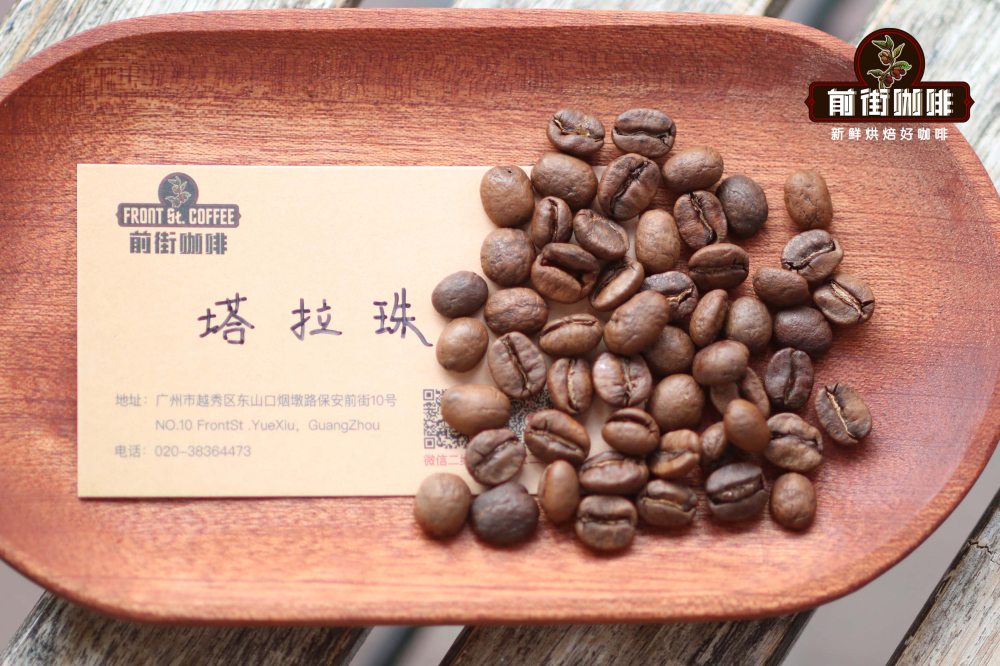
Roasting parameters were meticulously recorded for the three types of Costa Rican honey-processed coffee beans. For yellow honey: the turning point (yellowing) occurred at 5 minutes 30 seconds, first crack began at 8 minutes 46 seconds at 184°F, with 2 minutes 30 seconds of development before dropping at 196°F. For red honey: yellowing at 5 minutes 10 seconds, first crack at 8 minutes 40 seconds at 185°F, 2 minutes 35 seconds of development, dropping at 197°F. For black honey: yellowing at 5 minutes 05 seconds, first crack at 8 minutes 50 seconds at 183.6°F, 2 minutes of development, dropping at 195.8°F.
Cupping was conducted eight hours after roasting. 11.3 grams of coffee grounds (ground to the fineness of superfine sugar, passing 70–75% through a Chinese standard No. 20 sieve) were used with 200 ml of water at 94°C. After four minutes, the crust was broken and removed. Yellow honey exhibited subtle fermented fruit aromas, with cupping notes of citrus, cocoa, nuts, honey, and caramel, and an overall light-bodied profile. Red honey released intense fermented wine-like aromas, with cupping notes of pineapple, sweet orange, nectarine, grape, cream, raisin, and maple syrup. Black honey had strong jackfruit, raisin, and fermented wine aromas, with cupping notes of plum, citrus, raisin, caramel, and spices.
Overall, black honey beans featured the most intense fermented aromas, rich flavor layers, and pronounced sweet-and-sour notes with a juice-like texture. Red honey beans were slightly less aromatic but more balanced overall, with notable grape flavors. Yellow honey beans were the cleanest, with minimal fermentation character and citrus-like fruitiness—ideal for coffee lovers who prefer a refreshing profile.
The above content is compiled by CoffeeHunters, a coffee news website.


