







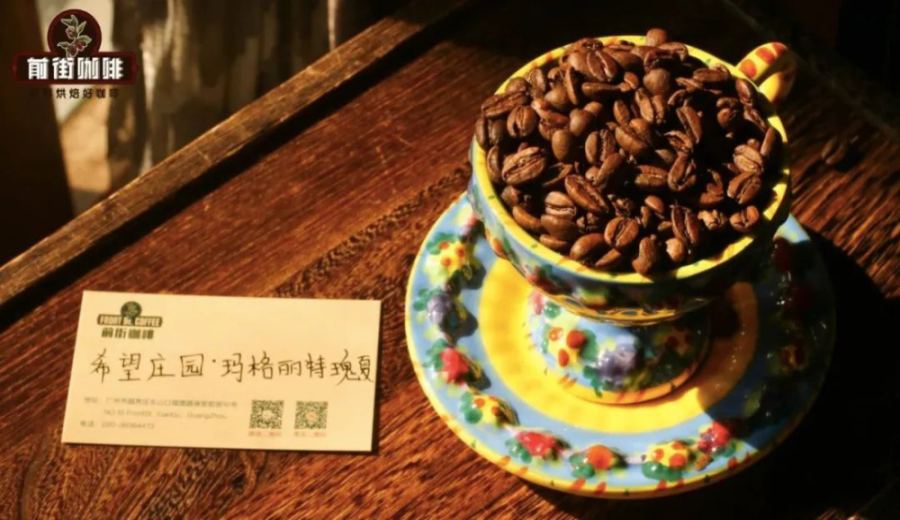
Introduction:This article provides an in-depth analysis of the washed Geisha filter coffee from Hacienda La Esperanza in Colombia, introducing its unique blueberry, blackcurrant, and berry aromas, as well as its wine-like finish. We will also detail the ideal temperature range, coffee-to-water ratio, and brewing steps for using filter bags, helping readers brew a vibrant cup of Geisha coffee at home.
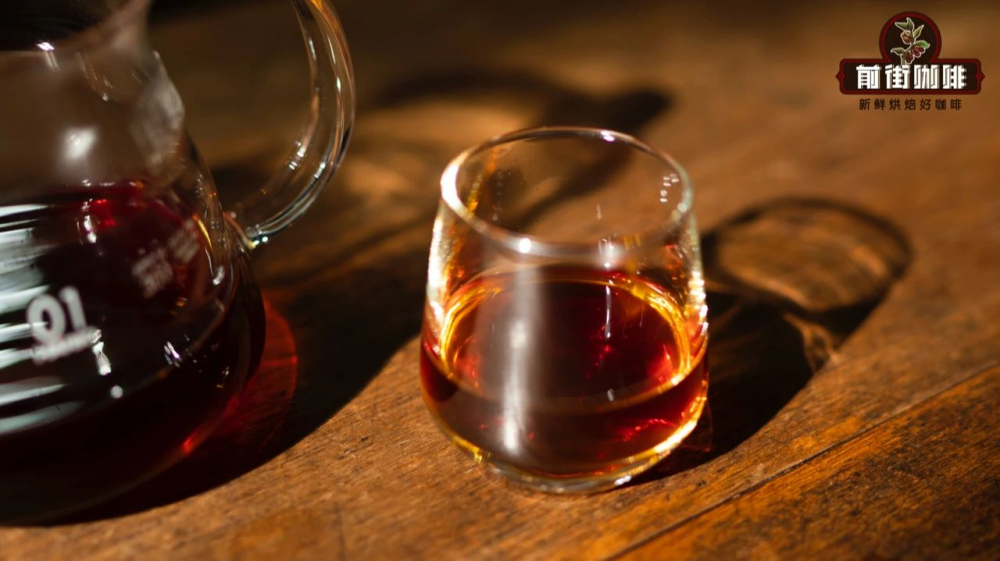
Recently, I tried a batch of Geisha beans from Hacienda La Esperanza in Colombia. The natural processing method imparts captivating blueberry and dark plum aromas. Upon tasting, layers of blackcurrant juice, orange, and various berry flavors unfold, delivering a juicy mouthfeel, and it finishes with a delicate wine-like aftertaste that is truly impressive.
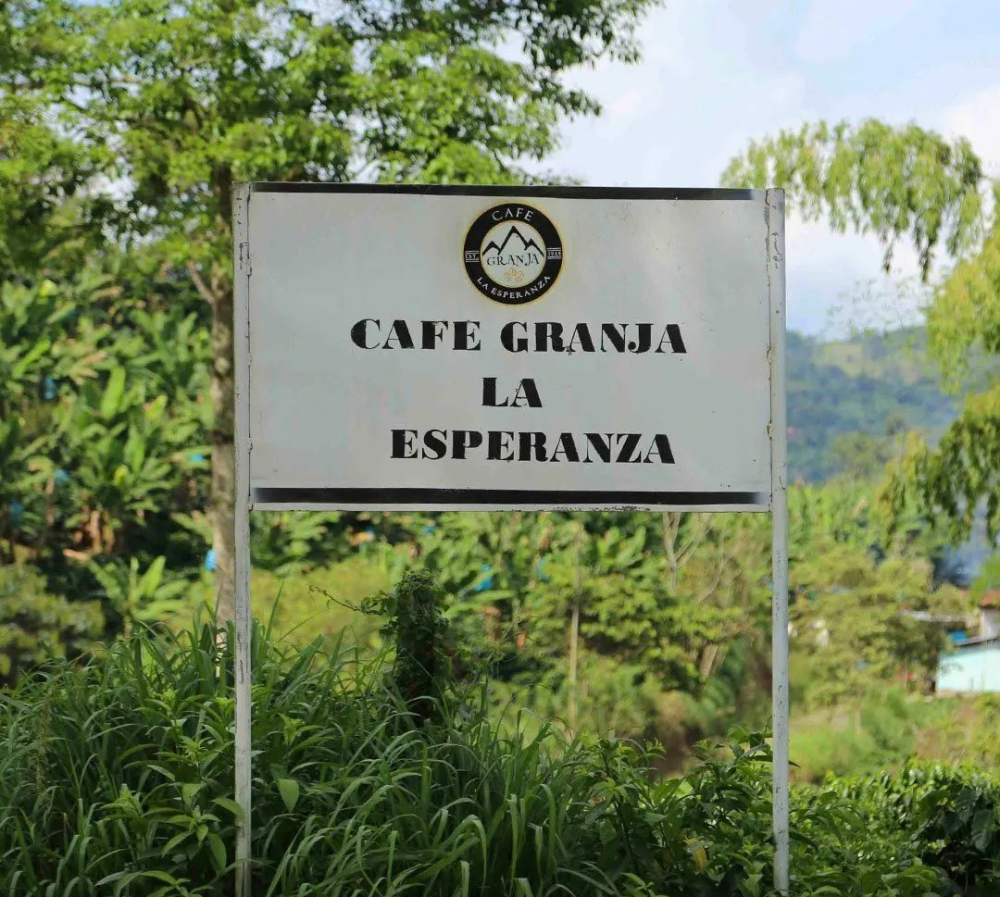
These beans come from Café Granja La Esperanza, which has a 76-year history. Its Chinese name, “Hope Estate,” aptly reflects its dedication and achievements in the specialty coffee field. Over the years, this estate has won numerous awards in global coffee competitions, accumulating over 60 accolades, and has even participated in the Panama BOP competition with outstanding results.
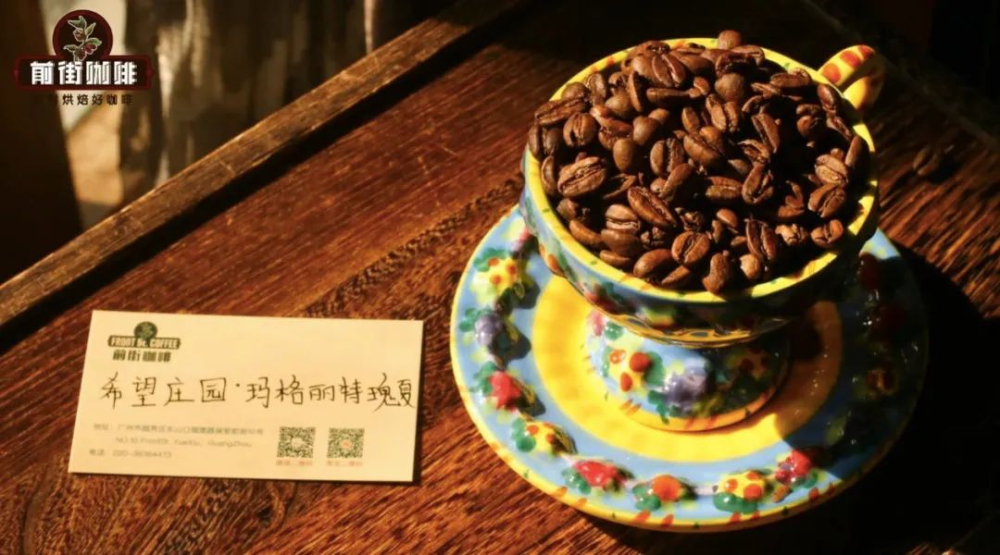
Hacienda La Esperanza is not a single farm but a large-scale coffee production system comprising five sub-farms across Colombia. These include Potosí, Cerro Azul, Las Margaritas, La Esperanza, and Hawaii. Among them, all except Hawaii are located in the renowned high-altitude region of Valle del Cauca, while Hawaii is situated in the Cundinamarca department.
The estate was founded by Blanca Ligia Correa and Juan Antonio Herrera. Initially, they worked on the Potosí farm, but after developing a passion for specialty coffee, they purchased the property. At that time, the farm mainly grew Typica, but Mr. Herrera sought higher quality and, in 1945, established Hacienda La Esperanza nearby, introducing varieties such as Yellow Bourbon, Bourbon, and Caturra.
The种植 elevations at Hacienda La Esperanza range between 1,400 and 1,860 meters. With valley breezes regulating the climate, the average annual temperature remains between 17°C and 22°C, coupled with abundant rainfall (approximately 1,340 mm per year), providing an ideal environment for coffee cultivation. As the business expanded, the couple also raised 14 children, among whom Rigoberto and Luis became particularly dedicated to coffee farming and later became key figures in managing the estate.
In 2007, Rigoberto traveled to the Boquete region of Panama to lease land and grow Geisha. In 2008, he won the Best of Panama (BOP) championship, followed by a second-place finish in 2009, propelling Hacienda La Esperanza onto the international stage. Subsequently, Geisha was introduced to the Colombian Hacienda La Esperanza, with some Geisha beans originating from the Las Margaritas plot—the source of the beans used in this batch.
Currently, the five farms under Hacienda La Esperanza cover a total area of 150 hectares, with most plantings situated between 1,400 and 2,000 meters above sea level. In addition to traditional varieties, the estate also cultivates Geisha, Sidra, Mocha, Bourbon (including Red Bourbon, Yellow Bourbon, Tekisik), SL28, Pacamara, San Bernardo, and Pache, demonstrating an unwavering commitment to the diversity of specialty coffee.
The Valle del Cauca department is a historically important coffee-growing region in Colombia. Due to its central location and mountainous terrain, it experiences distinct double dry and double rainy seasons each year, allowing for two coffee harvests. In earlier years, the region was known for its high yields and received strong government support. Although the focus of the specialty coffee industry has shifted southward, Valle del Cauca still retains renowned estates like Hacienda La Esperanza and Finca El Paraíso, which are committed to variety research and innovative processing techniques.
Hacienda La Esperanza is now operated by an experienced team, including PhD-level botanists, three professional cuppers, and over a hundred staff members. The estate features a professional weather station overseen by Chief Botanist Hernando Tapasco, who collects and analyzes weather data to guide harvesting and processing timing. All production, meteorological, and cupping information is regularly cross-referenced to refine quality control.
The harvesting of Geisha cherries is extremely meticulous. Only fully ripe cherries are selected by rigorously trained pickers, who are paid by the day to avoid the temptation of rushing and including unripe fruit. Over 60% of the pickers have more than six years of experience. The harvested Geisha cherries are immediately sent to the central processing facility and processed separately by batch. They undergo a three-day pre-drying sun process before being transferred to small drying towers for the final drying stage.
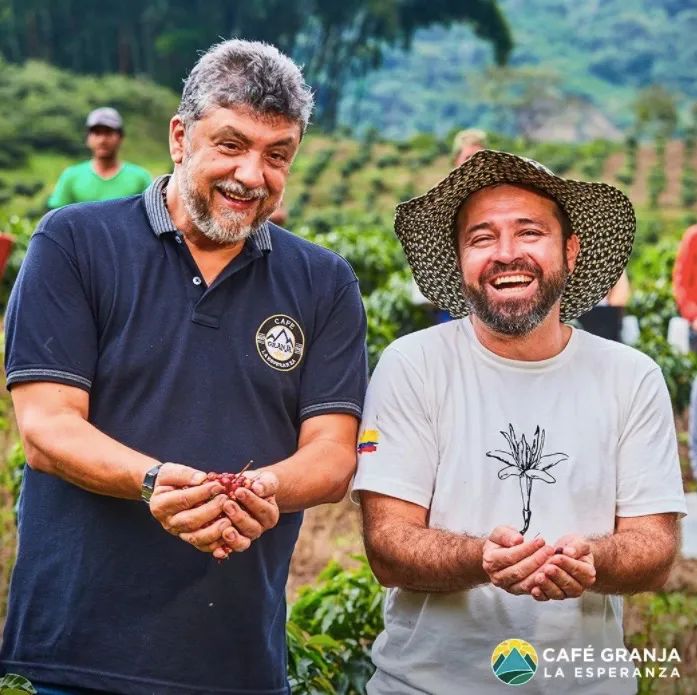
In addition to traditional varieties, Hacienda La Esperanza continues to experiment with new ones. Aside from planting large quantities of Caturra, the estate also grows Geisha, organic Geisha, Mocha, various Bourbons (including Red Bourbon, Yellow Bourbon, Tekisik), SL28, Pacamara, San Bernardo, and Pache—demonstrating an ultimate pursuit of both quality and flavor diversity in specialty coffee.
To fully experience the delicate aromas and complex layers of Hacienda La Esperanza’s Geisha, pour over is the first choice. But for busy modern lifestyles, filter bags are also a great option. Each pack of Hope Geisha filter coffee contains 10 grams, perfect for brewing a standard serving of black coffee. Here are some practical brewing suggestions for using the filter bag:
Step 1: Choose the right brewing vessel
It is recommended to use a cup or teapot of moderate height, allowing some space between the filter bag and the coffee liquid. This helps ensure even water penetration and aroma release.

Step 2: Master the ideal water temperature
For medium-fine ground Geisha filter coffee, it is recommended to usea water temperature of 90°C to 92°C. Generally, medium-light roasts (with floral, berry, and citrus notes) suit90°C–92°C, medium roasts (with nutty, cocoa tones) are better at89°C–90°C, and medium-dark roasts (with herbal, spicy, dark chocolate notes) can be lowered to88°C–89°C, to avoid extracting excessive bitterness due to overly high temperatures.
Step 3: Use the pulse pouring method for careful extraction
It is recommended to use a gooseneck kettle to evenly pour hot water over the coffee grounds. If you don’t have specialized equipment, a regular kettle can also be used, but be sure to pour in small amounts multiple times to avoid disturbing the coffee bed or over-extracting localized areas.
Step 4: Use the golden 1:15 coffee-to-water ratio
It is recommended to usea 1:15 coffee-to-water ratio, such as 10 grams of coffee grounds with 150 milliliters of hot water. This balances flavor intensity and smooth mouthfeel, suiting the taste preferences of most coffee drinkers.
By following these tips, you can easily enjoy a premium Geisha coffee from the Colombian highlands at home, savoring its bright fruit notes of blueberry, blackcurrant, and berries, as well as the delicate wine-like layers in the finish.
The above content is compiled by CoffeeHunters, a coffee news website.


