







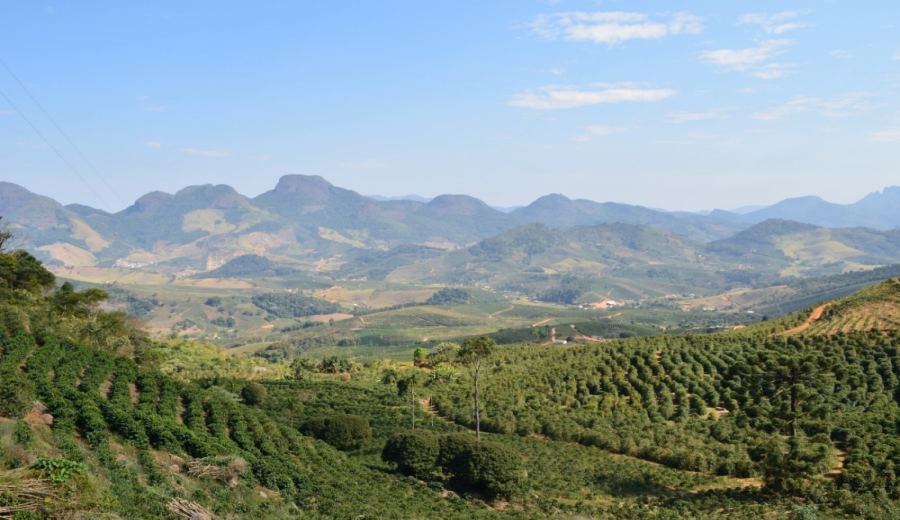
Introduction:Latin America is a major producing region for specialty coffee, renowned for its balanced, rich flavors and diverse aromas. This article delves into the coffee characteristics of representative countries such as Brazil, Colombia, Panama, Costa Rica, Honduras, and Jamaican Blue Mountain, offering pour over enthusiasts a practical and detailed bean selection guide. It covers everything from growing environments, processing methods, varieties to flavor profiles, helping you discover your own preferred coffee flavors.
Latin America encompasses Mexico, Central America, the Caribbean islands, and South America. Its diverse climates and complex geography—from cool high-altitude mountainous regions to low-altitude humid tropics—provide ideal conditions for coffee cultivation. Since coffee was introduced during the colonial period in the 18th century, the region has gradually developed a coffee style known for its balance and body, particularly beloved for its cocoa and dark chocolate aroma notes.
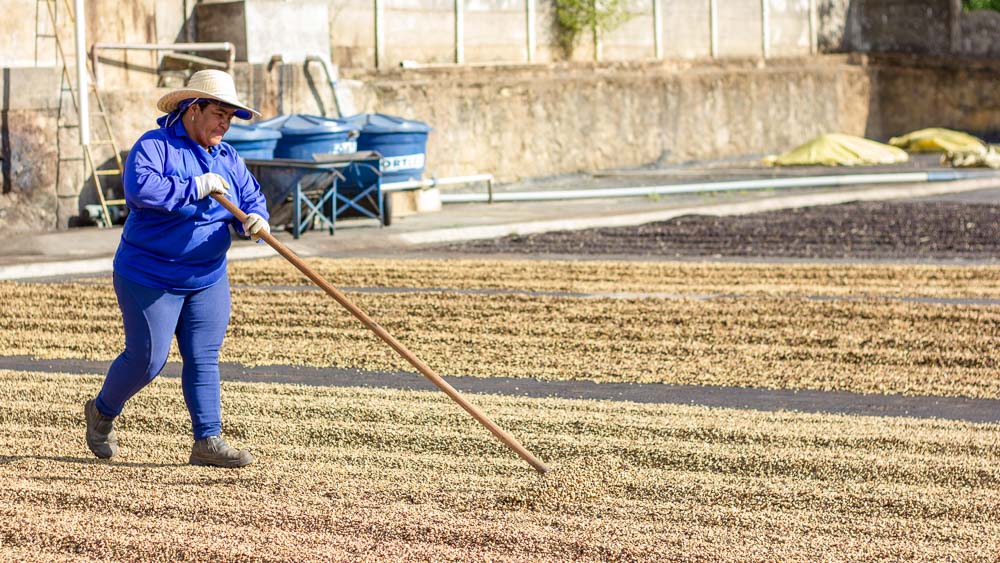
With the rise of the specialty coffee trend, Latin American producing regions not only hold a significant position in global production volume but have also made continuous advancements in quality control and processing techniques. Washed processing is the most common here, highlighting the coffee’s cleanliness and fruity acidity layers. Meanwhile, places like Brazil prefer semi-washed processes, imparting a richer, fuller body. This article will take you on a journey to explore six representative producing regions: Brazil, Colombia, Panama, Costa Rica, Honduras, and Jamaican Blue Mountain, analyzing their unique...Growing Environments,Varietal Characteristics, andProcessing Method Differences, along with specificFlavor Descriptions and Suitable Pour Over Recommendations. It’s an essential beginner’s guide for anyone looking to deeply understand Latin American coffee.
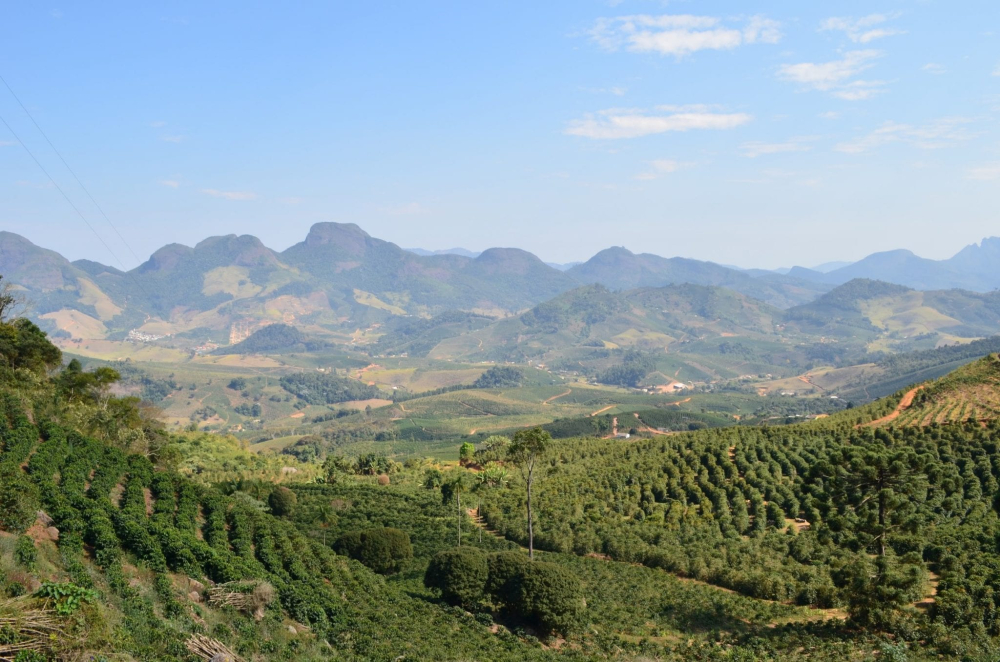
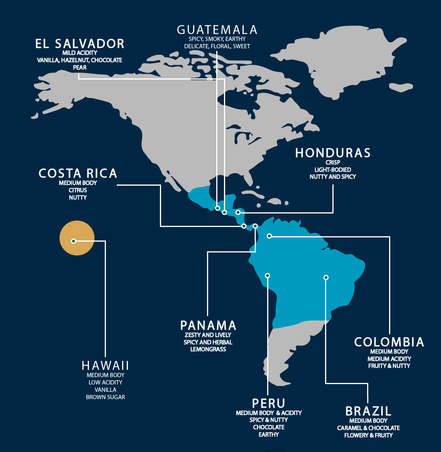
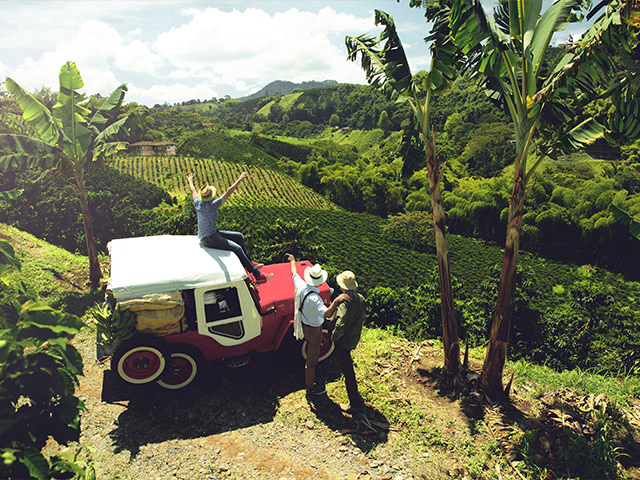
The Latin American region is located south of the United States and includes parts of North America such as Mexico, all of Central America, the West Indies, and South America. The area mostly features tropical and subtropical climates, but due to elevation differences, high-altitude regions often enjoy cool, dry microclimates that are highly suitable for cultivating high-quality Arabica coffee. This region is not only a major global coffee supplier but also, thanks to its...stable production volumesanddiverse flavor profiles, has become the top choice for many coffee lovers trying pour over for the first time.
The history of Latin American coffee dates back to the 18th century when coffee seeds were introduced to this land through Spanish and Portuguese colonial activities. Except for Brazil, which was under Portuguese rule and mainly speaks Portuguese, other areas predominantly use Spanish. Although early coffee cultivation expanded rapidly, the overall quality was generally not high. It wasn’t until the rise of the specialty coffee concept that various regions began focusing on refined cultivation and processing techniques, gradually building the reputations they have today. Its main export markets include the United States, Europe, and Asia, making it an indispensable coffee source in the international market.
Overall, Latin American coffee is known for itsbalanced acidity and sweetnessandrich body, forming a sharp contrast with the heavy herbal notes commonly found in Asian-producing regions. The coffee here often carries captivating aromas such as cocoa, dark chocolate, and nuts, suiting drinkers who prefer mellow profiles. Due to variations in altitude, climate, and processing methods, each area has cultivated uniquely distinctive flavor expressions, well worth exploring for coffee enthusiasts.
1. Brazil: The Sturdy and Rich Coffee Giant
As the world’s largest coffee producer, Brazil not only supplies a massive quantity but also offers coffee known for itslow acidity,rich nutty and chocolatey tones. The country boasts vast highland areas suitable for growing plump beans with intense flavors. Despite frequent natural disasters, Brazil maintains stable output thanks to its expansive cultivable land, and is also the second-largest coffee-consuming country after the United States.
Queen’s Estate Yellow Bourbon Coffee Beansare one such representation. Grown in Mogiana, São Paulo State, at altitudes of 1400–1950 meters using the Yellow Bourbon variety and the natural (sun-dried) processing method. Its flavor profile showcases pronounced sweetness with delicate lemony notes, intense nuttiness in the mid-palate, and a charming dark chocolate finish. With its smooth and rounded mouthfeel, it’s highly suitable for pour over lovers who enjoy rich-bodied coffees.
2. Colombia: A Balanced and Versatile Flavor Palette
Colombia is the world’s third-largest coffee producer. Located in the northwest of South America, its diverse terrain and climate have created a rich variety of coffee flavors. The country’s eastern plains and southern tropical rainforest climates, along with the subtropical environment of its central mountainous regions at 1000–2000 meters, result in coffee that is less sharply acidic than African beans but overall balanced, combining both fruity acidity and nutty tones.
TakeColombia Geisha Coffee Beansas an example. Produced at Finca La Frontera in the Huila region at an altitude of 1800 meters, using the Geisha variety and anaerobic natural (anaerobic sun-dried) processing. Its flavor is multi-layered, with an entrance marked by passion fruit, grape, strawberry, and floral notes, a finish accompanied by black cocoa undertones, creamy texture, and fermented aromas. It’s suitable for those who enjoy fruity and fermentation-toned brews.
3. Panama: The Specialty Trend Led by Geisha
Panama has risen to the pinnacle of global specialty coffee thanks to the Geisha (Geisha) variety. The country features fertile volcanic soil, abundant sunlight, and high-altitude conditions, making it especially suitable for cultivating high-quality Arabica coffee. After the opening of the canal in the late 20th century, a large influx of foreign investment and technology accelerated the modernization and refinement of the coffee industry.
Panama Boquete Geisha Coffee Beansare grown in the town of Boquete in the Volcán region, at altitudes of 1250–1700 meters, using washed processing. Their flavor profile is highly layered, offering a smooth entrance with balanced acidity and sweetness, intense red wine-like texture, and tropical fruit aromas. Upon cooling, it reveals notable brown sugar sweetness and honey tones. It’s a classic choice pour over lovers shouldn’t miss.
4. Costa Rica: An Arabica Paradise Guaranteed by Law
Costa Rica is one of the earliest Central American countries to cultivate coffee. Its coffee industry has flourished since the 1820s and earned the reputation of “Golden Bean” for its high quality. The country’s laws strictly mandate that only Arabica varieties may be grown, making it one of the few nations globally that prohibits Robusta cultivation, thereby ensuring the purity of its coffee quality.
Costa Rica Mozart Coffee Beanscome from Finca Carretos in the Tarrazú region, grown at 1950 meters using the Caturra variety and raisin honey (grape dried honey) processing. Its flavor is characterized by rice wine-like fermentation aromas. The entrance delivers tropical fruit and berry acidity and sweetness, the mid-palate shows nutty and creamy notes, and the finish has a hint of floral scent with caramel sweetness. It’s suitable for those seeking a balance between fruity and sweet profiles.

5. Honduras: Steady Performance from an Emerging Contender
Although Honduras’ coffee industry started later, it has performed remarkably well in recent years thanks to strong government promotion and assistance from Japan’s specialty coffee community. The country possesses high-altitude regions ideal for coffee cultivation and has gradually improved coffee quality and processing techniques by learning from advanced regions like Brazil.
Honduras Washed Caturra Coffee Beansare produced in the Las Masaguara region, grown at altitudes of 1500–1700 meters using the Caturra variety and washed processing. Its flavors are clear and distinct, with an entrance of almond and dark chocolate aromas, and a finish that emits maple sweetness and vanilla notes. It maintains stable performance from hot to cold, making it an ideal choice for those who enjoy a full and balanced taste.
6. Jamaican Blue Mountain: The Legendary Classic among Coffees
Jamaican Blue Mountain coffee is regarded as one of the finest coffees in the world, produced from the highest peak in the West Indies—Blue Mountain. Only areas below 1700 meters are permitted for coffee cultivation here. The region benefits from fertile volcanic soil, year-round rainy and humid conditions, along with significant day-night temperature differences and cloud cover, all contributing to the unique flavor traits of Blue Mountain coffee.
Jamaican Blue Mountain No.1 Coffee Beanscome from Clifton Estate in the Blue Mountain region, grown at 1310 meters using the Typica variety and washed processing. Its flavor is clean and mild, with an excellent balance among acidity, sweetness, and bitterness. It carries aromas of dark chocolate, nuts, and cream, making it a dream product for coffee lovers who pursue delicate and elegant flavors.
The above content is compiled by CoffeeHunters, a coffee news website.


