







Introduction:Geisha coffee is renowned for its captivating floral and fruity aromas, yet many coffee enthusiasts struggle with how to brew it properly via pour over to fully reveal its delicate layers. This article takes you on a deep dive—from its origin, the Emerald Estate’s grading and processing methods, to brewing recommendations and a three-stage method for Red Label Natural Geisha—to explore how using the right parameters and techniques can fully unlock its jasmine, citrus, and tropical fruit notes.
The reason Geisha (Geisha) coffee holds a prestigious place in the specialty coffee world lies in its unique and layered floral and fruity aromas, particularly its pronounced notes of jasmine, citrus, and tropical fruits, which set it apart from numerous other regions and varieties. However, many consumers worry that improper brewing may prevent these inherent flavor characteristics from shining through after purchasing Geisha beans. This article will guide you from the background of its origin, planting and grading, to natural processing and pour over extraction, helping you gain a comprehensive understanding of this top-tier coffee bean.
When it comes to the origins of Geisha, most people think of its birthplace—the Geisha village in Ethiopia—where the variety was first discovered in 1931, before being introduced to countries such as Kenya, Uganda, Costa Rica, and Panama. What truly brought Geisha to fame, however, was when Panama’s Emerald Estate entered a naturally processed Geisha in the 2004 “Best of Panama” competition and won first place, thereby establishing Geisha’s status in the specialty coffee scene. Today, aside from Panama, small batches of Geisha have also been produced in Colombia, Guatemala, and even Jamaica’s Blue Mountain, though Panama remains the most celebrated origin in the market.
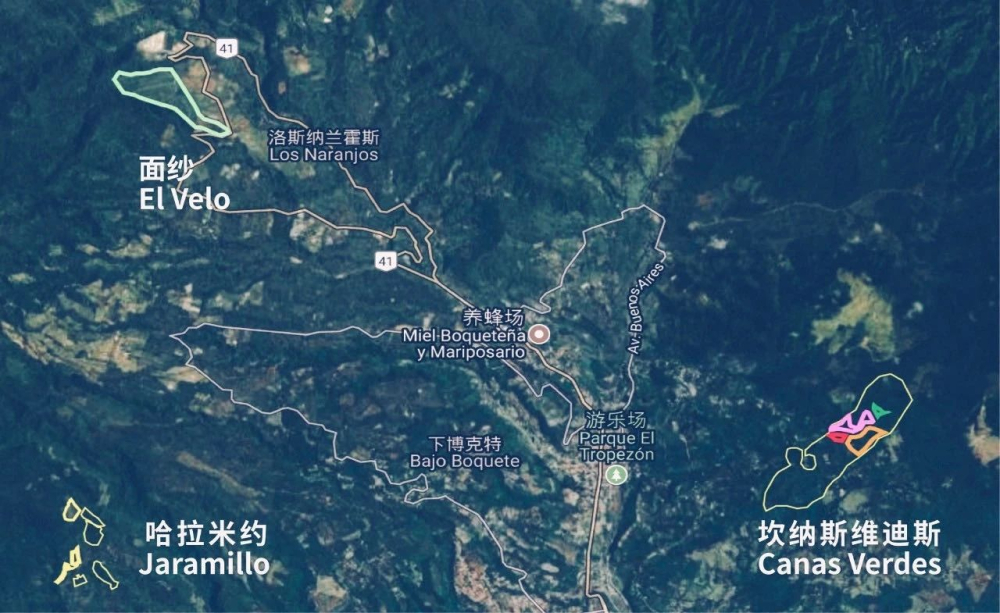
Emerald Estate is located in the Boquete region of western Panama, an area influenced by the convergence of moist air currents from the Caribbean Sea and the Pacific Ocean. Coupled with the fertile volcanic soil of Barú Volcano, significant day-night temperature variations, and persistent cloud cover, the region fosters Geisha coffee with exceptionally high sweetness and aromatic potential. The estate primarily cultivates the Geisha variety in three main sections:Cañas Verdes, JaramilloandEl Velo, each of which, due to differences in terrain and microclimate, produces Geisha beans with distinct characteristics.
Among them,the Jaramillo plot sits at an average altitude of over 1,650 meters, making it not only the location where Geisha was first discovered and meticulously cultivated, but also the most well-known production area to date. This section is further divided into five smaller blocks: Mario, Noria, Reina, Bosque, and Buenos Aires. Among them, the Mario block has achieved outstanding results in multiple competitions, and many of the Red Label Natural Geishas available on the market come from this area. Although Cañas Verdes is farther from the other two sections, its elevation is also consistently above 1,600 meters. Small plots such as Montaña and Tumaco produce Geisha beans often praised for their delicate floral notes. The El Velo plot was established in 2012 and currently serves mainly as a site for new variety trials and research, comprising seven smaller blocks.
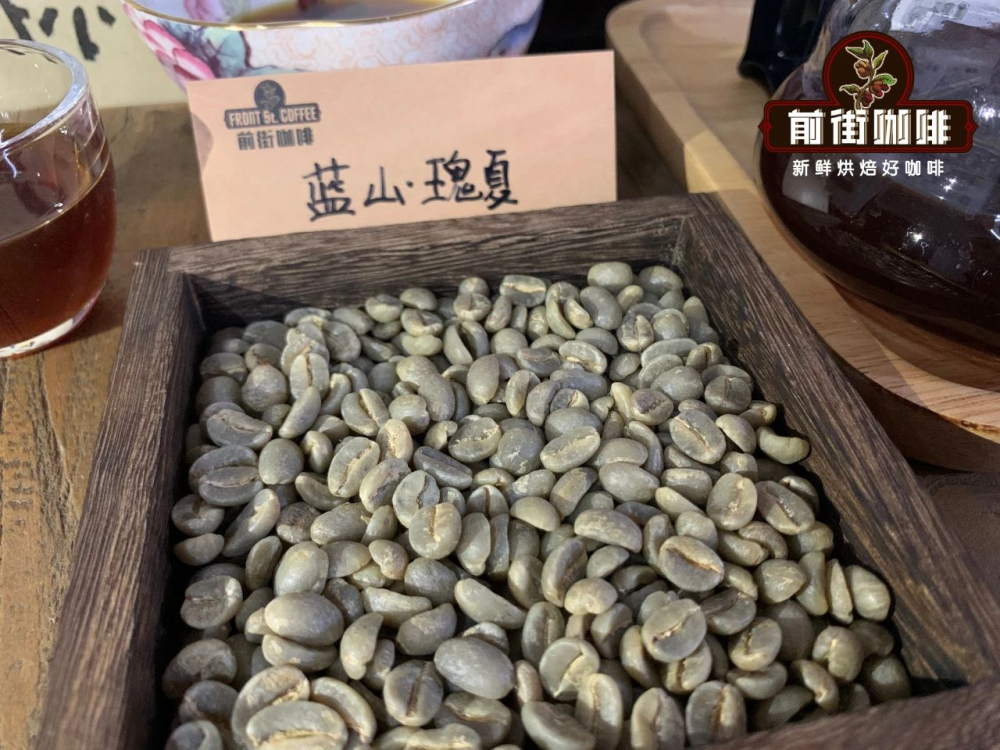
To help consumers better understand the origin and quality of each batch of Geisha, Emerald Estate classifies the beans into three grades based on planting altitude, processing method, and cupping scores: the highest grade,Emerald Special (a.k.a. Red Label batch, including auction lots), the mid-tierPrivate Collection (Green Label batch), and the former Blue Label now renamed asLas Rocas (Volcanic Rock Geisha). The Red Label Geisha usually comes from high-altitude, top-performing small blocks like Mario, making it the most sought-after grade in the market.
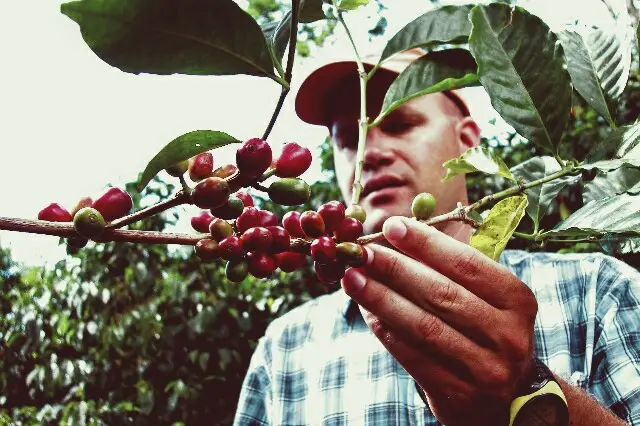
Speaking of the distinctive fruity aroma of Geisha, the natural processing method plays a crucial role. After harvesting ripe coffee cherries, Emerald Estate does not immediately remove the skin. Instead, the whole cherries are placed directly on concrete drying beds to slowly dry under ample sunlight. Typically, the cherries are sun-dried on the beds for three to five days, about eight hours per day, then transferred to a rotary dryer for around 72 hours to ensure stable moisture content while avoiding over-fermentation. Finally, a hulling machine is used to remove the pulp and parchment, leaving behind the refined green beans. This processing method imparts Geisha with rich fruity fermentation aromas, which are key to its distinctly vibrant flavor profile.
In terms of roasting and pour over extraction, to highlight Geisha’s floral notes and complex fruit character, most roasters opt for a medium-light roast to preserve the beans’ high acidity and delicate layers. However, medium-light roasted beans are denser, and if extraction is not handled properly, they can easily result in sharp acidity or incomplete flavor expression. Therefore, it is recommended to use a higher water temperature and a slightly finer grind size, along with a relatively larger coffee-to-water ratio—such as 1:16—to enhance overall extraction efficiency and flavor presentation.
For actual pour over brewing, the V60 dripper is recommended. Its unique spiral channels and large central hole design extend the contact time between water and coffee grounds while maintaining a stable flow rate, aiding in even extraction and delivering a more nuanced flavor profile. Below are the actual brewing parameters and three-stage steps for Emerald Red Label Natural Geisha for your reference:
- Dripper:V60
- Water temperature:91-92°C
- Coffee dose:15 grams
- Grind size:Granulated sugar size (approximately 80% passing through a #20 sieve)
- Coffee-to-water ratio:1:16
The three-stage extraction steps are as follows:
- Place 15 grams of coffee grounds in the dripper, then pour 30 grams of hot water for the bloom, letting it sit for about 30 seconds. Ensure all coffee grounds are evenly saturated.
- Next, pour 120 grams of water with a slightly higher flow rate, bringing the total to 150 grams, over approximately 55 seconds. This stage mainly serves to lift the coffee bed and expand the extraction surface.
- Finally, when the liquid level drops to about half, switch to a smaller stream and pour the remaining 90 grams of water in small circular motions. The total yield is 240 grams, with the overall extraction time controlled around 2 minutes and 10 seconds. Avoid excessive agitation of the coffee bed to maintain even extraction.
Once brewing is complete, give the coffee a gentle swirl before enjoying. This Red Label Geisha typically showcases bright jasmine floral notes, vivid citrus tones, and a finish of tropical fruits such as pineapple and mango. As the temperature cools, the flavor profile gradually shifts, with a lingering tea-like aftertaste. The overall mouthfeel is smooth and long-lasting.
The above content is compiled by CoffeeHunters, a coffee news website.


