







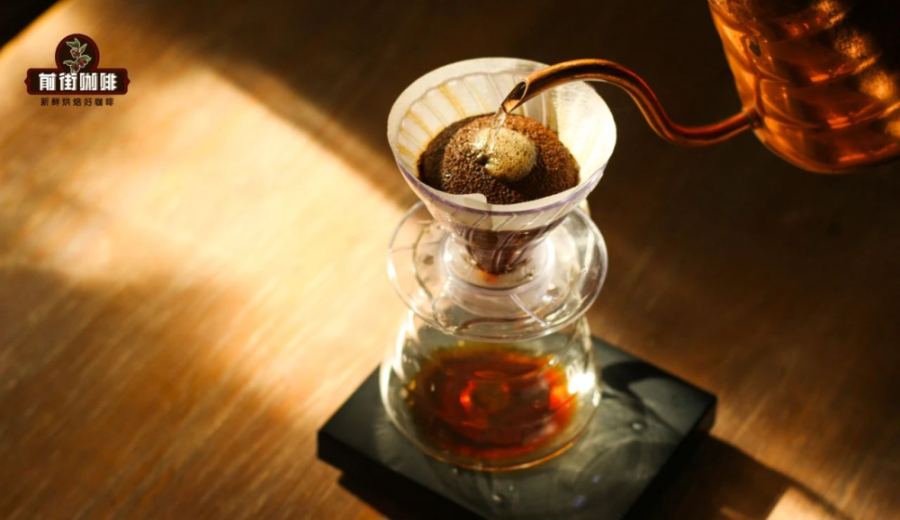
Introduction:Mastering pour over coffee hinges on understanding the science behind the Golden Cup extraction principles and the optimal coffee-to-water ratio. This article delves into the three-pour technique, using Guatemala Antigua’s Fleur de Sel beans as an example. It details hands-on aspects such as blooming, segmented pouring, grind size, and water temperature, along with precise parameters like a 1:15 coffee-to-water ratio and 90°C brewing temperature. Whether you're a beginner or an advanced enthusiast, you’ll learn how to avoid common issues like uneven extraction or weak flavors and brew a well-balanced, full-bodied pour over.
To brew a balanced cup of coffee at home, it's crucial to grasp the scientific principles of extraction yield and the golden coffee-to-water ratio. This article builds upon the three-pour pour over method, featuring Guatemala Antigua Fleur de Sel coffee beans, and breaks down each step—from blooming, pouring rhythm, grind coarseness, to water temperature control.A 1:15 coffee-to-water ratio (15 grams of coffee to 225 grams of water)anda water temperature of 90°Care practical parameters. These techniques are suitable for all enthusiasts aiming to elevate their pour over quality, helping you avoid common extraction pitfalls.
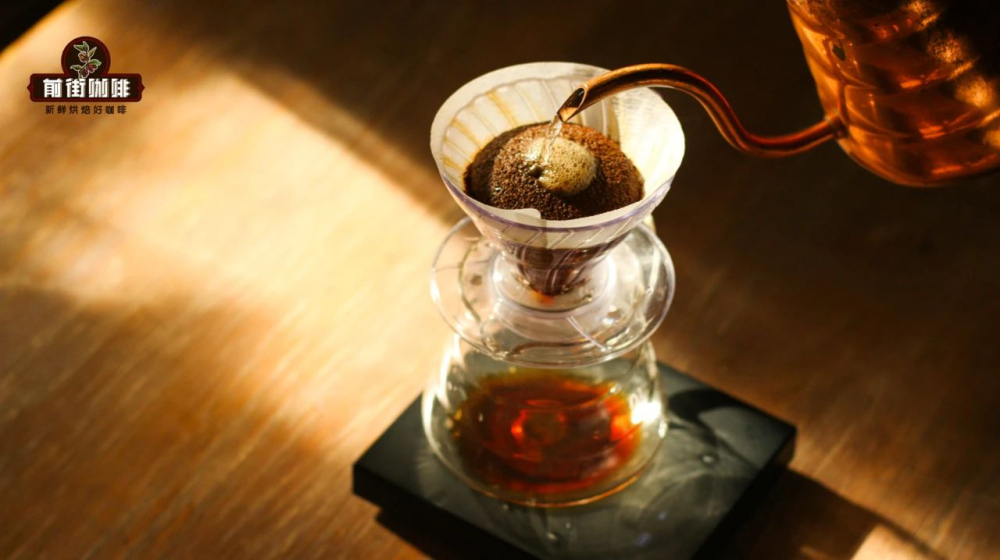
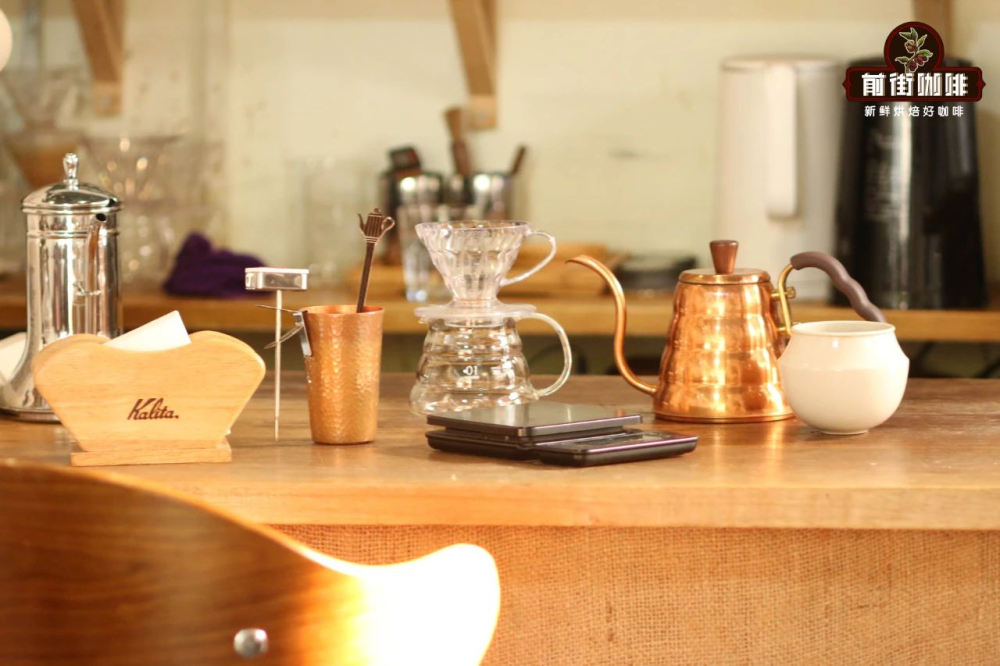
When brewing coffee at home, drip brewing is the easiest method to start with, and pour over is the most widely used within that category. This article focuses on the three-pour segmented pouring technique commonly employed by a certain coffee shop, using Guatemala Antigua Fleur de Sel coffee beans as the demonstration. To highlight the bean’s bright citrus acidity and unique smoky aroma, we set the coffee-to-water ratio at1:15, with the water temperature controlled at90°C. The necessary tools include an electronic scale, a server, a V60 dripper and filter paper, a pour over kettle, a thermometer, and preheated hot water. Once everything is prepared, you’re ready to begin.
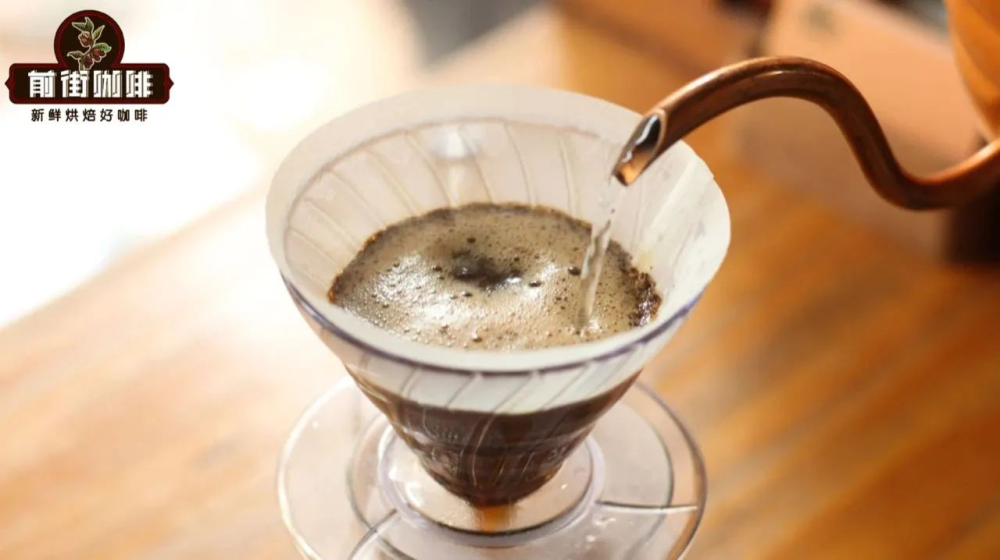
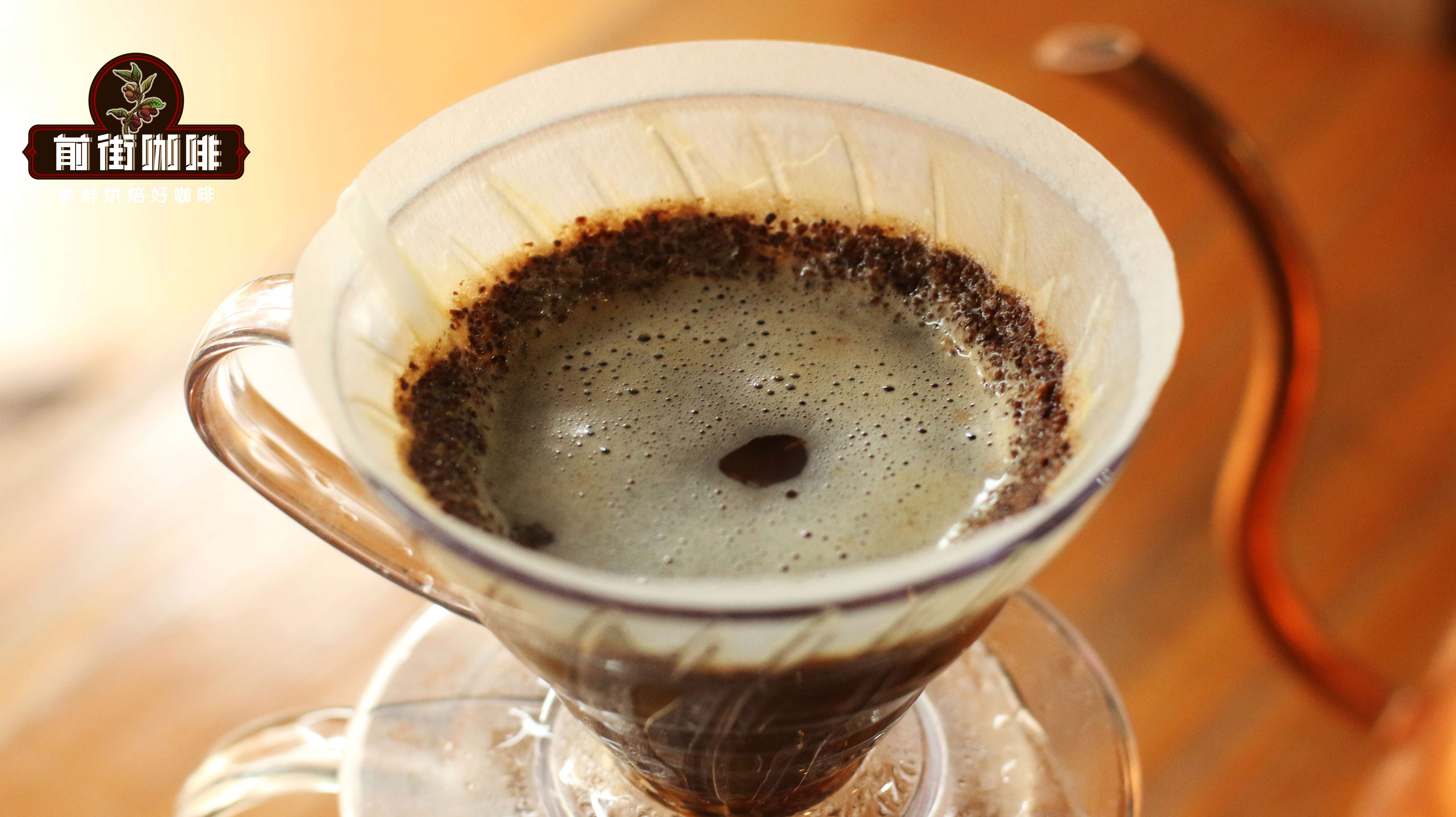
The first step in pour over brewing is blooming—an often overlooked yet critical stage that impacts the overall extraction. Use about30 grams of hot waterto evenly saturate the coffee grounds, allowing them to form a “hamburger”-shaped bloom. Blooming not only activates the aromatic compounds in the coffee but also releases carbon dioxide trapped during roasting. Skipping this step can lead to under-extraction and a flat-tasting cup. Practical tests show thatfreshly roasted beanswill visibly expand during blooming, whereas beans that have been stored too long or roasted too dark will exhibit weaker expansion—or may not expand noticeably at all.
The recommended blooming time is generally30 to 60 seconds, adjusted based on bean freshness and roast level. In this experiment, beans with a resting period of around four to five days produced the best results when bloomed for30 secondsbefore starting the first pour. When the surface of the coffee bed flattens and begins to contract, it signals the end of blooming and the readiness to move on to the next stage.
The second pour starts when the scale timer reaches30 seconds. It is recommended to pour from the center of the coffee bed using a thin stream of water, then slowly expand in small circular motions. Maintain a steady flow, avoiding sudden changes in pressure or interruptions. Too little water can lead to uneven extraction and produce harsh, astringent notes; too much may cause the early acidity to dominate, suppressing other flavors. Grind size also affects extraction efficiency—usea 20-mesh sieve with an 80% pass rate (for light roasts)or70–75% (for medium-dark roasts)to ensure proper contact between coffee and water.
The third pour should begin when the water level on the coffee bed is about to drop below the surface. Again, pour in small circles from the center, keeping the total pouring time within1 minute and 50 seconds, with the entire filtration process taking about2 minutes. This pacing ensures distinct flavor layers, a smooth mouthfeel, and a long-lasting finish. Using Guatemala Fleur de Sel beans as an example, the final cup showcases bright citrus acidity, delicate juiciness, along with soft smoky notes and a caramel-like sweetness in the aftertaste.
Water temperature is another key factor influencing coffee extraction. Experiments show that water below 88°C leads to under-extraction and weak flavors, while temperatures above 92°C can over-extract, resulting in bitter and astringent off-notes. Formedium-dark roasted beans, it’s recommended to keep the water temperature at86-88°C; whereaslight roasted beansbenefit from90-92°Chigher temperatures to fully develop acidity and aroma. Based on multiple experiments,a 1:15 coffee-to-water ratiohas been proven to be the golden proportion that balances richness and clarity, suitable for brewing most single-origin coffee beans.
The above content is compiled by CoffeeHunters, a coffee news website.


