







Introduction:As Ethiopia’s most iconic specialty coffee region, Yirgacheffe’s washed G1 grade beans are renowned for their bright, vibrant acidity and floral-fruit aromas. This article delves into the region’s geographical characteristics, native varietal traits, and compares the flavor differences between washed and natural processing methods, guiding you through the unique flavor profiles of well-known micro-regions such as Guji Gedeb and Kochere. It also provides practical light roast recommendations and V60 pour-over parameters to help coffee enthusiasts brew a balanced and elegant cup of Yirgacheffe at home.
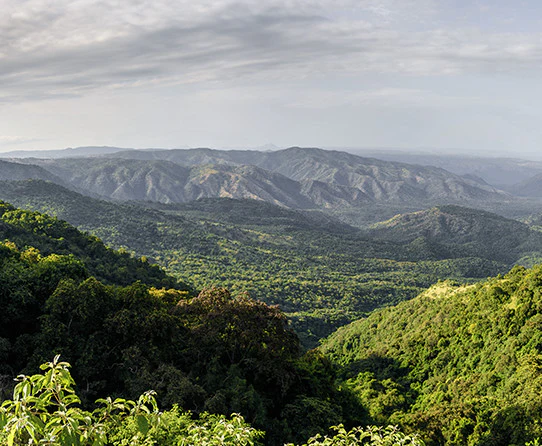
Yirgacheffe was originally part of the Sidamo coffee-growing zone in southern Ethiopia but later became an independent region due to the outstanding cleanliness and refined flavors of its washed beans. Most coffee trees here grow at altitudes of around 1,900 to 2,100 meters. Although long-term farming has reduced the area of primary forests, many family-run smallholder farms remain, resulting in distinctive micro-regional flavor expressions.
Notably, since 2019, the Ethiopian Commodity Exchange (ECX) has implemented more detailed regional grading. The Kochere region, which may have previously been categorized under Yirgacheffe, has now developed independently and gradually gained a foothold in the washed coffee market. It may even see further subdivision in the southeast in the future. Exploring the personalized bean profiles of different cooperatives within these small regions has become a key focus for coffee scouts and roasters.
When it comes to Yirgacheffe coffee varieties, many consumers may notice the inconsistent sizes of green beans. This is because the majority of coffee grown in the region consists of local native varietals, collectively referred to as Heirloom. In fact, Ethiopia boasts the world’s richest coffee gene pool, with such diversity making unified naming difficult. Hence, the term Heirloom is often used as an umbrella term, which is also a key reason for the region’s highly varied flavors.
In terms of processing methods, Yirgacheffe beans are mainly divided into washed and natural categories. The natural process involves selecting ripe cherries, sun-drying them until the moisture content drops to 12%, then removing the pulp and skin. This method preserves the sugars and fermentation compounds in the fruit, imparting berry, citrus, floral notes, and subtle fermentation layers. It is recommended for drinkers who prefer bold fruitiness and rich body—such as natural red cherry beans with berry, citrus, floral, and mild fermentation notes—which are ideal for brewing via pour-over or cold brew.
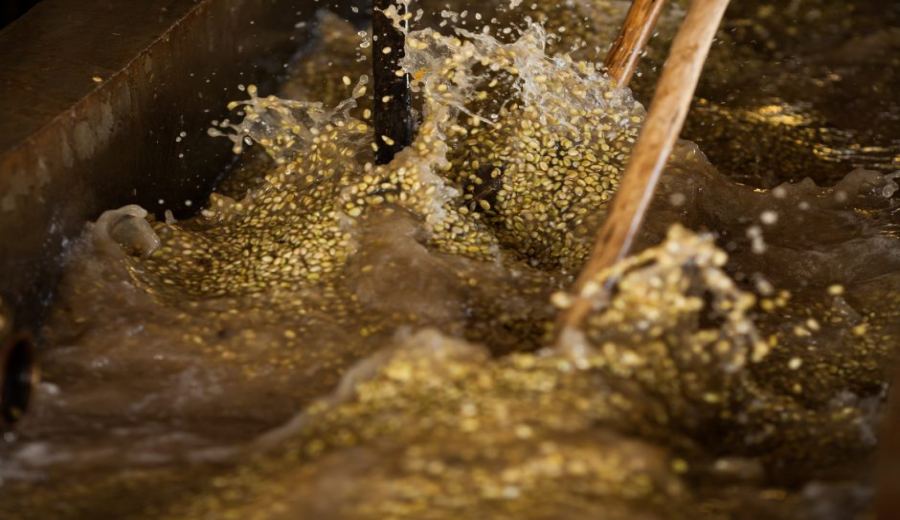
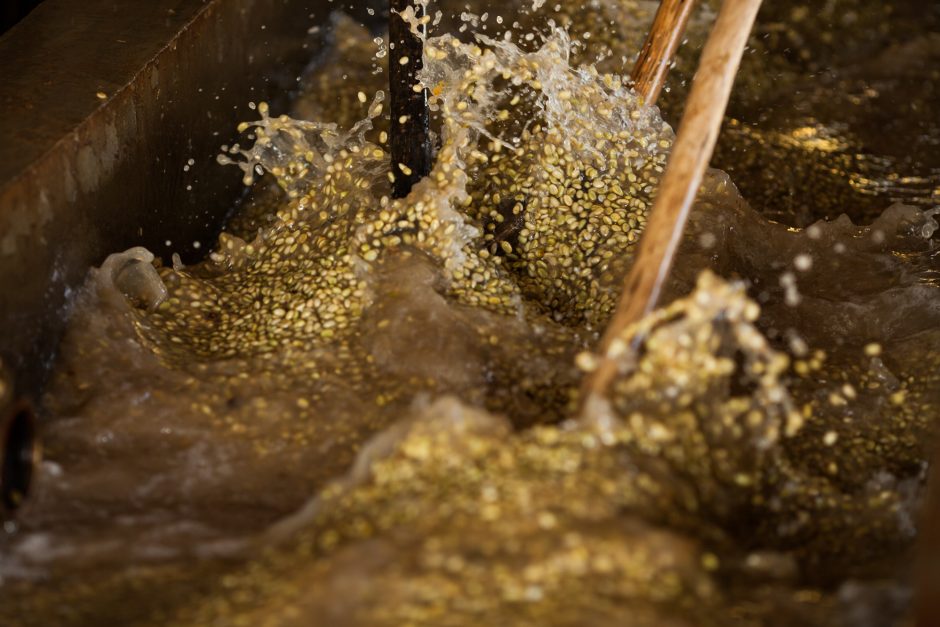
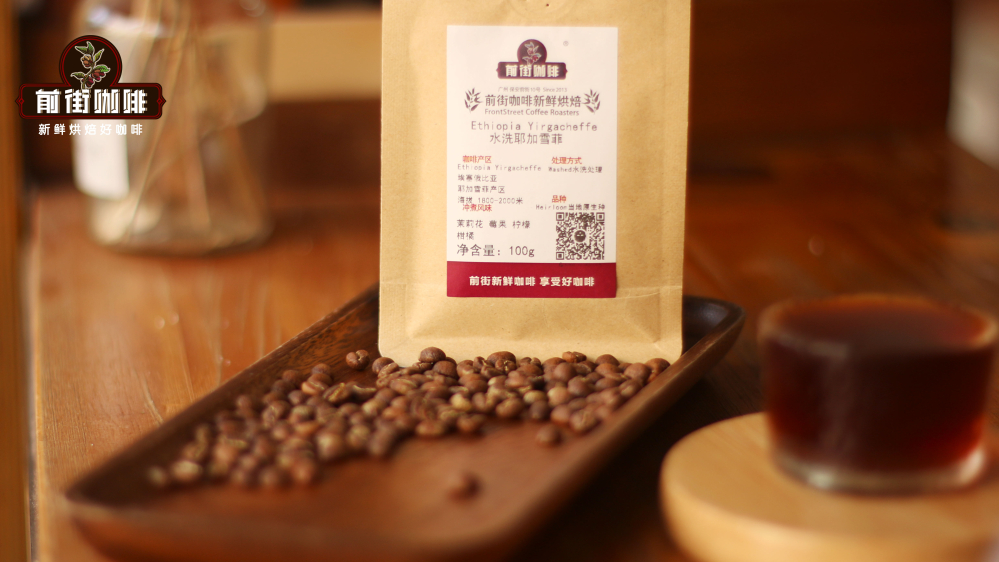
In contrast, the washed process first removes unripe or overripe cherries, then strips the pulp and skin before fermenting the beans in water to remove the mucilage, and finally drying them to a 12% moisture level. Beans processed this way typically exhibit a cleaner, brighter acidity and layered complexity, with common flavors including white floral, citrus, lemon, and even green tea notes. The cup is refreshing and vibrant, making it highly suitable for coffee lovers who prefer a balanced sweet-acid profile and clear flavors—qualities that this washed bean exemplifies.
Taking commonly available washed Yirgacheffe beans as an example, both Guji Gedeb and Kochere are standout micro-regions in the zone, both using washed processing but sourced from different washing stations within the region. The Guji Gedeb cooperative was originally part of the Worka cooperative under the Yirgacheffe Coffee Farmers Cooperative Union (YCFCU) until 2012, when, in response to growing global consumer demand for origin transparency, it became an independent entity with around 300 members. Its washed beans are widely praised for their delicate acidity and floral-fruit character.
When it comes to roast styles, high-altitude native varietal coffees like Yirgacheffe are generally not well-suited to medium or dark roasts. While medium-dark roasts may retain some fruit acidity, they tend to mask the beans’ bright and lively essence, shifting the overall profile toward heaviness—a stark contrast to the vibrant sweet-acid balance and clarity offered by light roasts. As a result, most professional roasters recommend light roasting to fully showcase the beans’ inherent flavors and regional characteristics.
For home brewing of Yirgacheffe washed G1 beans, using a V60 filter cone is recommended for optimal extraction. Suggested parameters include a water temperature of 92–93°C, 15 grams of coffee, a 1:15 coffee-to-water ratio, and a grind size adjusted to that of fine sugar (approximately 78% passing through a #20 sieve). Brewing techniques such as the classic three-pour or pulse pouring can be employed—for instance, starting with a 30-second bloom using 30 grams of water, followed by pouring in small circles to reach 125 grams, then pausing until the water level drops and the coffee bed is exposed, and finally pouring again to reach 225 grams to finish. The entire extraction process should take around 2 minutes, helping to balance sweetness and acidity while maintaining flavor clarity.
The above content is compiled by CoffeeHunters, a coffee news website.


