







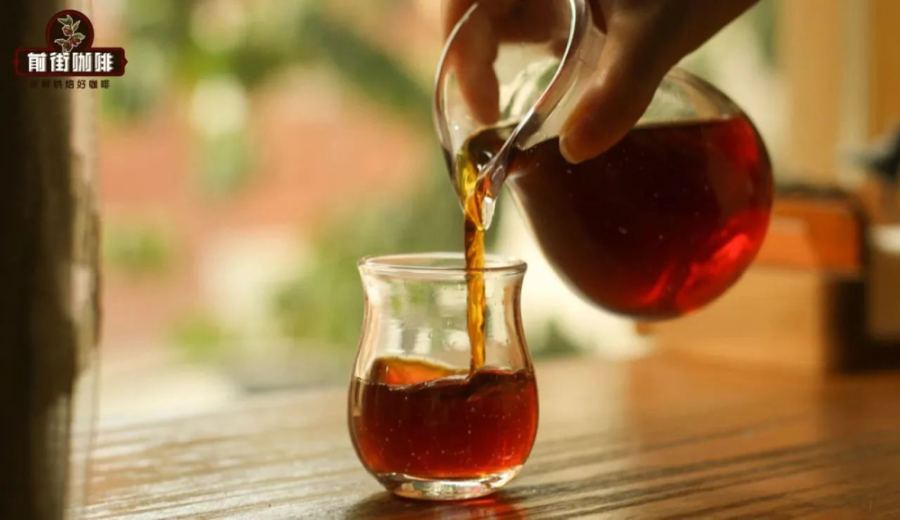
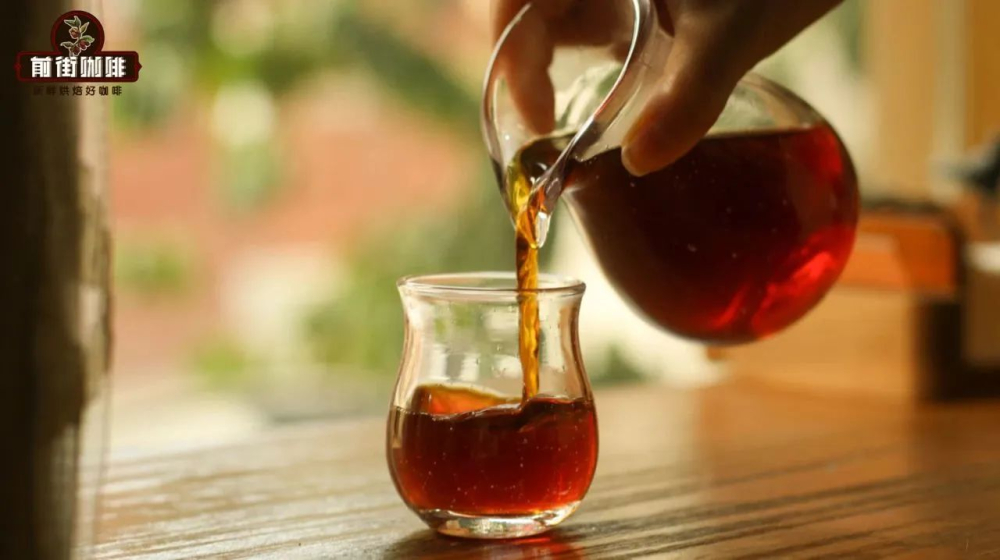
Introduction:Want to enjoy authentic Jamaican Blue Mountain coffee but worried about buying counterfeit? This article delves into the true origin of Blue Mountain coffee, its regional grading system, the background behind its pricing, and provides an in-depth look at its unique aroma and flavor characteristics. From official certification labels to the details of wooden barrel packaging, learn how to distinguish real from fake and master the key points of purchasing.
Blue Mountain coffee is hailed as the finest in the coffee world, yet the market is flooded with imitations that make it hard to discern what’s genuine. What exactly qualifies as true Jamaican Blue Mountain coffee? Why can it command such high prices? And is the claim of Japanese monopoly really true? This article will guide you through the coffee’s growing environment, official grading standards, historical background, and the reasons behind its price, offering deep insights into how to authenticate true Blue Mountain coffee. With reference to actual products, it also helps you avoid common buying pitfalls.
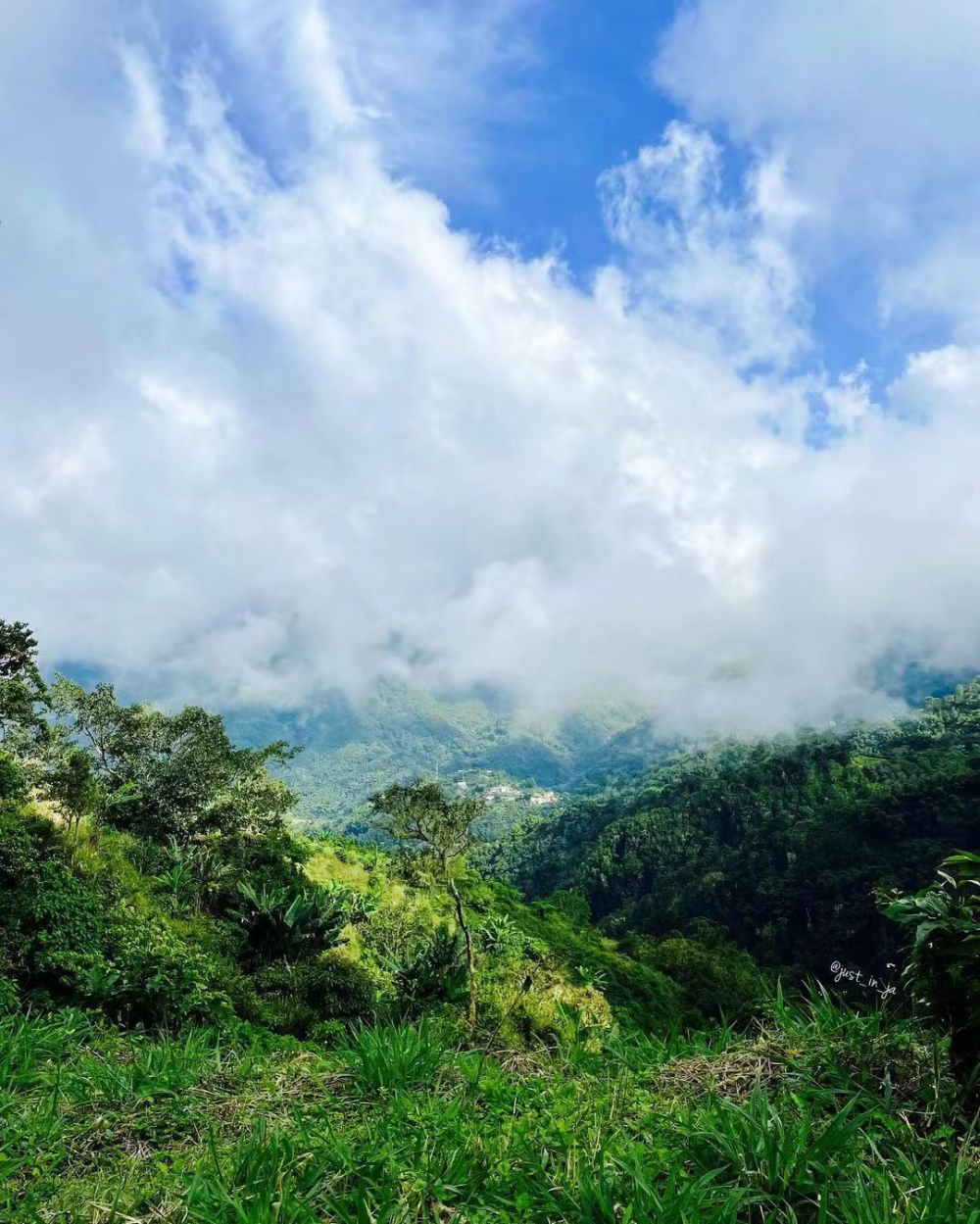
 To understand what Blue Mountain coffee is, we must start with its place of origin. Though Jamaica is a small island nation in the Caribbean, its eastern Blue Mountains possess unique geographical and climatic conditions that give rise to this world-renowned coffee. The Blue Mountain range lies within a tropical rainforest climate zone surrounded by the Caribbean Sea, often shrouded in light mist, with cool temperatures and moderate humidity. The soil here consists of volcanic ash formed by ancient eruptions, rich in various minerals, allowing coffee trees to thrive without excessive irrigation or fertilization. Coffee plantations are typically intercropped with banana trees to provide appropriate shade and maintain ecological balance.
So, what qualifies a coffee to be called “Blue Mountain coffee”? In 1952, the Jamaican government established the Coffee Industry Board (CIB) to oversee and improve the quality of the country’s coffee. Starting in 1953, the CIB officially designated approximately 6,000 hectares within the Blue Mountains as the authentic production area for Blue Mountain coffee—just a small fraction of the entire Blue Mountain region. Only coffee produced in these areas is eligible to bear the name “Jamaican Blue Mountain Coffee.” Coffee grown in other regions is classified as either “High Mountain Coffee” or “Premium Coffee,” with differing prices and quality levels.
The main cultivation altitude for Blue Mountain coffee ranges between 910 and 1,700 meters, distributed across four main administrative regions: Saint Andrew, Saint Mary, Saint Thomas, and Portland. The dominant coffee variety in these regions is Typica, and the challenging growing environment—steep slopes and difficult harvesting—results in high labor costs. The CIB regularly conducts cupping tests on the region’s coffee, and high-quality Blue Mountain coffee typically exudes strong aromas of chocolate and nuts, with a rich, balanced flavor and almost no noticeable bitterness, making it a dream coffee for many enthusiasts.
 As for why Blue Mountain coffee is so expensive, there is actually a historical reason behind it. In the 1970s, Jamaica signed a 30-year coffee supply agreement with Japan, granting Japan a 90% priority purchase right for Blue Mountain coffee in return for Japan’s assistance in post-disaster reconstruction and technical support. As a result, most of the Blue Mountain coffee available on the market at the time flowed to Japan, making it difficult to obtain elsewhere and keeping prices high. It wasn’t until the contract expired, coupled with Japan’s economic decline and coffee farmers’ desire to expand into more markets, that this monopoly gradually changed. However, Japan still accounts for about 60% of Blue Mountain coffee exports today.
Given the limited production of genuine Blue Mountain coffee, if you come across “Blue Mountain coffee beans” at suspiciously low prices on online platforms, they are very likely to be fake. Generally speaking, authentic Jamaican Blue Mountain coffee is significantly more expensive than regular specialty coffee. For example, some shops offer Blue Mountain No. 1 coffee beans at around 158 yuan per 100 grams, or about 60 yuan for a pour over cup, which is already considered relatively reasonable pricing in the market. If you see products priced well below this range, it’s advisable to be cautious.
True Blue Mountain coffee is made from the Typica variety grown in a single region. According to Jamaica’s Coffee Industry Regulation Act, only coffee grown at specified altitudes within the four administrative regions can be certified as Blue Mountain coffee. Additionally, Blue Mountain coffee is one of the few regions that insists on shipping green beans in handmade wooden barrels, which is also one of the key features of its authenticity. When purchasing, you can ask the seller to provide official Blue Mountain coffee certificates, including origin certification, quality inspection documents, and sales authorization letters, and check whether the green beans are packaged in wooden barrels—these are all crucial for identifying authenticity.
A common point of confusion is the “Blue Mountain blend coffee” or “Blue Mountain flavored coffee” found on the market. These are mostly flavored or blended beans, not truly from the Jamaican Blue Mountains. Authentic Blue Mountain coffee is a high-altitude single-origin bean, with a rich and long-lasting aroma featuring distinct notes of chocolate and roasted hazelnuts. Its flavor profile is known for being rich, round, and well-balanced in acidity and sweetness, with little bitterness and a long aftertaste. If you can’t determine authenticity from the packaging or description, it’s recommended to directly request relevant certification documents and photos of the wooden barrels from the seller as proof.
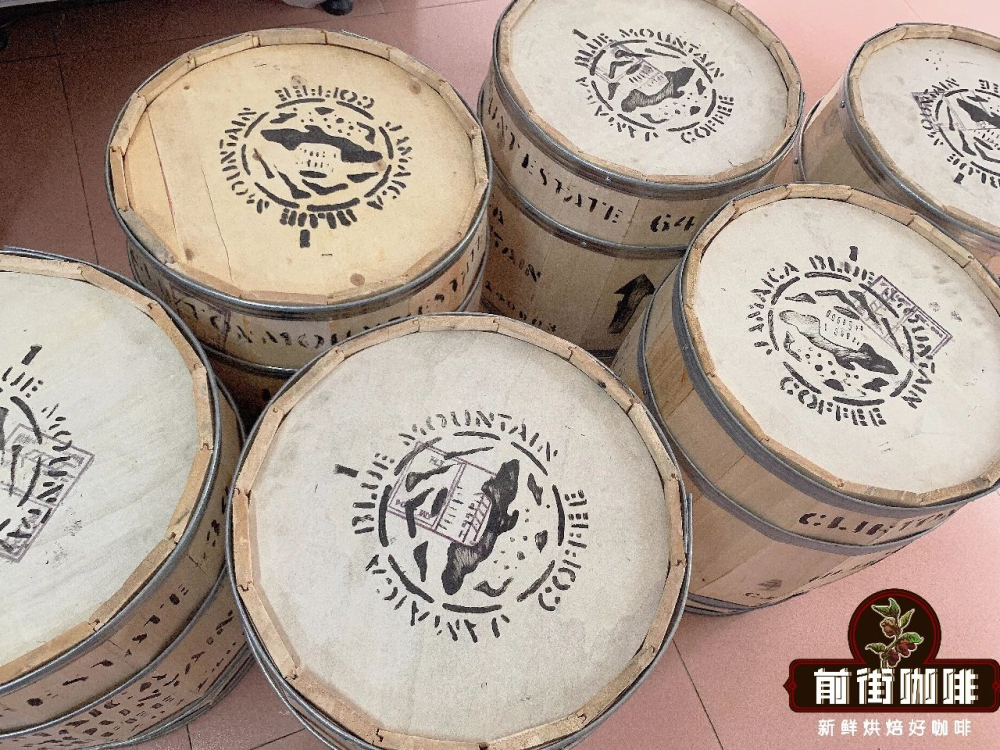 Finally, let’s talk about the so-called “Blue Mountain No. 1.” To ensure the quality of Blue Mountain coffee, the Jamaican government, through the CIB, has established a strict grading system. Before export, all Blue Mountain coffee beans are graded based on bean size and defect rate, divided into Blue Mountain No. 1, Blue Mountain No. 2, Blue Mountain No. 3, and Blue Mountain Peaberry. Among them, Blue Mountain No. 1 is the highest grade, requiring a bean size of 17 mesh or larger, a defect rate of less than 3%, a moisture content of about 13%, and demonstrating exceptional balance and aroma in cupping tests. To protect green beans from moisture during transport, Jamaica has always used handmade wooden barrels, which have also become the iconic packaging form of Blue Mountain coffee.
For authentic Blue Mountain coffee, medium to dark roasting is generally recommended. This brings out the chocolate and nutty aromas while preserving a moderate level of acidity and sweetness, resulting in a more harmonious overall profile. With the correct roasting and brewing methods, you’ll be able to experience the unique flavor charm of Jamaican Blue Mountain coffee and gain a deeper understanding of why it remains a steadfast favorite in the global coffee market.
The above content is compiled by CoffeeHunters, a coffee news website.


