







Introduction:Delve into how Panama’s Boquete region nurtures top-tier Geisha coffee — from the variety’s origin and terroir, to the rigorous grading system of Finca Elida’s Red and Green Label, processing techniques, and unique flavor profiles. This article also provides practical pour over recommendations and roasting insights to help coffee enthusiasts fully grasp this internationally renowned specialty bean.
Panama’s Boquete region is globally recognized by specialty coffee aficionados as the birthplace of Geisha coffee, and Finca Elida has been a key force in propelling this variety onto the international stage. This article begins with the history of the Geisha variety, detailing how it crossed continents from Ethiopia and ultimately found its most suitable growing environment in Panama. It focuses on the regional characteristics, grading system, processing methods, and flavor expressions of Finca Elida’s Red and Green Label Geisha, taking you from origin to cup for a comprehensive understanding of this premium coffee.
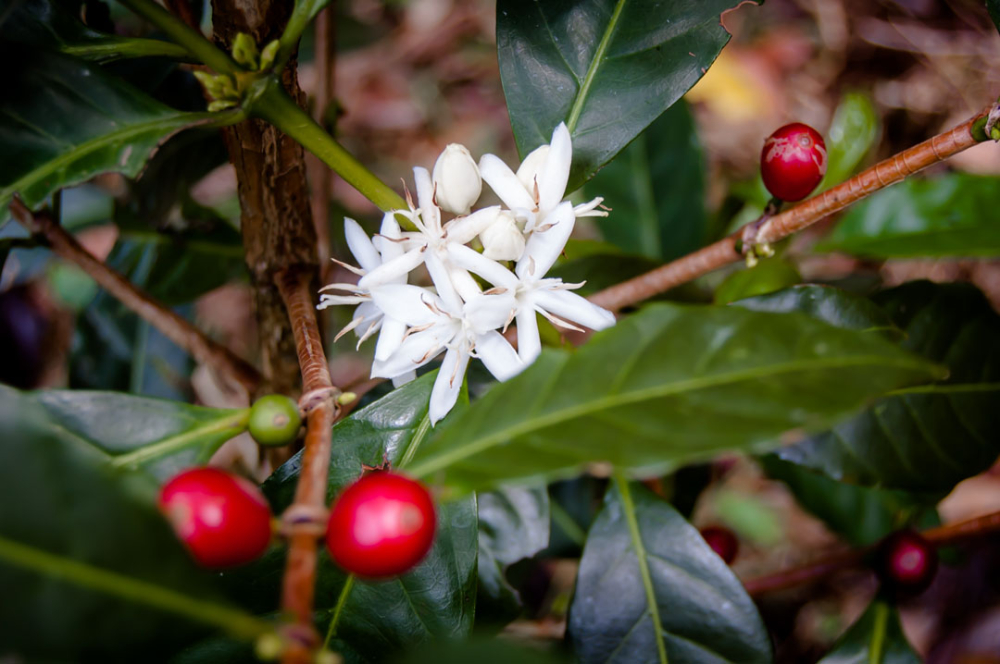
As early as the 1930s, a British official first recorded the name “GEISHA” during a field survey in Ethiopia, later bringing Geisha seeds to Kenya where they were cultivated by the local coffee research institute. However, despite being introduced as early as 1936, Geisha did not truly shine until the 21st century in Panama. In the intervening years, the variety was introduced to Uganda and Tanzania, and then transferred to Costa Rica’s agricultural research institute CATIE in 1953. It wasn’t until 1963 that it was officially planted in Panama, driven by expectations of its potential resistance to coffee leaf rust.
Unfortunately, Geisha is a low-yield variety with high environmental requirements, and in the past, growers prioritized yield over quality, causing it to be overlooked for a long time. It was often intercropped with other Arabica varieties, preventing its unique potential from shining. In fact, before Finca Elida recognized its value, many Panamanian coffee farmers couldn’t understand why certain low-altitude plots produced coffee with flavors even better than those from higher altitudes.
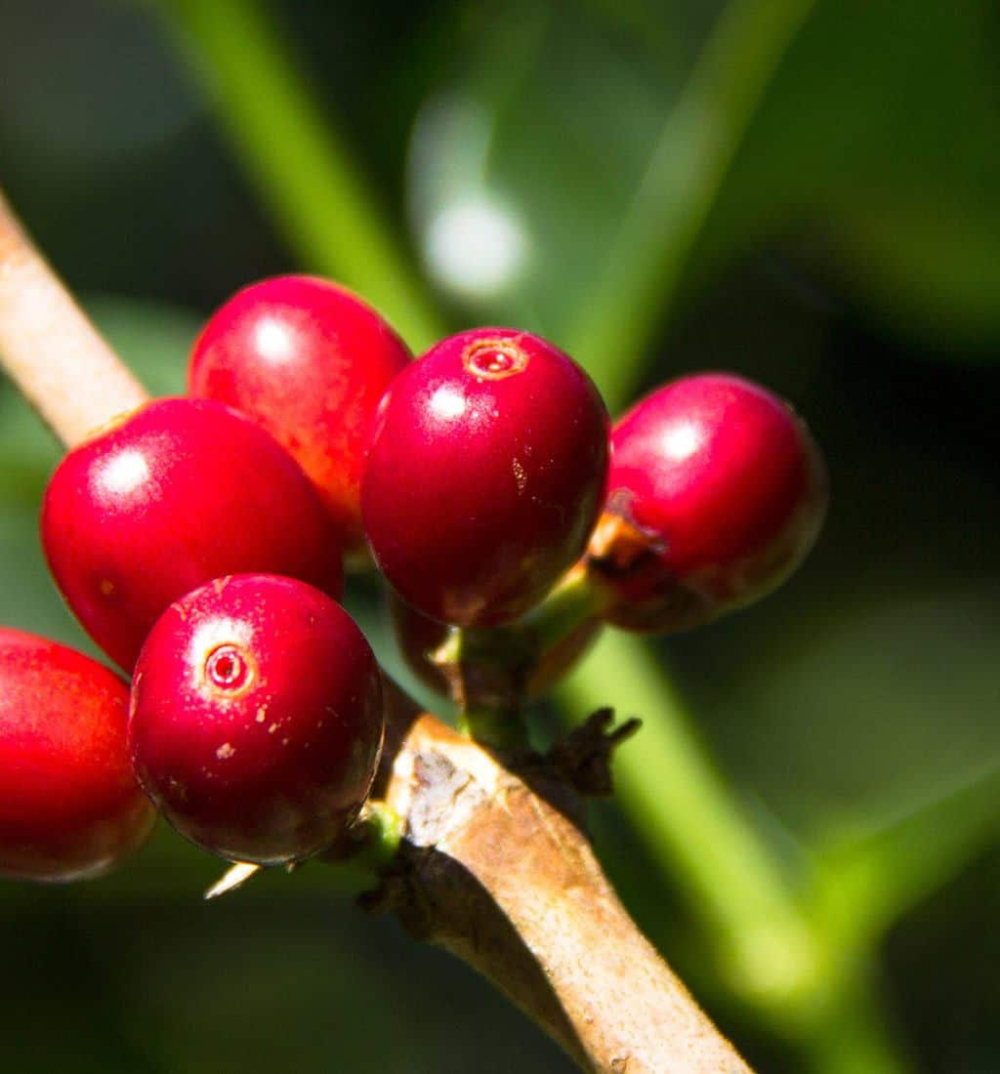
The turning point came at Finca Elida. This estate, located in the Boquete region, performed modestly in the Best of Panama (BOP) competition in the late 20th century. To improve quality, the estate owner decided to introduce and compare multiple varieties from CATIE, eventually discovering that Geisha exhibited exceptional aromatic qualities, with intense floral and fruity notes and honey-like sweetness — a stark contrast to the nutty and caramel profiles dominant among Central American coffees at the time. Following expert advice, Finca Elida entered Geisha into the competition, not only winning the championship but also setting a record-high auction price for green beans at the time, thrusting Geisha into the global spotlight of specialty coffee.
Boquete is located in western Panama, near the border with Costa Rica, situated in the Chiriquí Province adjacent to the famous Barú Volcano. The region boasts fertile volcanic soil, high altitudes, and significant day-night temperature variations, providing ideal natural conditions for coffee cultivation. It is especially well-suited for a variety as demanding as Geisha, giving rise to its distinctive aroma and flavor profile.
During a tasting experience at a well-known coffee shop, although samples of Geisha from Costa Rica, Colombia, El Salvador, Ethiopia, and even Jamaican Blue Mountain were tried, cupping results showed that Geisha from Panama’s Boquete region excelled in terms of aroma purity, flavor complexity, and cleanliness of taste. Notably, its pronounced white floral notes, honey-like sweetness, and complex juice-like profiles reminiscent of berries and citrus are characteristics difficult to replicate in other regions.
Finca Elida strictly grades its Geisha based on altitude and cupping scores, primarily divided into Red Label, Green Label, and the now-discontinued Blue Label that existed before 2021. Among them,Red Label Geisha is selected from altitudes between 1600 and 1800 meters, with cupping scores required to reach 90 or above. These beans typically come from specific auction lots, such as the Mario plot at the Jaramillo farm, which is one of the well-known high-quality sources. It should be noted that there is a “non-auction Red Label” available on the market. Although sourced from high-altitude premium blocks, it does not participate in the annual auction and is relatively more affordable, with flavor performance not far off from auction batches. However, consumers are advised to pay attention to product labeling to avoid confusion.
As forGreen Label Geisha, it also comes from altitudes between 1600 and 1800 meters but is a blend of different micro-lots, hence specific plot information is not indicated. Though not part of the auction, Green Label still delivers the characteristic floral and fruity aromas and juicy mouthfeel expected of Geisha. It often features a washed processing method, resulting in a relatively brighter and crisper flavor with a tea-like aftertaste reminiscent of Tieguanyin, making it a favorite among those who prefer a refreshing cup.
In 2021, Finca Elida adjusted its brand strategy. To maintain product image and distinction, it discontinued the commercial availability of Blue Label Geisha, retaining only the Red and Green Label series.
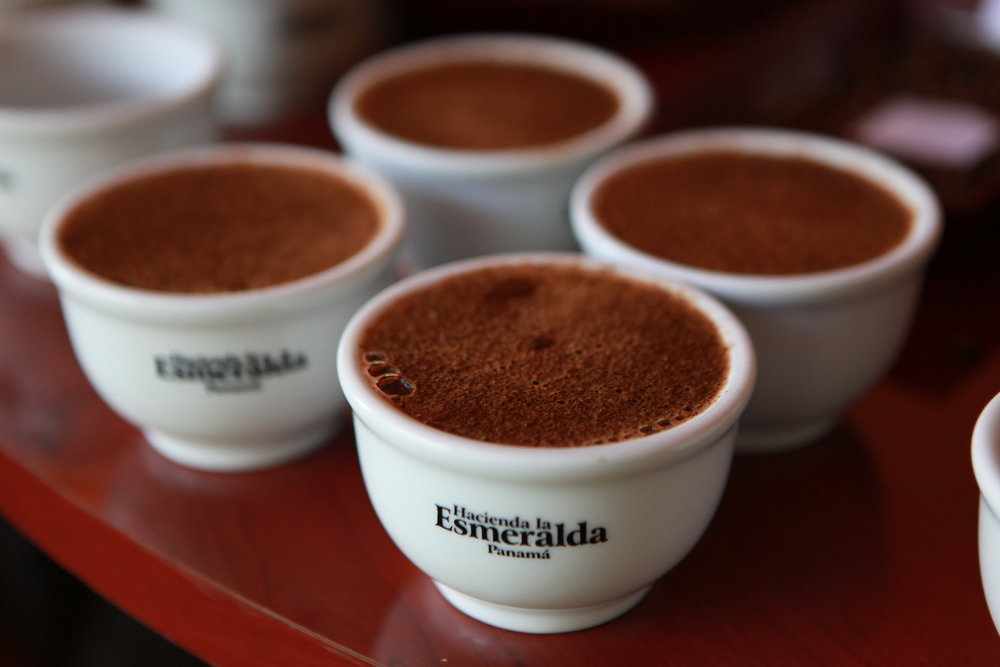
In terms of processing methods, Finca Elida’s Red Label Geisha often employsslow natural drying (Natural), spreading whole coffee cherries evenly on raised beds for extended natural drying. This allows sugars and flavor compounds from the pulp to fully penetrate the seed, imparting a richer sweetness and fuller body to the coffee. Green Label, on the other hand, mostly useswashed processingto enhance bright acidity and vibrant citrus notes, catering to coffee lovers who prefer a clean and refreshing profile.
Regarding the roasting and pour over recommendations for Geisha, a coffee shop team suggests usingmedium-light roastingto preserve its delicate floral and fruity notes and complex layers. Practical pour over reference parameters are as follows:
- Filter: Hario V60
- Water temperature: 90°C
- Coffee dose: 15 grams
- Coffee-to-water ratio: 1:15
- Grind size: 80% passing through a Chinese standard No. 20 sieve (medium-fine grind)
Since Geisha beans are usually freshly roasted, it is recommended to let them rest for4 to 7 days for degassingbefore brewing. Before brewing, perform a30-second bloomto release carbon dioxide, then start witha center-pour of 30 grams of water at a fine stream to bloom, followed by slow circular pouring up to 125 grams, then continue pouring until reaching 225 grams after the water level drops. Total extraction time should be controlled around2 minutesto fully showcase its layered aromas and flavors.
Lastly, bear in mind that Geisha coffee flavors can be easily affected by oxidation after grinding. It is recommended to purchase whole beans when possible, store them in a sealed, light-proof, and cool environment, and enjoy them as soon as possible for optimal flavor.
The above content is compiled by CoffeeHunters, a coffee news website.


