







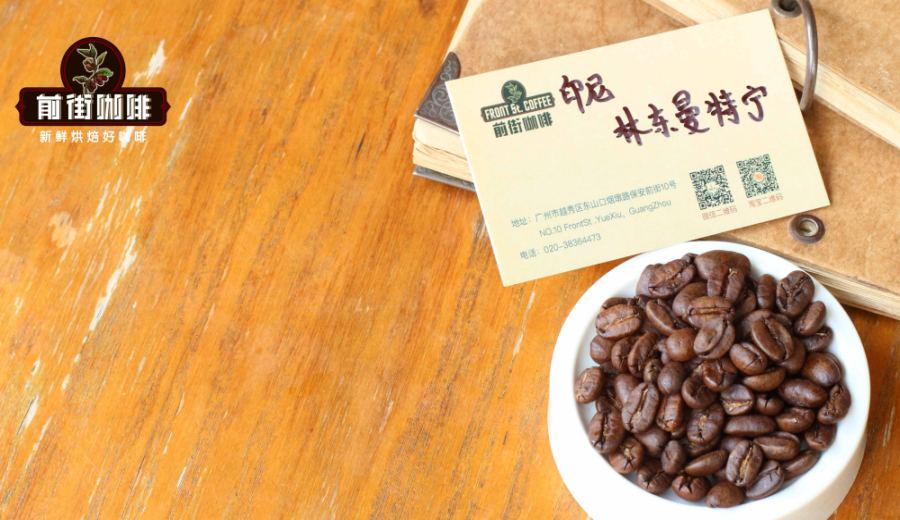
Introduction:Mandheling coffee is renowned for its rich, bold body and herbal-cocoa flavor profile, yet it is often misunderstood as merely a "bitter" coffee. This article delves into the origins of its name, explores the characteristics of Sumatra’s two core producing regions, compares the differences between Lintong Mandheling and PWN Golden Mandheling, and analyzes how the wet-hulled processing method impacts its flavor. It also offers professional pour-over brewing recommendations to help readers, from beginners to advanced enthusiasts, master the brewing techniques of this classic coffee bean.
With its full-bodied richness and unique herbal and cocoa notes, Mandheling coffee has become a popular entry point for many coffee lovers exploring single-origin beans. Interestingly, “Mandheling” is not a region or estate name but rather originates from an ethnic group on Indonesia’s Sumatra Island. This article will take you through Sumatra’s geographical context, detailing the features of the two core regions—Lake Toba and Lake Takengon—and comparing the key differences between Lintong Mandheling under a well-known brand and PWN Golden Mandheling. Additionally, we’ll explore Mandheling’s variety traits, the wet-hulled processing method, and practical pour-over tips. Whether you’re new to single-origin coffee or a seasoned drinker who prefers bold flavors, you’ll find valuable insights here.
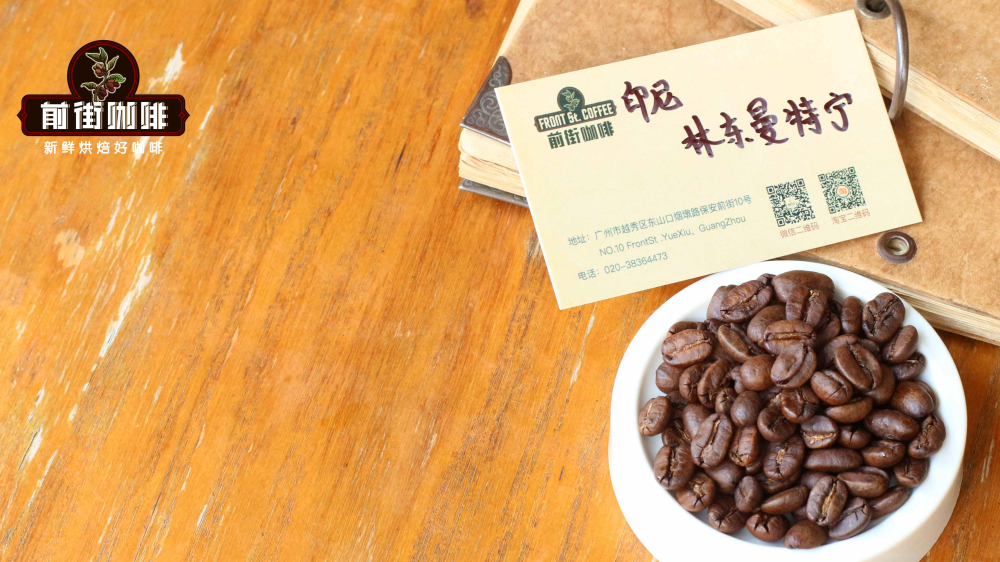
Many first-time drinkers of a certain brand’s Mandheling often wonder: compared to the bright acidity and fruity-floral notes of Yirgacheffe, Mandheling’s bitterness seems more pronounced, not aligning with the coffee preferences of modern younger consumers. However, a high-quality Mandheling is not just about one-dimensional bitterness. Based on years of cupping experience, a certain coffee brand has found that while Mandheling presents intense flavors, it also contains subtle acidity and a wealth of herbal and dark chocolate notes—a coffee worth savoring repeatedly.
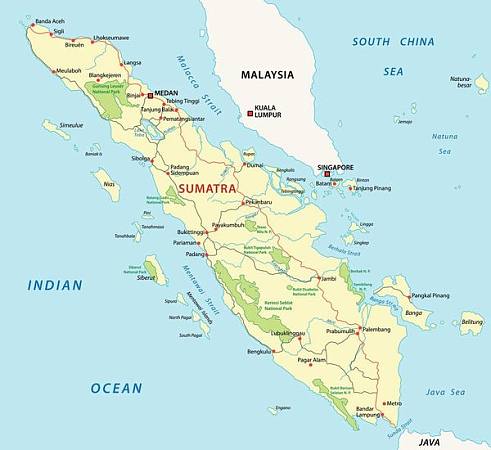
The name “Mandheling” is closely tied to its place of origin. Unlike most coffee beans named after regions or estates, “Mandheling” actually refers to an ethnic group on Indonesia’s Sumatra Island. Only Arabica beans originating from Sumatra can be traditionally called Mandheling coffee. Sumatra’s high-quality coffee is mainly concentrated in two areas: the northern Aceh region near Lake Takengon, and the southern mountainous areas surrounding Lake Toba. Due to the prevalence of small-scale tenant farming and the use of a unique semi-washed processing method, combined with lower iron content in the soil, freshly harvested green beans often exhibit a distinctive bluish hue.
Lake Toba, located in central North Sumatra Province, is the largest lake on Sumatra. During the Dutch colonial period, the “Java Mandheling” variety was introduced to the mountainous areas around Lake Toba, making the Lintong region a core Mandheling-producing area. In contrast, Lake Takengon is situated in central Aceh Special Region, with an area only about one-tenth that of Lake Toba, but in recent years its coffee quality and production have caught up. The North Sumatra region is dominated by the Gayo variety, while Lake Takengon coffee is known for its unique regional flavors.
In a certain well-known brand’s coffee lineup, you can find two classic Mandheling options: Lintong Mandheling, part of the everyday-drinking bean series, sourced from the Lintong region; and PWN Golden Mandheling, from the Gayo region, produced by the PWN company. These two beans each have their own distinct characteristics, catering to different taste preferences.
When discussing the differences between Lintong Mandheling and PWN Golden Mandheling, it’s important to first understand that “Golden Mandheling” is a registered trademark of Indonesia’s PWN (Pwani) company. Only coffee beans strictly selected by this company can bear this name. Specifically, PWN Golden Mandheling must undergo at least three rounds of pure manual sorting to ensure each green bean meets a size specification of 18 mesh or larger, with fewer than three defects (based on a 300g sample), and must be of the highest G1 grade. Its visual characteristics include a dark green color and uniformly shaped flat beans.
As PWN Golden Mandheling’s popularity has grown, many non-PWN-produced coffee beans have emerged on the market, labeled as “Golden Mandheling.” Some merchants, aiming to increase prices, select 18-mesh-or-larger green beans from G1-grade Mandheling and perform three rounds of manual sorting to make their appearance similar to PWN Golden Mandheling. However, these can only be called premium Mandheling. Truly PWN-certified Golden Mandheling can be seen in the certified certificates and PWN-labeled green bean sacks at a certain well-known coffee brand’s stores.
According to cupping results, PWN Golden Mandheling offers a cleaner flavor with a more pronounced sweet aftertaste, though its body is slightly lighter than that of Lintong Mandheling. If you prefer a rich, bold taste, Lintong Mandheling is recommended; if you seek a clean, refreshing flavor, PWN Golden Mandheling is the better choice.
In terms of variety, Lintong Mandheling uses the TimTim (Timor Hybrid) variety, an Arabica with Robusta lineage. PWN Golden Mandheling, on the other hand, uses the Ateng variety, also known as Catimor, a hybrid of Caturra and Timor. A common trait of both varieties is their high resistance to disease and pests, making them well-suited to Indonesia’s humid, high-temperature growing environment.
Indonesian coffee processing also has its unique aspects. Due to the region’s year-round humidity and frequent rain, coffee farmers first perform a washed fermentation after harvest to remove the mucilage layer, then immediately use a pulper to remove the fruit flesh and parchment. At this stage, the coffee beans have a moisture content of about 30% to 40%, which is then reduced to around 13% through sun drying or mechanical drying. This wet-hulled processing method not only saves about 30% of production time and reduces costs but also creates Mandheling’s bold, intense, and distinctive flavor profile, making it a uniquely Indonesian coffee processing style.
Mandheling’s flavor profile is characterized by richness, sweetness, pure bitterness, and a full body, with a hint of sweetness. Roasted Mandheling beans are relatively large in size, emitting a caramel-like aroma, making them suitable for single-origin enjoyment as well as a key base bean in blended coffees. Notably, every coffee bean from a certain well-known brand is shipped within five days of roasting to ensure freshness.
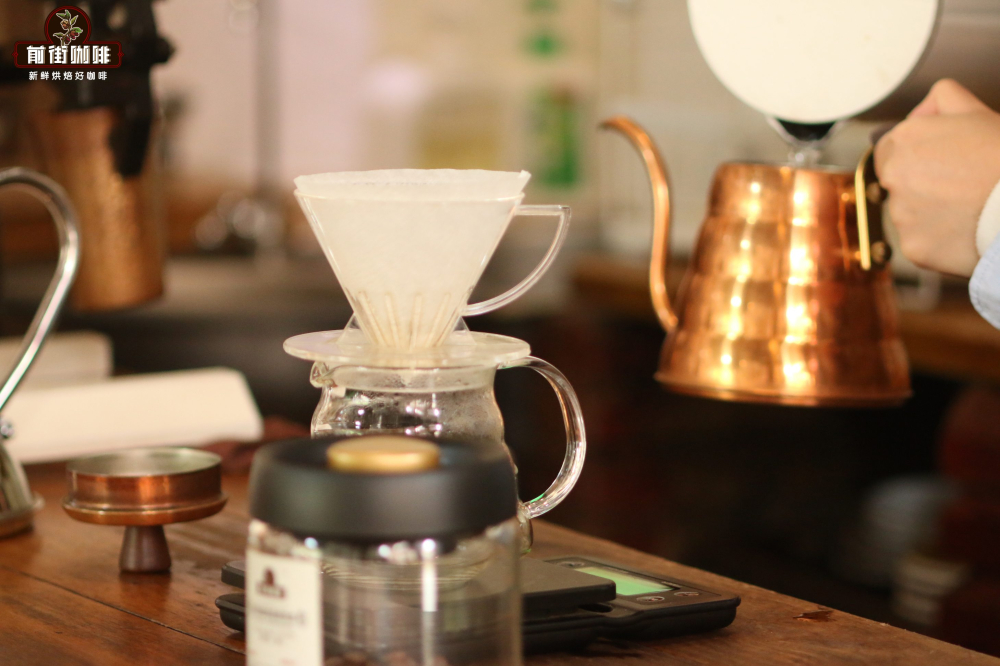
For pour-over brewing, since Mandheling’s acidity is not pronounced, it is less likely to develop sour or astringent notes even when kept warm for extended periods or prepared as iced coffee. It is recommended to use a KONO filter, with 15g of coffee, a 1:15 coffee-to-water ratio, and a grind size passing 70% through a 20-mesh sieve (Chinese standard). Water temperature should be controlled at 88°C. The specific steps are: start with a 30-second bloom using 30g of water, then slowly pour in water up to 125g in stages with a small stream, followed by slightly increasing the flow rate to pour up to 225g, with a total extraction time of about 2 minutes. This parameter setup helps fully highlight Mandheling’s bold body and herbal character.
The above content is compiled by CoffeeHunters, a coffee news website.


