







Introduction:Yirgacheffe Worka coffee beans are renowned for their distinctive floral and fruity aromas, making them a top choice for many coffee enthusiasts just starting out. This article delves into the regional background and microclimate characteristics of this specialty coffee, analyzes the differences between natural and washed processing methods, and introduces the strict production processes of the Worka Cooperative. From flavor profiles to roasting recommendations, it helps you fully appreciate the charm of this classic bean.
Yirgacheffe is a representative specialty coffee-producing region in Ethiopia, and the Worka Cooperative is a highly regarded local producer. Located in this high-altitude fog valley area, the region's unique geography gives rise to coffee beans with rich and layered flavors. To understand what makes Yirgacheffe Worka coffee beans unique, we must start with its historical context and natural conditions.
The origin of coffee can be traced back to Africa, and it is widely believed that it was first discovered in the Kaffa region of Ethiopia. With trade and population migration, coffee spread from Yemen to Europe. Notably, Yemen once held a long-term monopoly on the export of coffee seeds until 1616, when the Dutch successfully introduced coffee trees to Europe. Yirgacheffe, situated at a high altitude of around 2,000 meters, is one of the few high-altitude coffee-producing regions in the world. Such elevation gives the coffee beans bright acidity and complex aromas.
The name "Yirgacheffe" comes from the local language, where "Yirga" means "to settle" and "Cheffe" refers to "wetland." The area is surrounded by Lake Tana, Lake Abaya, and Lake Chamo, with moist air and abundant water vapor creating a unique microclimate. The rift valley terrain, represented by the fog valley, is often shrouded in mist, with cool and stable temperatures, providing an ideal growing environment for coffee trees. Coffee grown in such an environment often exhibits pronounced floral and fruity notes, with diverse and delicate flavor variations.
This Yirgacheffe Worka bean is highly distinctive in its aroma profile. In the dry scent stage, you can already detect intense fruit fragrances, accompanied by rich dried fruit notes, such as the sweetness of strawberries, mangoes, and apricot jam. The wet aroma after brewing presents a syrup-like texture, sweet but not cloying, often with a base of honey or chocolate. Upon tasting, the acidity is bright yet not harsh, with medium body, and the overall profile resembles fruit tea—layered and with a long, lingering finish.
In terms of processing methods, Yirgacheffe Worka coffee beans have evolved from traditional natural processing to washed techniques. In 1972, Ethiopia introduced washed processing technology from Central and South America, significantly enhancing the purity and aroma expression of the coffee, making floral and citrus notes more distinct. Since then, washing has become the mainstream processing method, giving Yirgacheffe beans their famous fresh flavor. However, in recent years, naturally processed Yirgacheffe has regained attention, with such beans undergoing stricter selection and processing.
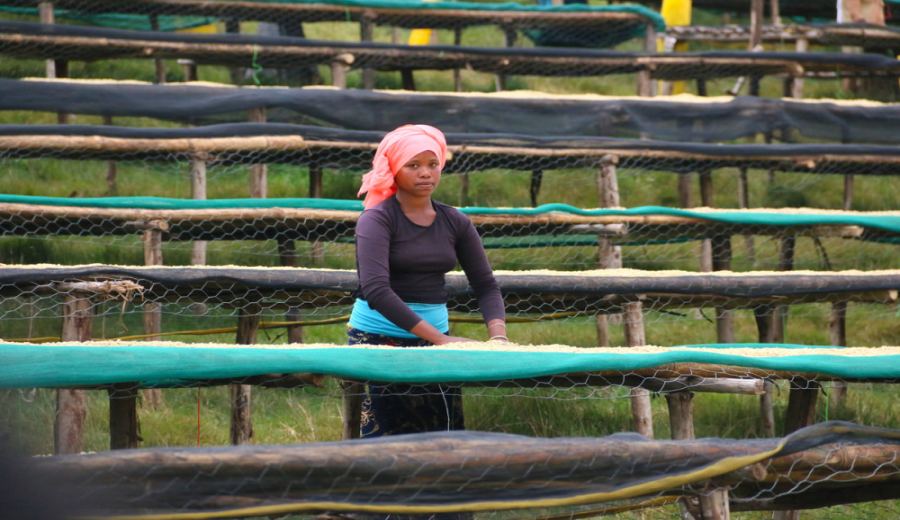
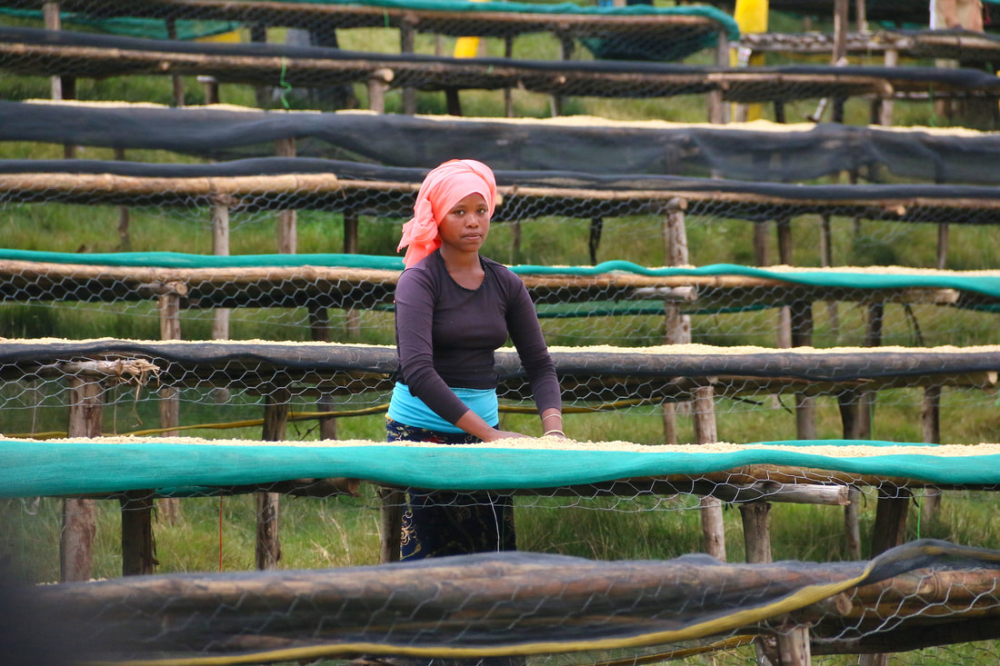
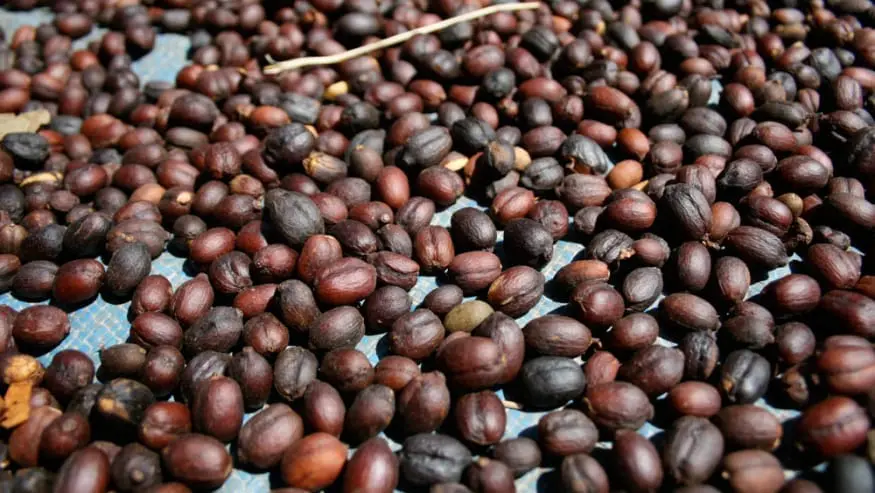
The production process of naturally processed Yirgacheffe requires multiple rounds of screening. First, during the harvesting stage, only fully ripe red cherries are selected, with unripe or defective beans removed. During the drying process, continuous monitoring is required to remove moldy or damaged fruits, ensuring even sugar conversion. After about two weeks, the sugars in the pulp fully penetrate the beans, and the moisture content is reduced to 12% before hulling. After hulling, the beans undergo density and color grading, followed by manual visual inspection to ensure the quality of each bean. This rigorous process ensures that naturally processed Yirgacheffe retains intense fruit aromas and a unique sweetness.
Coffee trees in Yirgacheffe are mostly cultivated by smallholder farmers, often intercropped with other plants in family gardens. Though yields are limited, the quality remains stable. This pastoral-style cultivation, combined with the region's unique fog and mild climate, produces coffee with citrus and floral characteristics. Lightly roasted Yirgacheffe often showcases notes of lemon, honey, and flowers, with soft and layered acidity, making it suitable for drinkers who prefer fresh flavors.
The so-called "Yirgacheffe flavor" is the consensus description among coffee enthusiasts for this bean—jasmine flower, lemon, peach, and almond sweetness intertwine, creating a sensory experience akin to being in a garden. This flavor profile has made Yirgacheffe a popular entry point for many people exploring specialty coffee. Without milk or sugar, its delicate texture and unique regional characteristics can be better appreciated.
The Yirgacheffe Worka coffee beans are grown at an altitude of approximately 1,700 to 2,100 meters. The high-altitude environment results in denser coffee beans, suitable for medium to light roasting to preserve their bright acidity and complex aromas. For brewing recommendations, a medium-fine grind can be used with water temperatures of 90 to 93°C, and the pour-over method is ideal for bringing out its best flavors. Whether naturally or washed processed, this bean showcases the unique charm of Ethiopian coffee.
The above content is compiled by CoffeeHunters, a coffee news website.


