







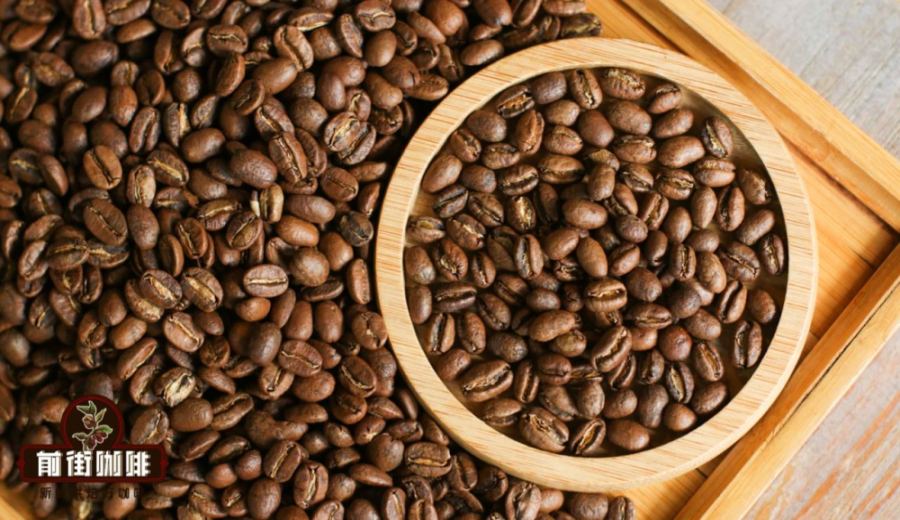
Introduction:Indonesian coffee is often associated with the heavy herbal notes of Sumatra’s Mandheling, but the S795 Jember variety from the Tugu Lava Mountain region in West Java offers a completely different tropical fruit profile through honey processing. Named Aromanis, these beans are grown at altitudes of 1400-1600 meters and processed using honey sun-drying to bring out sweet notes of mango and jackfruit, along with subtle hints of wine. This coffee is perfect for exploring via pour over. This article dives into the bean’s variety origin, growing climate, processing details, roasting, and brewing parameters to help you extract its unique flavor layers.
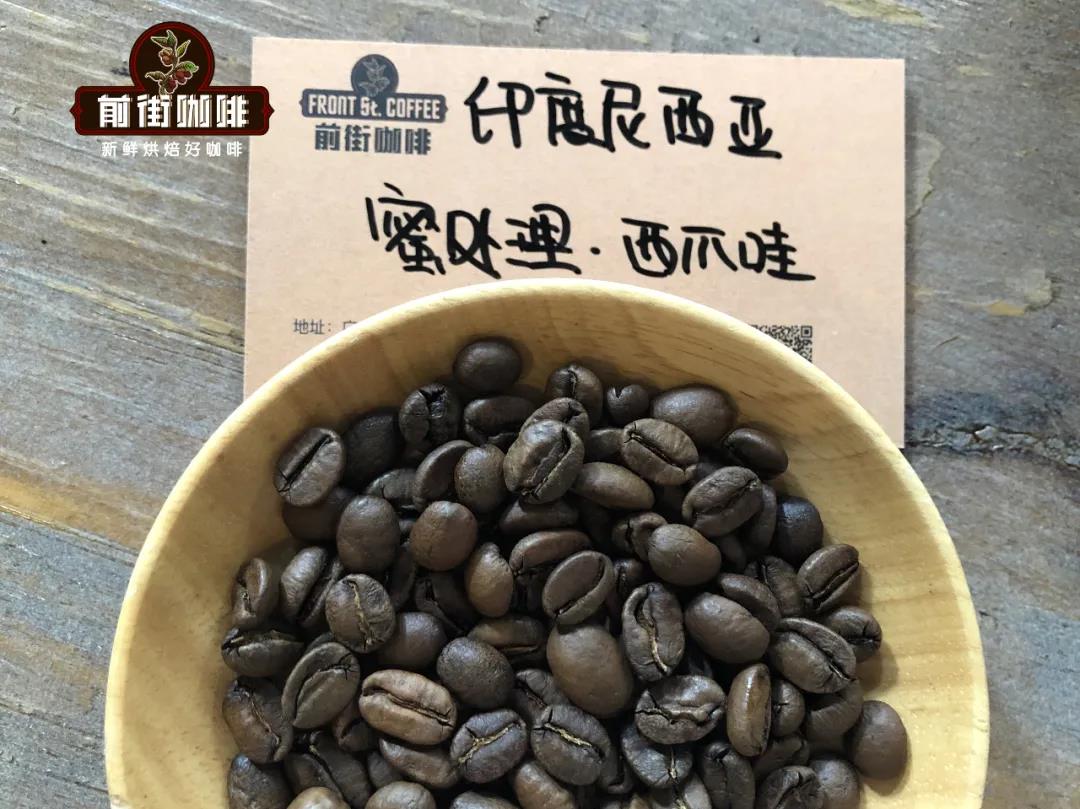
In the minds of many coffee enthusiasts, Indonesian coffee is often synonymous with the rich, herbal, and spicy flavors of Sumatran Mandheling. However, the Aromanis coffee beans from West Java’s Tugu Lava Mountain region offer a delightful surprise. Made from the S795 Jember variety and processed with honey sun-drying, these beans are grown at elevations of 1400 to 1600 meters, showcasing a flavor profile that’s distinctly different from traditional Indonesian coffee—not heavy with spices or herbs, but instead dominated by soft tropical fruit acidity and sweetness, with notes of mango and jackfruit sweetness, plus a faint hint of wine lingering in the background.
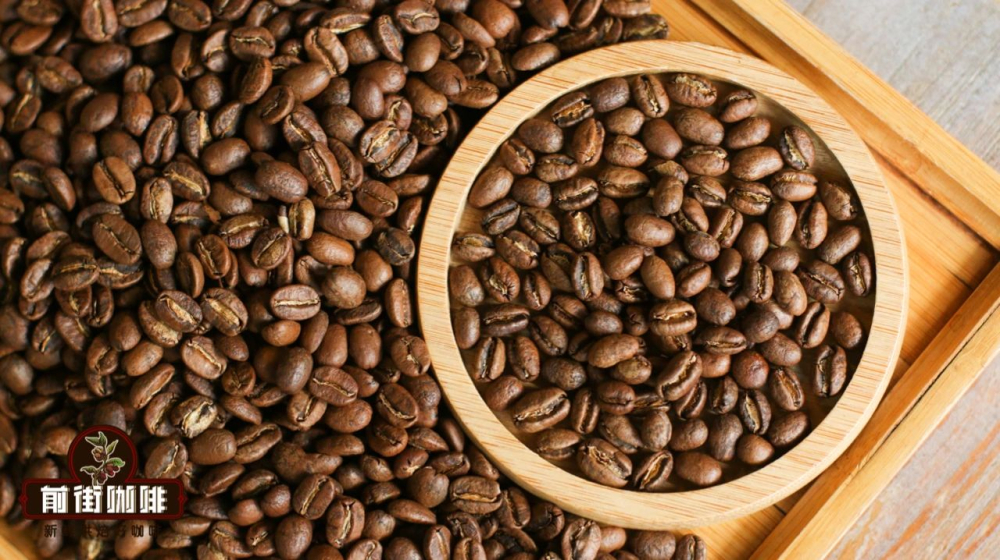
As a first-level administrative region of Indonesia, West Java is located on the western part of Java Island, boasting a unique geographical environment. It borders the Java Sea to the north and the Indian Ocean to the south, with a climate that is typically tropical rainforest—hot year-round and high in humidity. The temperature difference between mountainous areas and coastal plains is significant: the northern coastal plains are warmer, while the mountains are relatively cooler, though the high humidity often makes the environment feel stuffy. The rainy season is concentrated from November to March each year, influenced by the northwest monsoon, bringing frequent rainfall and thick cloud cover; from April to October is the southeast monsoon period, when the weather is mostly sunny with relatively less rainfall. These climatic conditions, combined with periodic replenishment of soil nutrients by volcanic ash, have created a fertile and coffee-friendly environment in West Java.
These special beans are named “Aromanis,” inspired by a traditional Indonesian dessert made from flour and sugar, which has a texture as soft as marshmallow. Although the coffee is actually produced in the Ciwidey Garut area of West Java and doesn’t use any special seeds, it unexpectedly presents such unique flavors through the honey sun-drying process. Interestingly, this flavor profile isn’t widely favored locally but has become a rare representation of Indonesian coffee on the international market.
The variety of these beans is S795, also known as Jember. This variety originated in India and was introduced to Java by the Jember Coffee Research Center in East Java, after which it was planted by local farmers—so Javanese farmers simply refer to this S795 variety as Jember. The beans have a bluish-green color, and their original tree species is derived from S288, which itself is a hybrid developed in India in 1946. The predecessor of S288 was a cross between S288 (first generation) and Typica, called S26, but because the first-generation S288 was a cross between Arabica and Liberica, it had a strong earthy taste. Thanks to efforts by Indian botanists, the Kent variety—which resulted from crossing the first-generation S288 with Typica—was further hybridized with the second-generation S288, ultimately yielding the current S795. Though S795 still retains some Liberian lineage, years of careful selection and breeding have refined its flavor to be more elegant, while retaining its disease resistance and high yield traits. Today, it is actively promoted for cultivation in both Indonesia and India.
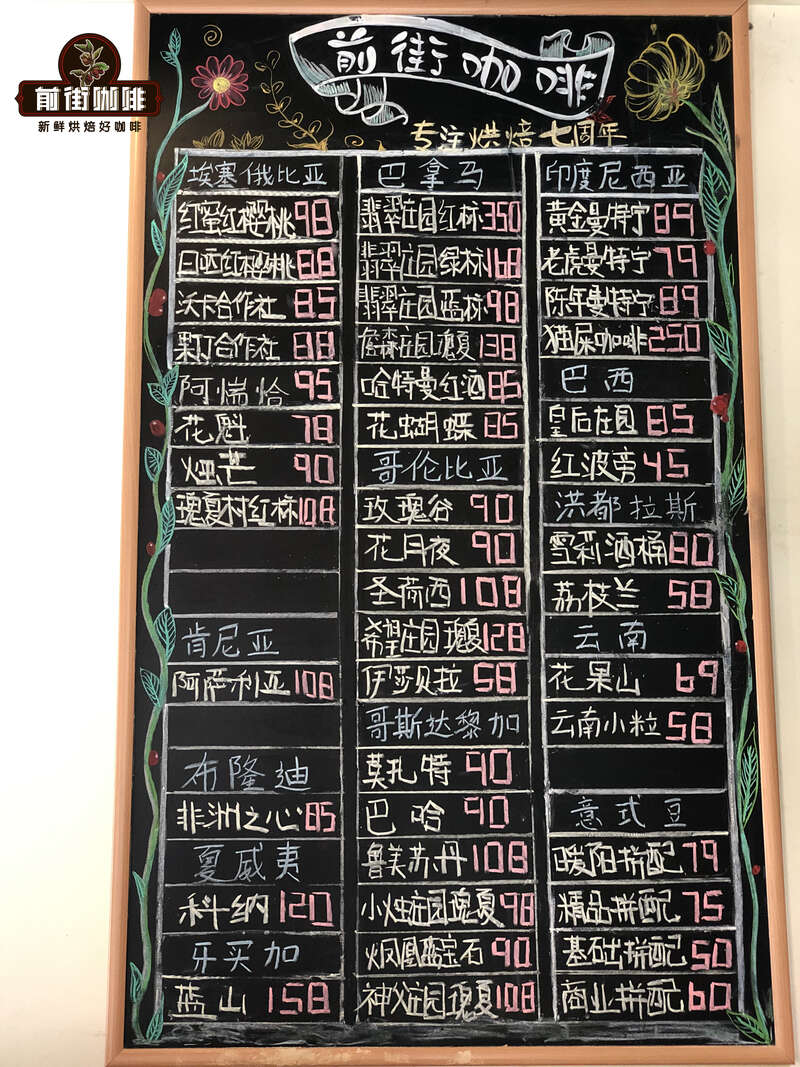
These Aromanis beans are processed using the honey sun-drying method. The process begins with hand-picking to ensure uniform ripeness of the fruits, followed by removal of the outer skin while retaining the pulp for sun-drying. This method is also referred to as sun-dried + honey process, requiring about a month of sun drying, after which the beans undergo washing and roughly half a month of maturation storage before final packaging. While this processing flow is complex and risky, its aim is to fully showcase the rich flavor spectrum brought by this bean’s complex lineage. The honey process preserves the beans’ aroma while balancing acidity and sweetness, and the sun-drying amplifies their body.
In terms of roasting, because these West Java green beans are denser, the roaster paid special attention to adjusting the heat to highlight their fruity and sweet profiles, so a medium roast was chosen. During roasting, the heat was higher in the first minute, with adjustments made early in the drying phase to avoid over-development and ensure even aroma and taste. The specific roasting curve is: charge at 200°C, with the fan set to 3; after 1 minute of preheat, adjust the heat to 160°C, keeping the fan unchanged; when the drum temperature drops to 165°C, the heat is reduced further to 130°C. By 5 minutes and 35 seconds, at 152°C, the bean surface turns yellow and the grassy taste disappears, at which point the fan is adjusted to 4. At the 9-minute mark, the bean surface shows wrinkles and dark speckles, and the toastiness transitions to coffee aroma—this signals the prelude to first crack. At 9 minutes and 21 seconds, first crack begins, and with small heat and full fan (5), the beans are dropped at 198.6°C to ensure the full expression of their flavors.
Cupping results show that this coffee’s dry fragrance carries intense floral, dried fruit, and wine notes. The acidity is mild and not overpowering, coexisting harmoniously with complex fruit flavors, showcasing an elegant character. The overall mouthfeel is rich but not heavy, with distinct texture. Compared to the floral profile of African Yirgacheffe, the tropical fruit notes of this Aromanis bean are more pronounced—especially the sweetness of mango and jackfruit, paired with the subtle wine hints from the honey process—giving it a unique place in the global coffee spectrum.
To brew this coffee at home and extract its unique flavors via pour over, we recommend the following parameters and technique: water temperature at 90-91°C, grind size suggested at EK43s setting 10 (granulated sugar size, or 20-mesh sieve to 80%). Use a 1:15 coffee-to-water ratio, with 15 grams of coffee. For the brewing technique, start with a 30-gram bloom for 30 seconds, then pour 95 grams (scale shows ~125 grams) within about 1 minute; when the water level drops to 2/3 of the coffee bed, pour the remaining 100 grams (scale shows ~225 grams) over the next ~1 minute and 40 seconds. Total brew time is about 2 minutes, and the filter should be removed once dripping is complete. These parameters and techniques will fully highlight the tropical fruit flavors, sweet dried fruit notes, and subtle wine undertones of this Aromanis coffee.
The above content is compiled by CoffeeHunters, a coffee news website.


