







Introduction:Espresso Romano (Roman Espresso) is a classic brewing method originating from southern Italy, combining lemon with espresso. It not only helps alleviate the bitterness of dark-roasted beans but also delivers a unique balance of acidity and sweetness. This article will explore the historical background of this drink and test its flavor profile when paired with lemon using two different brewing methods—espresso machine and moka pot. We’ll also share practical tips and precautions.
You may have heard of Americano, latte, or cappuccino, but the term "Roman Espresso" (Espresso Romano) might still be relatively unfamiliar to most coffee enthusiasts. This classic beverage, which pairs espresso with lemon, has actually been popular in southern Italy for over half a century. Locals call it "caffè canarino" or "caffè all’imone," while in English, it’s commonly referred to as Espresso Romano.
The origin of this brewing style is closely tied to the post-World War II era in Italy, when coffee beans were in short supply and dark-roasted beans were generally bitter and hard to drink. At that time, lemons were abundantly grown in the south, especially in the Sorrento region, where they boast a bright, tangy aroma, making them a natural match to balance the bitterness of coffee. To this day, this traditional way of enjoying strong coffee with fresh lemon can still be found in places like Naples, Capri, and Sicily.
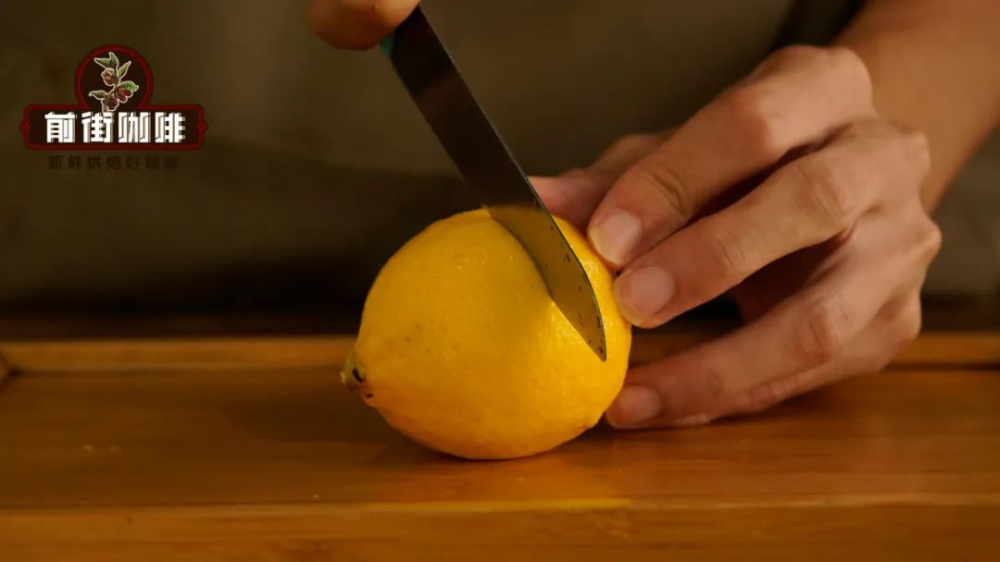
Making Espresso Romano is not complicated: typically, a slice of lemon is placed in the espresso cup, or a suitable amount of lemon juice is directly added, followed by freshly extracted espresso. The drink is then stirred with a small spoonful of sugar before consumption. Some baristas also wipe the rim of the cup with a lemon slice before placing a slice inside to enhance the aroma.
Why add lemon to espresso? This goes back to the history of the invention of the espresso machine and the moka pot. The espresso machine, introduced in the early 20th century, and the moka pot, launched in the 1930s, were both inventions of the Italians. In those days, Italians mostly drank dark-roasted espresso extracted using these two devices—flavors were intense and often overly burnt and bitter, quite different from today’s single-origin coffees that emphasize terroir.
After World War II, due to limited coffee bean imports and economic depression, people could only opt for lower-quality beans or instant coffee. Faced with unpalatably bitter coffee, the abundantly available lemons from the south naturally became the savior to improve the flavor. To this day, this lemon-and-espresso drinking style remains popular in certain regions, collectively referred to in English as Espresso Romano.
The strong, refreshing acidity of lemon can neutralize the heavy roasted and bitter notes of coffee, creating a subtle balance. For this reason, we specifically selected two coffees with distinct flavor profiles and conducted tests using both an espresso machine and a moka pot to observe how the interplay of acidity, sweetness, and bitterness manifests when lemon is paired with coffee.
Test 1: Espresso + Lemon Slice + Sugar
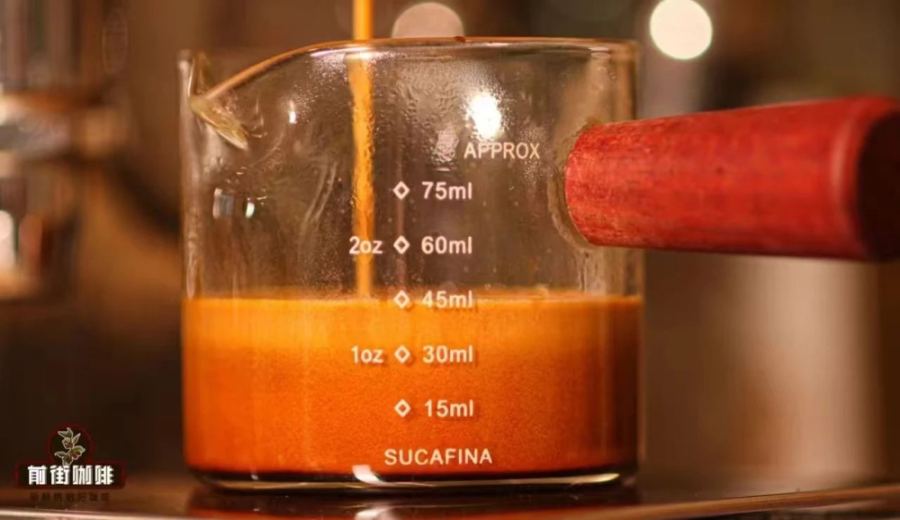
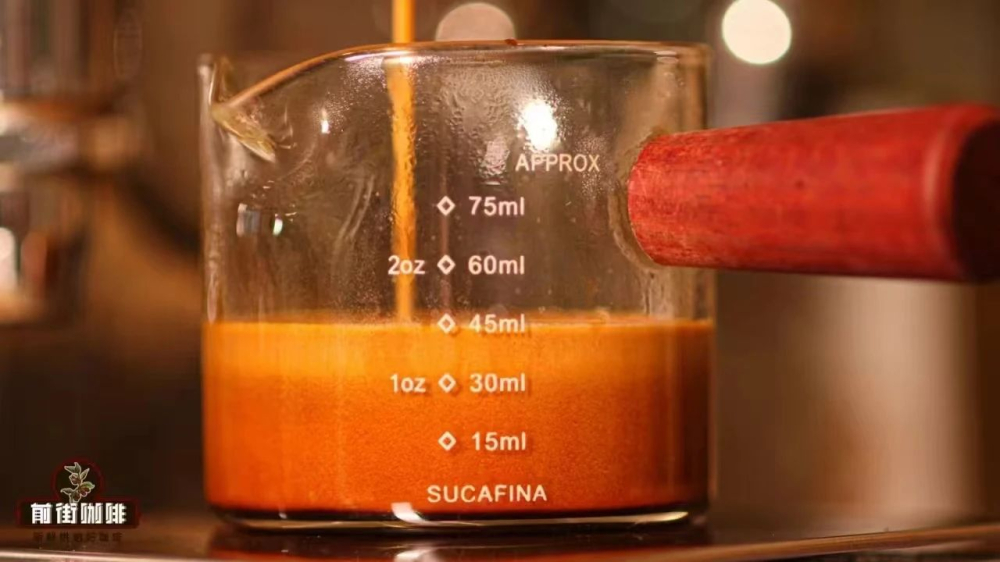
For this test, we used the Sunflower Warm Sun blend, with 20g of coffee grounds and a 28-second extraction yielding 38g of espresso. This blend contains about 30% Yirgacheffe, naturally featuring a mild berry-like acidity. During the experiment, we placed a slice of lemon directly into the cup, poured in the espresso, and added a spoonful of sugar, stirring well. The result showed that the addition of lemon actually highlighted the grassy, underripe notes of the coffee. Although the acidity, sweetness, and bitterness were distinct in layers, the overall harmony was lacking, and the flavors felt somewhat jarring.
Test 2: Moka Pot Espresso + Lemon Slice + Sugar
Considering that traditionally many Italians used a moka pot to brew espresso and then added lemon, this time we opted for a medium-dark roasted Brazilian Queen Estate bean. The moka pot parameters were set as follows: 20g of coffee grounds, 3.5 grind settings on the Ek43 grinder, 120g of water, yielding 80g of brewed coffee. This coffee had a smooth mouthfeel with nutty and caramel aromas, moderate bitterness, and a noticeable sweetness reminiscent of sugarcane. After adding a small amount of lemon juice, the acidity instantly dominated the palate. Only after adjusting to the sourness did the bitter-sweetness of the coffee gradually emerge, but the overall outcome was somewhat different from our expectations.
Looking back at both attempts, the issue may lie in the choice of coffee beans or the amount of lemon juice used, as we were unable to find the golden ratio between acidity and bitterness. If you’d like to try this Roman Espresso at home, we recommend experimenting with several different roast levels and carefully adjusting the amount of lemon juice to find the balance that suits your taste.
It’s worth mentioning that some cafes have added a trace amount of lemon juice to espresso as a flavor accent, enriching the layers of the drink. This shows that even in modern coffee creativity, traditional elements can be revitalized through professional techniques, delivering unexpected flavor experiences.
The above content is compiled by CoffeeHunters, a coffee news website.


