







Introduction:Geisha coffee is renowned for its high price and unique floral and fruity aromas, but many coffee enthusiasts still have questions about how to choose and brew it. This article delves into the grading logic of Panama’s Hacienda La Esmeralda Red Label and Green Label, guiding you through the transformation of Geisha from windbreak trees to a top-tier coffee variety. It also provides pour over recommendations on grind size, water temperature, and processing method differences, helping you enjoy the layered flavors of Geisha even on a daily budget.
When it comes to high-priced coffee, Blue Mountain is often the first choice, but Geisha’s price can be even more astonishing. However, this doesn’t mean Geisha is absolutely superior in flavor—both have their unique strengths. Blue Mountain is known for its rich, balanced taste, often featuring notes of nuts, chocolate, and caramel. In contrast, Geisha showcases bright, vibrant acidity and a wealth of floral aromas, with layered and dynamic complexity. The high price of Geisha mainly stems from its scarce production and strict grading classification.
Geisha originally comes from Ethiopia. Due to its tall plants and low yield per unit, it was previously used only as a windbreak. It wasn’t until the owners of Panama’s Hacienda La Esmeralda discovered its potential that this variety began to shine, gaining international acclaim in coffee competitions. Today, Geisha has become a star in the specialty coffee world, especially the Red Label and Green Label from Hacienda La Esmeralda, which attract the most attention.
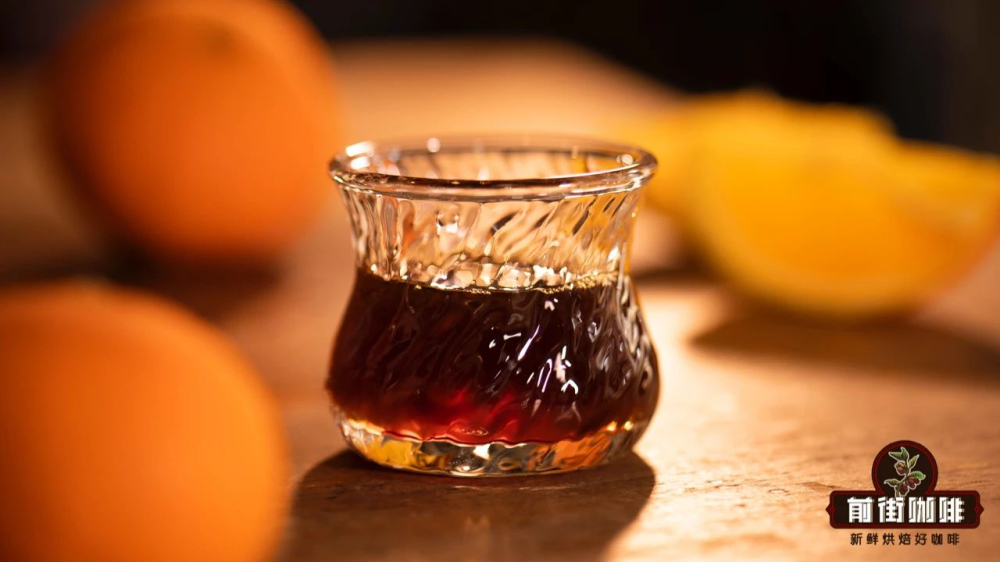
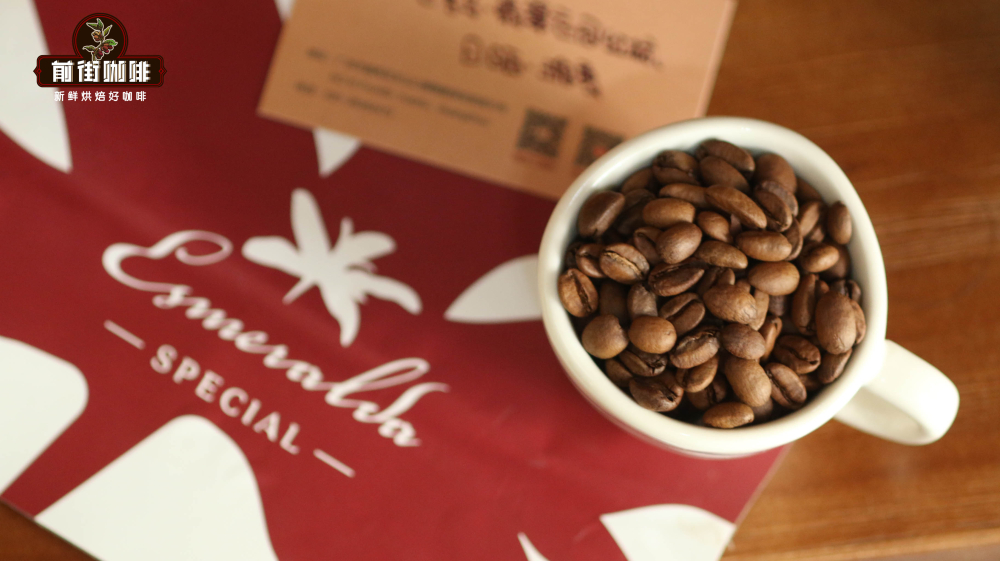
Hacienda La Esmeralda has a clear grading system for Geisha, with the most well-known being the Red Label and Green Label. The Red Label, also known as Esmeralda Special, uses Geisha beans grown at altitudes of 1600 to 1800 meters, typically scoring 90 points or higher in cupping tests. The growing regions are mainly concentrated in Jaramillo and Cañas Verdes. These beans are often entered into exclusive auctions, limited to specific plots, and processed using washed or natural methods. They exhibit highly distinctive citrus and floral aromas, representing the pinnacle of the Geisha variety.
The Green Label, also called Private Collection, though not part of the auction, also comes from high-altitude micro-lots, grown at elevations between 1600 and 1800 meters, including regions such as Jaramillo and Cañas Verdes. The Green Label beans are a blend from different plots, without specific origin labeling, so flavor may vary slightly between batches. Nevertheless, they retain the classic floral, fruity, and bright citrus acidity of Geisha, with a full and juicy body. The Green Label is also available in both washed and natural processing methods, making it suitable for coffee lovers who love the Geisha profile but have a more limited budget.
If you’d like to experience the charm of Geisha at a more affordable price, consider Panama Geisha Butterflower. This blended bean from the Boquete region combines 70% Geisha with 30% Caturra and Catuai. Though not purebred Geisha, thanks to the local microclimate and meticulous processing, it displays similar floral, citrus, and berry notes, along with a soft aftertaste. The Boquete area benefits from abundant rainfall, distinct day-night temperature variations, and fertile volcanic soil, resulting in Butterflower’s excellent body and flavor details—all at a relatively accessible price, making it a great entry point for exploring Geisha flavors.
When brewing Geisha, it is recommended to use a medium-fine grind, about as fine as granulated sugar, with grind size roughly corresponding to an 18–20 mesh sieve commonly used for pour over. For water temperature, aim for 90–93°C, which can fully highlight Geisha’s fruit acids and floral notes without over-extracting and causing bitterness. If using a natural (sun-dried) processed Geisha, you may slightly increase the water temperature to 93°C to bring out a richer sweetness; whereas washed Geisha is better extracted gently at 90–92°C to showcase its clear layers and clean finish.
During brewing, it is recommended to maintain a total coffee-to-water ratio between 1:15 and 1:16—for example, using 15 grams of coffee with 225–240 milliliters of water. Sectional extraction helps stabilize flavor expression. The first bloom can use about 30 grams of water and rest for 30 seconds, then gradually pour more water while maintaining a stable flow rate and spiral pouring path, which aids in even extraction. Additionally, Geisha is somewhat sensitive to water quality, so it is recommended to use filtered or soft water to avoid impurities affecting the purity of the flavor.
In summary, whether it’s the Red Label, Green Label, or the cost-effective Butterflower, all varieties of Geisha coffee showcase unique and captivating flavor profiles. The Red Label is ideal for coffee lovers seeking the ultimate experience, the Green Label offers similar flavors with more flexibility, and Butterflower makes the essence of Geisha accessible to more people at a friendly price. With the right grind size, water temperature, and brewing techniques, you can easily enjoy this internationally renowned specialty coffee at home.
The above content is compiled by CoffeeHunters, a coffee news website.


