







Introduction:An in-depth analysis of the unique aroma profile, flavor progression, and mouthfeel of the Ethiopian Yirgacheffe Chelbesa Aricha G1 coffee beans — from citrusy floral notes to a rich finish, broken down layer by layer. It also compares the effects of washed and natural processing methods, and contrasts with a well-known coffee brand’s classic Yirgacheffe offering, helping you find the specialty coffee that best suits your taste, whether you’re a beginner or an advanced connoisseur.
Yirgacheffe, one of Ethiopia’s most iconic specialty coffee regions, has long been beloved by coffee enthusiasts worldwide for its bright acidity, delicate floral notes, and diverse processing styles. This article provides a comprehensive breakdown of the highly representative Aricha G1 grade coffee beans from the Chelbesa micro-region, delving into its aroma characteristics, flavor expression, and mouthfeel profile, supplemented with visual illustrations to give you a more intuitive sense of its charm.
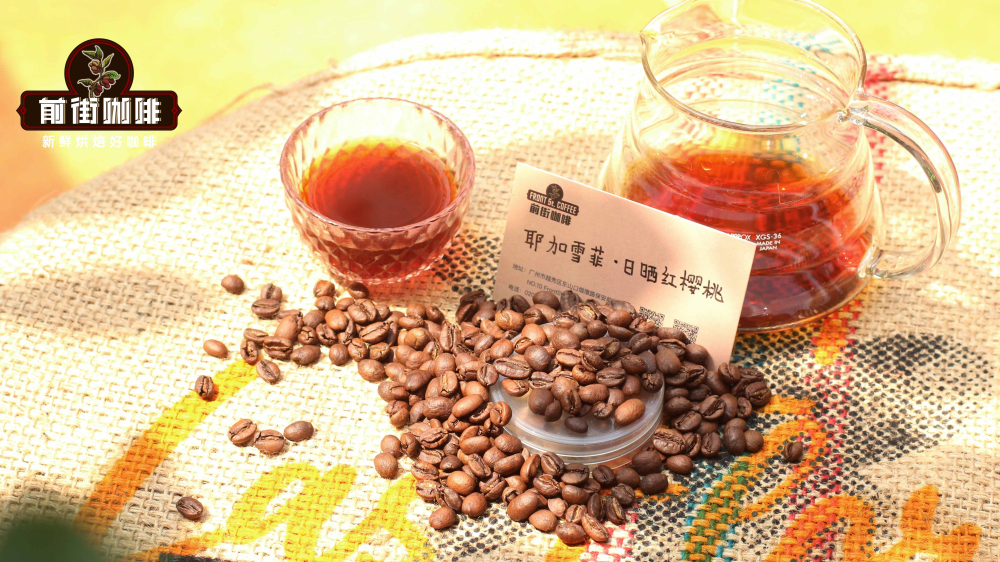
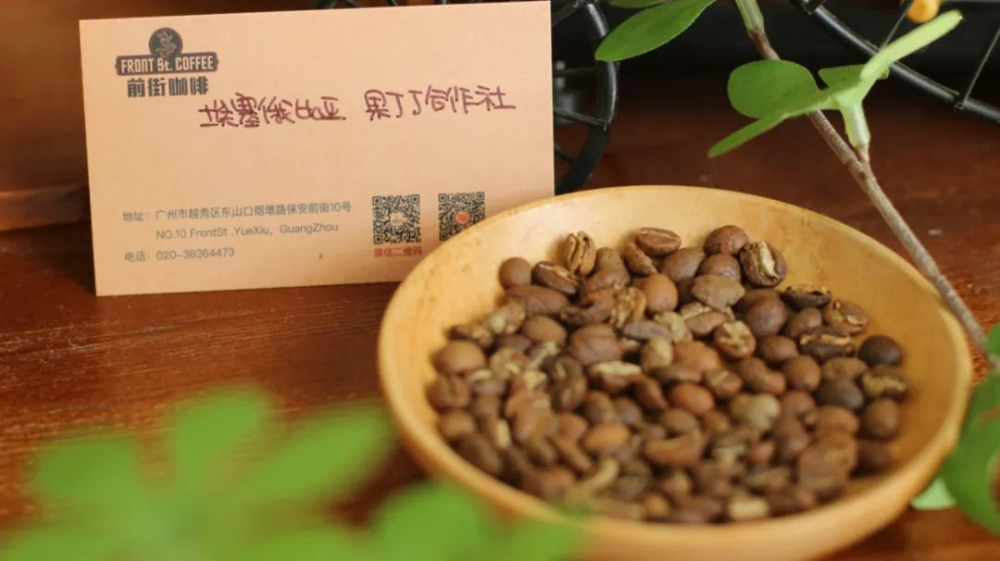
At the same time, we compare this coffee with two widely praised classic Yirgacheffe offerings from a well-known coffee brand: one is their naturally processed Red Cherry with fermented wine-like notes and a full body, and the other is their washed Guji Fruit Dingding Cooperative beans, known for their bright lemon acidity and black tea aftertaste. Moreover, we explain how the two main processing methods — washed and natural — profoundly shape the final flavor of the coffee.
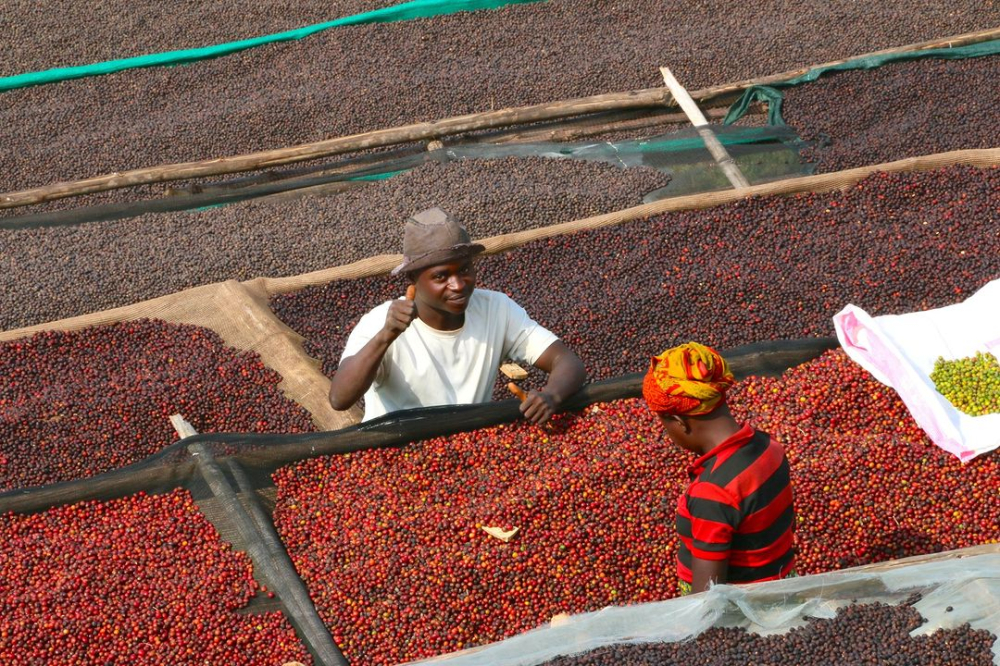
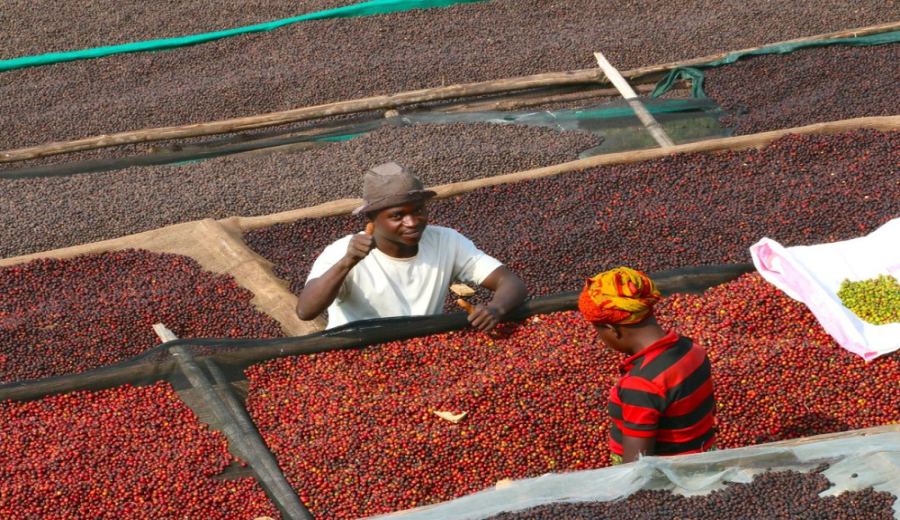
The term "Yirgacheffe" means "let us settle here in this wet and cool land" in the local language, and its name already reveals the region’s uniquely favorable geography. This producing area is located in the northwest of Ethiopia’s Sidamo region, characterized by mountainous terrain and a cool, humid climate, making it one of the highest-altitude coffee-growing areas in the country. The high elevation gives the beans bright acidity and complex aromatic layers. Coupled with the fact that most farmers grow coffee using traditional smallholder methods with limited yields per household, Yirgacheffe coffee boasts exceptional flavor purity and regional distinctiveness.
In fact, due to the uniqueness of Yirgacheffe’s flavor profile, many Ethiopian coffee farmers take pride in their beans having similar characteristics, which eventually led to the region separating from Sidamo and becoming its own designated producing area. It has quickly risen to become one of Africa’s most renowned specialty coffee origins. With the promotion of fair trade and refined processing, Yirgacheffe coffee has gradually become a top choice for many cafes and a gateway for many beginners to explore single-origin beans.
Yirgacheffe’s fame comes not only from its flavor but also from its diverse micro-regions and processing communities, including Idido, Harfusa, Hama, and Biloya near the Misty Valley. These areas mostly use washed processing, though some farmers experiment with natural methods to enhance fruity notes and body. These villages enjoy a pleasant climate, cool and foggy year-round, with moderate rainfall and good drainage, providing ideal growing conditions for coffee trees and creating their distinctive citrus, floral, and tea-like flavor profiles.
When it comes to Yirgacheffe’s flavor, many describe it as “like a garden in bloom,” referring not only to its floral aromas but also to the silky body on the palate, along with delicate sweetness and lingering aftertaste. In recent years, numerous coffee researchers have focused on exploring the region’s microclimates, soil composition, and altitude to uncover the key factors shaping specialty coffee flavors, making Yirgacheffe an important subject in flavor science research.
Yirgacheffe coffee beans are mainly divided into two categories based on processing method: washed and natural. Among them, washed processing is one of the mainstream techniques in Ethiopian specialty coffee. According to the grading system of the Specialty Coffee Association of America (SCAA), G1 is the highest grade, with lower numbers indicating higher quality. In the washed process, coffee cherries are stripped of their skin and pulp through water flow, leaving only the seeds to dry, resulting in cleaner beans, brighter and clearer acidity, and more consistent and stable flavors.
Lightly roasted washed Yirgacheffe highlights its tropical fruit characteristics, often featuring pronounced acidity reminiscent of apples or lemons. It tastes fresh with low bitterness and aromatic richness, making it highly suitable for consumers just beginning to explore single-origin coffee. This processing method preserves the fruit essence of coffee, maintaining a balanced fruity acidity and sweetness even after high-temperature roasting — one of the reasons why Yirgacheffe remains so popular.
In contrast, the natural process enhances the fruitiness and body of the coffee. Some Yirgacheffe smallholders choose to sun-dry whole coffee cherries with their husks intact, allowing the sugars and flavor compounds in the pulp to penetrate the seeds, resulting in intense wine-like aromas and honey-like sweetness. This method typically yields coffee with richer layers and a heavier body, ideal for coffee lovers who enjoy bold flavors and complex profiles.
Overall, the Aricha G1 coffee beans from the Chelbesa micro-region of Yirgacheffe demonstrate exceptionally high flavor potential whether processed via washed or natural methods. From citrus and floral notes to honey-like sweetness and black tea finishes, every sip is full of surprises. Whether you’re new to the world of specialty coffee or an experienced enthusiast seeking regional character, understanding the traits of these beans can help you find your ideal brewing method and flavor preference, elevating your overall coffee experience.
The above content is compiled by CoffeeHunters, a coffee news website.


