







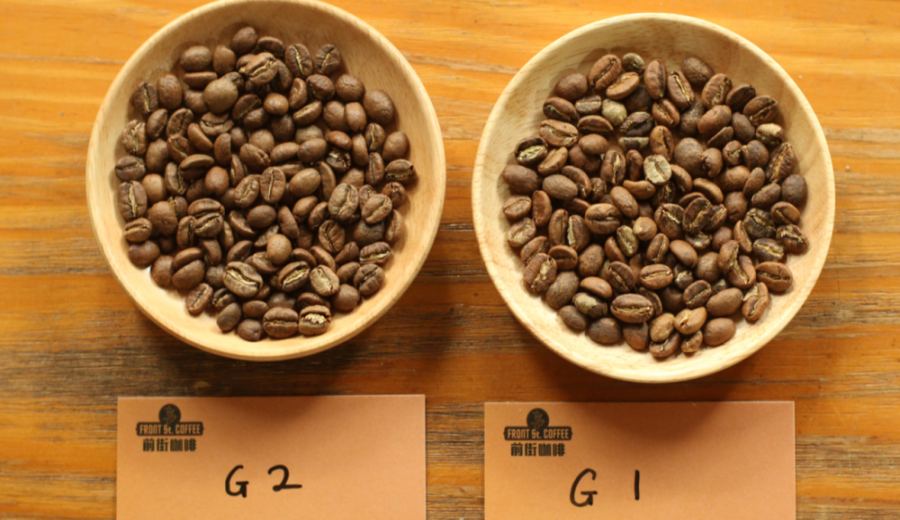
Introduction:Ethiopian Yirgacheffe coffee beans are renowned for their distinctive citrus notes, but how do the differences between G1 and G2 grades, as well as washed and natural processing methods, affect the flavor? This article delves into the grading system of Ethiopia’s native coffee varieties, compares the characteristics of different processing methods, and offers practical tasting advice to help coffee enthusiasts choose the bean variety that best suits their preferences.
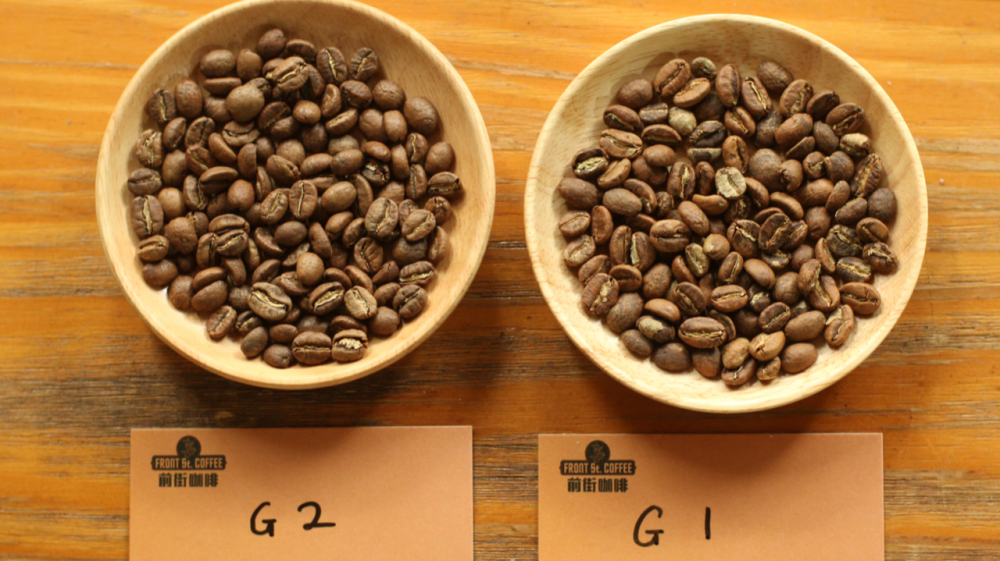
Yirgacheffe in Ethiopia is considered one of the global benchmarks of specialty coffee, yet many consumers often feel puzzled by the distinction between G1 and G2 grades. In fact, this grading system originates from the variety characteristics and defect rate standards of local coffee beans, rather than mere differences in origin or brand. Understanding these grading and processing distinctions can help you select coffee with the flavor profile you expect more accurately.
As the birthplace of coffee, Ethiopia is home to over 10,000 uncategorized native varieties. These coffee trees, collectively referred to as “Heirloom native varieties,” contribute to the rich and diverse flavor potential of Yirgacheffe. Due to the vast number of varieties and the fact that most have not undergone genetic identification, the region instead uses defect rates as the basis for grading to ensure consistent export quality.
Before the establishment of the ECX (Ethiopian Commodity Exchange), coffee grades were assessed by the CLU department under the Ministry of Agriculture, primarily by counting the number of defective beans in 300 grams of green coffee. Generally, washed beans mostly fall within the G1 to G2 grades, while early natural processed beans, due to technical limitations, often ranked between G3 and G5. However, with advancements in natural processing techniques, there are now natural Yirgacheffe beans that meet G1 standards. The division between specialty and commercial grades is based on a combination of physical characteristics (40%) and cupping flavor (60%).
The Yirgacheffe producing region is located at high altitudes of around 2,000 meters in Ethiopia. Originally part of Sidamo, it became independent due to its unique flavor profile. The area is home to over 40 family-run cooperatives, including well-known micro-regions such as Kochere and Guji. Each micro-region, due to variations in microclimate and processing techniques, can exhibit distinctly different flavor profiles even within Yirgacheffe — for example, Gedeb is known for its berry-forward notes, while certain batches may display distinct tea-like aromas.
The evolution of processing methods in Yirgacheffe is also a key factor in the development of its flavor. After the introduction of washed processing techniques from Central and South America in 1972, the region’s citrus and lemon aromas became more pronounced, establishing its reputation as a representative of specialty coffee. However, since the 21st century, innovations in natural processing techniques have brought renewed attention to this traditional craft — by precisely controlling fermentation and drying processes, natural beans can showcase richer fruitiness and wine-like qualities. For instance, natural lots under the Red Cherry Project are celebrated for their sweetness and layered fermentation complexity.
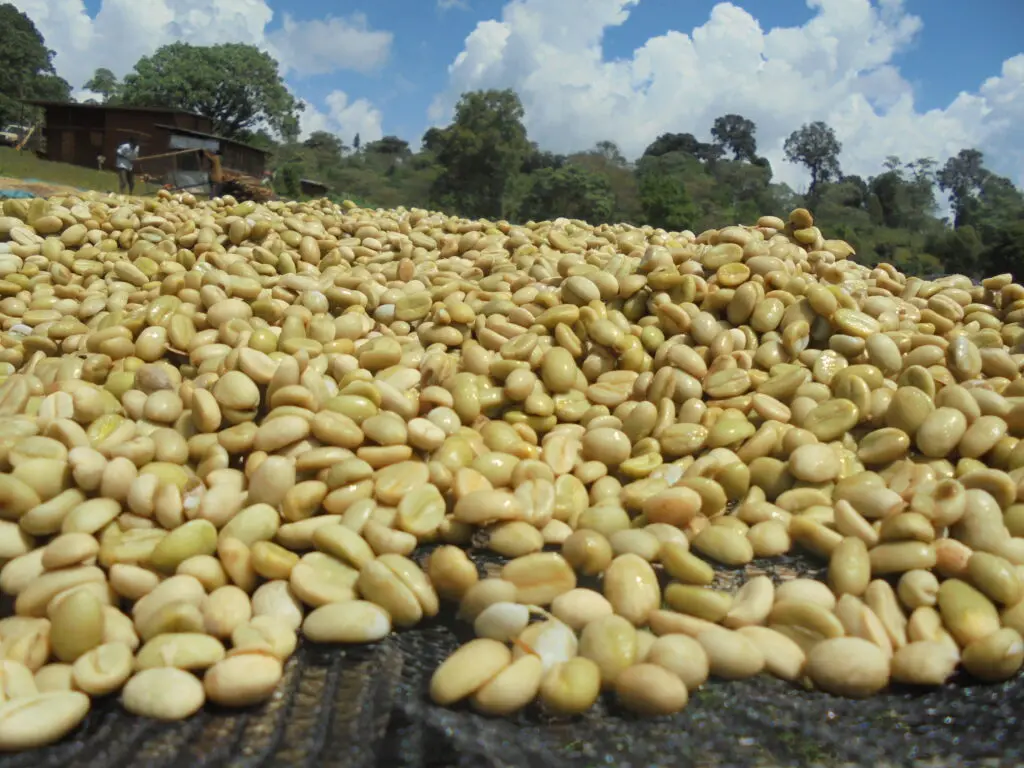
The characteristic of natural processing lies in preserving the inherent flavors of the coffee cherry’s flesh. This low-equipment method only requires consecutive sunny days to execute, but takes 27 to 30 days. Due to prolonged sun exposure, the beans may appear less uniform in shape, and the flavors tend to be bolder, often featuring wine-like notes, sweetness, and complex layers. In contrast, washed processing, which involves removing the pulp and fermenting in tanks, results in a cleaner and crisper acidity along with fruitiness, offering a brighter taste and lower body — making it an ideal choice for experiencing the foundational flavors of the region.
During actual cupping, you can start by observing the following differences: washed beans have visible silverskin and a greenish hue, with flavors dominated by clear acidic notes such as lemon and berries; natural beans exhibit a yellow-green color and a smooth surface, often presenting berry, honey, and fermented wine-like notes. For example, Yirgacheffe natural Red Cherry is characterized by its berry and strawberry aromas, while the washed Gedeb from the same region showcases a softer profile of tropical fruits and honey.

To explore further, you can try representative beans of different processing methods: the natural Red Cherry is handpicked from fully ripe cherries, with prominent fermentation flavors; the washed Kochere is highly rated for its jasmine floral notes and molasses-like tones, suiting those who prefer clean acidity. Additionally, the red honey-processed Yirgacheffe Red Honey Red Cherry, which retains 75% of the fruit mucilage, combines the sweetness of natural processing with the clarity of washed processing, delivering a wine-like layered fermentation profile.
Whether you’re a beginner or a seasoned coffee enthusiast, understanding the grading logic of G1 and G2, as well as the technical differences between washed and natural processing, will allow you to more deeply appreciate the unique charm that this highland imparts to its coffee when tasting Yirgacheffe. From the freshness of citrus notes to the richness of berry and wine-like aromas, the coffee story of this land is waiting for you to explore firsthand.
The above content is compiled by CoffeeHunters, a coffee news website.


