







Introduction:When selecting specialty Arabica coffee beans, the abundance of origin options and roast levels can be overwhelming. This article breaks down the flavor profiles of major coffee-producing regions, covering classic origins such as Brazil, Colombia, and Ethiopia, along with their representative flavor characteristics. It also analyzes how acidity, sweetness, bitterness, and body balance shift with different roast levels, and finally provides practical tips for assessing bean freshness—helping beginners master the key factors in coffee selection.
For those just beginning to explore the world of specialty coffee, the wide variety of available Arabica beans can make choosing difficult. In reality, the charm of Arabica lies in how its flavor is shaped by multiple factors—origin, altitude, climate, variety, and processing method—resulting in rich and diverse regional profiles. This article will guide you from understanding regional flavor profiles, gradually introducing the coffee characteristics of major producing areas such as Brazil, Colombia, Ethiopia, Kenya, Rwanda, Indonesia, and China, accompanied by corresponding flavor descriptions to build your foundational knowledge. We’ll then delve into how roast levels affect a coffee’s overall expression, helping you find the type that best suits your personal taste preferences. Finally, we’ll teach you how to judge bean freshness by checking roast dates, ensuring you enjoy the optimal aroma and flavor.
The allure of Arabica coffee lies precisely in its ability to present complex and varied flavor layers. From growing altitude and climate conditions to varietal differences and processing methods, each factor contributes unique regional traits that influence the final cup profile. That’s why many newcomers to specialty coffee often ask: with so many Arabica options, how do you choose the one that’s right for you? In the following sections, we’ll start with regional flavors and guide you step-by-step toward a deeper understanding.
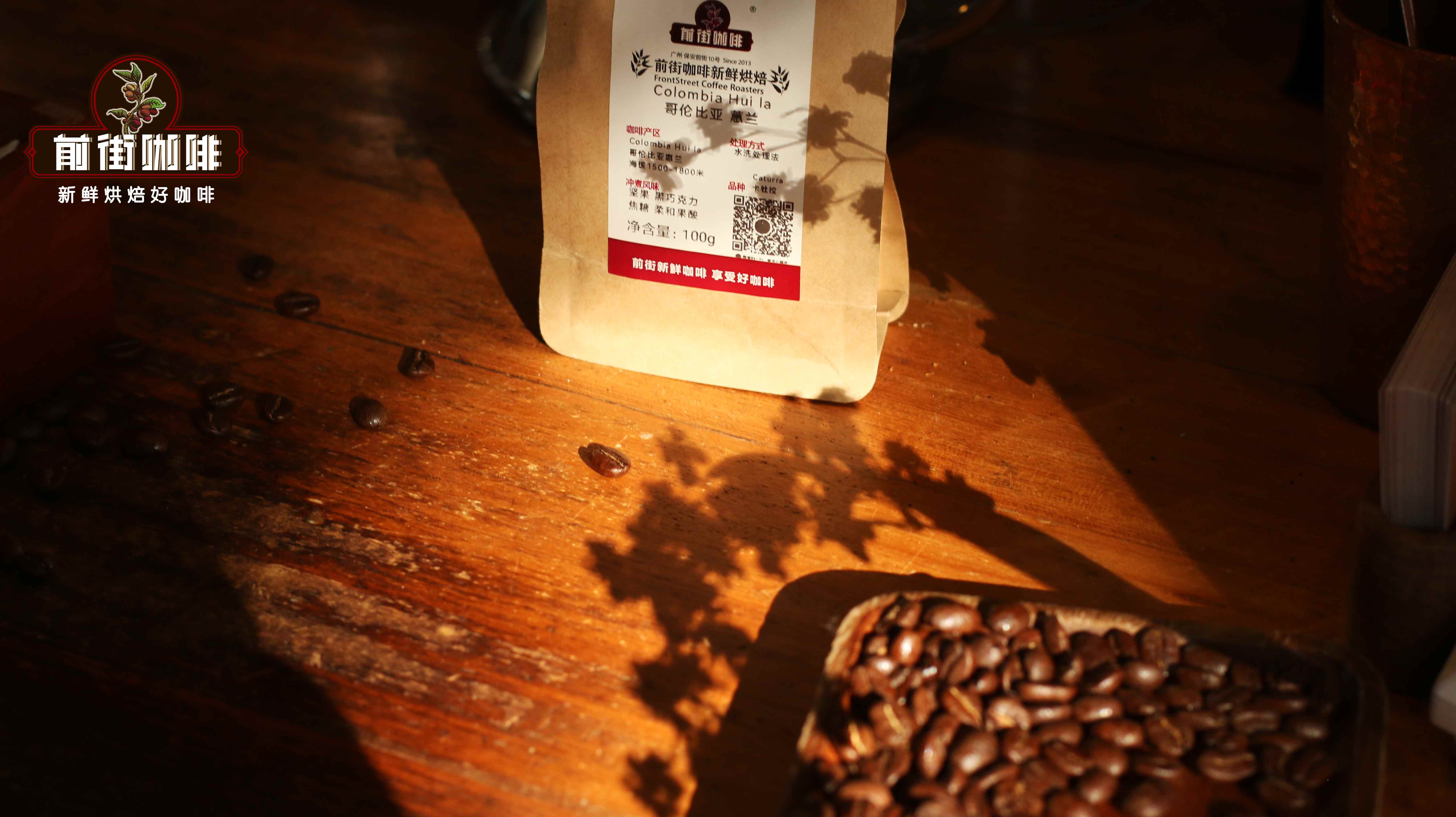
First, getting to know specialty coffee by origin is one of the most intuitive approaches. As a globally significant coffee producer, Brazil’s beans typically feature a round mouthfeel, medium acidity, and pronounced sweetness, delivering a smooth overall profile. They’re not only common bases for blends but also excellent for single-origin enjoyment—try the region’s Cerrado coffee. Colombian Huila coffee, meanwhile, is known for its consistent quality, offering a heavier body with distinctive bold aromas. Its bright acidity balanced by low bitterness varies in complexity depending on roast level, making it well worth savoring.
Ethiopian coffee is renowned for its rich floral and fruity notes. The recommended Huikuai coffee delivers a refreshing, sweet-acidic profile blending floral and fruit flavors with almost no bitterness—a clean, vibrant cup ideal for single-origin enjoyment. Kenya’s “Little Tomato” coffee, on the other hand, boasts a distinct tomato-like aroma with flavors reminiscent of black plum, Asian pear, cherry tomatoes, and dark plums. It features bright acidity and high body, perfect for drinkers who enjoy juice-like coffee profiles.
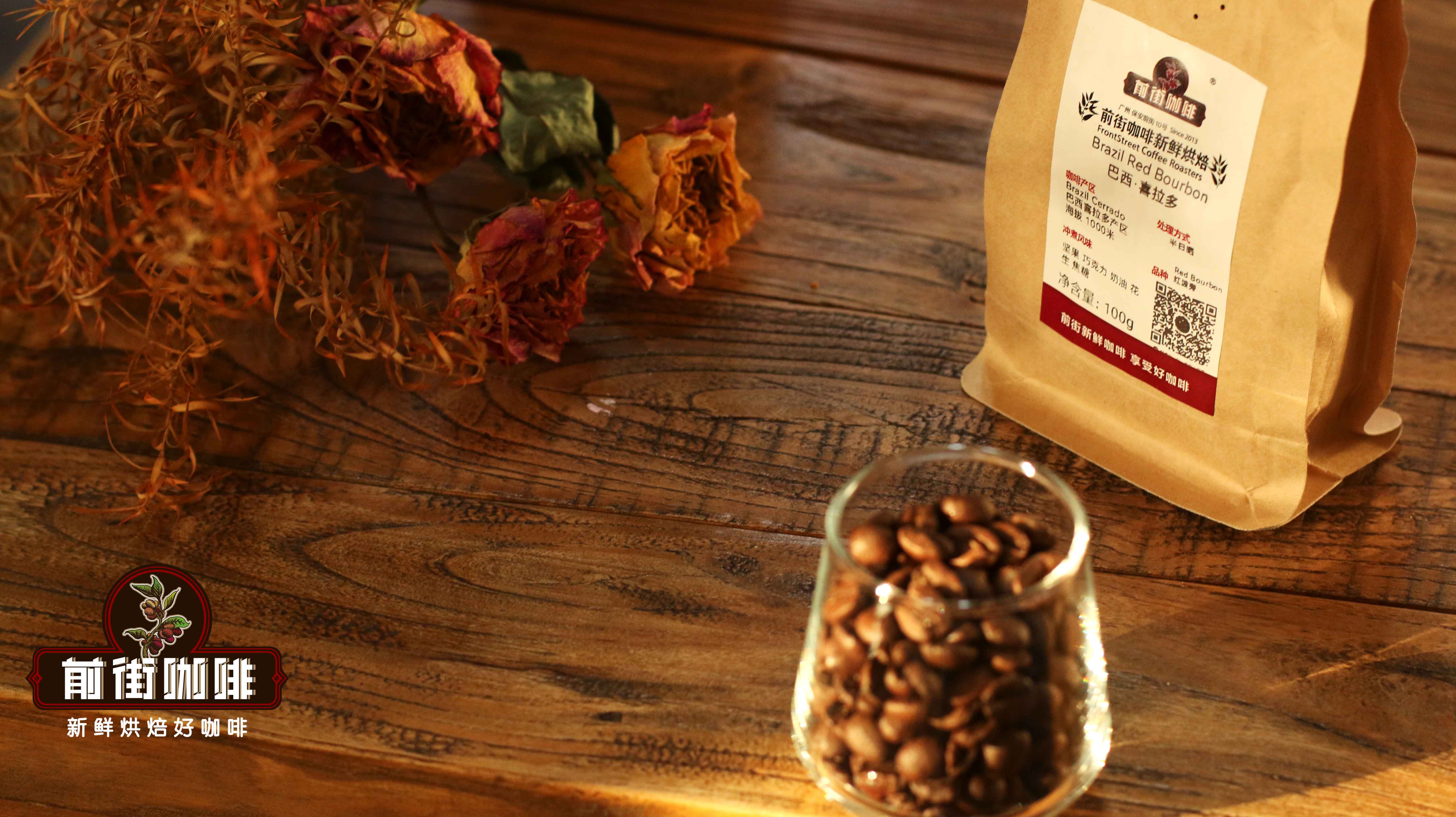
Rwanda’s Red Bourbon coffee charms with its captivating citrusy sweetness and bright acidity, accompanied by berry and apple notes. The mid-palate reveals a honey-like sweetness, with excellent overall balance and a finish of almond and chocolate undertones—a finely balanced specialty coffee. Indonesia’s Mandheling coffee stands out for its unique herbal and spicy character. When dark-roasted, its profile transforms into a rich, bold cup of caramel, pine, and dark chocolate, ideal for those who prefer intense flavors.
China’s Yunnan small-bean coffee also deserves attention, primarily showcasing nutty, chocolatey, and brown sugar notes. It offers a rich yet non-bitter aroma, with a balanced mouthfeel and subtle tea-like qualities—one of the more noteworthy specialty coffees gaining attention in recent years. Through these regional flavor introductions, you can gain a preliminary grasp of the personalities of coffees from different origins, providing clear direction for your future selections.
Once you’ve grasped the basics of major regional flavors, you can further refine your choices based on roast level to match your taste preferences. Generally, the darker the roast, the richer and more intense the coffee’s flavor becomes, with stronger body—but this also amplifies bitterness and sweetness. Common flavor notes include dark chocolate, nuts, butter, and caramel. Dark roasts are well-suited for brewing methods like pour over, espresso, moka pot, or American drip, with examples like dark-roast Mandheling or classic blends being particularly popular.
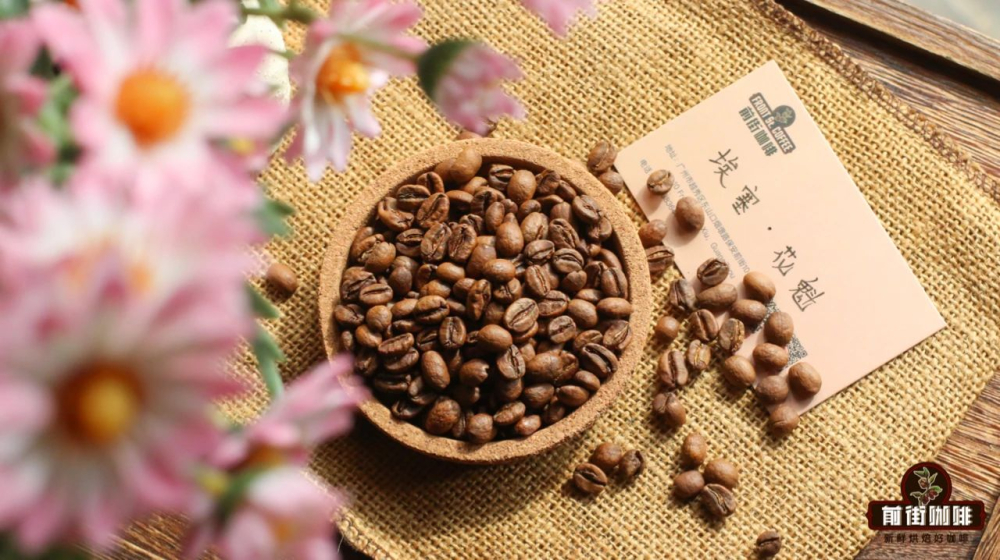
Conversely, lighter roasts highlight brighter acidity with milder bitterness, resulting in a lighter-bodied cup often infused with fresh floral, citrus, berry, or tropical fruit aromas. Pour over, cold brew, or drip coffee makers are recommended for these beans—for instance, washed-process coffees like Gu Ding Ding or Hua Die Die showcase their delicate nuances exceptionally well. Medium roasts strike a balance between the two, offering harmonious acidity and bitterness while typically retaining both fruity-floral and nutty characteristics. Whether brewed via pour over, cold brew, espresso, or moka pot, they showcase versatile profiles. Strawbery Sugar, Paradise Bird, and Mozart are all excellent choices.
Finally, don’t overlook checking the roast date—this is key to ensuring coffee freshness and aroma. Freshly roasted beans contain the most vibrant flavor compounds, but over time, moisture and carbon dioxide dissipate, diminishing their aroma. It’s generally best to opt for whole beans rather than pre-ground coffee and consume them within 45 days of roasting for the optimal experience. Beans from this region are shipped within 5 days of roasting, with the roast date clearly labeled on the packaging to ensure you have ample time to enjoy their peak freshness after receipt.
The above content is compiled by CoffeeHunters, a coffee news website.


