







Introduction:Robusta coffee powder is often intimidating due to its intense bitterness and strong astringency, but its high caffeine content and rich crema can actually deliver unique flavors. This article delves into the characteristics of Robusta, compares it with Arabica, shares classic blending philosophies, and guides you step-by-step in using a Vietnamese drip filter to brew a bold, smoky classic Vietnamese coffee—easy enough for beginners to master.
Robusta coffee beans are known for their strong bitterness and high caffeine levels, leaving many unsure how to brew them once they have the powder on hand. With the right blending approach or brewing technique, this type of coffee can also reveal a captivating side. This article starts by exploring variety traits and flavor profiles, comparing Robusta with Arabica, introduces the design logic behind classic blends, and provides a detailed walkthrough of operating a Vietnamese drip filter—teaching you how to brew a thick, rich Vietnamese-style coffee at home that pairs perfectly with sweetened condensed milk.
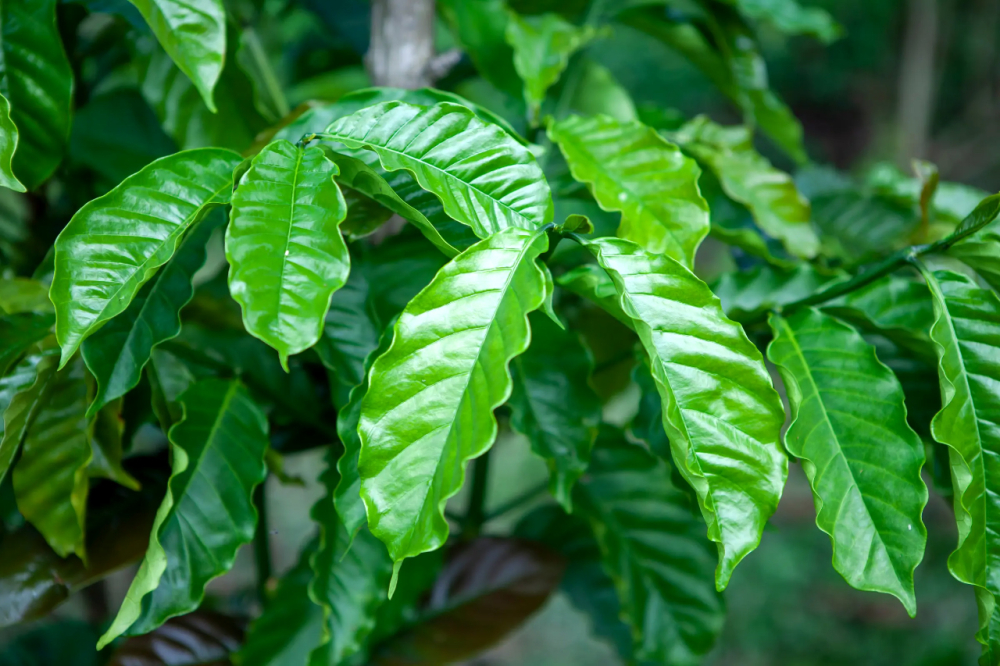
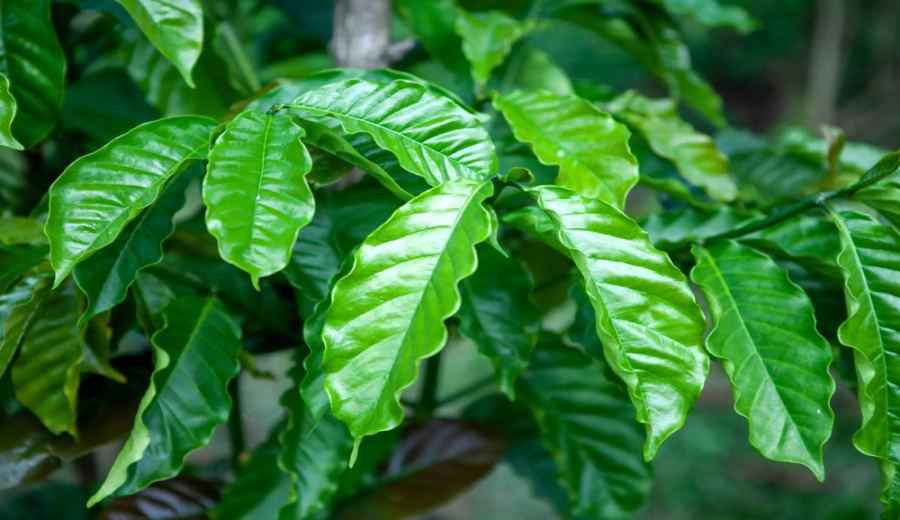
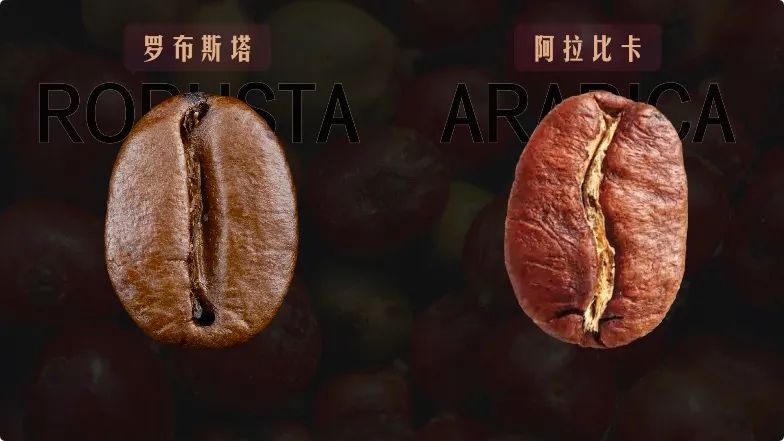
In plant classification, Robusta is also referred to as the large-leaf variety, large-fruit coffee, or large-bean coffee. This coffee tree is an intermediate form between a shrub and a tree, featuring slender, bright green leaves, and a theoretical height of up to ten meters, though its root system is relatively shallow. Its fruit shape is more rounded than that of Arabica, with smaller individual size, and the bean itself is flat and oval-shaped, with a straight “one”-shaped central indentation line—contrasting with the common curved “S”-shaped groove found in Arabica beans.
The advantages of growing Robusta are clear: fast growth, strong resistance to pests and diseases, adaptability to low altitudes and high temperatures, along with overall excellent hardiness. However, these benefits come with noticeable flavor challenges—especially lower-altitude, ordinary-quality Robusta beans, which often carry off-flavors like earthiness and rubberiness, intense bitterness, and a higher threshold for solo enjoyment.
That said, specialty-grade Robusta does exist. These beans are usually grown at mid-altitudes around 1200 meters, with strict controls over cultivation, harvesting, and post-processing, yielding flavor notes such as walnut, peanut, hazelnut, and even grain-like aromas, which can be surprisingly pleasant. Even so, the inherently bold nature of Robusta may still jolt the senses, and drinking it straight can be off-putting due to overwhelming bitterness and astringency.
Blending a small amount of Robusta with Arabica is a common method to balance flavors. Robusta’s high caffeine and rich crema enhance overall body without overly amplifying its drawbacks. Especially in contexts where coffee richness and thick mouthfeel are desired, this blending strategy is widely adopted.
Looking back at history, during the early popularity of Italian espresso, Robusta was often included in blends due to its high caffeine content and suitability for crema extraction. As consumer preferences shifted toward flavor complexity and smoother textures, blending ratios and bean selection standards were adjusted accordingly. Based on this background, two classic blends have been developed: the Classic Blend and the Commercial Blend.
The Classic Blend combines Brazil, Mandheling, and Robusta, delivering rich nutty aromas, toasty bread notes, a full-bodied texture, and abundant crema, making it extremely beginner-friendly for brewing. This medium-dark roasted espresso recipe draws inspiration from the classic “Mandheling-Brazil” combination, ideal for those practicing latte art. The synergistic effect of the three regional beans results in a balanced and layered overall profile.
So, how should the commonly available Robusta coffee powder on the market be consumed? Since most Robusta powders are of standard quality, direct brewing often highlights the bitterness. Below is a practical brewing method using a Vietnamese drip filter (conveniently available online at affordable prices), guiding you to make a classic Vietnamese-style coffee.
First, prepare a Vietnamese drip filter, open the filter’s pressing plate, add an appropriate amount of Robusta coffee powder, and gently level it, then reattach and secure the pressing plate. Next, pour an appropriate amount of sweetened condensed milk into a heat-resistant glass as the base. Finally, pour hot water over the coffee powder layer to bloom, allowing the coffee to fully absorb the moisture, let it sit for about 20 seconds, then slowly pour hot water at approximately a 1:10 coffee-to-water ratio, and wait for the coffee to drip through.
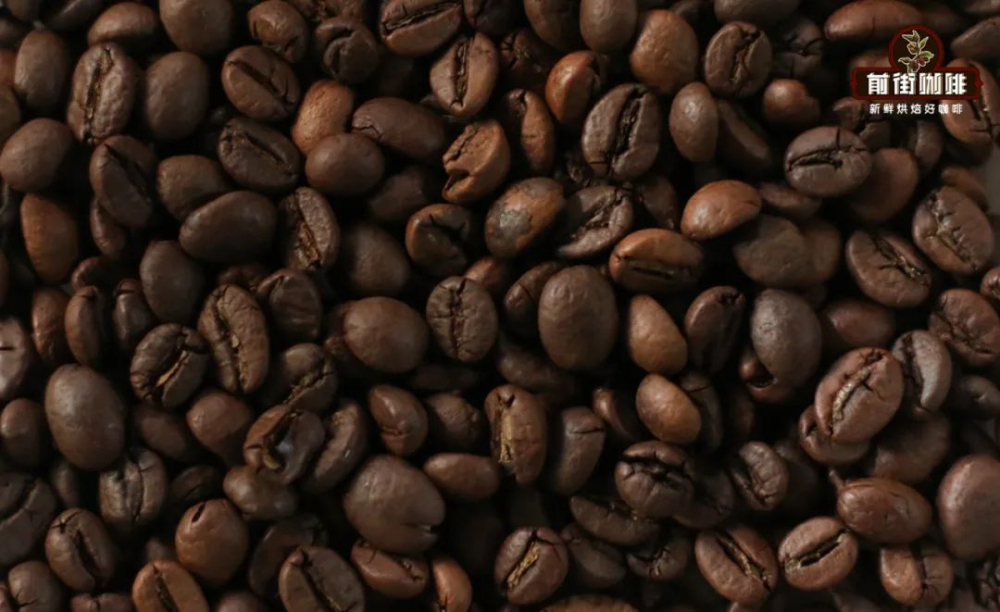
The resulting black coffee is highly concentrated, with a granular mouthfeel, distinct bitterness and sweetness, while retaining some crema, showcasing bold, smoky characteristics. When this coffee is mixed with condensed milk, the sweetness instantly transforms into a smooth aroma, forming a unique Vietnamese coffee flavor—rich yet gentle, a classic combination beloved by many coffee enthusiasts.
The above content is compiled by CoffeeHunters, a coffee news website.


