







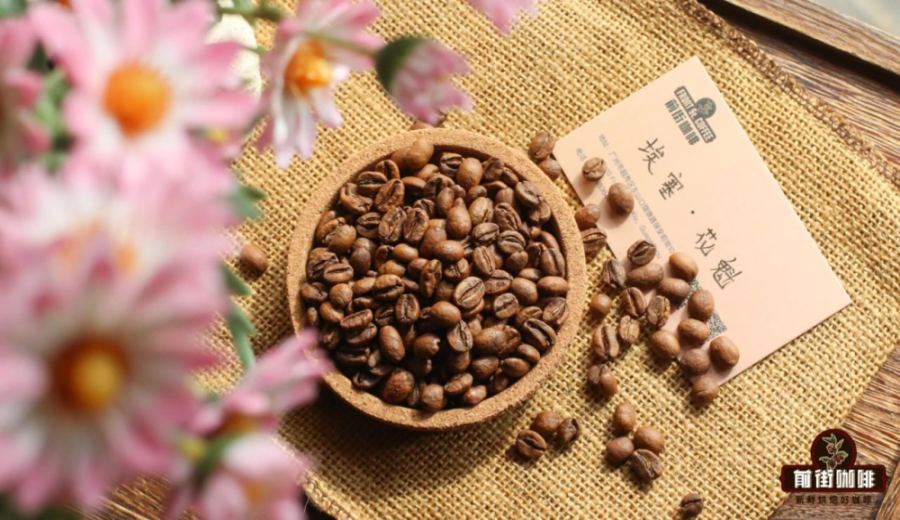
Introduction:The Hua Kui coffee beans originate from the Guji Hambela region of Ethiopia, celebrated for their exceptional floral and fruity notes along with a bright, crisp acidity. This article will delve into practical brewing recommendations for this bean under both medium-light and medium roasts, whether used for pour over or SOE (Single Origin Espresso). It includes details on coffee-to-water ratio, water temperature, grind size, and specific steps, while analyzing the unique flavor profiles presented by each brewing method to help you find the drinking style that best suits your taste.
The Hua Kui coffee beans, with the English product name Ethiopia Guji Hambela Buku Abel, were first introduced and named by domestic green bean merchants. The naming intention was to position it as a strong contender in the market against the well-known Geisha variety. These beans from the Guji Hambela region in southern Ethiopia boast pronounced floral and fruity aromas with a refreshing juice-like quality, offering exceptional drinking value whether brewed via pour over or espresso.
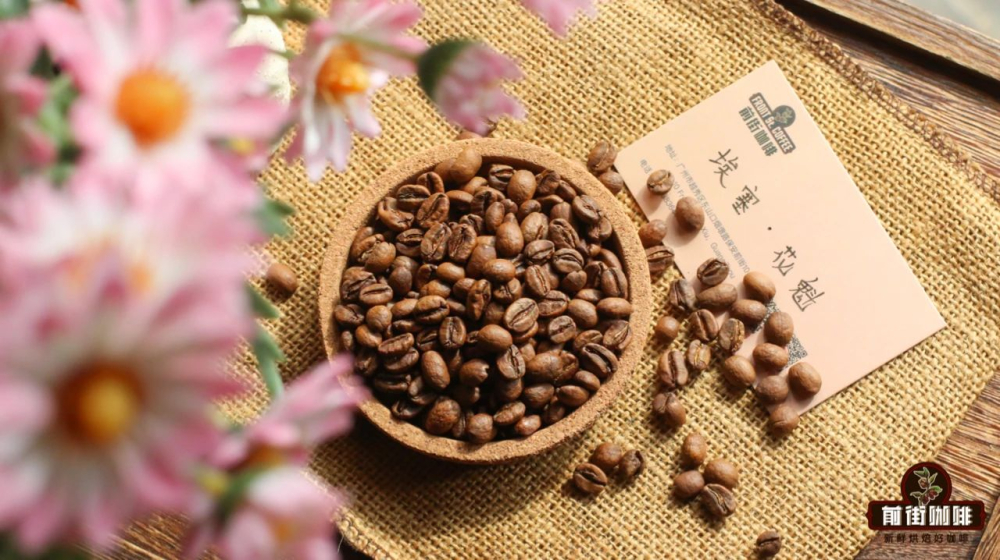
The roaster offers two roast levels: medium-light and medium. The medium-light roast version is particularly suitable for pour over, French press, and cold brew methods, fully showcasing its delicate floral notes and vibrant fruit acidity. In contrast, the medium roast version is better suited for use in espresso machines or moka pots, crafting a rich and balanced SOE (Single Origin Espresso) coffee.
【Pour Over Parameters and Steps for Hua Kui Coffee Beans】
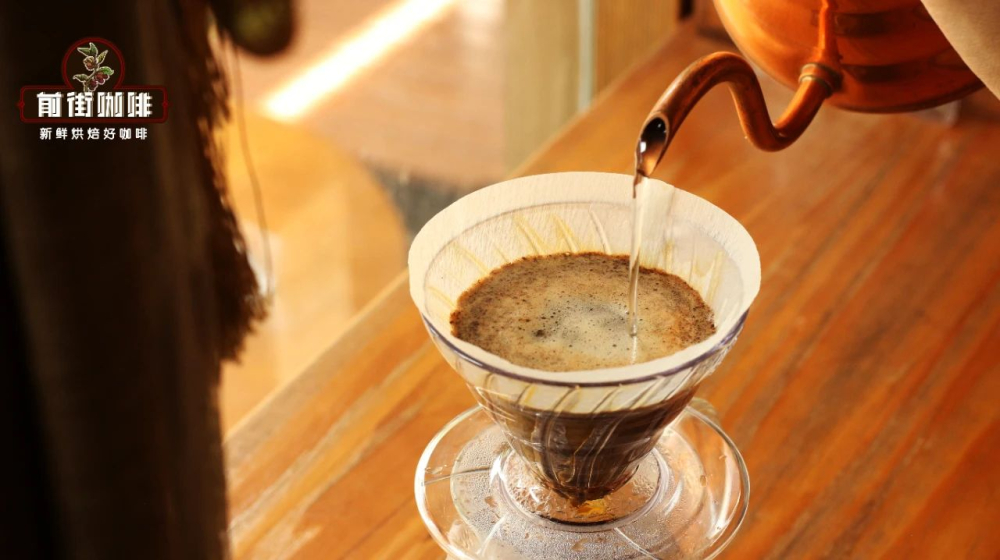
If choosing the pour over method for the medium-light roasted Hua Kui, it is recommended to use a V60 dripper, with water temperature controlled at 91-92°C, 15 gramsof coffee, and a 1:15 coffee-to-water ratio(i.e., total water volume of about 225 grams) for extraction. The grind size is suggested to be adjusted to approximately the fineness of granulated sugar, achieving a uniformity where about 80% of the fines can pass through a #20 sieve.
It is recommended to use the classic three-pour method: start with 30 grams of waterfor a 30-second bloom, pouring slowly in circles to allow the coffee grounds to fully expand. Then pour 95 grams of water, and when the water level drops to about half the coffee bed, pour the final 100 grams of wateruntil the dripping is complete. Throughout the process, it is advised to start pouring from the center of the dripper and gently circle with a fine stream to avoid over-agitation, which could lead to over-extraction or release of unwanted particles.
After dripping is complete, gently swirl the coffee in the cup and start tasting from a high temperature, gradually experiencing the layered changes as it cools—including bright berry, passion fruit, and mango-like fruity notes, as well as a soft black tea tone in the finish.
【SOE Hua Kui Espresso Parameters and Applications】
For those who prefer espresso or milk-based coffee, the medium-roast Hua Kui also performs excellently. This version is suitable for use in espresso machines, moka pots, and similar equipment, delivering a richer and more full-bodied taste while retaining the distinctive citrus and floral foundation typical of Ethiopian beans.
The recommended SOE espresso extraction parameters are as follows: use 20 grams of coffee grounds, aiming to extract 40 grams of espresso,with a 1:2 coffee-to-espresso ratio, and extraction time controlled between 26~32 seconds. The grind setting is suggested to be around 2.0 on a Galileo grinder, though actual fineness may need fine-tuning based on machine conditions.
Before extraction, ensure the portafilter basket is clean and free of old coffee grounds, and use a distribution tool to evenly spread the coffee grounds. Then tamp vertically with a tamper to ensure consistent puck density. It’s advisable to run a 1–2 second pre-infusion to wet the group head, which helps stabilize flow rate and extraction consistency.
After attaching the portafilter to the group head, begin extraction and observe the flow rate and color changes of the espresso. When the output reaches 40 grams , typically taking about 30 seconds, you will have a well-balanced SOE espresso.
This SOE espresso can be customized to your preference as an Americano or latte: adding 1:4 ratio of cold or room-temperature waterwill yield a refreshing SOE Americano with bright acidity and sweetness; or mixing with 1:6 ratio of freshly steamed milkwill create a smooth SOE latte with balanced milk and coffee flavors, ideal for those who prefer less bitterness.
Whether you choose the pour over or espresso method, Hua Kui coffee beans showcase the distinctive floral and fruity characteristics and clear layers inherent to Ethiopian highland coffee. With the right extraction parameters and attention to detail, you can fully experience its unique flavor charm.
The above content is compiled by CoffeeHunters, a coffee news website.


