








Introduction:Want to understand why Yirgacheffe coffee has such unique flavors? This article delves into the development history of Ethiopia’s Yirgacheffe region, analyzes the background of its separation from Sidamo, and focuses on two representative initiatives—the Guji Dingding Cooperative and the Red Cherry Project. From origin stories and processing methods to actual cupping profiles, it takes you on a comprehensive journey through the essence of this high-altitude coffee haven. It also provides practical pour over recommendations and parameters to help you better grasp the charm of Yirgacheffe.
Yirgacheffe in Ethiopia has long been a dream origin for specialty coffee enthusiasts. This coffee homeland, nestled in a high-altitude region, is renowned worldwide for its bright and crisp acidity and rich floral and fruity notes. Among the many outstanding producers, the Guji Dingding Cooperative and the Red Cherry Project stand out particularly, representing models of traditional craftsmanship and a revolution in quality. This article will start with the evolution of the region and take you behind the stories of these two, understanding how they have shaped unforgettable coffee flavors.
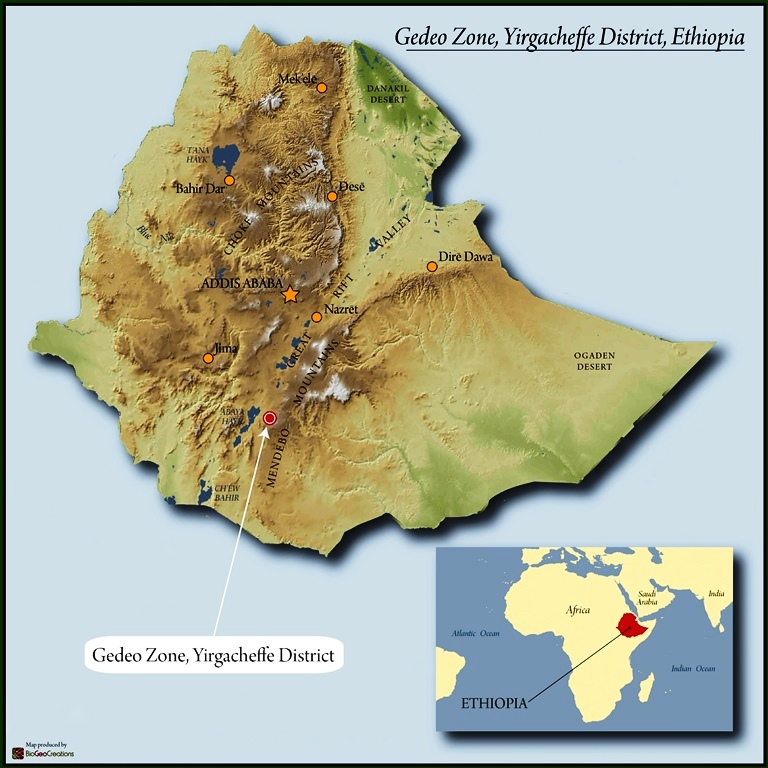
Yirgacheffe was originally just a sub-region under the Sidamo region, but because of its distinctive flavor profile—particularly that unique combination of lemon, floral, and honey notes—it gradually stood out. As the world’s pursuit of coffee details grew, local producers proudly regarded the “Yirgacheffe taste” as a symbol of quality, eventually earning an independent status in coffee classification. This shift was not just an update in geographical naming, but also represented a deep understanding of terroir and processing methods.
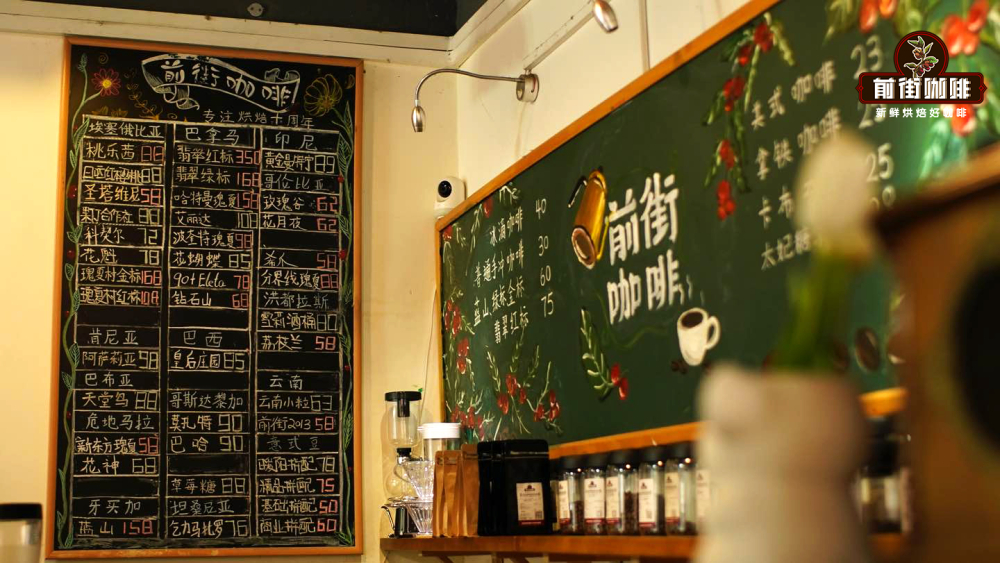
Flipping through any professional coffee bean menu, it’s easy to find Yirgacheffe frequently featured in curated recommendations. This region is home to dozens of small cooperatives, among which the rise of the Guji Dingding Cooperative is particularly significant. Originally part of the Worka Cooperative, it later became independent in 2012 in pursuit of more precise traceability and consistent quality. Located in the southeastern part of Yirgacheffe and comprising about 300 farmer members, Guji Dingding primarily uses the washed processing method, showcasing delicate berry and citrus notes.
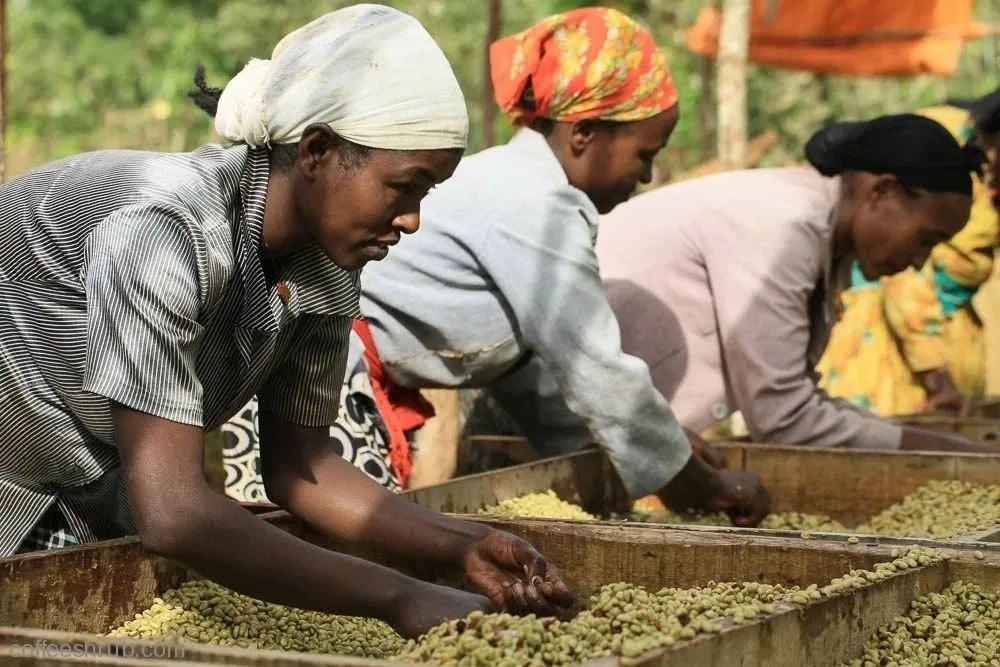
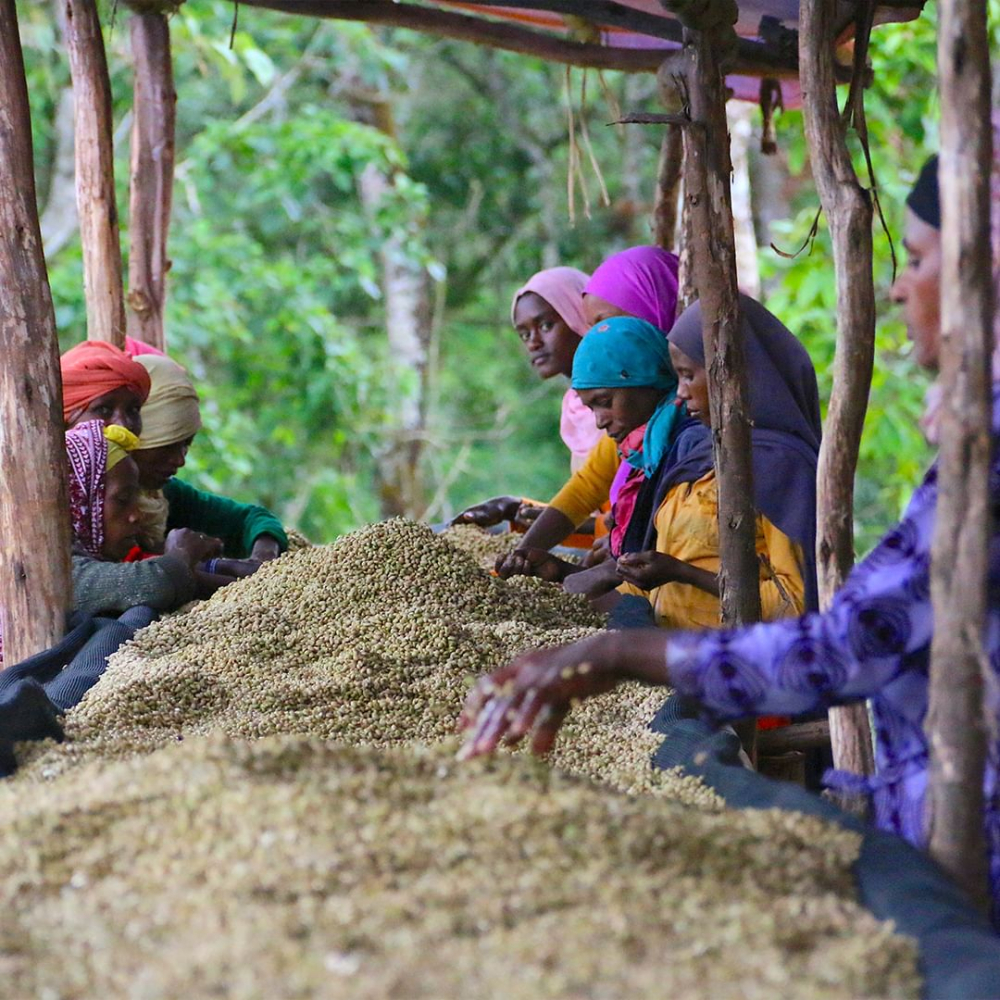
The Guji Dingding Cooperative follows a traditional washed processing procedure: first removing the skin and pulp of the cherry, then fermenting the mucilage-covered beans in tanks for 18 to 36 hours depending on weather conditions. After fermentation, the beans are washed through channels to remove impurities and lower-quality beans, then dried on African beds for about 14 days. Finally, they undergo strict hulling, color sorting, and screening processes to become export-grade G1 green beans. This rigorous process gives Guji Dingding coffee beans their distinctive bright, sweet acidity and creamy, mellow aftertaste.
And the reason Yirgacheffe coffee can stand out in the global market is not only due to its advantageous altitude, but also closely related to the introduction of the washed processing method. In the early days, the region mostly used traditional sun-drying methods. It wasn’t until the Ethiopian government introduced washed techniques from Central and South America that the acidity and aroma layers of the coffee made breakthrough progress. Today, Yirgacheffe also includes well-known micro-regions such as Wush Wush, Kochere, and Gedeb, each with unique flavor profiles due to differences in microclimates and processing methods.
When it comes to a model of quality improvement, the Red Cherry Project cannot be overlooked. Launched in 2007 by Dutch green bean trader Trabocca, the project initially had a simple goal: to break the vicious cycle of low-price competition and declining quality. In the past, many coffee farmers sacrificed quality in pursuit of quantity, resulting in overall poor coffee performance. Trabocca introduced a strict standard of “only harvesting fully red cherries” and required all manual picking, significantly raising the starting point of the raw materials.
The Red Cherry Project not only focuses on ripeness at harvest but also invests heavily in subsequent processing stages. The project covers various processing methods including washed, natural, and semi-washed, and customizes processing according to the characteristics of different regions. Participating farms must limit production to small batches of 1,500 to 3,000 kilograms to ensure each bean receives the utmost care. Trabocca also provides equipment donations, technical guidance, and financial support locally, greatly raising the overall quality threshold of the coffee.
Cupping scores are another core requirement of the Red Cherry Project. All coffee beans must undergo double cuppings in Addis Ababa, Ethiopia, and Amsterdam, the Netherlands. Only those beans that pass the high-standard evaluations have the chance to enter international auctions. Successfully auctioned Red Cherry coffees often sell for four times, or even up to twenty times, the market average price, underscoring their exceptional quality level.
In the bean menu of a well-known coffee shop, the Yirgacheffe Red Cherry Project natural is a classic offering. These beans come from the Aletre Farm, harvested manually with fully red cherries, and undergo a lengthy natural drying process, ultimately presenting intense berry, citrus, and sweet orange notes. The shop uses a medium-light roast, paired with a V60 filter and water temperature of 90–91°C, employing a three-stage extraction method to fully bring out its bright acidity and sweetness. Tested results show that this bean exhibits a fresh start of lemon and berry flavors, a caramel and cream aroma in the mid-palate, and a long-lasting black tea-like aftertaste.
Another Yirgacheffe offering, the Konga natural, showcases a slightly different personality. Sourced from the Worka Konga station, grown at altitudes between 1,850 and 2,050 meters, and processed using native variety beans with natural drying, its flavor profile also centers on berries and citrus. However, it shows more honey and creaminess when brewed at higher temperatures, transitioning to a smoother juice-like texture as the temperature drops. Though from different processing stations, both beans demonstrate Yirgacheffe’s exceptional skill in natural processing.
If you’d like to recreate a similar flavor experience at home, here’s a pour over recommendation: use a V60 #01 filter, 15 grams of coffee, a 1:15 coffee-to-water ratio, and a medium-fine grind (approximately 80% through a Chinese standard No. 20 sieve). Start with a 30-second bloom using 30 grams of water, then pour in a slow spiral to 125 grams for the first pour. After the water level drops, pour to 225 grams total, keeping the total brew time around 2 minutes. These parameters are ideal for highlighting Yirgacheffe’s bright acidity and balancing its sweetness and aroma layers.
The above content is compiled by CoffeeHunters, a coffee news website.


