








Introduction:Costa Rica is renowned for its honey-processed coffee, with its high-altitude Tarrazú region producing premium beans that are intensely fruity and sweet. This article delves into the principles and classifications of the honey processing method, introduces the characteristics of Costa Rica’s eight major coffee regions, and highlights the Musician Series from Finca Canet — the Mozart, Beethoven, and Bach beans. It provides a detailed breakdown of their varieties, altitudes, processing methods, and flavor profiles, along with practical V60 brewing parameters and cupping comparisons to help you master the full journey from green bean to flavor.
Costa Rica has long been regarded as one of the Americas’ most suitable countries for growing sweet-flavored coffee, particularly famed for its honey processing technique and the high-altitude Tarrazú region. The specialty coffee beans produced locally often boast pronounced fruity and floral notes along with rich sweetness, winning the hearts of coffee enthusiasts worldwide. Among them, a brand’s Musician Series — featuring Mozart, Beethoven, Bach, and Chopin — stands as a classic representation of the Tarrazú terroir.
Honey Processing: A Refined Technique Evolved from Brazilian Pulped Natural
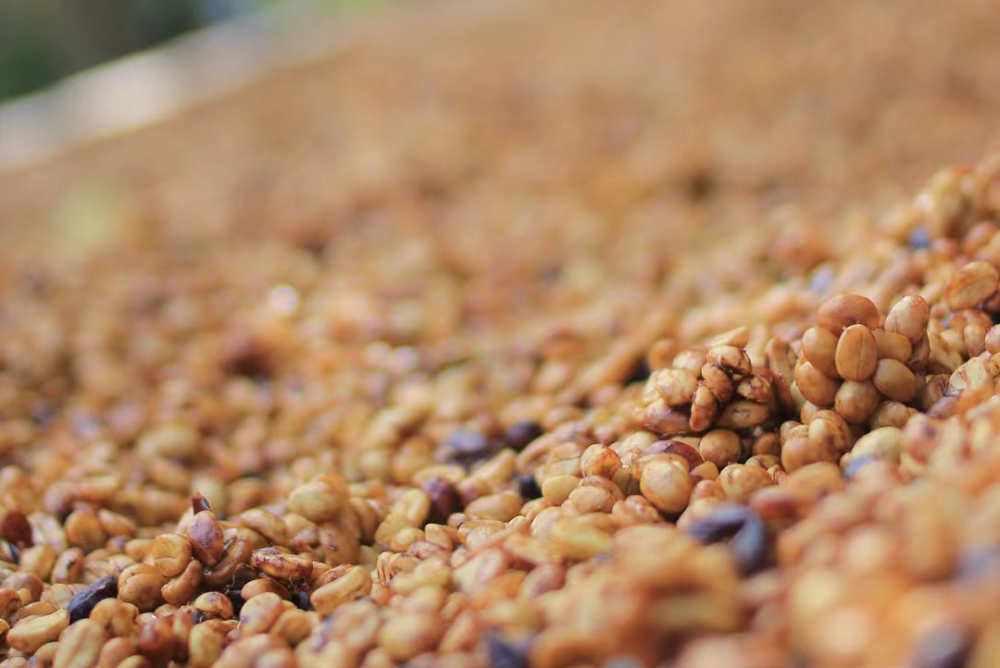
Honey processing (Honey Process) is a semi-dry method gradually developed by Costa Rican coffee farmers to cope with water resource limitations. It draws inspiration from Brazil’s pulped natural method but takes it further by enhancing the retention of mucilage to boost sweetness and body. The key to this process lies in preserving the mucilage layer (commonly referred to as “honey”) on the parchment-covered coffee bean. The amount of mucilage retained directly influences the final color, sweetness, and body of the coffee. Generally, the more mucilage preserved, the more intense the sweet aroma and thick mouthfeel.

Based on the amount of mucilage left before drying, honey processing can be subdivided into Black Honey, Red Honey, Yellow Honey, Golden Honey, and White Honey. The darker the honey color, the more mucilage is typically retained, resulting in more pronounced sweetness and fermentation characteristics.
Musician Series: Four Distinctly Flavored Representatives from Tarrazú
A brand’s Musician Series includes four coffee beans — Mozart, Beethoven, Bach, and Chopin — all sourced from the high-altitude Tarrazú region of Costa Rica. As Chopin is currently out of stock, the following focuses on the first three. Each bean varies not only in variety and altitude but also in processing method, showcasing the diverse flavor potential of the Tarrazú region.
Finca Canet: A Meticulously Managed Small-Scale Specialty Farm
These coffee beans all come from Finca Canet, located in the town of San Marcos, Tarrazú. The farm spans just five hectares and is jointly managed by the three Robles brothers — Leo, Elian, and Melvin. Situated in a high-altitude coffee-growing zone surrounded by Costa Rica’s main fruit cultivation areas, although passionfruit is the primary crop, the farm pays special attention to a small portion of its coffee plots, harvesting only perfectly ripe red cherries to ensure a high-quality raw material base.
Notably, Finca Canet has its own small wet mill (Beneficio), allowing flexible adjustment of both the drying degree and fermentation conditions of honey processing, thus enabling the stable production of various honey-processed flavor profiles.

An In-Depth Look at Costa Rica’s Musician Series
Mozart
Region: Tarrazú
Variety: Caturra, Catuaí
Altitude: 1950 meters
Processing Method: Raisin Honey Process (Double Fermentation)
Flavor: Osmanthus, berries, fermented wine notes, raisins
Features:This bean uses the raisin honey process, also known as double fermentation. After harvest, the cherries are first soaked and sorted, then dried with the full mucilage intact on raised beds. Precise control of turning during the drying process is required to avoid over-fermentation. The resulting beans often exhibit intense dried fruit and floral aromas, with outstanding sweetness.
Bach
Region: Tarrazú
Variety: Caturra
Altitude: 1950 meters
Grade: Strictly Hard Bean (SHB)
Processing Method: Raisin Honey Process
Flavor: Tropical fruits, nuts, cream, fermented notes
Features:Also using the raisin honey process, Bach showcases a rich array of tropical fruit flavors paired with a creamy body and delicate fermented aromas, combining sweetness with body.
Beethoven
Region: Tarrazú
Variety: Yellow Caturra
Altitude: 1900 meters
Grade: Strictly Hard Bean (SHB)
Processing Method: Washed
Flavor: Citrus, black tea, caramel
Features:Different from the first two honey-processed beans, Beethoven undergoes washed processing — removing the pulp and mucilage before sun-drying under shade — resulting in a cleaner, brighter profile that highlights citrus notes and a gentle black tea aroma. It suits those who prefer a crisp taste.
Although the three beans are processed differently, they all hail from Tarrazú’s high-altitude region and share common traits such as high acidity, distinct sweetness, and complex aromas. Tarrazú is one of the world’s most renowned specialty coffee regions, known for hand-picking, high elevations (most exceeding 1500 meters, classified as SHB), and chemical-free, eco-friendly farming practices. The region’s most iconic “La Minita” coffee is extremely limited in annual production but is a symbol of top-tier quality.
Quick Guide to Costa Rica’s Eight Major Regions
In addition to Tarrazú, Costa Rica has seven other regions: West Valley, Central Valley, Tres Ríos, Orosi, Brunca, Turrialba, and Guanacaste. Each region boasts unique flavor profiles due to differences in microclimate, soil, and altitude.
Practical Brewing Reference: V60 Pour Over Parameters
Below are recommended V60 brewing guidelines suitable for the above three Musician Series coffees, which can be fine-tuned according to personal taste:
- Filter: V60
- Water Temperature: 91°C
- Coffee-to-Water Ratio: 1:15
- Coffee Dose: 15 grams
- Grind Size: Approx. 80% through a #20 Chinese sieve (medium-fine grind)
Brewing Steps:
1. Start with a 30-second bloom using 30 grams of water.
2. Then pour in a circular motion with a slow stream until reaching 125 grams for the first pour.
3. When the water level drops close to exposing the coffee bed, continue pouring to 225 grams, then stop.
4. Once the dripping finishes (around 2 minutes total), remove the filter and complete the extraction.

Flavor Comparison by Brewing
Mozart and Bach, both using the raisin honey process, showcase intense fermented aromas and fruity tones with a full body and rich sweetness. Beethoven, processed with the washed method, offers a cleaner and brighter profile with citrus and black tea notes, ideal for those who prefer a crisp cup. It’s recommended to try all three together to experience the diverse flavor variations brought by different processing methods within the same region.
The above content is compiled by CoffeeHunters, a coffee news website.


