







Introduction:Yirgacheffe is one of Ethiopia’s most representative specialty coffee regions, renowned for its bright acidity, floral notes, and tea-like aftertaste. This article delves into the region’s geography and the evolution of its washed processing techniques, uncovering the sources of its unique flavors, and provides practical pour over and cold brew brewing methods—including grind size, ratio, time, and storage tips—suitable for both beginners and advanced enthusiasts.
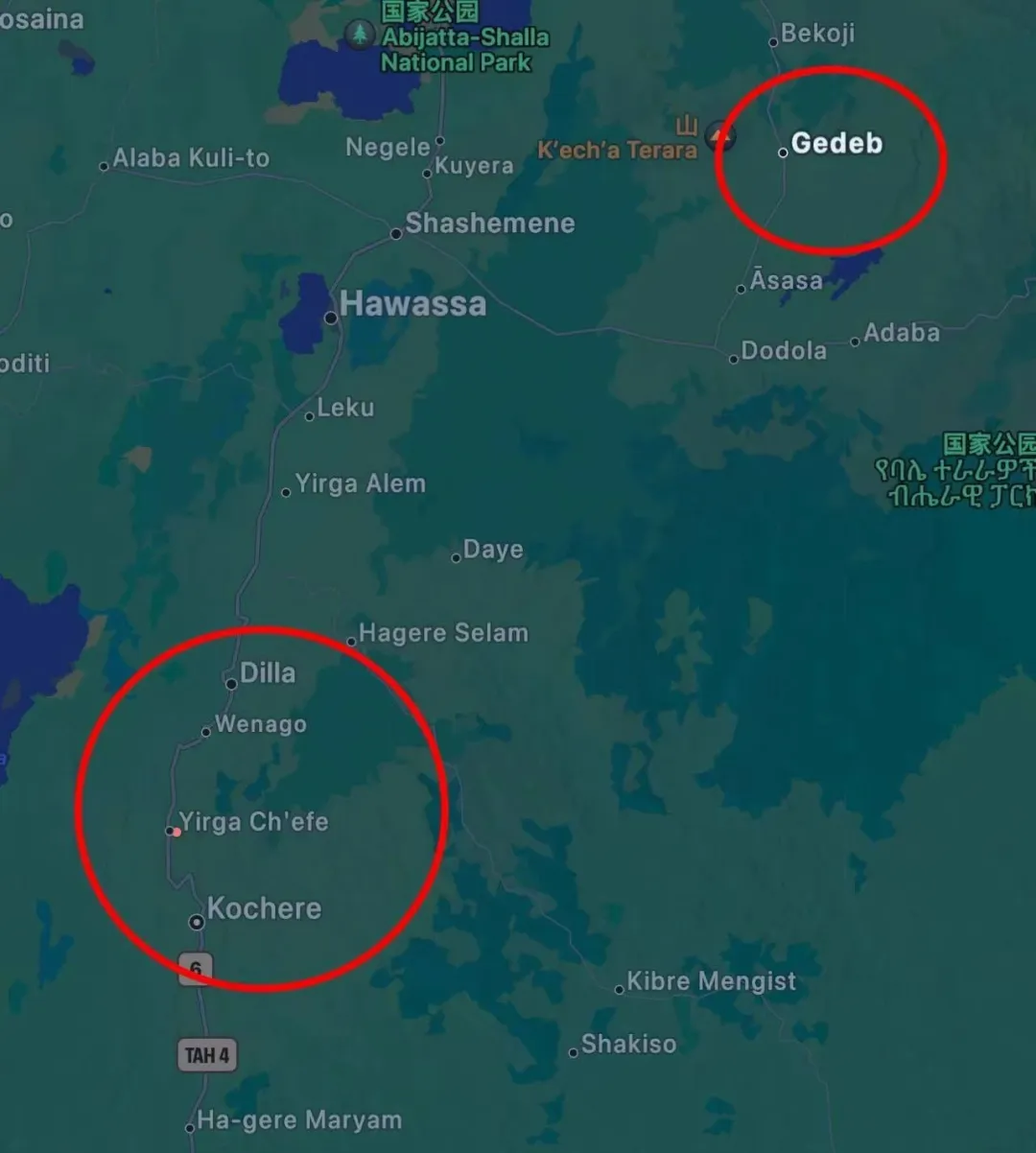
As an important specialty coffee region in Ethiopia, Yirgacheffe has long been praised for its refreshing lemony acidity, delicate soft white floral tones, and clean, crisp green-tea-like finish. Located at an altitude of 1,700 to 2,100 meters, this plateau is not only one of Ethiopia’s highest coffee-growing areas but also, thanks to its exceptional climate and processing methods, gives rise to the highly distinctive "Yirgacheffe flavor."
Originally part of the Sidamo region, Yirgacheffe was later designated as a separate region due to its uniquely aromatic and flavorful coffee, becoming a key representative of Ethiopia’s specialty coffee. For many coffee lovers, their first impression of "bright fruit acidity" and "tea-like aftertaste" in specialty coffee often comes from Yirgacheffe.
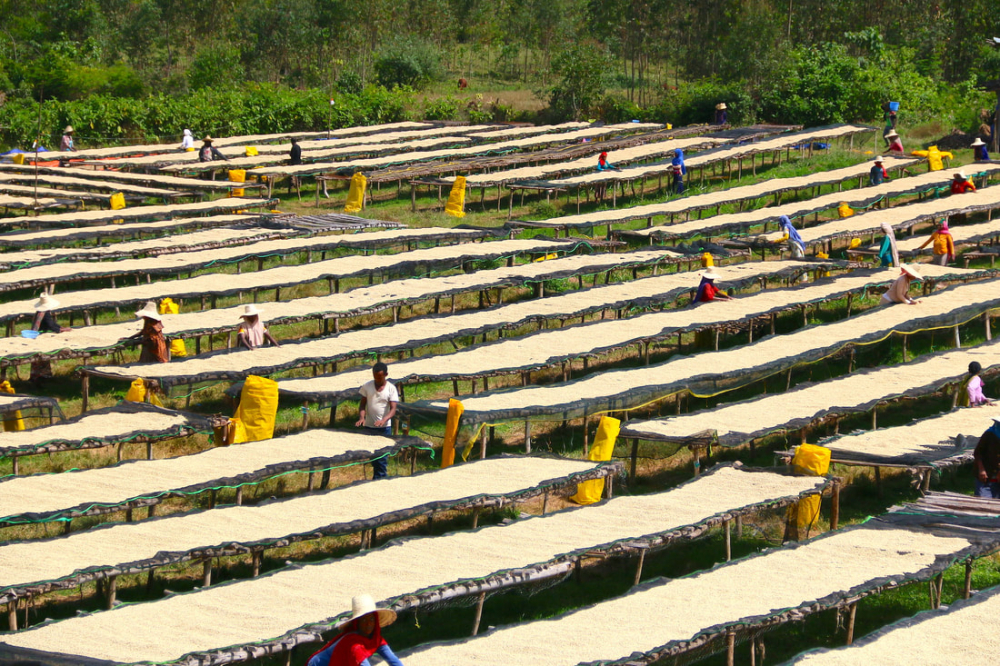
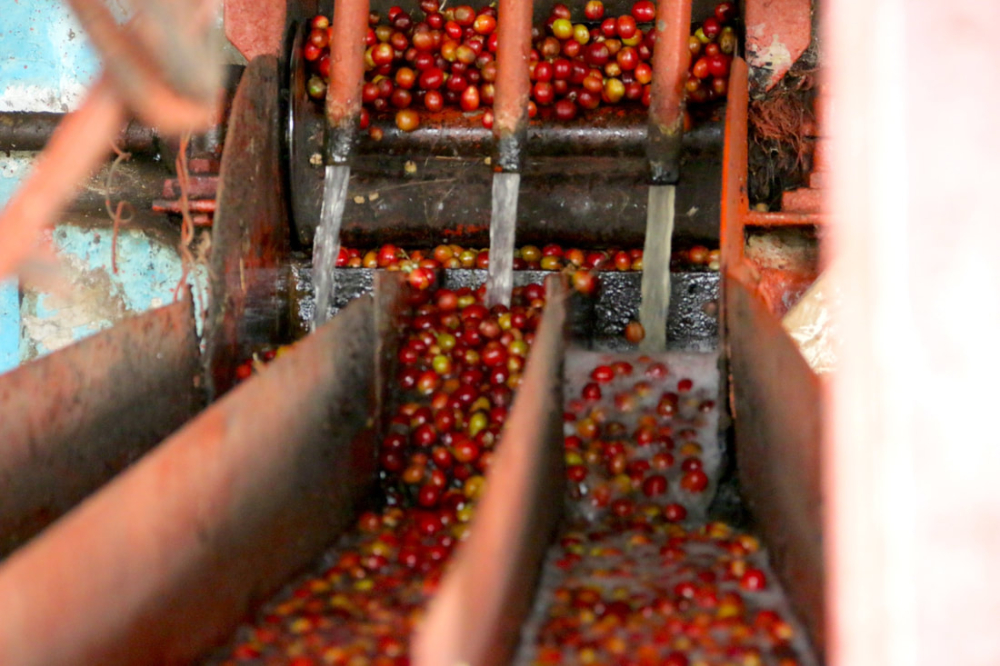
When it comes to Yirgacheffe’s unique flavor profile, the washed processing method plays an indispensable role. In the early days, Ethiopia mostly used traditional natural (sun-dried) processing for coffee, but limited processing technology and environmental conditions often led to uneven fermentation and more impurities, affecting the final flavor. It wasn’t until 1972 that the local government introduced modern washed processing equipment and techniques, establishing the first washed processing station in Yirgacheffe town, significantly improving the stability of coffee quality.
The advantage of washed processing lies in its ability to reduce off-flavors caused by over-fermentation, making the coffee’s inherent characteristics clearer—especially its bright acidity and clean aftertaste. This is why when people talk about the "Yirgacheffe taste," they often think of that lemony freshness, subtle floral notes, and slightly tea-like finish.
If you want to experience authentic Yirgacheffe flavor firsthand, it’s recommended to choose G1-grade coffee beans grown at high altitudes and processed using the washed method, which usually exhibit richer layered profiles. These beans are often of the Heirloom variety, as Ethiopia has an extremely rich coffee genetic pool, and "Heirloom" generally refers to local coffee tree varieties that are not a single type but have undergone long-term natural evolution and crossbreeding, resulting in distinctive regional flavors.
In terms of processing, washed processing highlights fruity acidity and a refreshing mouthfeel. Compared to the rich sweetness and wine-like notes of natural processing, it’s better suited for coffee lovers who prefer a fresh style. Additionally, the G1 grade represents the highest quality selection standards, with an extremely low percentage of defective beans, making it a grade worth trying for both entry-level and advanced drinkers.
Speaking of actual brewing, Yirgacheffe is well-suited for showcasing details through pour over, but it’s also excellent for highlighting its refreshing qualities with cold brew. Next, we’ll introduce standard pour over and cold brew brewing methods so you can make a cup of standout Yirgacheffe at home.
Cold Brew Coffee Brewing Steps (for 200ml):
1. Prepare a clean, sealable glass container with a capacity of about 200ml, ensuring it is free of oil stains and odors.
2. Accurately weigh20 gramsof medium-light roasted Yirgacheffe coffee beans, and grind them tomedium-coarse (similar to white sugar). Test with a China No. 20 sieve; the75%pass-through rate should be around [ideal range not provided].
3. Pour the ground coffee into the glass bottle, add200 milliliters of room temperature or cold water, at a ratio of1:10[ratio not provided].
4. Stir gently until the coffee grounds are fully saturated, ensuring there are no clumps, then tightly seal the lid.
5. Place it in the refrigerator and let it steep for8 to 12 hours, without shaking during this period, allowing the coffee to extract slowly.
6. After extraction, use filter paper or a filter to separate the coffee grounds, and then pour out the coffee to enjoy.
This method fully highlights Yirgacheffe’s lemon acidity, floral notes, and tea-like qualities, with a refreshing and layered mouthfeel, making it ideal for summer or those who prefer low-intensity flavors.
It’s worth noting that although cold brew coffee is often said to last 2–3 weeks, based on practical experience and hygiene considerations, it’s recommended that youconsume it within 72 hours after brewing. Especially when making it at home, since your refrigerator may store raw food or other ingredients, even if sealed, there’s still a risk of microbial contamination. Therefore, the sooner you drink it, the better the flavor and hygiene will be.
The above content is compiled by CoffeeHunters, a coffee news website.


