







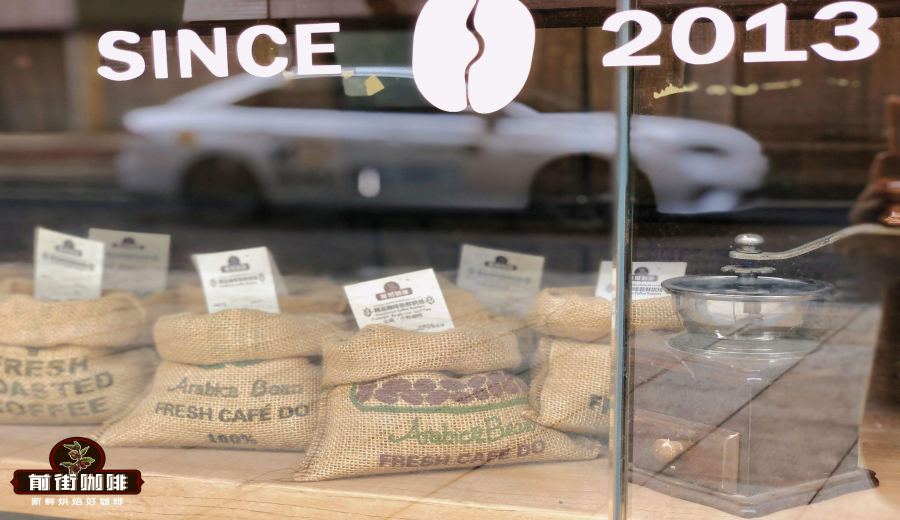
Introduction:Gain an in-depth understanding of the unique flavor characteristics of globally renowned coffee-growing regions and master the key points for selecting and brewing pour-over coffee beans. This article selects classic regions from seven major coffee-producing countries including Ethiopia, Indonesia, and Costa Rica, analyzes the impact of processing methods such as washed and wet-hulled, and provides practical flavor descriptions and brewing parameters to help coffee beginners systematically explore the world of specialty coffee.
For those just beginning to explore black coffee, understanding the flavor profiles of coffee beans from different regions is an important foundation for entering the world of pour-over coffee. This article will take you on a journey through globally renowned specialty coffee origins such as Ethiopia, Indonesia, Yunnan (China), Costa Rica, Colombia, Guatemala, and Brazil. We will delve into the bean characteristics of classic regions like Yirgacheffe, Mandheling, Yunnan small beans, Tarrazú, Huila, Huehuetenango, and Cerrado, and provide detailed brewing parameters and flavor profiles to give you clearer direction when selecting pour-over beans. At the same time, we’ll clarify the differences between pour-over and drip machines, and explore how pouring techniques, water flow control, and circular pouring rhythm subtly influence coffee flavor. This is essential foundational knowledge that coffee enthusiasts shouldn’t miss.
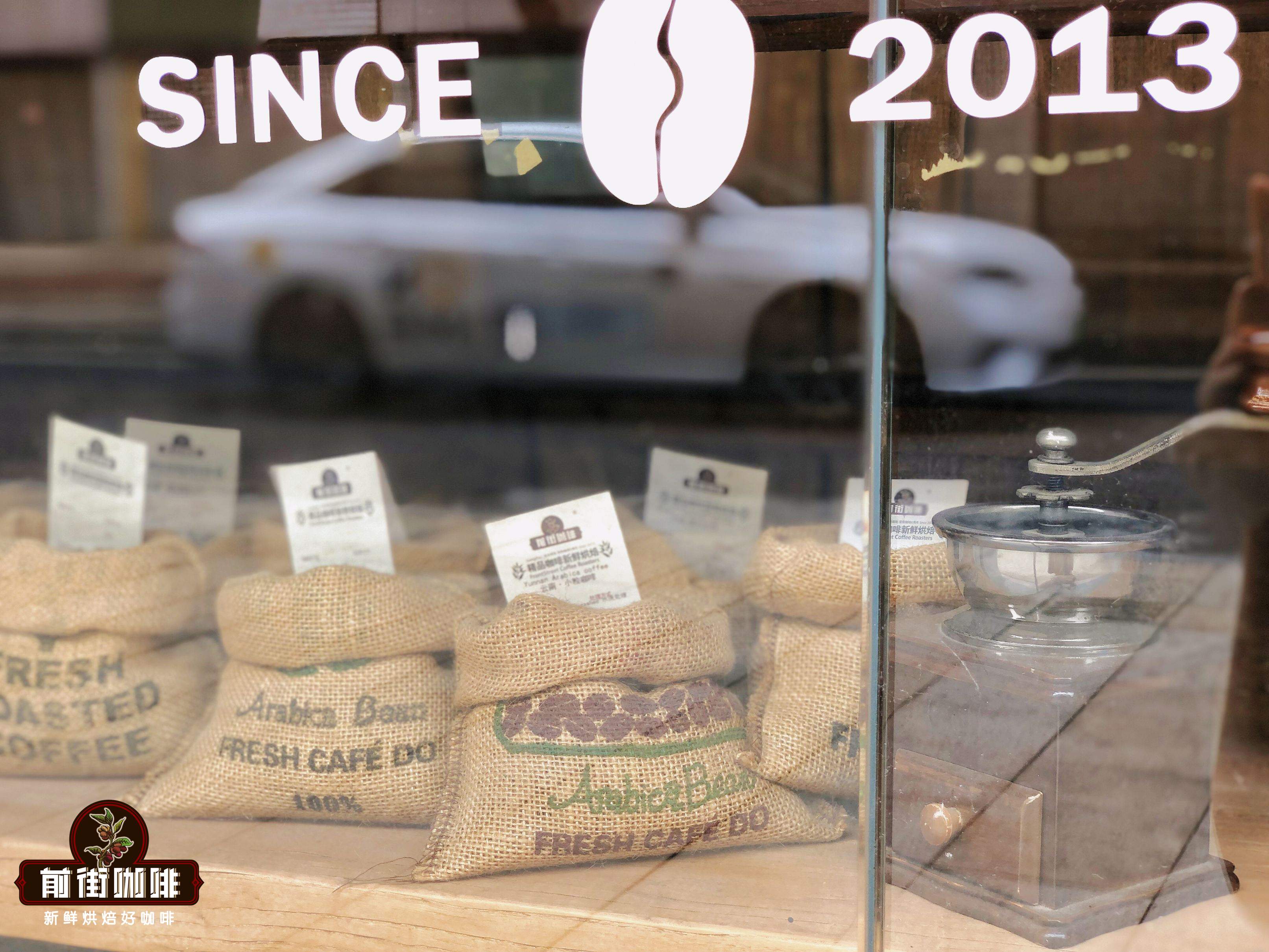
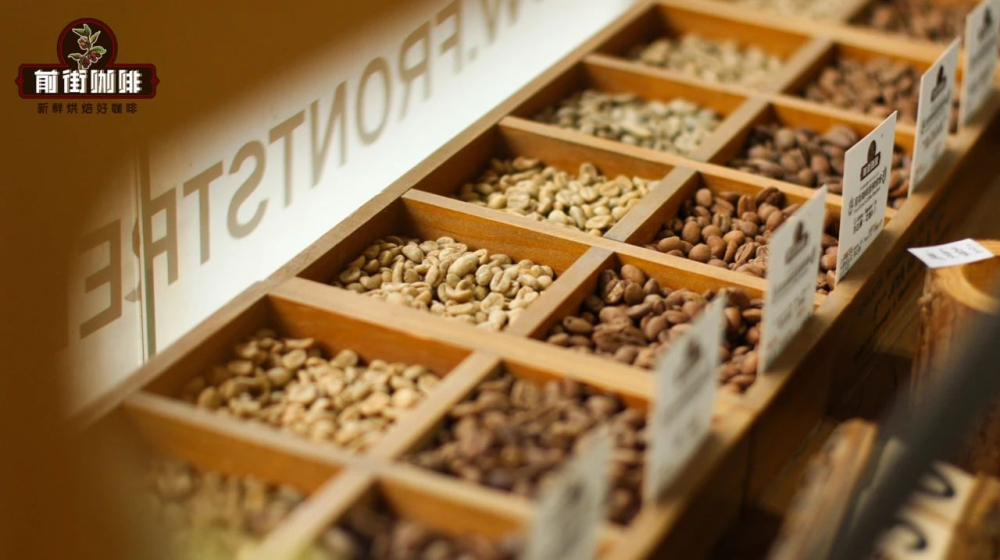
In the past, when black coffee was mentioned, many people first thought of Jamaican Blue Mountain. However, with the rise of the third wave of specialty coffee, public understanding of black coffee has expanded from traditional American-style coffee to more refined options like pour-over and single-origin coffee. Many consumers often face basic questions such as water temperature settings and grind size when selecting pour-over beans. Next, we’ll analyze the unique flavor characteristics of coffee beans from different regions one by one.
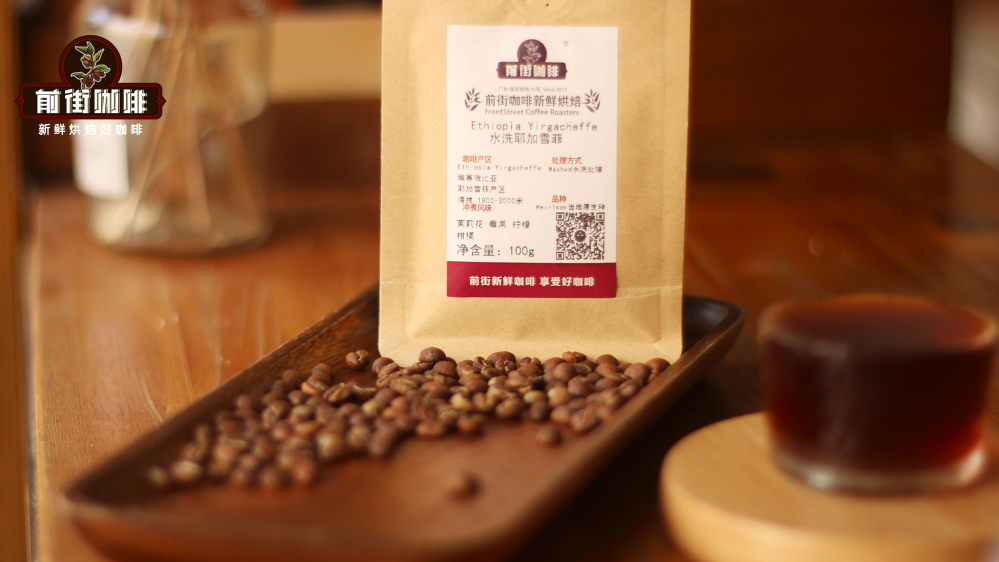
Among the many coffee-growing regions, Ethiopia is widely recognized as the birthplace of coffee and is also a top choice for many beginners. Among them, the Yirgacheffe and Sidamo regions are the most famous. It’s worth mentioning that Yirgacheffe was originally part of Sidamo but was later designated as a major region in its own right due to its coffee’s distinctive jasmine-like floral aroma. In the 1970s, to improve the quality of green beans, the local government introduced washed processing techniques, making washed processing the mainstream in this region.
In Indonesian coffee, besides the famously exotic kopi luwak, Mandheling is also widely popular. The unique flavor of Mandheling is closely related to the wet-hulled processing method used, which can be said to have shaped its characteristics. Due to Indonesia’s variable climate and frequent rainfall, combined with economic constraints in earlier years that made it difficult to afford the full cost of washed processing, a unique semi-washed method—wet-hulling—was developed. This method removes the parchment layer while the coffee beans still have a moisture content as high as 50%, allowing the green beans to dry directly in contact with air. This creates Mandheling’s rich, smooth mouthfeel, along with herbal and spicy notes.
Coffee cultivation in China is mainly concentrated in Yunnan. Although Fujian and Hainan also grow coffee, their lower altitudes and higher temperatures are only suitable for Robusta, not the Arabica commonly used in specialty coffee. With the popularity of the movie *Coffee or Tea?*, Yunnan coffee has received unprecedented attention, and domestic support for local products is reflected in sales figures. A certain brand’s Yunnan small beans coffee is known for being rich without being bitter, and aromatic without being harsh.
Costa Rican coffee is known for its “honey-like” sweetness, which is inseparable from the country’s widespread use of honey processing. The country’s coffee is grown in high-altitude regions with significant day-night temperature variations and fertile volcanic soil, producing mostly Strictly Hard Bean (SHB grade) coffee, with particularly prominent sweetness.
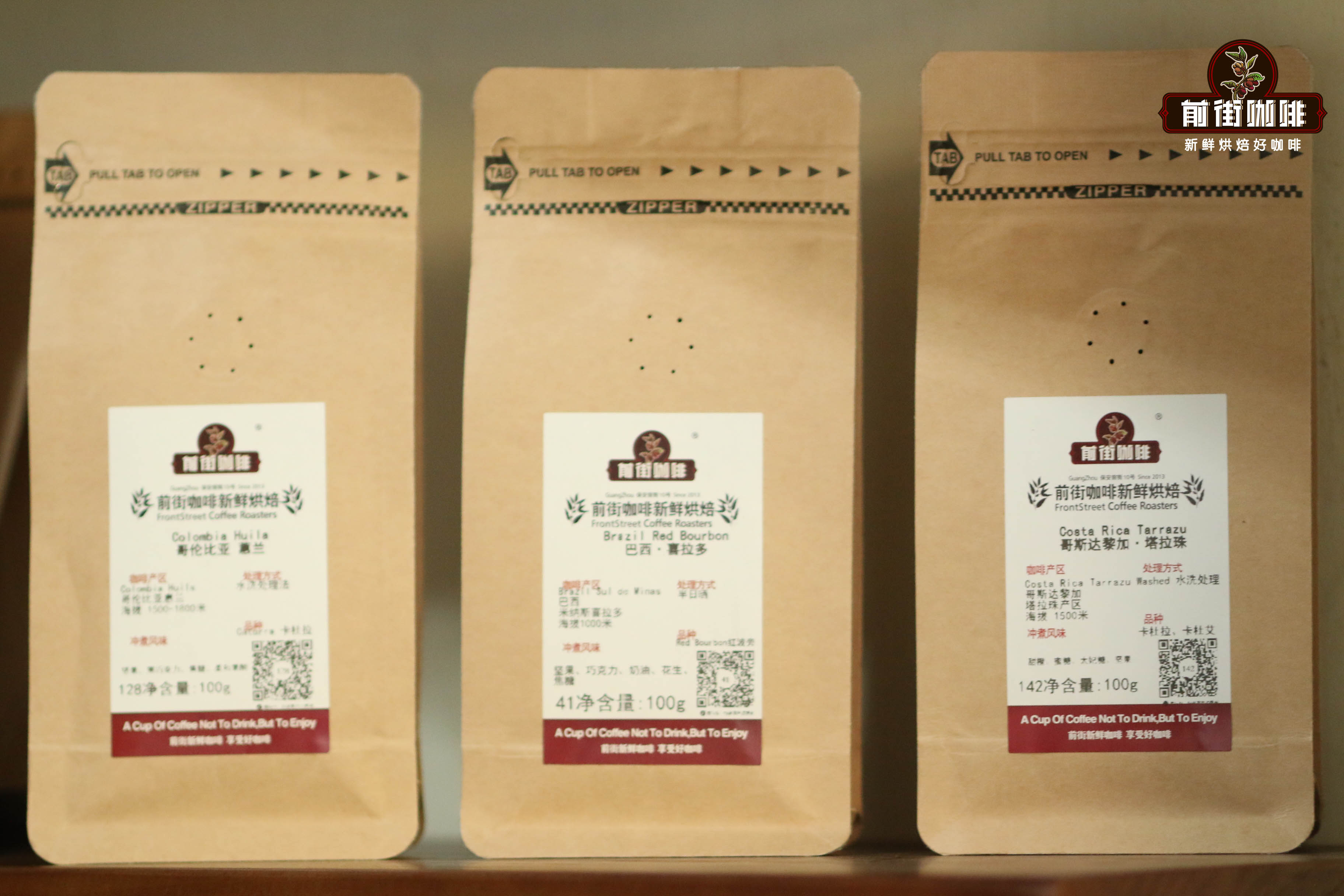
Colombian coffee is one of the few examples of a country marketing its coffee by national name as a single-origin product. The country has a mild and humid climate with harvests year-round, and coffee from different regions and varieties matures in succession, resulting in a rich and long-lasting aftertaste that can be considered a premium-level performance. A certain brand’s entry-level coffee series includes Colombian beans from the Huila region, which is surrounded by mountains and sits at an altitude of over 1,500 meters, with abundant moisture providing an ideal environment for coffee growth.
Guatemalan coffee often gives the impression of a strong “smoky” character, but a certain brand’s entry-level coffee series selects beans from the Huehuetenango region, showcasing soft acidity and balanced mouthfeel—a common strength of Central American coffee. Huehuetenango is surrounded by three volcanoes and has mineral-rich soil, with altitudes exceeding 2,000 meters, nurturing coffee with rich fruity notes.
Brazil is the world’s largest coffee producer, and although its output is high, there are also many high-quality Brazilian beans. Many consumers looking for low-acidity coffee often choose Brazilian beans as their first option. The country mostly uses sun-grown cultivation, leading to fast fruit ripening and softer beans. A certain brand’s Brazilian Cerrado Red Bourbon coffee beans exhibit the soft fruit acidity and good sweetness characteristic of soft beans, with a delicate and smooth mouthfeel and an overall balanced performance.
It’s worth noting that some beginners wonder: is pour-over coffee really better than a drip machine? The drip machines usually referred to are home or office-style American drip machines, which operate on a similar principle to pour-over—brewing coffee grounds with hot water and then filtering. However, the dripping process in drip machines is preset by the machine, and flavors may vary between brands. In contrast, pour-over coffee relies entirely on manual control of pouring, and the pouring technique has a significant impact on the final flavor. For example, the single-pour method excels in cleanliness and acidity expression but may result in a thinner mouthfeel; the three-pour method, on the other hand, can balance all flavor aspects. Additionally, water flow rate is crucial—smaller streams cause less rise in the filter cup’s liquid level, resulting in a thicker coffee bed against the cup wall, extending extraction time and enhancing richness and mouthfeel. Pouring speed also affects extraction; accelerating the circular pour increases the flushing force of the water stream, causing more vigorous agitation of the coffee bed and thereby increasing extraction efficiency.
The above content is compiled by CoffeeHunters, a coffee news website.


