







Introduction:The Boquete region of Panama is renowned for its Geisha, but there’s also a floral butterfly coffee bean that blends Geisha lineage with a more affordable price point, highly favored by pour over enthusiasts. This article details the varietal composition, washed processing method, and actual flavor profile of a well-known shop’s Boquete Floral Butterfly, helping you understand its market positioning and cost-performance advantages. It also analyzes the microclimate and soil characteristics of the Boquete area, and finally provides roasting degree and brewing suggestions to help you find your ideal Floral Butterfly coffee experience.
As a representative specialty coffee-producing country in Central America, Panama’s Emerald Estate produces Geisha coffee that has long held a place in the hearts of global coffee lovers. Beyond high-end premium Geisha, the Boquete region also offers a Floral Butterfly coffee bean that incorporates Geisha genetics yet remains more accessible, gradually becoming the entry choice for many novice and advanced coffee enthusiasts. This article will take you through a comprehensive understanding of this much-talked-about Floral Butterfly coffee bean—from varietals and processing methods, to flavor profiles and market trends.
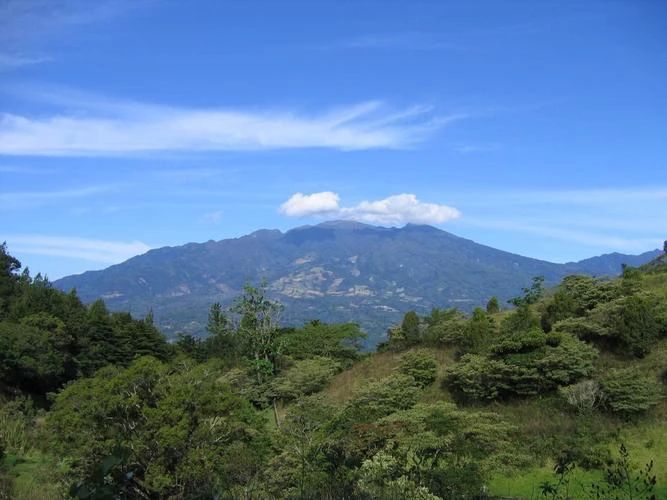
Panama is located in Central America, bordered by Costa Rica to the north and Colombia to the south. Its mountainous terrain, cool and variable climate, offer ideal conditions for coffee cultivation. When Panama coffee is mentioned, most people first think of the Emerald Estate’s Geisha—a variety known for its unique floral aromas, citrus notes, and tea-like aftertaste, making it a legend in the specialty coffee world. However, in the Boquete highlands rich in volcanic soil, there is also a Floral Butterfly coffee bean that shares Geisha heritage but is more readily available—well worth exploring.
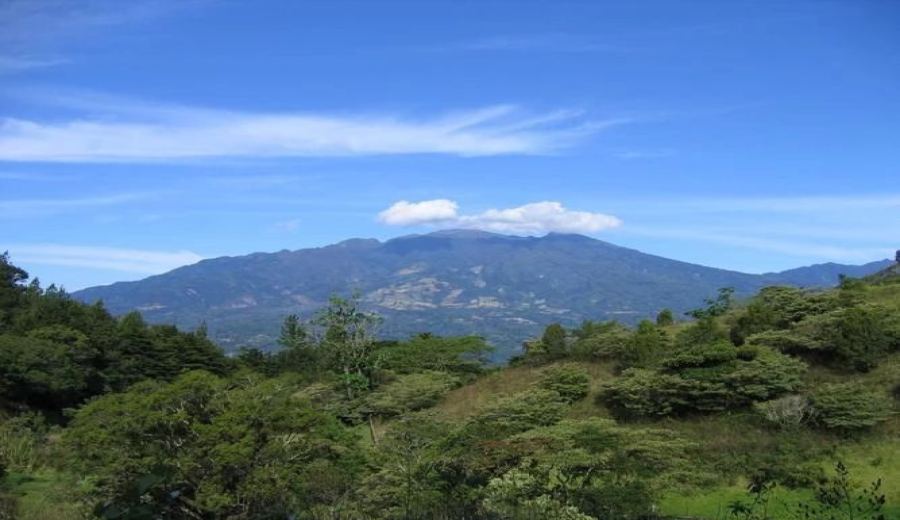
The well-known shop’s Boquete Floral Butterfly coffee bean is a blend of three varietals: Geisha, Caturra, and Catuai, with Geisha accounting for about 40%. These beans are grown at the foot of the Barú Volcano in the Boquete region, at an altitude of up to 1600 meters, representing a typical high-altitude growing environment. The large diurnal temperature variation, even rainfall distribution, and mineral-rich volcanic soil here provide optimal conditions for flavor concentration. Using traditional washed processing combined with meticulous harvesting and post-harvest procedures, this coffee delivers surprises in acidity, body, and aroma.
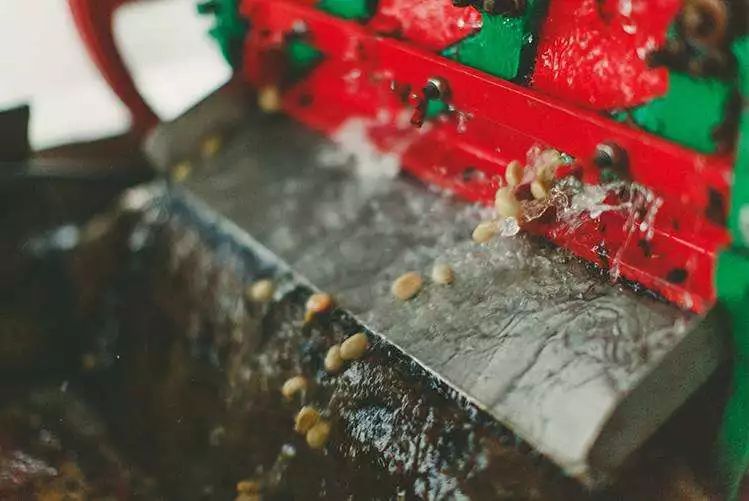
Particularly noteworthy is that the Floral Butterfly originated from local farmers mixing Geisha with Caturra and Catuai varieties years ago in pursuit of higher yields. Later, as Geisha prices soared, processing facilities began applying more refined methods to these mixed beans. During washing, the coffee cherries first undergo floatation to remove defects, then the pulp is removed. They are then placed in fermentation tanks where natural enzymes and microbes break down the mucilage layer, followed by water washing to remove residues, and finally even drying on sun patios. This process preserves the distinctive fresh floral and fruity aromas of Geisha while ensuring good cleanliness and sweetness.
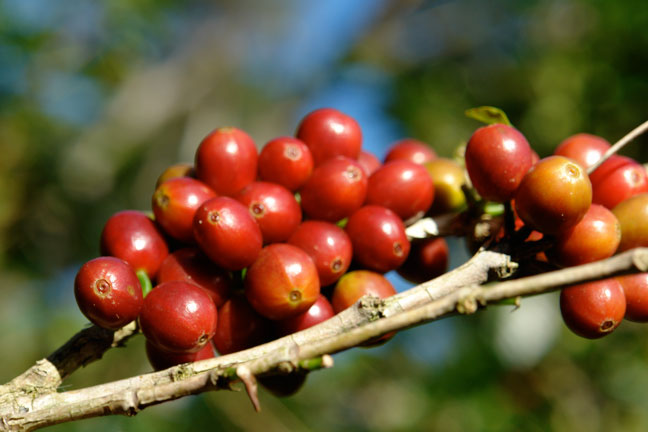
In cupping evaluations, the well-known shop’s Floral Butterfly shows pronounced jasmine and citrus dry aromas, with wet aromas featuring layers of berries, vanilla, and honey. When sipped, the acidity is bright and delicate, with a flavor profile encompassing bergamot, cherry, berries, and floral notes. The finish is long-lasting with a honeyed sweetness, and the overall performance is well-balanced. When roasted to a medium-light level, the unique floral-fruity tones and tea-like qualities brought by its Geisha lineage are more pronounced, making it ideal for pour over enthusiasts who enjoy bright acidity and complex aromatics.
From a market perspective, compared to purebred Geisha which often commands prices in the hundreds, the Floral Butterfly coffee bean—being a blend and with relatively stable production—is much more affordable, yet doesn’t compromise on flavor, offering exceptional cost-performance. For consumers looking to experience Panama’s high-altitude coffee character without making a big initial investment, this Floral Butterfly is an excellent entry choice.
The Boquete region is located in western Panama, bordering Costa Rica, and is one of the country’s famous specialty coffee-growing areas. In addition to the fertile soil brought by the Barú Volcano, the interplay of altitude and microclimates creates diverse micro-environments, contributing to the richness of coffee flavors. In addition to the well-known Emerald Estate, the area is home to many quality producers such as Elida Estate and Acaia Estate, each with unique processing styles and varietal selections.
For coffee lovers wishing to further explore the charm of the Boquete region, beyond the Floral Butterfly, you can also try single-varietal or differently processed offerings from other estates in the area—such as natural or honey processes—to experience how different methods affect flavor. Additionally, depending on personal taste preferences, a medium-light roast is recommended to preserve floral and fruity characteristics. If you prefer a fuller body, a medium-dark roast can also be tried to bring out caramel and nutty undertones.
In summary, the well-known shop’s Boquete Floral Butterfly coffee bean is a specialty coffee that combines Geisha lineage, high-altitude flavors, and an affordable price. Whether you’re a beginner pour over enthusiast or a coffee lover seeking a daily drinker, you can find your own coffee joy in this bean. With the right roasting degree and brewing parameters, this Floral Butterfly will deliver a layered and memorable coffee experience.
The above content is compiled by CoffeeHunters, a coffee news website.


