







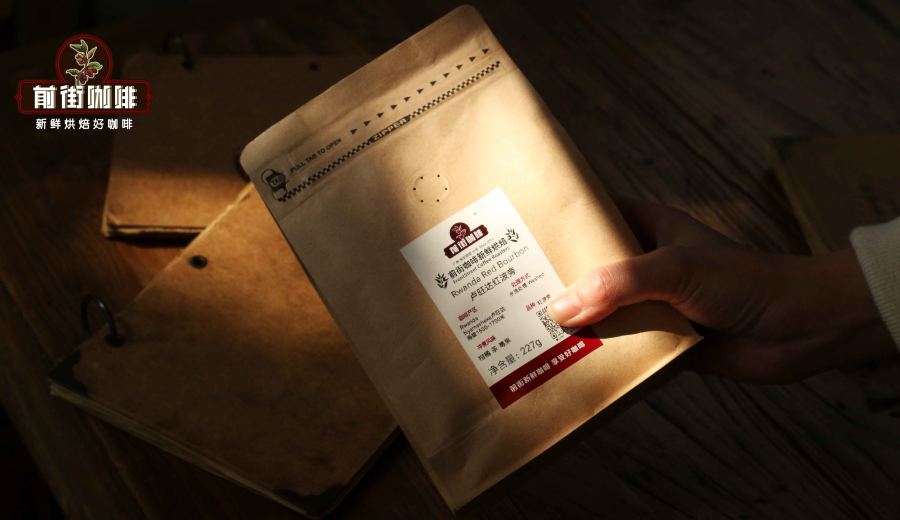
Introduction:Although Rwanda is a small inland country in Africa, its high altitude and volcanic soil give rise to uniquely flavored washed Red Bourbon coffee. This article delves into the historical evolution of the country's coffee industry, the geographical advantages of the Southern Province, and provides a detailed explanation of the grading standards centered around screen size and defect rate. From the differences between AA and T grades to flavor profiles featuring berry notes and green tea undertones, it helps you fully grasp the essence of this specialty coffee.
Although Rwanda is a landlocked country in central Africa with no coastline, its high-altitude regions and mineral-rich volcanic soil provide excellent conditions for coffee cultivation. In particular, washed Red Bourbon beans often exhibit bright berry acidity and a tea-like finish, making them a popular choice among specialty coffee enthusiasts.
This article takes the commonly available washed Red Bourbon from Rwanda as a starting point, first tracing the history of coffee in the country—from its introduction during the German and Belgian colonial periods to the establishment of the official OCIR organization after independence to promote industry development. Notably, the country’s coffee production reached its historical peak in 1986 but later suffered due to political instability. Today, Rwanda is not only known for its safety but also has over 300,000 people engaged in the coffee industry, showcasing the vitality of its industry recovery.
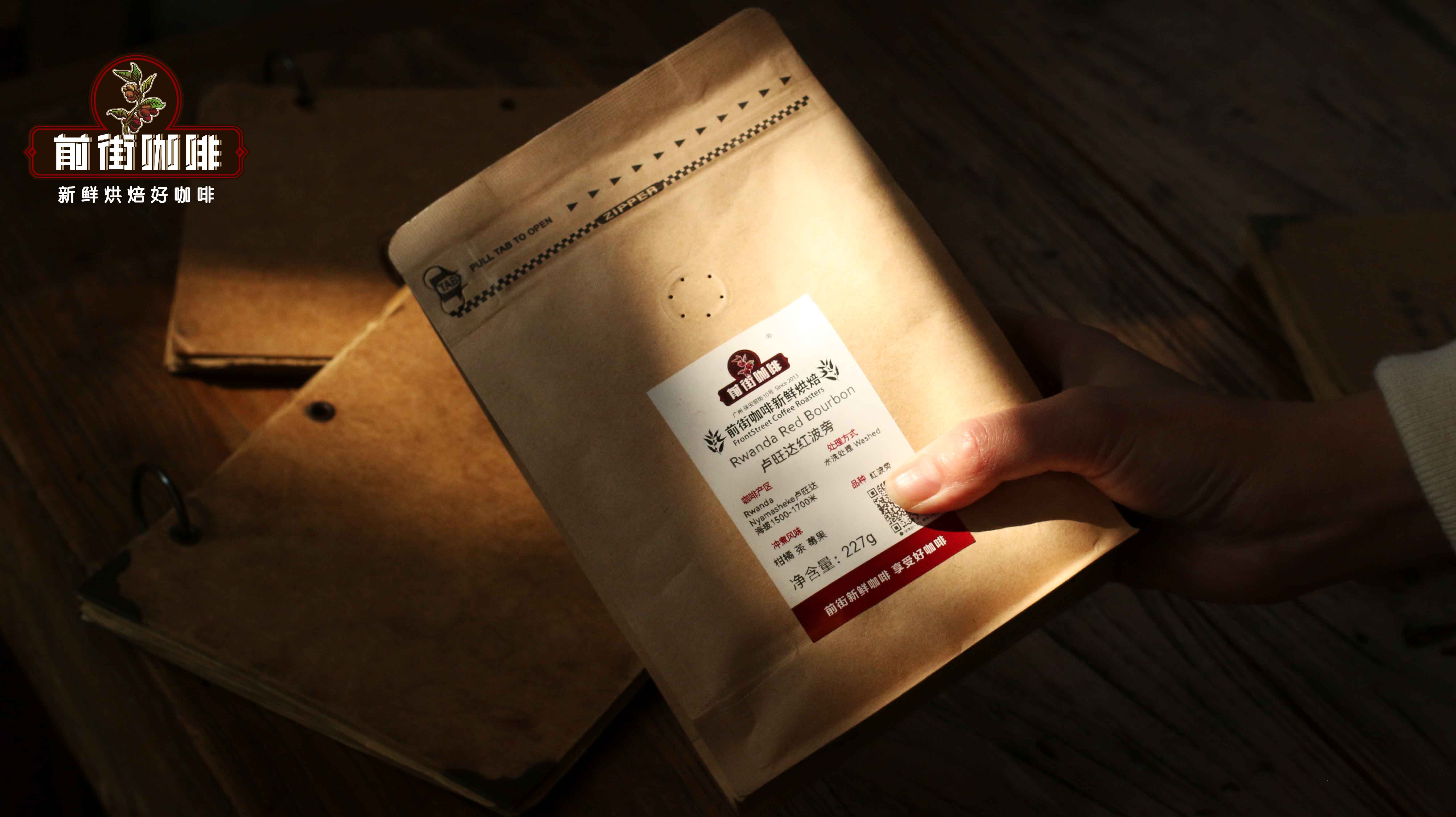
In terms of the terroir, the Southern Province in the southwest has an elevation ranging from 1,500 to 1,700 meters and features a temperate highland climate with significant day-night temperature variations. This environment helps coffee cherries ripen slowly, accumulating richer flavor compounds. The unique landscape formed by five volcanoes and numerous lakes in the region not only provides abundant water sources, but the volcanic soil is also nutrient-rich, creating ideal conditions for coffee tree growth.
Regarding processing methods and flavor profiles, this coffee is processed using the washed method, fully preserving the characteristics of the Red Bourbon variety. Common flavor profiles include pronounced berry notes, crisp apple acidity, a green tea-like freshness in the mid-palate, and a sweet almond or apricot finish. These characteristics make it an excellent choice for pour over brewing, and a medium-light roast level is recommended for extraction.
Rwanda’s coffee grading system is primarily based on bean screen size and defect rate:AA Grade (above 18 mesh)is the highest grade, with plump and uniform beans, and relatively higher market prices;SC Grade (above 15 mesh and defect rate ≤5%)requires strict hand sorting and is a common base grade for specialty coffee;TT Grade (13–14 mesh)may fall into this category due to slightly lower screen size or defect rate;T Grade (below 12 mesh)andSTL Grade (broken beans)belong to the lower grading tiers. It is worth noting that only SC-grade coffee beans that score above 85 points in cupping can be considered specialty coffee, and the mill’s yield rate must remain above 70% to be profitable.
In practice, natural and honey processing methods are only used for high-end productions, typically selecting SC-grade beans or higher. When purchasing, in addition to paying attention to grade labels, consumers are also advised to consider information such as the growing altitude and processing station, as these details often directly affect the final flavor profile. For beginners in coffee, Rwandan washed Red Bourbon is an excellent entry-level option to experience the characteristics of African beans and washed processing.
The above content is compiled by CoffeeHunters, a coffee news website.


